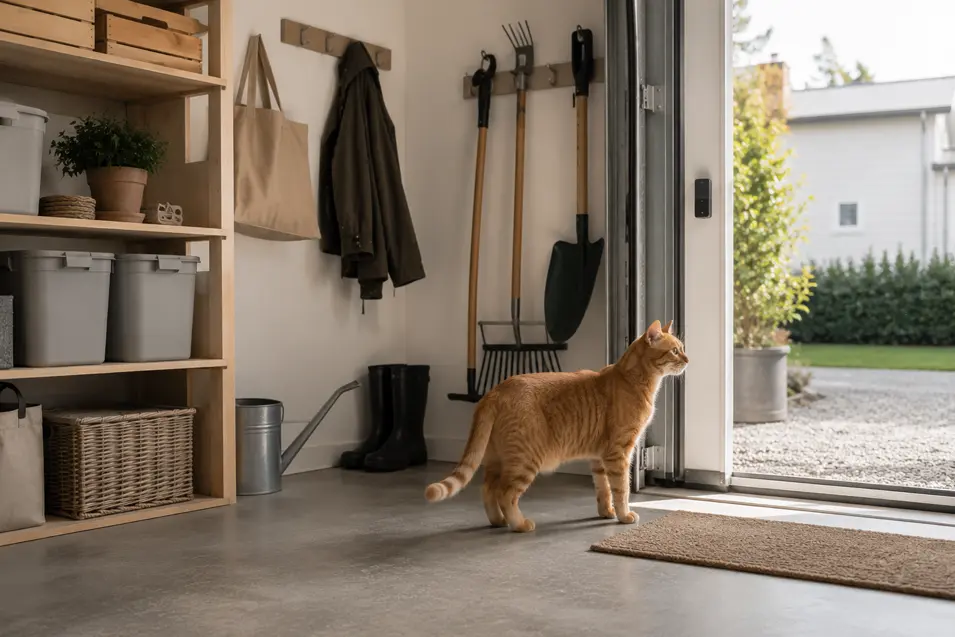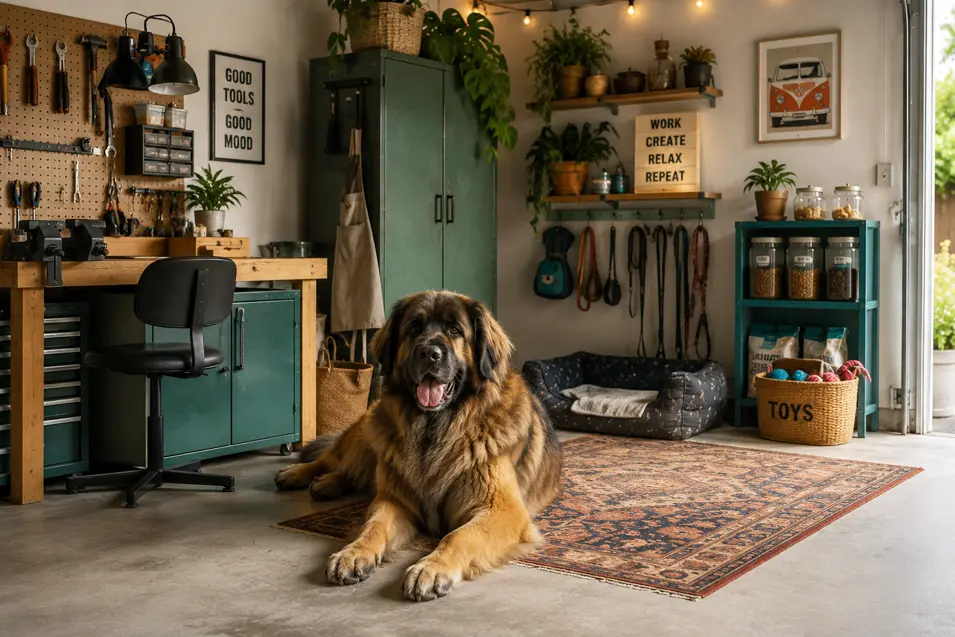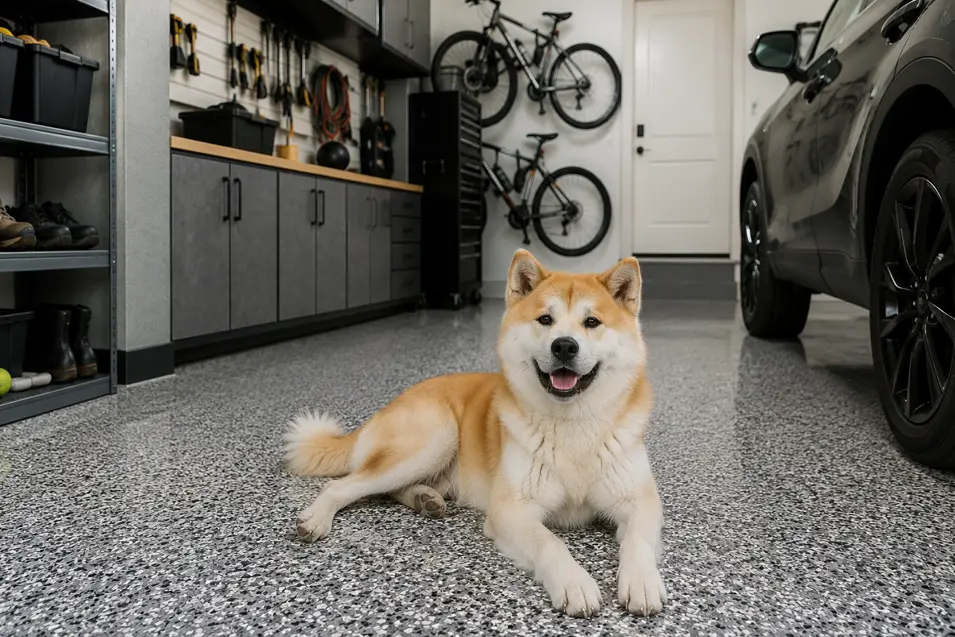
Garages are often one of the most overlooked areas of the home when it comes to pet safety. While many pet owners carefully pet-proof kitchens, bedrooms, and living spaces, garages frequently contain a wide range of hidden dangers that can pose serious risks to curious cats and dogs.
From toxic chemicals and automotive products to sharp tools and hidden escape routes, garages often function as storage areas for items that were never intended to be accessible to pets. Unfortunately, many of these hazards can cause severe illness , injury, or even deathif pets come into contact with them.
Because dogs and cats are naturally curious, they often investigate unfamiliar smells, climb onto stored items, and explore hidden corners. Understanding the most common garage hazards can help you create a safer environment and prevent accidents before they occur.
Why Pets Are Drawn to Garages
Garages can be surprisingly attractive to pets.
Common reasons include:
- Interesting smells
- Quiet hiding spots
- Warm vehicles
- Access to insects and rodents
- Open storage areas
Cats may seek elevated resting spots or warm engines, while dogs often investigate tools, containers, and unusual scents.
Unfortunately, many of the features that make garages interesting also make them dangerous.
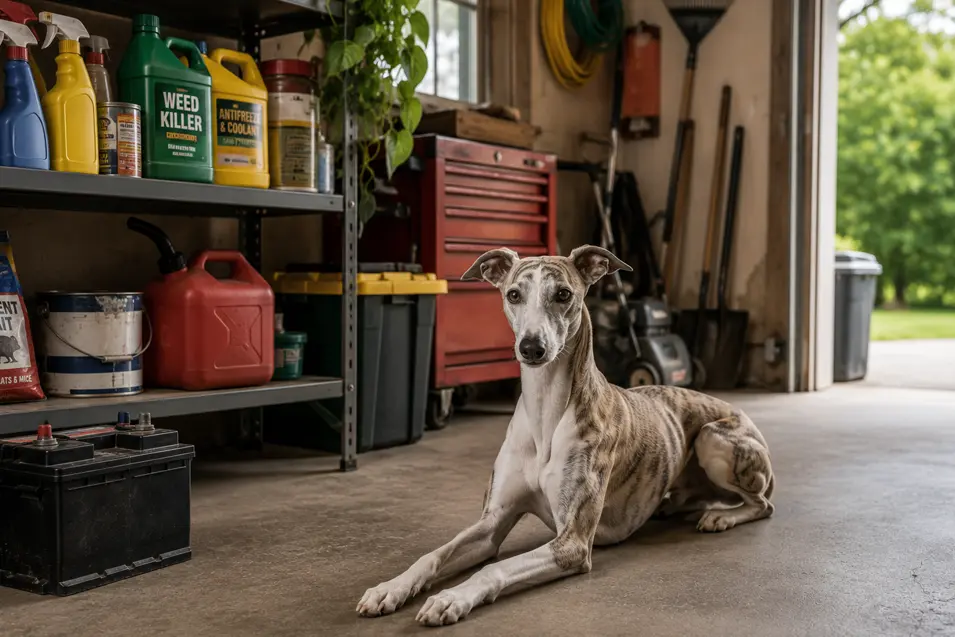
Antifreeze Is One of the Biggest Threats
Antifreeze is among the most dangerous substances commonly found in garages.
Many antifreeze products contain ethylene glycol, which can be highly toxic to both cats and dogs.
Why it’s so dangerous:
- Sweet taste attracts animals
- Small amounts can be fatal
- Symptoms may be delayed
- Rapid treatment is essential
Signs of poisoning may include:
- Vomiting
- Weakness
- Excessive thirst
- Loss of coordination
- Seizures
Clean spills immediately and store antifreeze in tightly sealed containers.
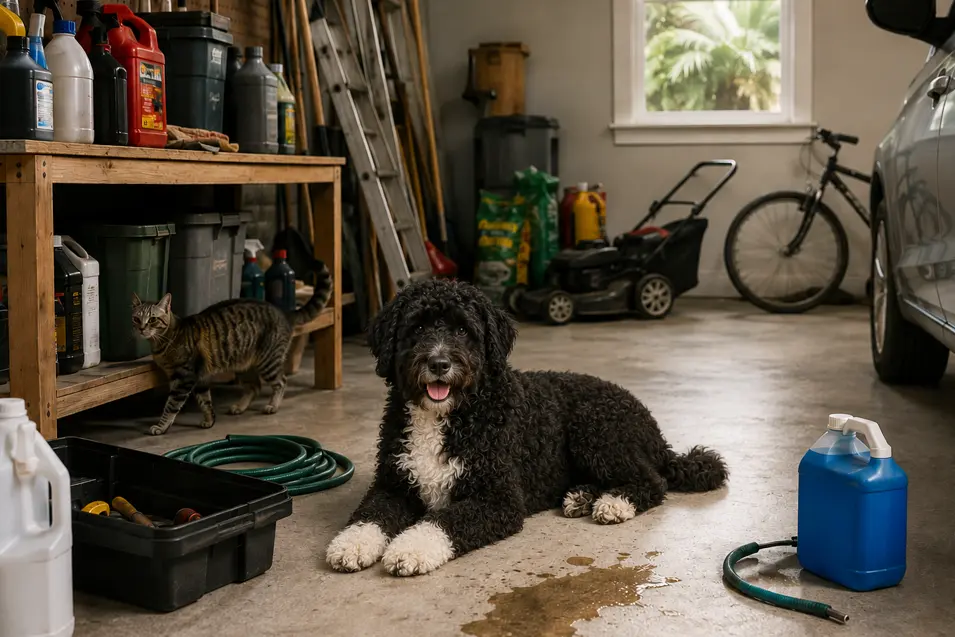
Automotive Fluids and Chemicals
Garages often contain numerous automotive products that can harm pets.
Common examples include:
- Motor oil
- Brake fluid
- Transmission fluid
- Fuel additives
- Windshield washer fluid
Many of these products are toxic if swallowed or absorbed through the skin.
Improve safety by:
- Using sealed containers
- Cleaning spills immediately
- Storing products in locked cabinets
Even small exposures can create significant health risks.
Rodent Poison and Pest Control Products
Garages are common locations for pest-control products.
Unfortunately, rodent poisons can be extremely dangerous to pets.
Risks include:
- Direct ingestion
- Secondary poisoning from rodents
- Severe internal bleeding
- Organ damage
Many pet owners are unaware that poisoned rodents can also harm pets that hunt or consume them.
Pet-safe pest control methods are often the safest option.
Sharp Tools and Equipment
Most garages contain a variety of tools.
Common hazards include:
- Saws
- Utility knives
- Nails
- Screws
- Garden tools
- Power equipment
Pets exploring storage areas can easily encounter sharp objects.
Store tools securely and keep work areas clean to reduce injury risks.
Fertilizers and Lawn Chemicals
Garages frequently serve as storage areas for lawn and garden products.
These may include:
- Fertilizers
- Herbicides
- Insecticides
- Weed killers
Many products contain ingredients that can be harmful if pets:
- Inhale them
- Walk through them
- Lick contaminated paws
- Consume treated materials
Always follow storage instructions and keep products out of reach.
Open Containers and Spills
One of the most common garage safety mistakes is leaving containers open.
Common examples include:
- Paint cans
- Solvents
- Cleaning products
- Automotive fluids
Pets can accidentally step in spills or investigate open containers.
Routine inspections and prompt cleanup significantly improve safety.
Electrical Hazards
Garages often contain exposed wiring, extension cords, and electrical equipment.
Potential dangers include:
- Chewing cords
- Electric shock
- Burns
- Fire hazards
Puppies and kittens are particularly vulnerable because they tend to explore with their mouths.
Use cord covers and repair damaged wiring promptly.
Heavy Objects and Falling Hazards
Garages often contain shelves loaded with heavy items.
Examples include:
- Storage bins
- Paint cans
- Toolboxes
- Sports equipment
Risks include:
- Falling objects
- Tip-over accidents
- Entrapment
Secure shelving units to walls and avoid stacking items precariously.
A stable storage system helps protect both pets and people.
Escape Risks Through Garage Doors
Garages frequently provide direct access to the outdoors.
Unfortunately, open garage doors can create opportunities for pets to escape.
Common situations include:
- Vehicles entering or leaving
- Deliveries
- Yard work
- Open side doors
Pets can disappear quickly if proper precautions aren’t taken.
Always verify your pet’s location before opening garage doors.
Hot Vehicles and Engine Compartments
Cats are especially known for seeking warmth near recently driven vehicles.
Some cats may crawl into:
- Engine compartments
- Wheel wells
- Under vehicles
Potential dangers include:
- Burns
- Crush injuries
- Entrapment
Before starting a vehicle, inspect the area and tap the hood if outdoor cats may be nearby.
This simple habit can save lives.
Paints, Solvents, and Fumes
Many garages store renovation and maintenance supplies.
Examples include:
- Paint
- Paint thinner
- Mineral spirits
- Adhesives
- Solvents
Potential risks include:
- Toxic fumes
- Skin irritation
- Poisoning
- Respiratory problems
Proper ventilation and secure storage are essential.
Never leave these products unattended in pet-accessible areas.
Small Objects That Become Choking Hazards
Garages often contain countless small items that pets may swallow.
Examples include:
- Nuts and bolts
- Zip ties
- Plastic caps
- Packaging materials
- Hardware pieces
Even tiny objects can cause:
- Choking
- Intestinal blockages
- Internal injuries
Good housekeeping practices help reduce these risks.
Household Waste and Recycling
Garages frequently house trash cans and recycling bins.
These may contain:
- Food packaging
- Sharp containers
- Chemicals
- Automotive waste
Dogs are especially likely to investigate garbage.
Use pet-proof containers whenever possible.
Hidden Spaces and Entrapment Risks
Cats are particularly skilled at finding small openings.
Potential hiding spots include:
- Storage cabinets
- Crawl spaces
- Shelving units
- Wall cavities
Pets may become trapped in areas that are difficult to access.
Regular inspections can help identify and secure potential hiding places.
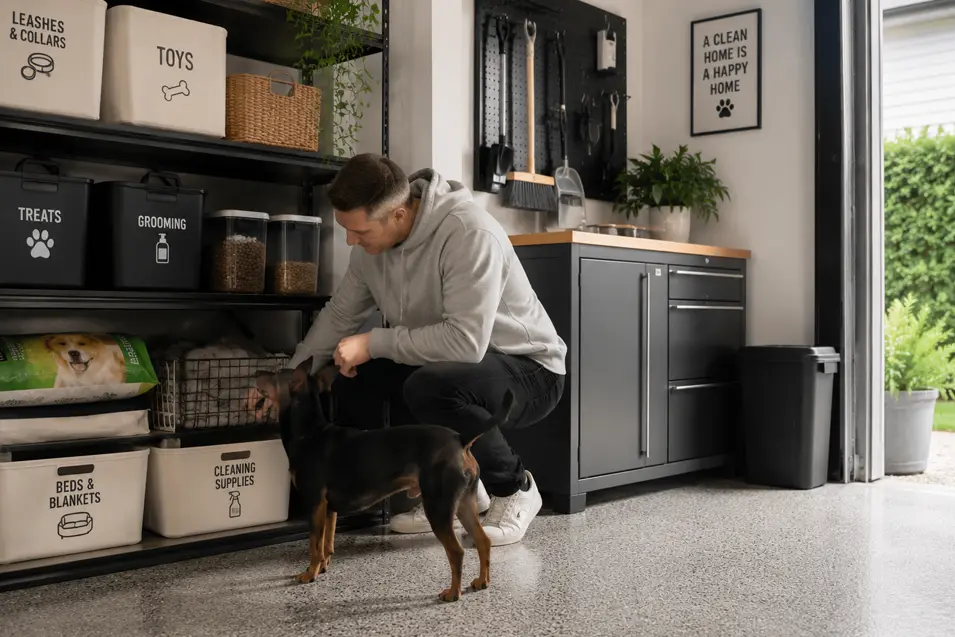
Creating a Safer Garage for Pets
Pet-proofing a garage doesn’t require major renovations.
Important safety steps include:
- Locking away chemicals
- Cleaning spills immediately
- Securing tools
- Anchoring shelving
- Managing electrical cords
- Monitoring garage door access
Routine inspections can help identify hazards before accidents occur.
Small improvements often make a significant difference.
Protecting Pets from Garage Dangers
The garage may be one of the most hazardous areas in a pet-friendly home. From toxic chemicals and automotive fluids to sharp tools, electrical hazards, and escape opportunities, the risks are numerous and often hidden from view.
Fortunately, awareness and prevention go a long way toward improving safety. By securing dangerous materials, organizing storage, controlling access, and maintaining a clean environment, you can greatly reduce the likelihood of accidents.
A safer garage protects more than your belongings—it helps ensure that your pets can explore their world without encountering hidden dangers that could put their health and safety at risk.