For many pet owners, dogs are family members. Whether you’re relocating across the country, taking a vacation, or visiting friends and family, leaving your dog behind isn’t always an option. Fortunately, air travel with dogs has become increasingly common, and many airlines now offer accommodations for pets traveling in the cabin or cargo hold.
However, flying with a dog requires careful planning. Airline policies vary, health requirements can be strict, and even the most well-behaved dog may find air travel stressful. Understanding what to expect before your trip can help ensure a safer and more comfortable experience for both you and your pet.
This guide covers everything you need to know about flying with dogs, from choosing the right flight to preparing your dog for takeoff.
Can Dogs Fly on Airplanes?
Yes, dogs can fly on airplanes, although the rules vary depending on the airline, the size of your dog, and your destination.
Most airlines offer one or more of the following options:
- In-cabin travel
- Checked baggage travel
- Cargo transportation
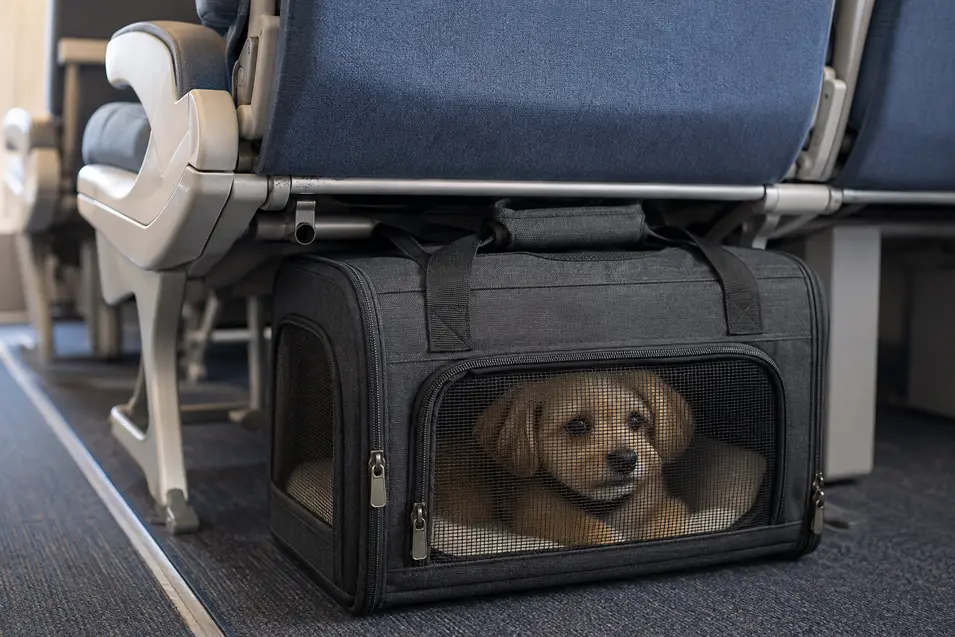
Small dogs are often allowed to travel inside the cabin beneath the seat in front of their owner, while larger dogs may need to travel in a climate-controlled cargo compartment.
Before booking any flight, verify the airline’s current pet policy. Requirements change frequently and some routes may have restrictions based on weather, aircraft type, or destination.
Cabin Travel vs. Cargo Travel
One of the first decisions you’ll need to make is whether your dog can travel in the cabin or must fly in cargo.
Flying in the Cabin
Cabin travel is generally considered the preferred option whenever possible.
Benefits include:
- Your dog remains close to you throughout the flight.
- Less stress and anxiety for many pets.
- Reduced handling by airline staff.
- Easier monitoring of your dog’s condition.
Most airlines require dogs to remain inside an approved carrier that fits underneath the seat.
Flying in Cargo
Larger dogs often have no choice but to travel in cargo.
Modern airline cargo areas used for pets are typically pressurized and temperature-controlled. However, cargo travel can be more stressful because pets are separated from their owners during the flight.
Certain airlines restrict cargo travel during periods of extreme heat or cold to protect animal safety.
Which Dogs Can Fly in the Cabin?
Airlines generally limit cabin travel to smaller dogs.
Requirements often include:
- Dog and carrier combined weight limits
- Ability to stand and turn around comfortably
- Carrier dimensions that fit beneath the seat
While exact limits vary, many airlines allow dogs weighing approximately 15 to 20 pounds, including the carrier.
Soft-sided carriers are often preferred because they fit more easily under airline seats.
Health Requirements for Flying With Dogs
Traveling with your dog involves more than purchasing a ticket.
Many airlines and destinations require documentation proving your dog is healthy enough to travel.
Common requirements include:
Health Certificates
Some airlines require a veterinarian-issued health certificate completed within a specified period before departure.
These certificates confirm your dog appears healthy and fit for travel.
Vaccination Records
Current vaccinations may be required depending on your destination.
Rabies vaccination records are among the most commonly requested documents.
Identification
Every traveling dog should wear:
- A collar with identification tags
- Updated contact information
- A temporary travel tag if necessary
Microchipping
Although not always required for domestic flights, microchipping is strongly recommended.
If your dog becomes separated from you during travel, a microchip significantly increases the chances of a safe reunion.
Booking Your Flight
Never assume you can simply show up at the airport with your dog.
Most airlines limit the number of pets allowed on each flight.
After booking your ticket:
- Contact the airline immediately.
- Reserve your dog’s spot.
- Confirm carrier requirements.
- Verify all applicable fees.
Whenever possible, choose nonstop flights to minimize stress and reduce the chance of delays or complications.
Choosing the Best Flight for Your Dog
Not all flights are equally pet-friendly.
Consider the following:
Direct Flights
Nonstop flights eliminate transfers and reduce handling.
Travel During Mild Weather
Extreme temperatures can create additional risks for dogs traveling in cargo.
Spring and fall often provide ideal conditions.
Avoid Busy Travel Periods
Holiday travel can create crowded airports and longer delays.
Less congestion generally means a smoother experience for both pets and owners.
How Much Does It Cost to Fly With a Dog?
The cost of flying with a dog varies significantly.
Potential expenses include:
- Airline pet fees
- Health certificates
- Vaccinations
- Travel carriers
- Additional baggage fees
- International permits and paperwork
Cabin fees typically range from moderate airline surcharges, while cargo transportation may cost substantially more depending on the dog’s size and destination.
International travel often involves additional expenses beyond airfare.
Choosing the Right Travel Carrier
A quality travel carrier is one of the most important investments you’ll make.
For Cabin Travel
Look for carriers that are:
- Airline approved
- Well ventilated
- Comfortable
- Leak resistant
Your dog should be able to:
- Stand
- Turn around
- Lie down comfortably
For Cargo Travel
Cargo kennels typically require:
- Hard-sided construction
- Secure latches
- Proper ventilation
- Food and water dishes
Always review your airline’s specific carrier requirements before purchasing.
Preparing Your Dog for Air Travel
Preparation should begin weeks before your departure date.
Crate Training
A dog that views their carrier as a safe space will generally handle travel much better.
Introduce the crate gradually.
Allow your dog to:
- Eat meals inside
- Rest voluntarily
- Spend increasing amounts of time in the carrier
Practice Short Trips
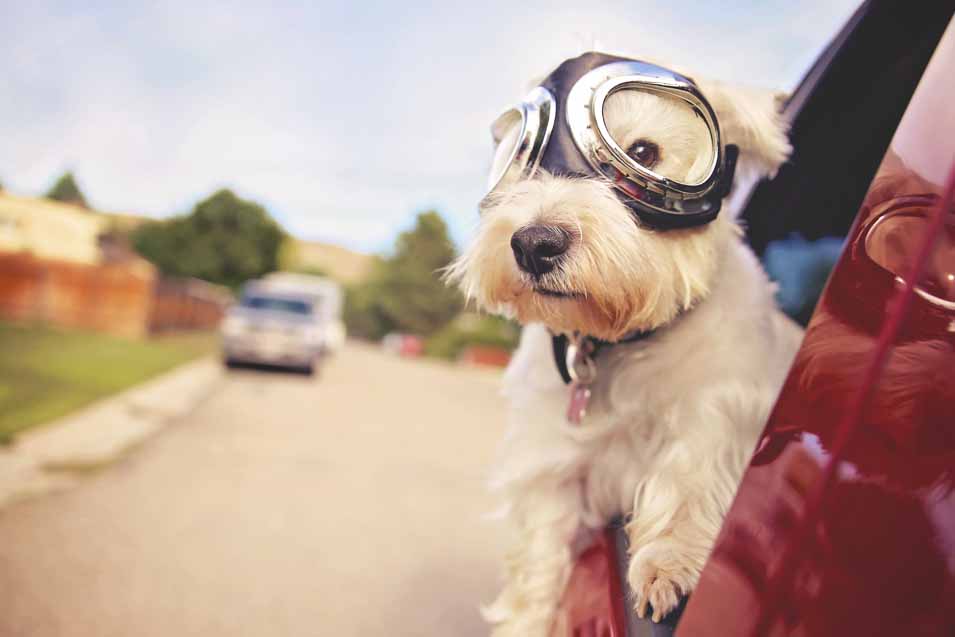
Take your dog on short car rides in the carrier.
This helps build confidence and reduces anxiety associated with confinement.
Exercise Before Travel
A well-exercised dog is often calmer during flights.
Before leaving for the airport:
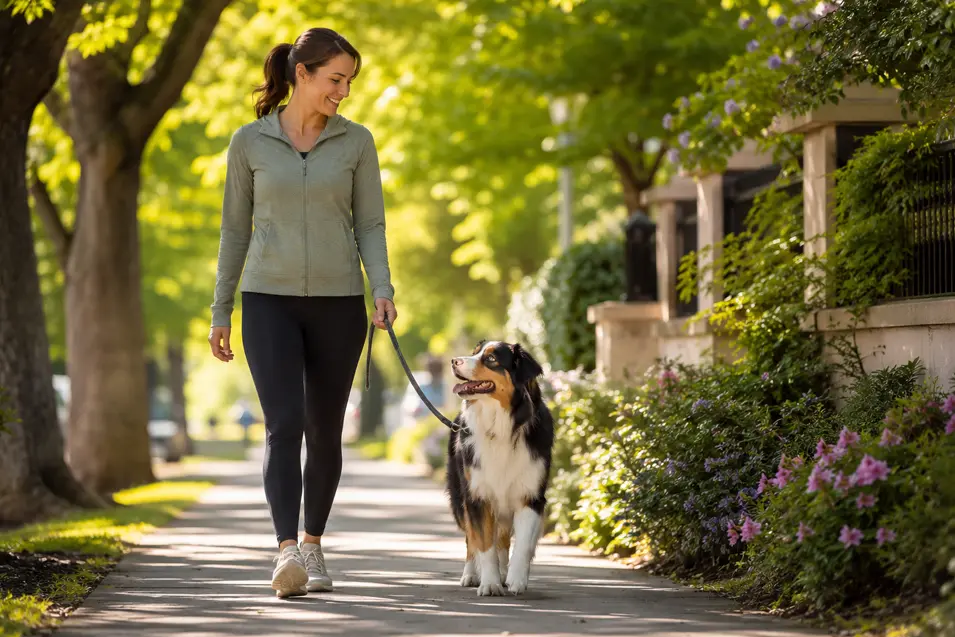
- Take a long walk
- Play fetch
- Allow bathroom breaks
Physical activity helps burn excess energy and reduce stress.
Feeding and Hydration Before a Flight
Avoid feeding large meals immediately before departure.
Many veterinarians recommend feeding several hours before travel.
This may help reduce:
- Nausea
- Digestive upset
- Accidents during transit
Fresh water should always be available before the flight.
Portable water bowls can make hydration easier during layovers and airport waits.
What to Pack for Your Dog
A travel checklist can prevent last-minute stress.
Bring:
- Health records
- Vaccination documents
- Identification tags
- Leash and harness
- Travel carrier
- Waste bags
- Portable water bowl
- Food
- Treats
- Medications
- Favorite toy or blanket
Familiar items can provide comfort during unfamiliar situations.
What Happens at Airport Security?
Many first-time travelers are surprised by the security process.
Typically:
- Remove your dog from the carrier.
- Carry or walk your dog through security screening.
- Send the carrier through the X-ray machine.
- Re-secure your dog immediately afterward.
Arriving early allows extra time for this process.
How to Keep Your Dog Calm During the Flight
Every dog responds differently to travel.
To reduce anxiety:
- Exercise before departure.
- Maintain a calm attitude.
- Bring familiar bedding.
- Use positive reinforcement.
- Keep routines as normal as possible.
Dogs often take emotional cues from their owners.
Remaining calm yourself can help your dog feel more secure.
Should You Sedate Your Dog Before Flying?
Many pet owners wonder whether sedation is a good idea.
In most situations, veterinarians do not recommend routine sedation for air travel.
Sedatives may affect:
- Breathing
- Balance
- Blood pressure
If you are concerned about severe anxiety, discuss alternatives with your veterinarian well before your trip.
Never administer medication without professional guidance.
Flying With Puppies
Puppies can fly, but age restrictions often apply.
Many airlines require puppies to be at least eight weeks old.
Because young puppies are still developing physically and emotionally, extra care should be taken to ensure:
- Proper hydration
- Comfort
- Frequent bathroom opportunities
Whenever possible, avoid unnecessary air travel with very young puppies.
Flying With Senior Dogs
Older dogs may require additional planning.
Consider:
- Mobility limitations
- Chronic medical conditions
- Medication schedules
- Temperature sensitivity
A veterinary examination before travel is especially important for senior pets.
Flying Internationally With a Dog
International travel introduces additional challenges.
Depending on your destination, requirements may include:
- Rabies certificates
- Import permits
- Microchips
- Veterinary inspections
- Waiting periods
- Quarantine regulations
Some countries have highly detailed import procedures that must be completed months in advance.
Research destination requirements thoroughly before making travel arrangements.
After You Land
Your dog’s journey isn’t over when the plane touches down.
After arrival:
- Offer fresh water.
- Allow bathroom breaks.
- Monitor for signs of stress.
- Give your dog time to rest.
Most dogs adjust quickly, but some may need a day or two to settle into a new environment.
Signs Your Dog May Be Stressed
Watch for:
- Excessive panting
- Trembling
- Whining
- Pacing
- Refusal to eat
- Digestive upset
Mild stress is common after travel.
Persistent symptoms should be discussed with your veterinarian.
Frequently Asked Questions
Is flying stressful for dogs?
It can be, particularly for dogs unfamiliar with travel. Proper preparation can significantly reduce stress.
Can large dogs fly on airplanes?
Yes. Larger dogs often travel in cargo or specialized pet transportation services.
Is cargo travel safe for dogs?
Modern cargo compartments are generally pressurized and climate-controlled, but owners should carefully evaluate airline policies and weather conditions.
Should I give my dog a sedative before flying?
Most veterinarians discourage routine sedation because it can increase health risks during air travel.
Can puppies fly on airplanes?
Yes, provided they meet airline age requirements and are healthy enough for travel.
Final Thoughts
Flying with a dog requires preparation, patience, and attention to detail, but millions of pets travel safely every year. By choosing the right flight, preparing your dog in advance, understanding airline requirements, and prioritizing your pet’s comfort, you can make air travel a positive experience for everyone involved.
Whether you’re taking a family vacation, relocating to a new city, or embarking on an international adventure, thoughtful planning can help ensure your dog arrives safely, comfortably, and ready to enjoy the journey ahead.