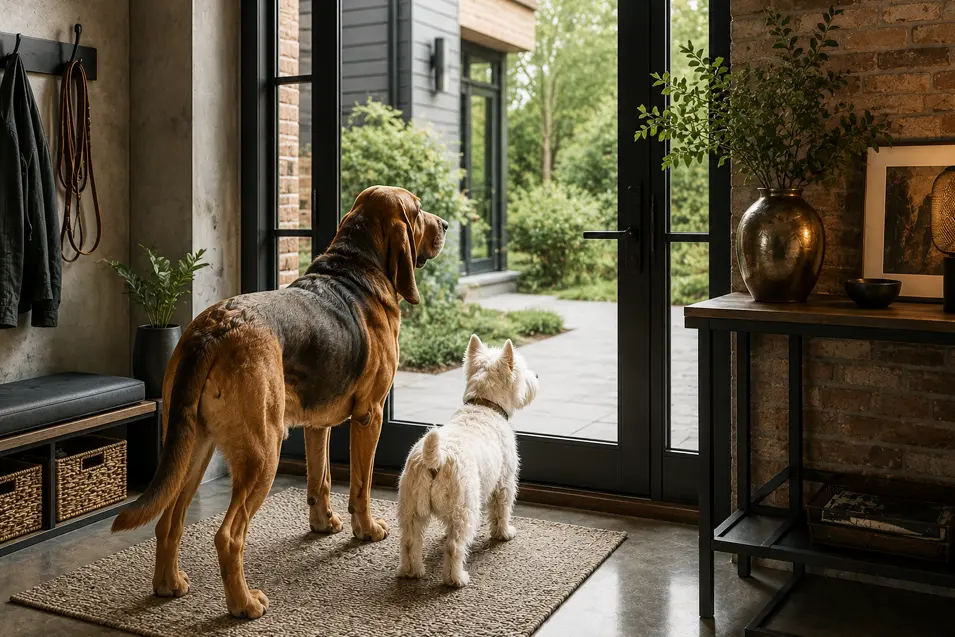
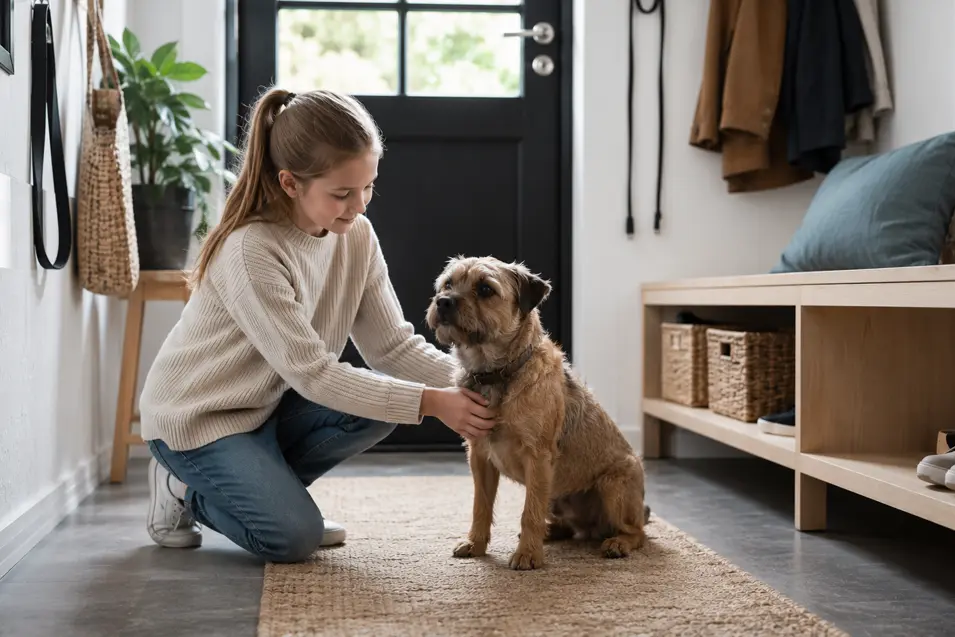
The entryway is one of the busiest areas in any home. It’s where family members come and go, guests arrive, packages are delivered, and pets eagerly gather in anticipation of walks and outdoor adventures. Because so much activity takes place in this space, it’s easy to overlook potential dangers that may pose risks to dogs and cats.
While most pet owners focus on safety concerns such as toxic plants, cleaning products, or backyard fencing, the entryway often contains hidden hazards that can lead to injuries, escapes, or accidents. Wet floors, loose equipment, clutter, and improperly stored supplies can all create problems for curious pets.
Fortunately, many entryway hazards are easy to identify and correct. With a few simple adjustments, homeowners can create a safer environment that supports both pet safety and daily convenience.
Why Entryways Can Be Risky for Pets
Entryways serve as transition zones between indoor and outdoor environments.
This means they often contain:
- Foot traffic
- Shoes and boots
- Pet gear
- Cleaning supplies
- Wet surfaces
- Packages and deliveries
Because pets frequently gather near doors, they may be exposed to these hazards more often than in other areas of the home.
Dogs often become excited when people arrive or prepare for walks, while cats may be drawn to open doors and new scents. This combination of activity and excitement increases the potential for accidents.
Slip and Fall Hazards
One of the most common entryway dangers is slippery flooring.
Rain, snow, mud, and wet shoes can leave moisture on floors, creating conditions that increase the risk of falls.
Pets may be particularly vulnerable when:
- Running toward the door
- Greeting visitors
- Chasing family members
- Returning from walks
Senior pets and animals with arthritis or mobility issues are especially susceptible to injuries caused by slipping.
To improve safety:
- Use absorbent mats.
- Clean spills promptly.
- Choose slip-resistant flooring.
- Keep entryways dry whenever possible.
A little attention to traction can significantly reduce accident risks.
Escape Opportunities
Few hazards are more frightening than a pet slipping outside through an open door.
Entryways naturally create opportunities for escapes because doors are opened frequently throughout the day.
Common escape situations include:
- Greeting visitors
- Receiving deliveries
- Carrying groceries
- Moving furniture
- Leaving for walks
Dogs may bolt toward excitement outdoors, while cats often take advantage of momentary distractions.
Preventive measures include:
- Teaching door manners
- Using baby gates
- Creating buffer zones
- Supervising pets during high-traffic periods
Proper identification and microchipping also provide important protection if an escape occurs.
Clutter and Tripping Hazards
Entryways can quickly become cluttered with everyday items.
Examples include:
- Shoes
- Bags
- Pet gear
- Sports equipment
- Umbrellas
- Packages
While clutter may seem harmless, it can create obstacles for both pets and people.
Pets may trip over items, become tangled in straps, or knock objects over while moving through the space.
Maintaining clear walkways helps improve safety and makes the area easier to navigate.
Leashes and Cords
Leashes are essential tools for dog owners, but they can become hazards when improperly stored.
Loose leashes left on the floor may:
- Cause tripping
- Become tangled around pets
- Encourage chewing
Electrical cords and charging cables near entryways can create similar problems.
Using wall hooks, cord organizers, and dedicated storage solutions helps reduce these risks.
Toxic Ice Melt and De-Icing Products
During winter months, many homeowners use ice melt products around entrances and walkways.
Some de-icing products can irritate paws or become harmful if pets lick them after outdoor exposure.
Potential issues include:
- Paw irritation
- Digestive upset
- Chemical exposure
Pet-friendly ice melt products may offer a safer alternative.
Wiping paws after walks can also help reduce exposure.
Cleaning Products and Supplies
Many homeowners store cleaning products near entryways for convenience.
Common items may include:
- Floor cleaners
- Disinfectants
- Odor removers
- Stain removers
If left within reach, these products can present poisoning risks.
Store cleaning supplies in:
- Closed cabinets
- Elevated storage areas
- Locked containers if necessary
Proper storage protects both pets and children.
Sharp Objects and Small Items
Entryways often collect small objects that can become hazards.
Examples include:
- Keys
- Coins
- Decorative items
- Hardware
- Pins
- Batteries
Curious pets may chew or swallow these items, creating choking hazards or internal injuries.
Regularly inspecting the area for loose objects can help prevent accidents.
Heavy Decorative Items
Decorative benches, coat racks, mirrors, and shelving can create risks if unstable.
Large dogs may bump into furniture while playing or greeting guests, potentially causing items to fall.
Secure heavy objects whenever possible and ensure furniture remains stable.
Wall-mounted items should be properly anchored to prevent tipping.
Seasonal Hazards
The types of dangers present in an entryway often change throughout the year.
Winter
- Wet floors
- Ice melt products
- Heavy boots
- Slippery surfaces
Spring
- Mud
- Wet gear
- Increased outdoor debris
Summer
- Hot surfaces
- Outdoor chemicals
- Travel equipment
Fall
- Leaves
- Hiking gear
- Increased outdoor activity
Seasonal awareness helps homeowners anticipate and manage changing risks.
Pet Excitement and Overstimulation
Many pets become highly excited when people enter or leave the home.
This excitement can lead to:
- Jumping
- Slipping
- Running
- Escaping
- Collisions with people or objects
Training pets to remain calm near doors can significantly improve safety.
Commands such as “stay,” “wait,” or “place” can help reduce impulsive behavior during busy moments.
Creating a Safer Entryway
Improving entryway safety doesn’t require major renovations.
Simple changes can make a meaningful difference:
- Keep walkways clear.
- Use slip-resistant mats.
- Secure pet gear properly.
- Store chemicals safely.
- Monitor open doors.
- Remove small objects.
- Anchor heavy furniture.
- Maintain good lighting.
These measures help create a safer environment for everyone.
The Benefits of a Pet-Safe Entryway
A well-designed entryway provides more than safety.
It can also:
- Reduce stress
- Improve organization
- Simplify daily routines
- Minimize dirt and clutter
- Support better pet behavior
When safety and functionality work together, the entire household benefits.
The Bottom Line
The entryway may seem like a simple pass-through space, but it often contains numerous hidden hazards for pets. Slippery floors, open doors, clutter, toxic products, loose gear, and seasonal dangers can all create risks for curious dogs and cats.
By identifying these potential problems and making a few thoughtful improvements, homeowners can transform the entryway into a safer and more functional part of the home. A pet-safe entryway not only helps prevent accidents but also creates a smoother transition between outdoor adventures and indoor comfort for every member of the family.