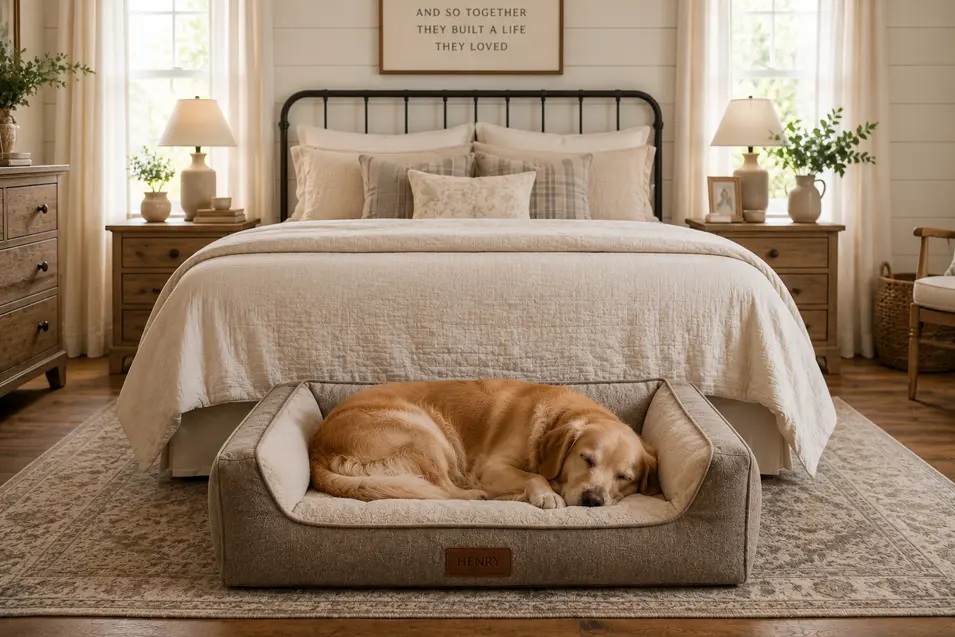
You’re relaxing on the couch when you notice your dog sleeping peacefully nearby.
Suddenly, their paws start twitching.
Their ears flick.
A quiet bark escapes.
For a moment, it looks like they’re chasing something in their sleep.
It’s a scene most dog owners have witnessed at some point, and it naturally raises an interesting question:
Do dogs dream?
According to scientists, the answer is almost certainly yes.
While we can’t ask dogs what they dream about, research suggests that dogs experience sleep cycles remarkably similar to our own, including stages associated with dreaming.
What Science Says About Dog Dreams
Scientists have studied sleep patterns in many animals, including dogs.
Like humans, dogs experience different stages of sleep, including:
- Light sleep
- Deep sleep
- Rapid Eye Movement (REM) sleep
REM sleep is particularly important because it’s the stage most closely associated with dreaming in humans.
During REM sleep, brain activity increases, eyes move beneath closed eyelids, and dreams are believed to occur.
Researchers have found that dogs also enter REM sleep, suggesting they experience dreams of their own.
Why Do Dogs Twitch While Sleeping?
If you’ve ever watched a sleeping dog, you’ve probably noticed:
- Paw twitching
- Tail wagging
- Ear movements
- Whisker twitching
- Soft barking or whining
These movements often occur during REM sleep.
While no one knows exactly what a dog is dreaming about, these physical reactions suggest their brain is actively processing experiences while they rest.
In many ways, it appears similar to the way humans react to dreams.
What Do Dogs Dream About?
This is where things get interesting.
Although scientists can’t directly observe the content of a dog’s dreams, researchers believe dogs likely dream about things that are important in their daily lives.
That may include:
- Playing fetch
- Going for walks
- Chasing squirrels
- Meeting other dogs
- Eating treats
- Spending time with family
In other words, your dog is probably not dreaming about filing taxes or answering emails.
They’re likely dreaming about being a dog.
Do Puppies Dream More Than Adult Dogs?
Many experts believe puppies may dream more frequently than adult dogs.
Puppies spend a large portion of their sleep in REM stages, and they are constantly processing new experiences as they learn about the world.
A young puppy’s brain has a lot of information to organize, making sleep—and potentially dreaming—especially important.
If you’ve ever watched a sleeping puppy twitch, kick, or make tiny barking sounds, dreaming may be part of the explanation.
Do Older Dogs Dream?
Absolutely.
Senior dogs continue to experience REM sleep and likely continue dreaming throughout their lives.
In fact, older dogs may occasionally show more noticeable sleep movements because age-related changes can reduce some of the natural mechanisms that limit physical movement during dreams.
Can Dogs Have Nightmares?
It’s possible.
Just as dogs likely dream about positive experiences, they may occasionally dream about stressful or frightening events.
Signs that a dog may be having an unpleasant dream include:
- Whining
- Growling
- Sudden body movements
- Distressed vocalizations
However, it’s impossible to know exactly what they’re experiencing.
Fortunately, most dream-related movements are brief and harmless.
Should You Wake a Dreaming Dog?
Generally, no.
A sleeping dog that appears to be dreaming should usually be allowed to wake naturally.
Just as people can feel disoriented when abruptly awakened, dogs may become confused if startled from a deep sleep.
In rare cases, a startled dog may react instinctively before fully waking up.
If you’re concerned about your dog’s well-being, it’s usually better to gently call their name from a distance rather than touching them directly.
Which Dogs Dream the Most?
Interestingly, research suggests that smaller dogs may dream more frequently, but their dreams tend to be shorter.
Larger dogs often appear to have longer dreams but may experience them less often.
Breed, age, activity level, and individual personality can all influence sleep patterns.
Why Sleep Is So Important for Dogs
Whether they’re dreaming or not, sleep plays a vital role in your dog’s health.
Quality sleep helps support:
- Memory
- Learning
- Physical recovery
- Immune function
- Emotional well-being
Most adult dogs spend between 12 and 14 hours sleeping each day, while puppies and senior dogs often sleep even more.
The Bottom Line
While we may never know exactly what dogs dream about, science strongly suggests that they do dream. Like humans, dogs experience REM sleep, display dream-related movements, and appear to process daily experiences while they rest.
So the next time you see your dog twitching, wagging their tail, or quietly barking in their sleep, there’s a good chance they’re enjoying a dream of their own.
And if they’re running through a field, chasing a tennis ball, and enjoying unlimited treats in that dream?
Well, that sounds like a pretty good night to be a dog.