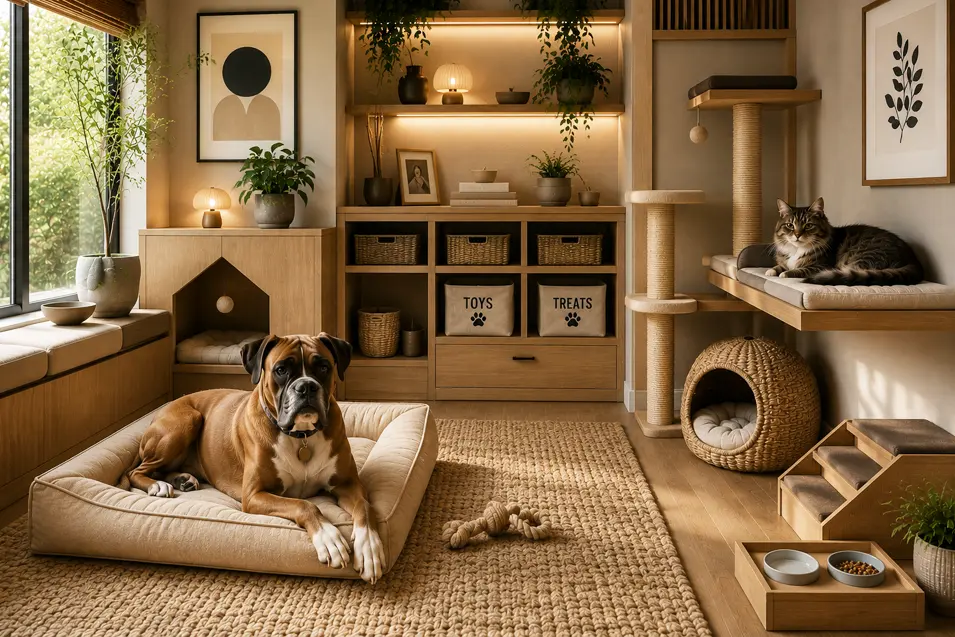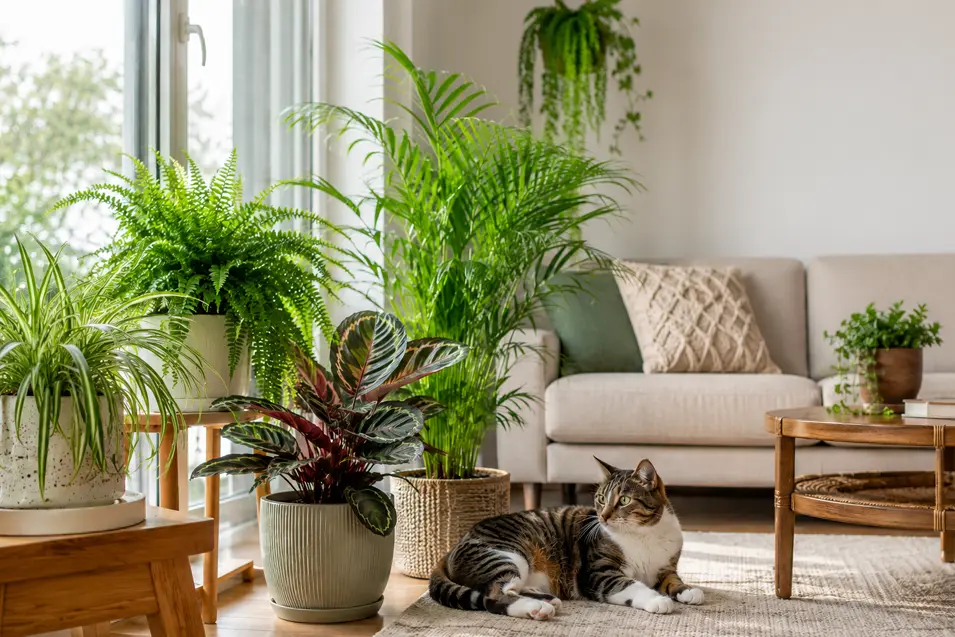
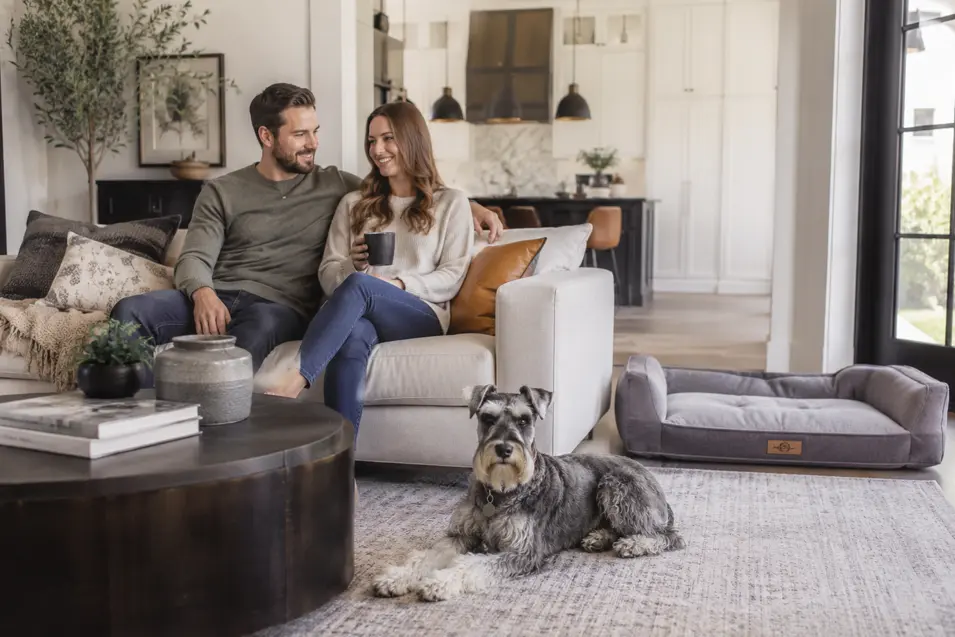
For many families, pets are more than companions—they’re members of the household. Dogs greet us at the door, cats claim favorite spots on the couch, and pets often influence how we use our living spaces. Yet many homes are designed primarily with people in mind, leaving pet owners to adapt their spaces after the fact.
The best homes don’t force homeowners to choose between beautiful design and practical pet ownership. With thoughtful planning, it’s possible to create spaces that are comfortable, functional, and attractive while accommodating the needs of both pets and people.
Whether you’re building a new home, renovating an existing one, or simply looking for ways to improve everyday living, designing with pets in mind can lead to a more organized, durable, and enjoyable home for everyone.
Why Pet-Friendly Design Matters
Pets affect nearly every aspect of daily life.
They influence:
- Traffic patterns
- Cleaning routines
- Furniture choices
- Storage needs
- Flooring requirements
- Outdoor access
When a home’s design reflects these realities, life becomes significantly easier.
A well-designed pet-friendly home can:
- Reduce maintenance
- Improve organization
- Increase safety
- Simplify routines
- Enhance comfort
The goal is not to create a home solely for pets, but rather to create one that works well for every member of the family.
Start With Durable Flooring
Flooring is often the foundation of successful pet-friendly design.
Dogs and cats can introduce:
- Mud
- Dirt
- Water
- Scratches
- Pet hair
- Everyday wear
Popular flooring choices include:
Luxury Vinyl Plank
- Waterproof
- Scratch resistant
- Comfortable underfoot
- Easy to clean
Porcelain Tile
- Highly durable
- Water resistant
- Long-lasting
Waterproof Laminate
- Attractive appearance
- Good durability
- Lower maintenance
Choosing the right flooring can significantly reduce future maintenance and repair costs.
Design Practical Entryways
The entryway serves as a transition zone between indoor and outdoor environments.
For pet owners, this area should help manage:
- Muddy paws
- Wet fur
- Leashes
- Outdoor gear
- Daily traffic
Useful entryway features include:
- Durable flooring
- Storage benches
- Hooks for leashes
- Towel storage
- Paw-cleaning stations
A functional entryway helps prevent dirt from spreading throughout the house.
Create Dedicated Storage for Pet Supplies
Pets often come with a surprising amount of equipment.
Common items include:
- Food
- Treats
- Toys
- Grooming supplies
- Travel gear
- Seasonal accessories
- Medications
Without proper storage, supplies can quickly create clutter.
Consider adding:
- Pet supply closets
- Built-in cabinets
- Mudroom storage
- Storage benches
- Labeled containers
Organized storage helps keep pet essentials accessible while maintaining a clean appearance.
Incorporate Comfortable Resting Areas
Most pets naturally seek comfortable places to relax near family members.
Rather than treating pet beds as afterthoughts, consider incorporating designated resting areas into the home’s design.
Examples include:
- Built-in sleeping nooks
- Window perches for cats
- Under-stair retreats
- Dedicated pet corners
- Comfortable lounge areas
Providing intentional spaces can help reduce congestion while making pets feel included.
Think About Traffic Flow
Good home design considers how people move through a space.
Pet-friendly design should also consider how pets navigate the home.
Questions to consider include:
- Where do pets sleep?
- Where are food and water located?
- How do pets access outdoor areas?
- Where do family members interact with pets most often?
Creating logical pathways can improve both convenience and safety.
Design Pet-Friendly Living Rooms
Living rooms are often where families spend the most time together.
Pet-friendly living room features may include:
- Durable upholstery
- Washable slipcovers
- Easy-to-clean flooring
- Storage for toys
- Comfortable pet resting areas
Choosing durable materials can help maintain the room’s appearance while reducing stress about everyday wear.
Upgrade the Laundry Room
Laundry rooms can become valuable pet-care centers.
Many homeowners now incorporate:
- Pet washing stations
- Grooming areas
- Supply storage
- Feeding stations
- Cleanup zones
Combining pet-related functions into one area can simplify routines and reduce messes elsewhere in the home.
Consider a Mudroom
If space allows, a mudroom can be one of the most useful additions for pet owners.
Benefits include:
- Containing dirt
- Organizing gear
- Providing storage
- Creating cleanup zones
Mudrooms serve as practical buffers between outdoor adventures and indoor living spaces.
Make Outdoor Access Convenient
Pets often move between indoor and outdoor environments multiple times each day.
Thoughtful design can improve these transitions.
Features to consider include:
- Secure fencing
- Pet doors
- Covered patios
- Durable pathways
- Outdoor cleanup areas
Convenient access encourages outdoor activity while minimizing disruption inside the home.
Build in Feeding Stations
Food and water bowls often create clutter when placed in high-traffic areas.
Dedicated feeding stations can help.
Popular options include:
- Built-in cabinetry
- Pull-out feeding drawers
- Mudroom feeding areas
- Kitchen feeding nooks
These solutions improve organization while helping feeding areas blend into the home’s design.
Prioritize Safety
Safety should always be a key component of pet-friendly design.
Potential improvements include:
- Non-slip flooring
- Secure storage for chemicals
- Covered electrical cords
- Stable furniture
- Pet-safe materials
Reducing hazards helps protect both pets and family members.
Improve Cleaning Efficiency
Pet owners spend considerable time cleaning.
Design choices that simplify maintenance can save significant time over the years.
Examples include:
- Washable surfaces
- Durable finishes
- Easy-clean flooring
- Built-in storage
- Stain-resistant materials
The easier a home is to maintain, the more enjoyable it becomes.
Plan for Aging Pets
Many homeowners design for puppies and kittens without considering future needs.
As pets age, mobility challenges may develop.
Helpful features include:
- Slip-resistant flooring
- Accessible feeding stations
- Wider pathways
- Easy outdoor access
- Comfortable resting areas
Planning ahead can help pets remain comfortable throughout their lives.
Balance Design and Reality
One of the most common mistakes homeowners make is focusing exclusively on appearance.
Beautiful spaces are important, but so is functionality.
The best homes recognize that:
- Pets shed
- Dogs track in dirt
- Cats climb
- Supplies require storage
- Accidents occasionally happen
Designing with these realities in mind often leads to spaces that are both beautiful and practical.
Every Household Is Different
The ideal design depends on your specific lifestyle.
A household with:
- Multiple large dogs
- Indoor cats
- Senior pets
- Active outdoor pets
will have different needs than a home with a single small companion animal.
Customizing your design around your actual routine produces the best results.
The Bottom Line
Designing a home that works for pets and people is about creating a balance between style, comfort, durability, and practicality. By choosing durable materials, incorporating smart storage, improving traffic flow, and creating dedicated spaces for pet care, homeowners can build environments that support the needs of every family member.
A truly successful pet-friendly home doesn’t feel like a compromise. Instead, it creates a space where pets and people can live comfortably together while enjoying a home that remains organized, attractive, and functional for years to come.