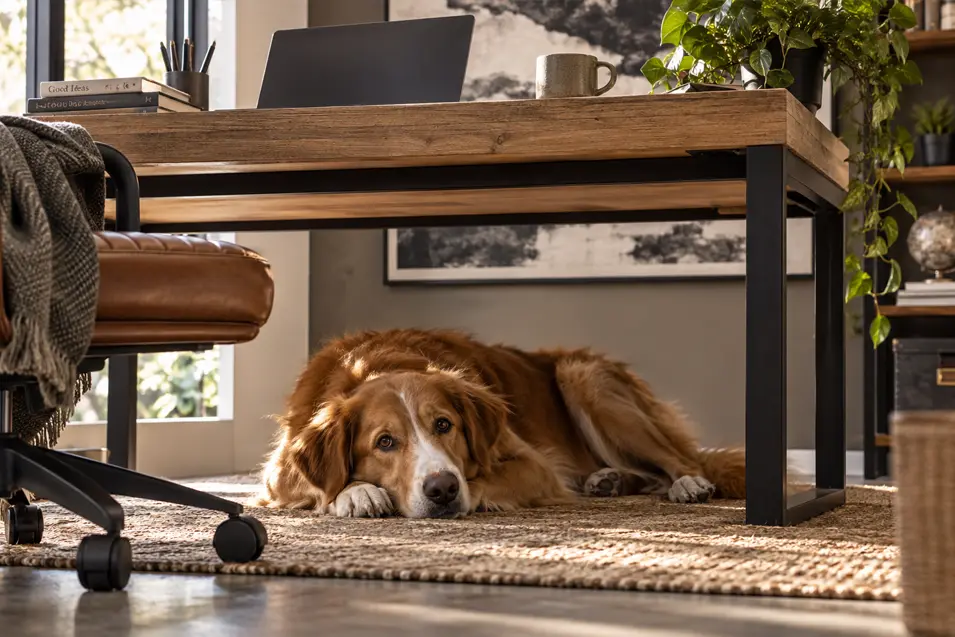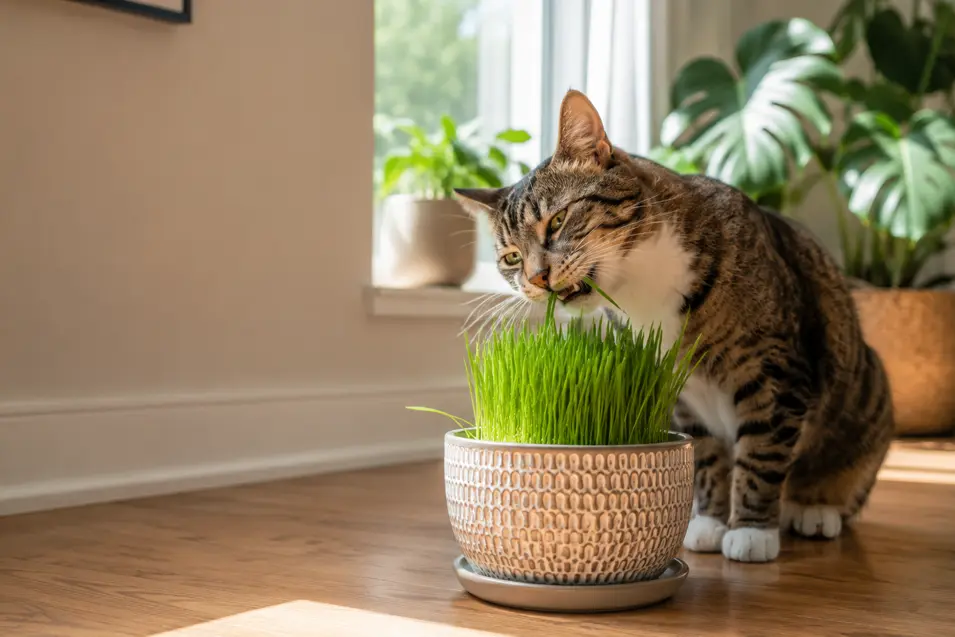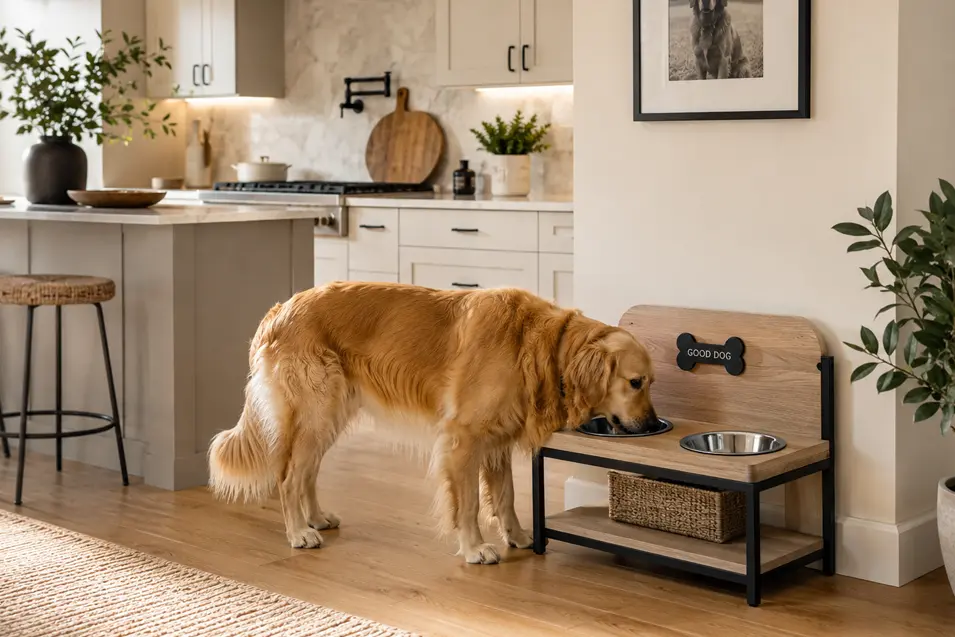
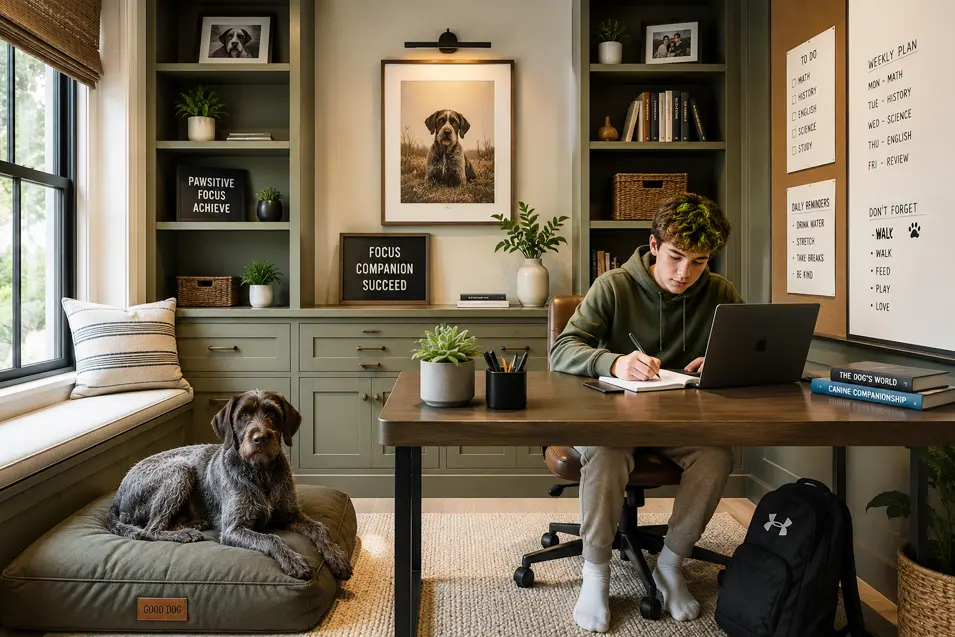
For many teenagers, pets are more than companions—they’re trusted friends, stress relievers, and constant sources of comfort. Whether it’s a dog napping beside a desk, a cat lounging near a laptop, or a small pet quietly observing from a nearby enclosure, animals often become part of a teen’s daily routine.
Studies and personal experience alike suggest that spending time with pets can help reduce stress, improve mood, and create a sense of calm. These benefits can be especially valuable during homework sessions, exam preparation, and other academic challenges. However, creating a study area that accommodates both learning and pet companionship requires thoughtful planning.
A well-designed pet-friendly study space allows teens to stay productive while ensuring their pets remain safe, comfortable, and happy. With the right setup, it’s possible to create an environment that supports focus without sacrificing the joy of having a furry friend nearby.
Why Include Pets in a Study Space?
Many teens naturally prefer studying in the company of their pets.
Benefits may include:
- Reduced stress and anxiety
- Increased feelings of comfort
- Improved emotional well-being
- Positive study routines
- Companionship during long homework sessions
For some students, simply having a pet nearby can make studying feel less isolating and more enjoyable.
The key is finding ways to include pets without creating unnecessary distractions.
Choose the Right Location
The first step in creating a pet-friendly study space is selecting an appropriate location.
Ideally, the study area should provide:
- Good lighting
- Minimal household distractions
- Comfortable seating
- Enough room for both the teen and the pet
Common locations include:
- A bedroom desk area
- A home office corner
- A finished basement study nook
- A quiet family room workspace
Choose a location where pets can comfortably rest without interfering with study materials or electronics.
Create a Dedicated Pet Area Nearby
Rather than allowing pets to wander across the desk or work surface, create a designated area specifically for them.
Depending on the pet, this may include:
- A comfortable dog bed
- A cat bed or perch
- A small pet enclosure
- A blanket or cushion
- A nearby crate with the door open
Providing a dedicated space helps pets remain close while encouraging appropriate behavior during study sessions.
It also helps maintain a more organized workspace.
Ensure Comfortable Seating for Both
Comfort plays an important role in concentration.
While the teen needs an ergonomic chair and properly positioned desk, pets also benefit from a comfortable place to rest.
Consider:
- Orthopedic beds for older dogs
- Soft cushions for cats
- Elevated cat perches
- Washable blankets
When pets are comfortable, they are less likely to seek attention or interrupt studying.
Manage Electrical Cords and Technology
Study spaces often contain multiple electronic devices.
Common items include:
- Computers
- Monitors
- Chargers
- Printers
- Lamps
- Headphones
Curious pets may chew cords or become tangled in wires.
Improve safety by:
- Using cord covers
- Securing cables behind furniture
- Keeping chargers out of reach
- Organizing cords with cable management systems
This protects both pets and expensive electronics.
Keep Study Materials Safe
Pets can be surprisingly interested in school supplies.
Dogs may chew notebooks, while cats often enjoy batting pens, pencils, and paper clips across the room.
Store supplies securely, including:
- Pens and pencils
- Scissors
- Markers
- Sticky notes
- Paper clips
- Charging accessories
Desk organizers and storage drawers can help keep materials protected while reducing clutter.
Minimize Potential Distractions
While pets can provide comfort, they can also become distractions if the environment isn’t structured properly.
Common distractions include:
- Barking
- Play requests
- Toys scattered around the workspace
- Pets jumping onto desks
Establishing clear boundaries helps maintain productivity.
For example:
- Keep toys in a designated storage area.
- Schedule playtime before study sessions.
- Encourage pets to relax in their own space.
A predictable routine benefits both the student and the pet.
Include Natural Light
Natural light can improve the overall atmosphere of a study area.
Benefits include:
- Reduced eye strain
- Improved mood
- Enhanced focus
- A more inviting environment
Pets often enjoy sunny spots as well.
Positioning a pet bed near a window can provide entertainment and comfort while allowing pets to remain settled during study time.
Just ensure direct sunlight doesn’t overheat the area.
Add Storage for Pet Supplies
A pet-friendly study space often works best when essential supplies are nearby.
Useful storage items include:
- Treat containers
- Waste bags
- Grooming brushes
- Toys
- Water bowls
Small storage baskets or shelves can help keep these items organized without creating clutter.
Having supplies readily available can reduce interruptions during study sessions.
Provide Fresh Water
If pets regularly spend time in the study area, access to fresh water is important.
Consider:
- Spill-resistant bowls
- Elevated water stations
- Water fountains for cats
Hydration helps keep pets comfortable and reduces the likelihood that they will leave the room searching for water.
Position bowls away from electronics and school materials to prevent accidental spills.
Create a Cat-Friendly Vertical Space
For households with cats, vertical space can be especially valuable.
Many cats prefer observing activities from elevated locations.
Consider adding:
- Cat shelves
- Window perches
- Small cat trees
- Elevated beds
Providing alternative vantage points reduces the likelihood that cats will attempt to occupy the desk itself.
It also satisfies natural climbing instincts.
Control Noise Levels
A calm environment supports concentration.
To reduce disruptions:
- Close doors when appropriate.
- Use soft furnishings to absorb sound.
- Keep noisy toys elsewhere.
- Consider white noise if needed.
Dogs and cats often respond positively to calm environments, making it easier for them to settle nearby.
Keep Safety a Priority
Every study area should be evaluated for potential hazards.
Watch for:
- Toxic plants
- Loose cords
- Small choking hazards
- Open beverages
- Sharp objects
Regular inspections can help ensure the space remains safe for both pets and students.
Prevention is always easier than dealing with an accident.
Encourage Positive Associations
A study space should be a place where both the teen and the pet feel comfortable.
Positive habits may include:
- Offering treats when pets settle calmly
- Maintaining consistent routines
- Providing comfortable resting spots
- Scheduling regular breaks for interaction
Over time, pets often learn that study sessions are quiet periods for resting and companionship.
Supporting Learning and Companionship
A pet-friendly study space can provide the best of both worlds: a productive environment for learning and a comforting place where teens can enjoy the company of their beloved pets. By incorporating dedicated pet areas, organized storage, safe technology management, and comfortable resting spots, it’s possible to create a workspace that supports both academic success and pet well-being.
The goal isn’t simply to allow pets into the study area—it’s to thoughtfully design a space where they can coexist comfortably with daily learning activities. When done well, a pet-friendly study space becomes more than just a homework station. It becomes a welcoming environment where focus, comfort, and companionship come together to support a teen’s success both in and out of the classroom.