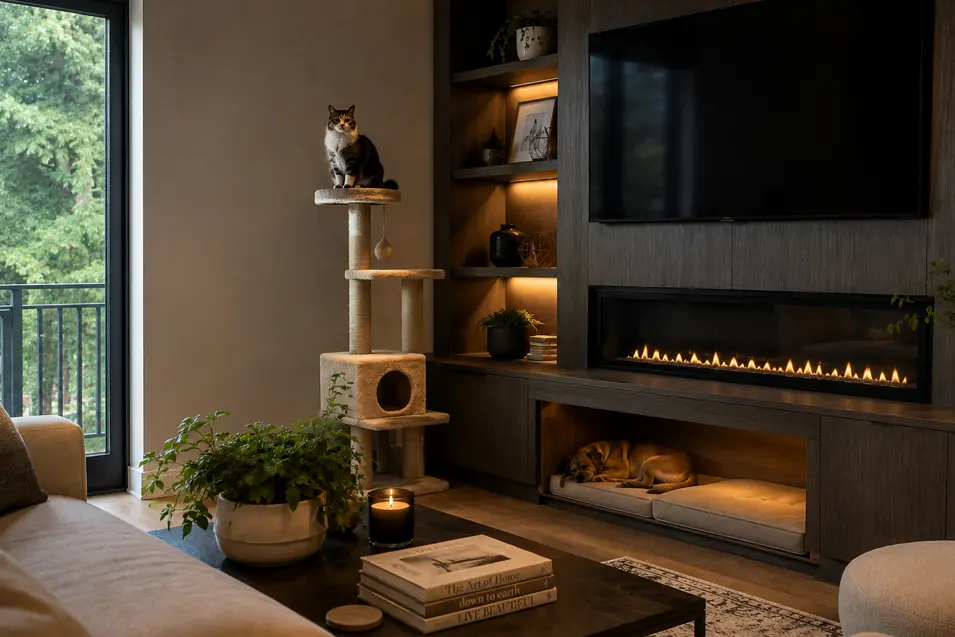

Just like humans, pets need quality sleep to support their physical health, emotional well-being, and overall quality of life. Dogs and cats spend a significant portion of their day resting, and the environment in which they sleep can have a major impact on how comfortable and secure they feel.
Whether you’re caring for a playful puppy, an active adult dog, a senior cat, or a rescue pet adjusting to a new home, creating a better sleeping environment can help promote deeper rest, reduce stress, and improve overall wellness.
Why Sleep Is So Important for Pets
Sleep plays a critical role in a pet’s health. During periods of rest, the body repairs tissues, strengthens the immune system, and processes daily experiences.
Adequate sleep helps support:
- Healthy brain function
- Emotional stability
- Physical recovery
- Immune system health
- Learning and memory
- Energy levels
When pets don’t get enough quality rest, they may become irritable, anxious, less active, or more prone to health issues.
Understanding Pet Sleep Needs
Different pets require different amounts of sleep.
On average:
- Adult dogs sleep 12–14 hours per day
- Puppies may sleep 18–20 hours per day
- Senior dogs often need additional rest
- Adult cats typically sleep 12–16 hours daily
- Kittens may sleep up to 20 hours each day
Providing a comfortable environment allows pets to get the restorative sleep they need.
Choose the Right Sleeping Location
One of the most important factors in creating a better sleeping environment is selecting the right location.
Ideal sleeping areas are:
- Quiet
- Low-traffic
- Comfortable
- Free from excessive noise
- Away from household disruptions
While some pets enjoy sleeping near family members, others prefer a secluded area where they can relax undisturbed.
Invest in a Comfortable Bed
A quality pet bed can significantly improve sleep quality.
Consider your pet’s:
- Size
- Age
- Sleeping position
- Mobility needs
Common options include:
Orthopedic Beds
Excellent for senior pets and those with arthritis or joint issues.
Bolster Beds
Provide extra support and a sense of security for pets that enjoy leaning against soft surfaces.
Cooling Beds
Ideal for pets that overheat easily or live in warmer climates.
Heated Beds
Helpful for older pets and those living in colder environments.
Choosing a bed that supports your pet’s body can improve comfort and encourage better rest.
Maintain a Comfortable Temperature
Temperature can have a significant effect on sleep quality.
Most pets sleep best in environments that are:
- Not too hot
- Not too cold
- Well ventilated
Adjust bedding and sleeping locations seasonally to help maintain comfort throughout the year.
Reduce Noise and Disturbances
Constant noise can disrupt sleep and increase stress levels.
To create a calmer environment:
- Keep sleeping areas away from televisions and speakers
- Minimize loud nighttime activities
- Use soft furnishings to absorb sound
- Consider white noise machines in particularly noisy homes
Reducing disturbances can help pets achieve deeper, more restful sleep.
Control Lighting
Natural light helps regulate sleep patterns, but excessive brightness can interfere with rest.
Many pets prefer sleeping areas that are:
- Dimly lit
- Shaded from direct sunlight
- Protected from bright nighttime lighting
Curtains, blinds, and thoughtful room placement can help create a more relaxing atmosphere.
Provide a Sense of Security
Pets sleep best when they feel safe.
Ways to increase comfort include:
- Keeping sleeping areas consistent
- Providing familiar blankets
- Using calming scents approved for pets
- Creating enclosed sleeping spaces for pets that enjoy privacy
A predictable environment can reduce anxiety and encourage relaxation.
Keep Sleeping Areas Clean
A clean sleeping environment promotes both comfort and health.
Regular maintenance should include:
- Washing bedding
- Vacuuming surrounding areas
- Removing pet hair
- Cleaning accidents promptly
- Checking beds for wear and damage
Fresh, clean bedding can improve comfort and reduce allergens.
Consider Multi-Pet Households
In homes with multiple pets, sleeping arrangements should accommodate each animal’s needs.
Some pets enjoy sleeping together, while others prefer personal space.
Providing multiple sleeping options can help prevent:
- Resource guarding
- Competition
- Stress
- Sleep disruptions
Allow pets to choose the sleeping arrangement that makes them most comfortable.
Support Senior Pets
Older pets often have unique sleeping requirements.
Helpful accommodations may include:
- Orthopedic bedding
- Easy access to sleeping areas
- Non-slip flooring near beds
- Additional warmth during colder months
Small adjustments can greatly improve comfort for aging pets.
Establish a Consistent Routine
Pets thrive on routine. Consistent daily schedules help regulate sleep patterns and reduce anxiety.
A predictable routine may include:
- Regular feeding times
- Daily exercise
- Evening relaxation periods
- Consistent bedtime habits
Routine creates stability and encourages healthy sleep cycles.
Signs Your Pet’s Sleeping Environment Needs Improvement
Consider making adjustments if your pet:
- Frequently changes sleeping locations
- Appears restless at night
- Struggles to get comfortable
- Avoids their bed
- Seems unusually tired during the day
- Displays signs of stress or anxiety
These behaviors may indicate that the sleeping environment is not meeting their needs.
Final Thoughts
Creating a better sleeping environment for pets is one of the simplest ways to support their overall health and happiness. By providing a comfortable bed, reducing noise and distractions, maintaining a clean sleeping area, and ensuring pets feel safe and secure, owners can help their companions enjoy the restorative rest they need. A well-rested pet is often healthier, happier, and better equipped to enjoy everyday life.