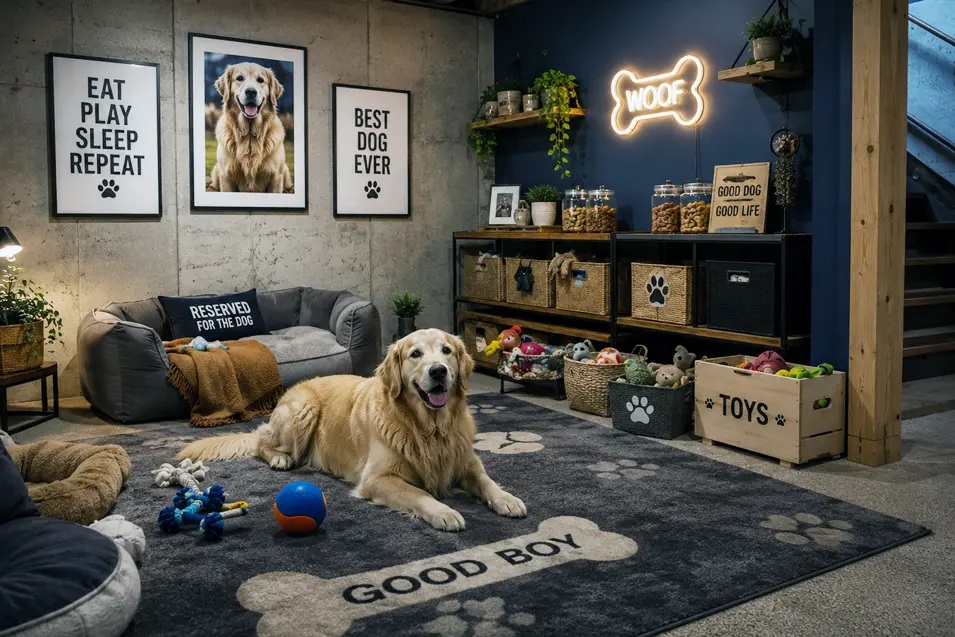
For many dog owners, the basement represents an untapped opportunity to create a dedicated indoor space where pets can play, exercise, and relax regardless of the weather outside. Whether you’re dealing with harsh winters, rainy seasons, or simply want to provide your dog with a safe area of their own, a well-designed basement play area can become a valuable addition to your home.
With thoughtful planning and a focus on safety, comfort, and enrichment, you can transform an underutilized basement into a canine-friendly retreat that supports both physical activity and mental stimulation.
Why Create a Basement Play Area?
Dogs need regular exercise and stimulation to remain healthy and happy. While outdoor walks and playtime are important, there are times when getting outside isn’t practical.
A basement play area can provide:
- Year-round exercise opportunities
- A safe place during bad weather
- Mental enrichment and stimulation
- Space for training sessions
- Relief for high-energy dogs
- A dedicated area to keep pet activities contained
For families with active dogs, having an indoor exercise zone can be especially beneficial.
Start with Safety First
Before bringing your dog into a basement play area, ensure the environment is safe and free from hazards.
Inspect the area for:
- Exposed electrical wiring
- Sharp tools or equipment
- Toxic chemicals or cleaners
- Low-hanging cords
- Uncovered sump pumps
- Small objects that could be swallowed
Any storage items that could pose a risk should be relocated or secured in locked cabinets.
Choose Dog-Friendly Flooring
Basement floors are often concrete, which can be cold, hard, and slippery for dogs.
Consider adding:
- Rubber flooring tiles
- Foam exercise mats
- Indoor/outdoor carpet
- Waterproof vinyl flooring
- Non-slip area rugs
The ideal flooring should provide traction while being easy to clean and resistant to accidents.
Create Zones for Different Activities
A well-organized play area includes spaces for various activities rather than one large open room.
Possible zones include:
Play Zone
This area can feature:
- Interactive toys
- Fetch toys
- Tug ropes
- Puzzle feeders
Rotating toys regularly helps maintain your dog’s interest.
Training Zone
Dedicate a small area to practicing:
- Obedience commands
- Agility exercises
- Trick training
- Scent work
Training sessions provide valuable mental stimulation while strengthening the bond between you and your dog.
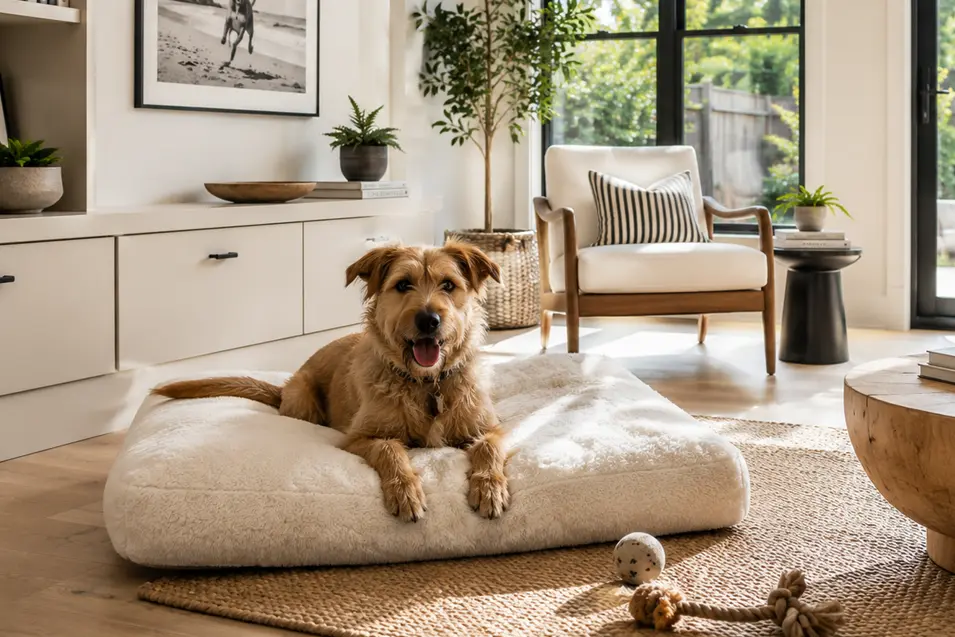
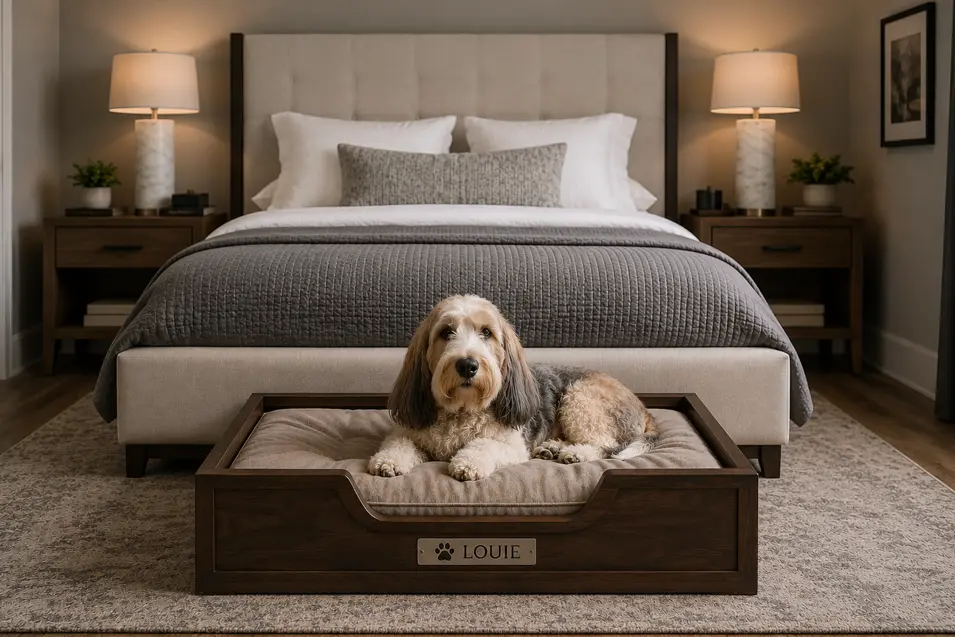
Rest Area
Every play space should include a comfortable place for relaxation.
Consider:
- Orthopedic dog beds
- Raised pet cots
- Soft blankets
- A quiet crate
Having a designated rest area allows dogs to recharge between activities.
Add Interactive Enrichment
Physical exercise is important, but mental stimulation can be equally valuable.
Consider incorporating:
- Food puzzles
- Treat-dispensing toys
- Snuffle mats
- Scent games
- Interactive feeders
Enrichment activities help prevent boredom and reduce destructive behaviors.
Install Indoor Agility Equipment
For energetic dogs, agility obstacles can turn a basement into an exciting adventure zone.
Popular options include:
- Small jumps
- Weave poles
- Tunnels
- Balance boards
- Cavaletti poles
Choose equipment appropriate for your dog’s age, size, and physical condition.
Maintain Proper Lighting
Basements are often darker than other areas of the home. Good lighting makes the space more inviting and safer for both dogs and owners.
Bright LED fixtures can improve visibility while creating a more comfortable environment for training and play.
Control Temperature and Ventilation
Basements can sometimes become damp, cold, or poorly ventilated.
To improve comfort:
- Use a dehumidifier if needed
- Maintain consistent temperatures
- Ensure proper air circulation
- Monitor humidity levels
A comfortable environment encourages dogs to spend more time enjoying the space.
Include Storage Solutions
A dedicated pet play area can quickly become cluttered without proper organization.
Helpful storage options include:
- Toy bins
- Wall-mounted shelving
- Storage benches
- Labeled containers
Keeping supplies organized makes cleanup easier and helps maintain a safe environment.
Consider Noise Reduction
Some dogs bark or become excited during play. Adding soft surfaces can help reduce echoes and noise.
Noise-reducing additions may include:
- Area rugs
- Fabric wall panels
- Curtains
- Upholstered furniture
These features can make the space more comfortable for both pets and people.
Keep Water Available
Fresh water should always be accessible.
Use:
- Spill-resistant water bowls
- Elevated feeders
- Water stations designed for active pets
Hydration is especially important after exercise and play sessions.
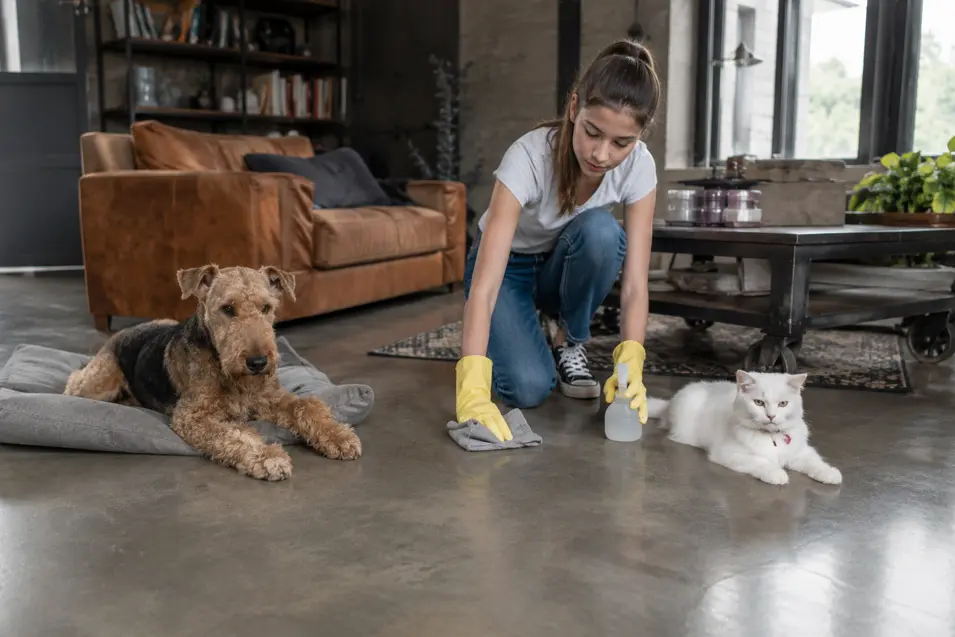
Regular Cleaning and Maintenance
Basement play areas should be cleaned routinely to keep them safe and hygienic.
Regular maintenance should include:
- Vacuuming or sweeping
- Washing bedding and blankets
- Sanitizing toys
- Checking equipment for wear
- Inspecting flooring for damage
A clean environment promotes better health and reduces odors.
Final Thoughts
Creating a basement play area for dogs is an excellent way to provide year-round exercise, enrichment, and comfort. By focusing on safety, durable materials, engaging activities, and proper organization, homeowners can transform an unused basement into a fun and functional canine retreat. With the right setup, your dog can enjoy a dedicated space that supports both physical health and mental well-being, no matter what the weather is like outside.