
Contemporary and Minimalist design are often grouped together because both styles favor clean lines, uncluttered spaces, and a modern aesthetic. To many homeowners, the two can appear almost identical at first glance.
However, Contemporary and Minimalist design are built on different philosophies.
Minimalist design focuses on reducing a space to its essential elements, emphasizing simplicity and intentional living. Contemporary design is broader and more flexible, reflecting current design trends while balancing comfort, functionality, and visual appeal.
Understanding the differences can help homeowners create a space that aligns with both their personal style and daily lifestyle.
What Is Contemporary Design?
Contemporary design refers to what is current and relevant in interior design at a given moment. Unlike styles rooted in a specific historical period, Contemporary design evolves over time.
Today’s Contemporary interiors often feature:
- Clean lines
- Open spaces
- Neutral color palettes
- Natural light
- Mixed materials
- Comfortable furnishings
The style focuses on creating interiors that feel modern, functional, and sophisticated without becoming overly rigid.
Contemporary homes often blend elements from multiple design influences while maintaining a cohesive appearance.
What Is Minimalist Design?
Minimalist design follows the principle that less is more.
Inspired by modern architecture and Japanese design philosophies, Minimalism focuses on eliminating unnecessary items and emphasizing only what is truly essential.
Common characteristics include:
- Simple forms
- Minimal décor
- Neutral color schemes
- Open spaces
- Functional furniture
- Intentional design choices
Every object serves a purpose, and visual clutter is carefully avoided.
The result is a calm, organized environment that promotes simplicity and focus.
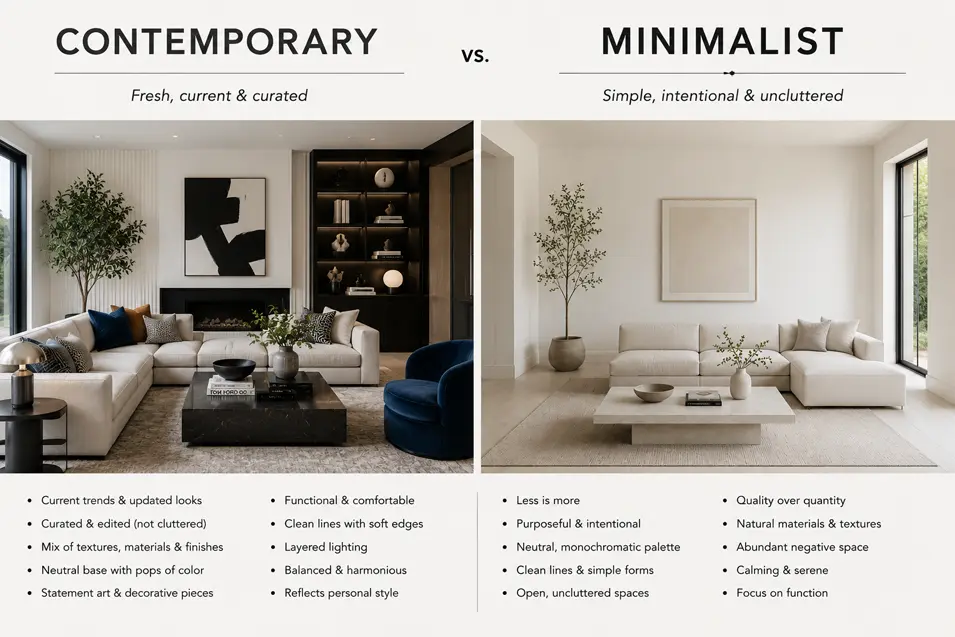
Similarities Between Contemporary and Minimalist Design
The reason these styles are frequently confused is because they share several important characteristics.
Both styles embrace:
- Clean lines
- Neutral colors
- Functional furniture
- Open layouts
- Simplicity
- Uncluttered spaces
Both avoid excessive ornamentation and heavily decorative interiors.
They also prioritize quality over quantity when selecting furnishings and décor.
Key Differences Between Contemporary and Minimalist Design
Although the visual similarities are strong, the underlying goals of each style differ significantly.
Design Philosophy
Minimalism is a design philosophy centered on reduction.
The goal is to remove distractions and focus only on what is necessary.
Contemporary design is more flexible.
Rather than eliminating elements, Contemporary interiors carefully select furnishings and décor that reflect modern lifestyles and current design preferences.
Minimalism asks:
“What can I remove?”
Contemporary design asks:
“What works best in this space right now?”
Color Palettes
Minimalist interiors often rely on extremely restrained color schemes.
Common colors include:
- White
- Cream
- Light gray
- Beige
- Black accents
Contemporary interiors typically use similar neutrals but may introduce:
- Bold accent colors
- Dark contrasts
- Natural wood tones
- Statement artwork
The palette tends to be more varied and expressive.
Furniture Styles
Minimalist furniture is often characterized by:
- Simple geometric forms
- Clean surfaces
- Hidden storage
- Minimal detailing
Contemporary furniture may include:
- Curved silhouettes
- Sculptural forms
- Mixed materials
- Statement pieces
- Trend-driven influences
Contemporary design allows for greater visual variety.
Decorative Elements
Minimalist interiors use décor sparingly.
A room may contain only a few carefully selected accessories.
Contemporary spaces often feature:
- Large artwork
- Statement lighting
- Decorative objects
- Textured materials
- Architectural accents
The style embraces visual interest while maintaining overall simplicity.
Overall Mood
Minimalist interiors typically feel:
- Calm
- Quiet
- Organized
- Intentional
Contemporary interiors often feel:
- Sophisticated
- Stylish
- Dynamic
- Current
Both can feel relaxing, but Contemporary spaces generally have more visual energy.
Contemporary vs. Minimalist Furniture
Furniture choices often reveal the difference between the two styles.
A Minimalist living room may include:
- A simple sofa
- One coffee table
- Minimal artwork
- Hidden storage solutions
A Contemporary living room might feature:
- Sculptural lighting
- Accent chairs
- Statement artwork
- Mixed textures
- Architectural furniture
Contemporary interiors are often more layered while remaining uncluttered.
Which Style Is Better for Pet Owners?
Both styles can work well in pet-friendly homes, but each presents unique considerations.
Minimalist interiors benefit from reduced clutter, making cleaning and maintenance easier. However, pet toys, beds, and feeding stations can stand out more prominently because there are fewer visual elements competing for attention.
Contemporary design often offers greater flexibility. Decorative baskets, integrated storage, and furniture-style pet products can be incorporated more naturally into the overall design.
For many pet owners, Contemporary design may be slightly easier to adapt without disrupting the aesthetic.
How to Choose Between Contemporary and Minimalist Design
If you enjoy simplicity, organization, and living with fewer possessions, Minimalist design may be the better fit.
If you appreciate modern interiors but still want opportunities for self-expression, decorative accents, and evolving design trends, Contemporary design may feel more natural.
Many homeowners combine elements of both styles, creating interiors that balance minimalist principles with contemporary comfort and personality.
The two styles complement each other exceptionally well.
Final Thoughts
Contemporary and Minimalist design both celebrate simplicity, functionality, and clean aesthetics, but they approach those goals differently. Minimalism focuses on reducing a space to its essentials, while Contemporary design embraces modern living through carefully curated furnishings, textures, and design elements.
Neither style is inherently better. The right choice depends on how much simplicity you want in your daily environment and how you prefer to express your personal style.
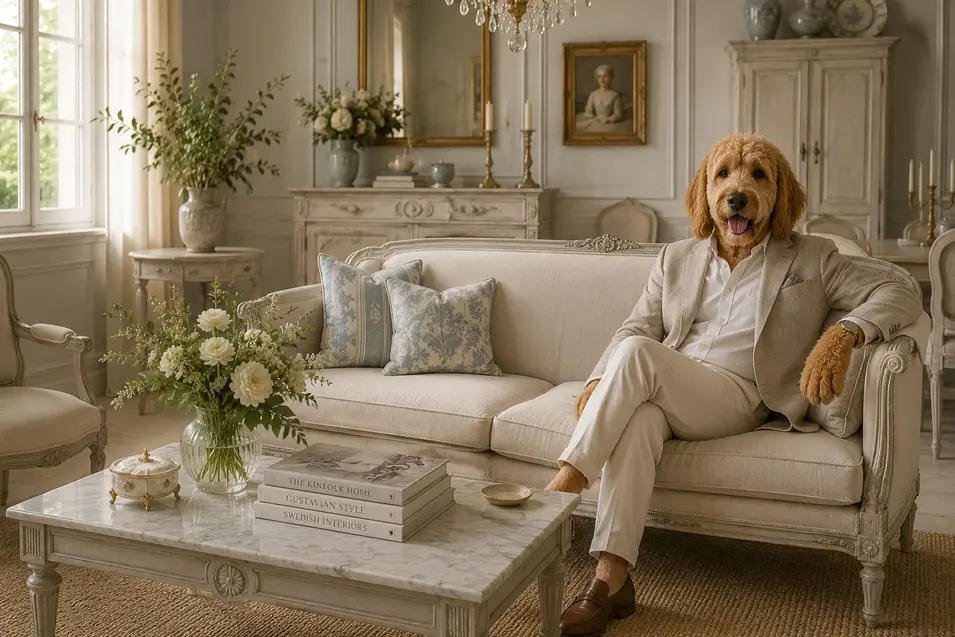
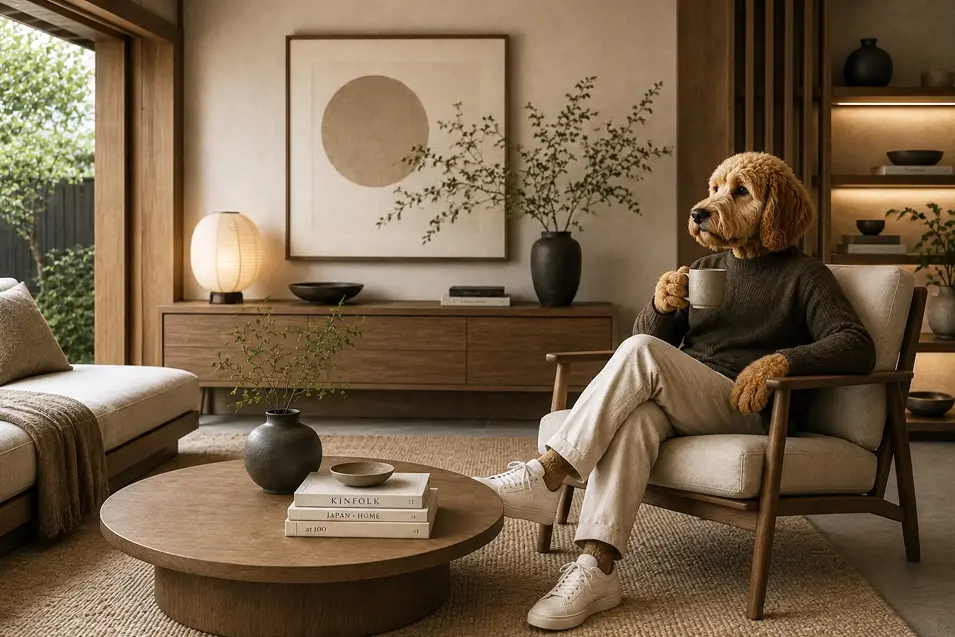
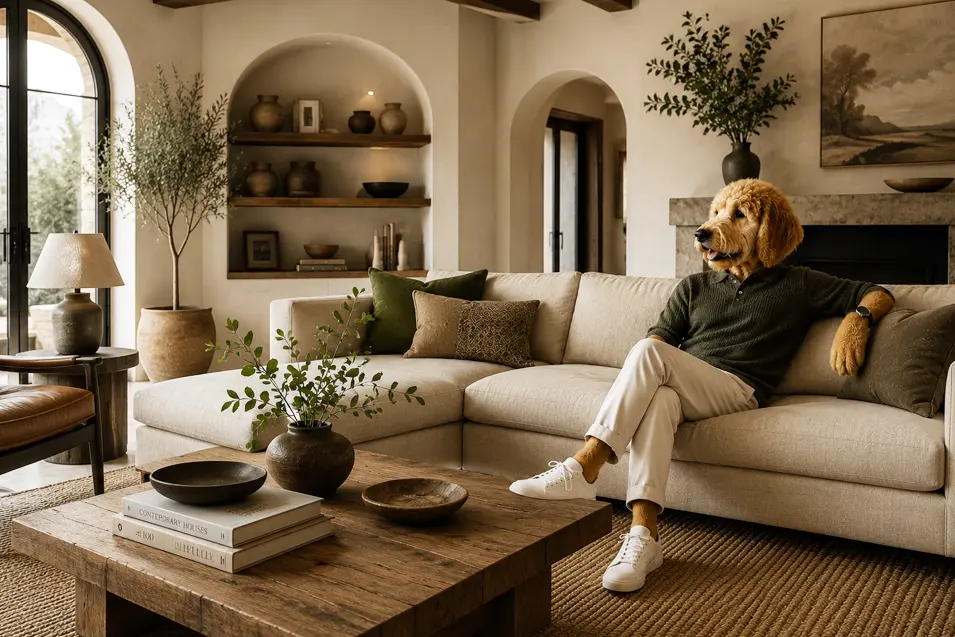
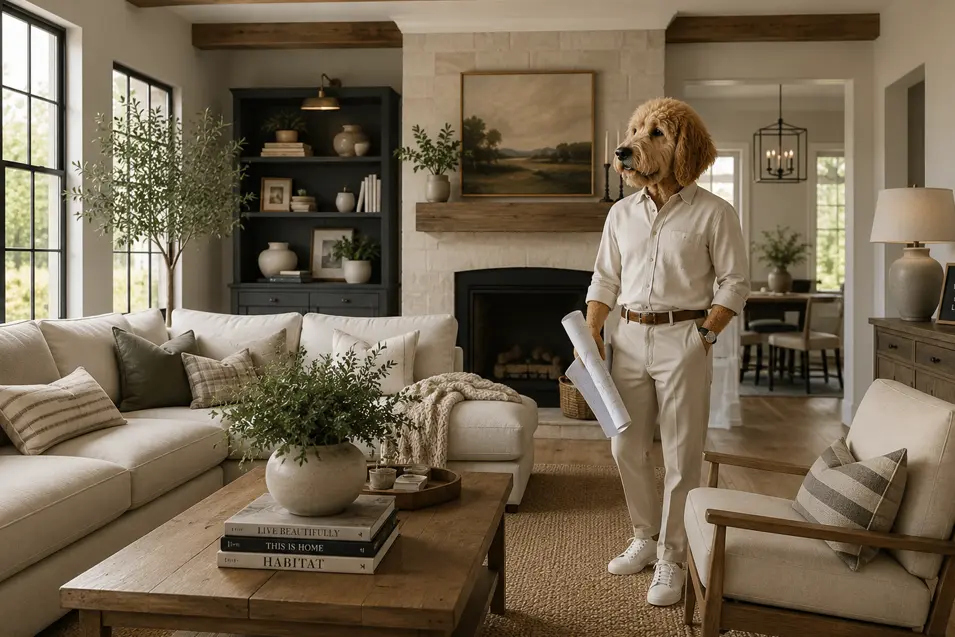
As Scout discovered while comparing a carefully edited minimalist retreat with a sophisticated contemporary home, both styles prove that beautiful interiors don’t need excess—they simply need thoughtful design.
Still deciding? Compare the key elements of Contemporary vs. Minimalist design, then visit our detailed Contemporary Style Guide and Minimalist Style Guide for room-by-room inspiration.