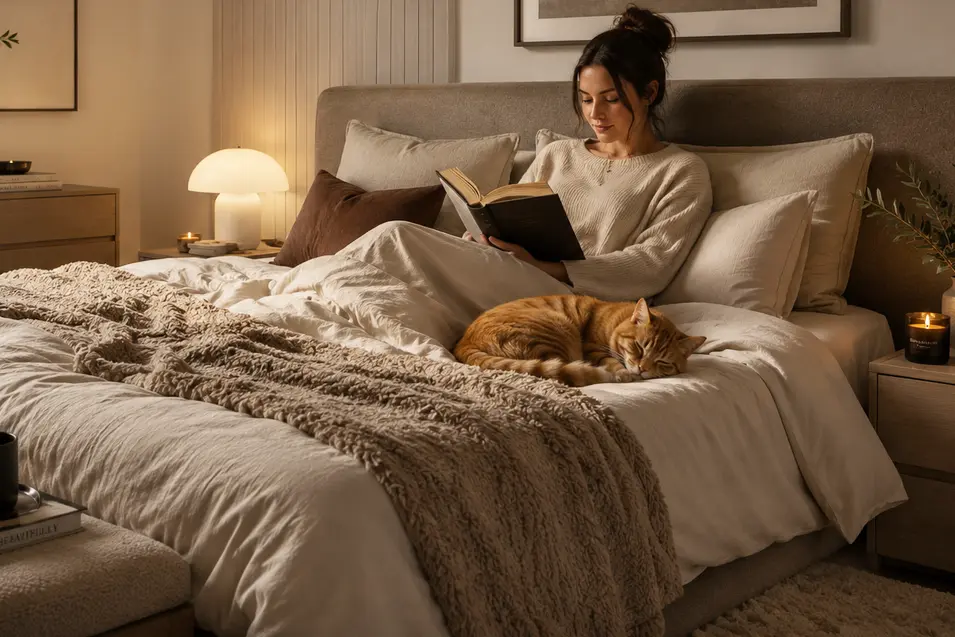

Many pet owners consider the bedroom a safe haven for both themselves and their furry companions. It’s a place where cats and dogs often spend hours sleeping, relaxing, and enjoying quality time with their families. However, despite its reputation as a peaceful retreat, the bedroom can contain a surprising number of hazards that may pose risks to curious pets.
Cats and dogs are naturally inquisitive, and what appears harmless to humans can become dangerous when explored through paws, claws, teeth, and noses. By understanding common bedroom hazards and taking preventative measures, pet owners can create a safer environment that promotes comfort and well-being for every member of the household.
Why Bedroom Safety Matters
Many people focus on pet-proofing kitchens, garages, and outdoor spaces while overlooking the bedroom. Yet pets often spend a significant portion of their day in this room, especially if they sleep there overnight.
Bedrooms can contain:
- Electrical cords
- Medications
- Small objects
- Toxic plants
- Hanging cords and strings
- Furniture tipping hazards
Identifying potential risks before an accident occurs is one of the best ways to protect your pets from injury.
Electrical Cords and Chargers
One of the most common bedroom hazards is the collection of electrical cords found behind beds, dressers, and nightstands.
Phone chargers, lamp cords, alarm clocks, and power strips can be particularly tempting for puppies and kittens that are teething or exploring their surroundings.
Potential dangers include:
- Electric shock
- Burns to the mouth
- Choking hazards
- Internal injuries from chewing
To reduce risks:
- Bundle loose cords together
- Use cord protectors or covers
- Unplug unused chargers
- Keep cords hidden behind furniture whenever possible
Regularly inspect cords for signs of chewing or damage.
Medications Left on Nightstands
Many people keep medications, vitamins, supplements, and sleep aids on bedside tables for convenience. Unfortunately, these items can be highly dangerous if accessed by pets.
Dogs, in particular, may chew through containers if they detect appealing scents.
Common bedroom medications that can be toxic include:
- Pain relievers
- Sleep medications
- Antidepressants
- Heart medications
- Vitamins containing iron
- Cold and flu remedies
Store all medications in secure drawers or cabinets rather than leaving them exposed on surfaces.
Small Objects That Can Be Swallowed
Bedrooms often accumulate small items that may seem insignificant but pose serious choking or obstruction hazards.
Examples include:
- Hair ties
- Jewelry
- Buttons
- Coins
- Earbuds
- Sewing supplies
- Batteries
- Pen caps
Cats are especially attracted to small objects they can bat around like toys, while dogs may swallow items out of curiosity.
Keep small belongings organized and avoid leaving them on nightstands, dressers, or floors where pets can access them.
Toxic Houseplants
Houseplants can add beauty and freshness to a bedroom, but some popular varieties are toxic to pets.
Cats are particularly known for nibbling on leaves, while dogs may dig in plant containers or chew stems.
Common toxic bedroom plants include:
- Lilies
- Aloe vera
- Pothos
- Philodendron
- Peace lilies
- Snake plants
- English ivy
Pet-safe alternatives include:
- Spider plants
- Areca palms
- Calatheas
- Parlor palms
- Boston ferns
Before introducing any plant into your bedroom, verify that it is safe for both cats and dogs.
Hanging Blind Cords and Curtain Cords
Window coverings present another overlooked hazard.
Cats often view dangling cords as toys, while dogs may become entangled during play.
Potential risks include:
- Strangulation
- Entrapment
- Injury from pulling down blinds or curtains
Cordless blinds are often the safest option for homes with pets. If cords are present, secure them well out of reach using wall-mounted safety devices.
Unstable Furniture
Large furniture pieces such as dressers, bookshelves, and wardrobes can pose serious risks if they are not properly secured.
Cats frequently climb furniture, while energetic dogs may accidentally bump into it during play.
Furniture that is top-heavy or improperly assembled can tip over, potentially causing severe injuries.
Secure the following items:
- Dressers
- Bookshelves
- Tall nightstands
- Entertainment units
- Freestanding shelving
Furniture anchors provide an inexpensive and effective solution for preventing tip-over accidents.
Open Windows and Balcony Access
Fresh air is appealing, but open windows can be dangerous for pets, especially cats.
Cats are known for their climbing abilities, but they can still lose footing when chasing insects or birds outside.
Risks include:
- Falls from height
- Escaping outdoors
- Injuries from damaged screens
Ensure window screens are secure and free from tears. Never assume a standard insect screen is strong enough to support a pet’s weight.
If your bedroom has balcony access, supervise pets carefully and consider additional safety barriers when necessary.
Scented Products and Essential Oils
Bedrooms often contain candles, diffusers, room sprays, and scented products designed to create a relaxing atmosphere.
However, some fragrances and essential oils can be harmful to pets.
Particularly concerning oils include:
- Tea tree oil
- Eucalyptus
- Peppermint
- Cinnamon
- Wintergreen
- Pine
- Citrus oils
Cats are especially sensitive because their bodies process certain compounds differently than humans.
Before using scented products, confirm they are safe for pets and ensure adequate ventilation.
Laundry and Bedding Hazards
Pets love soft bedding, but laundry-related items can create unexpected dangers.
Common risks include:
- Dryer sheets
- Fabric softener pods
- Loose threads
- String from blankets
- Decorative tassels
- Weighted blankets that are too heavy for small pets
Cats are particularly attracted to strings and loose threads, which can cause serious intestinal blockages if swallowed.
Inspect bedding regularly and remove damaged items promptly.
Under-the-Bed Storage Risks
Many homeowners use the space beneath the bed for storage. While practical, this area can become a source of hidden hazards.
Avoid storing:
- Chemicals
- Cleaning products
- Pest control products
- Batteries
- Sharp tools
- Small electronics
Pets often seek out under-bed spaces for hiding or resting, making it important to ensure stored items are safe.
Space Heaters and Electric Blankets
Additional heating devices may improve comfort during colder months, but they require extra caution around pets.
Potential hazards include:
- Burns
- Electrical cord chewing
- Fire risks
- Overheating
Position space heaters where pets cannot knock them over and always follow manufacturer safety recommendations.
Similarly, inspect electric blankets regularly for damage and discontinue use if cords show signs of wear.
Creating a Pet-Safe Bedroom
The safest bedrooms balance comfort with thoughtful planning. Most hazards can be eliminated through simple preventative measures such as securing cords, storing medications properly, anchoring furniture, and choosing pet-safe décor.
A quick bedroom safety checklist:
- Secure electrical cords
- Store medications safely
- Remove choking hazards
- Verify plants are pet-safe
- Secure window coverings
- Anchor tall furniture
- Monitor scented products
- Check bedding for loose strings
- Keep dangerous items out of under-bed storage
A Safer Place to Rest
Your bedroom should be a peaceful retreat for both you and your pets. By identifying and addressing common hazards, you can reduce the risk of accidents and create a space where cats and dogs can relax safely.
A few simple adjustments today can prevent injuries tomorrow, giving you greater peace of mind and ensuring your furry companions enjoy a comfortable, secure environment every time they curl up for a nap or settle in for the night.