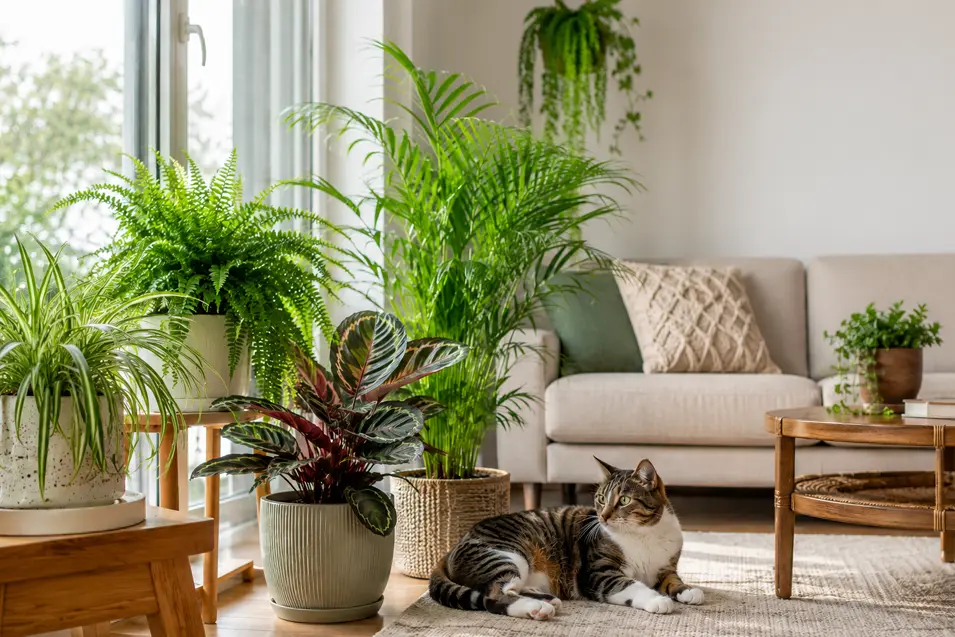
Houseplants can transform a home by adding color, texture, and a connection to nature. Unfortunately, many common houseplants can be toxic to cats, creating potential dangers for curious pets that enjoy chewing leaves or investigating new additions to their environment.
The good news is that numerous attractive plants are considered safe for cats. In fact, certain plants can even provide enrichment by introducing new scents, textures, and sensory experiences.
By choosing cat-friendly houseplants, pet owners can enjoy a greener home while helping create a more stimulating environment for their feline companions.
Why Cats Are Attracted to Plants
Many cats show interest in plants for a variety of reasons.
Some enjoy:
- Chewing leaves
- Investigating new scents
- Exploring textures
- Playing with moving foliage
- Resting near greenery
Young cats and kittens are often especially curious about plants.
Because cats may interact with plants in unexpected ways, selecting safe varieties is important.
Benefits of Cat-Safe Plants
Environmental Enrichment
Plants introduce new sensory experiences into the home.
Cats can explore:
- Different scents
- Unique textures
- Natural movement
- New hiding and resting spaces
This variety can help reduce boredom and encourage curiosity.
A More Natural Environment
Plants can help create indoor spaces that feel more connected to nature.
For indoor cats, this may provide additional opportunities for exploration and investigation.
Improved Aesthetics
Cat-safe plants allow owners to enjoy indoor gardening without constantly worrying about accidental exposure to toxic species.
Popular Cat-Safe Houseplants
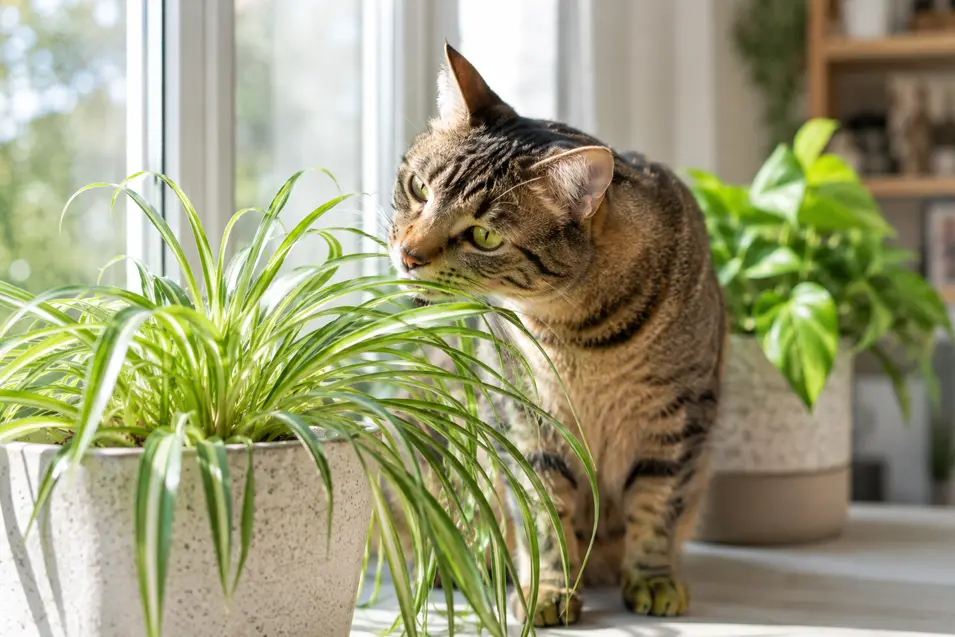
Spider Plant
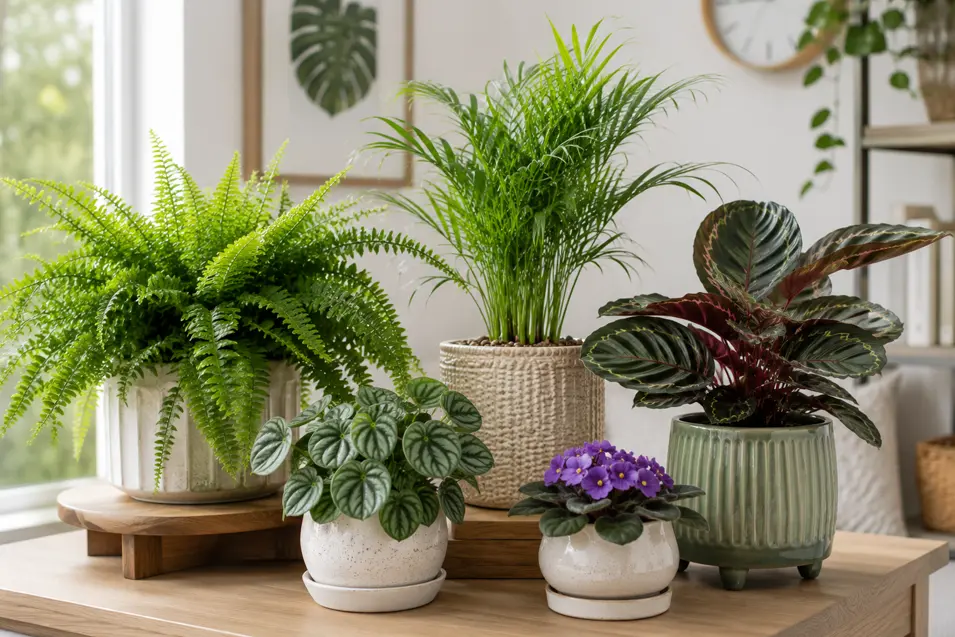
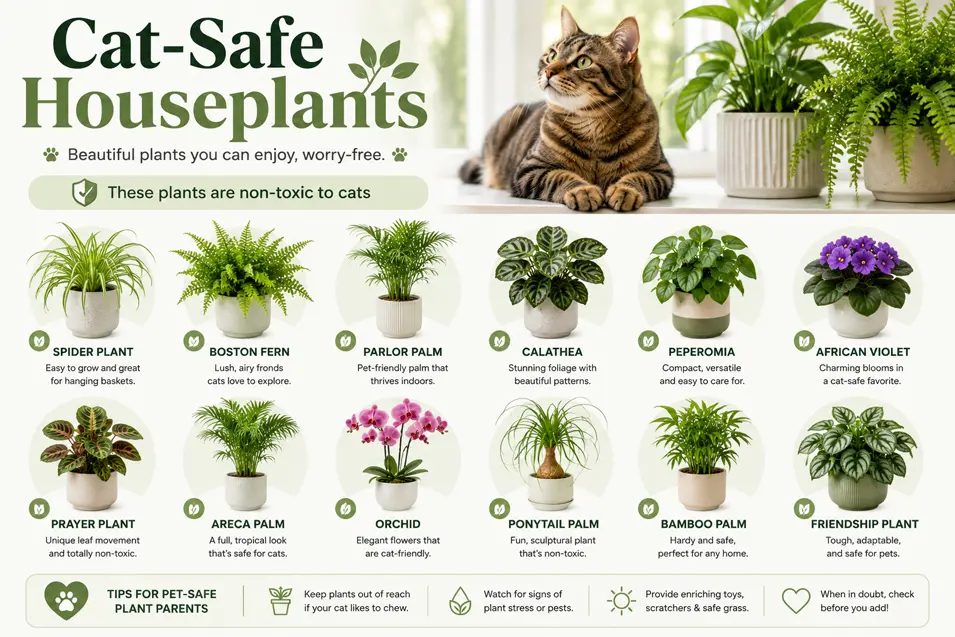
Spider plants are among the most popular cat-safe houseplants.
Benefits include:
- Easy care requirements
- Attractive appearance
- Fast growth
- Pet-friendly reputation
Many cats enjoy batting at the long arching leaves.
Areca Palm
The areca palm provides a tropical appearance while remaining safe for cats.
Its feathery fronds can add visual interest to living spaces without introducing known toxicity concerns.
Parlor Palm
Parlor palms are low-maintenance plants that perform well indoors.
They are often recommended for households with pets due to their safety and adaptability.
Boston Fern
Boston ferns create lush greenery and are considered safe for cats.
These plants thrive in humid environments and add texture to indoor spaces.
Calathea
Known for their striking leaf patterns, calatheas are a popular choice for pet-friendly homes.
Their colorful foliage can add visual interest while remaining non-toxic to cats.
Plants That Offer Additional Enrichment
Cat Grass
Cat grass typically consists of grasses such as wheat, oat, rye, or barley.
Many cats enjoy chewing cat grass because it:
- Provides sensory stimulation
- Offers a safe chewing outlet
- Adds variety to the indoor environment
Catnip
Catnip is famous for the behavioral response it produces in many cats.
Benefits include:
- Increased activity
- Playfulness
- Mental stimulation
- Temporary excitement
Not all cats respond to catnip, but many find it highly engaging.
Valerian
Valerian root may provide enrichment effects similar to catnip for some cats.
Many cats find its scent particularly appealing.
Toxic Houseplants to Avoid
Not all houseplants are safe for pets.
Some common plants that may pose risks include:
- Lilies
- Pothos
- Philodendrons
- Dieffenbachia
- Sago palms
- Aloe vera
Because toxicity levels vary, always verify plant safety before bringing a new plant into your home.
If you suspect your cat has ingested a toxic plant, contact a veterinarian immediately.
Tips for Creating a Cat-Friendly Indoor Garden
Use Stable Containers
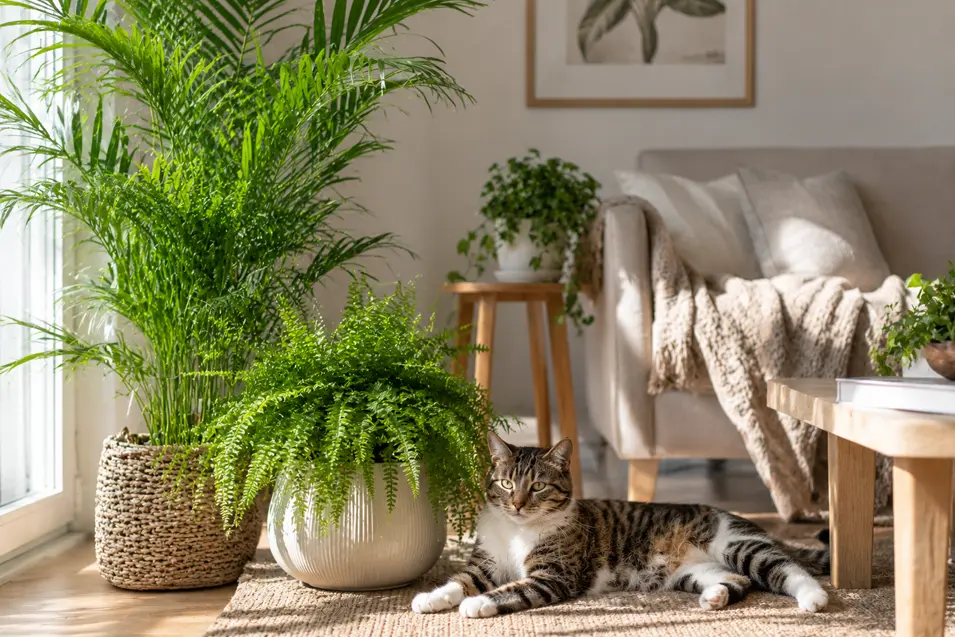
Cats may jump, climb, or investigate plants.
Heavy pots can help prevent tipping accidents.
Provide Dedicated Cat Plants
Offering cat grass or catnip may reduce interest in decorative plants.
Place Plants Strategically
Position plants where they can be enjoyed without creating hazards.
Monitor New Additions
Observe your cat’s behavior around new plants and make adjustments if necessary.
Combining Plants with Other Enrichment
Plants work best when incorporated into a broader enrichment plan.
Consider pairing cat-safe plants with:
- Window perches
- Cat trees
- Puzzle feeders
- Climbing shelves
- Interactive toys
- Catios
These elements work together to create a more stimulating indoor environment.
Are Cat-Safe Plants Worth Adding?
For many households, the answer is yes.
Cat-safe plants provide visual appeal while contributing to environmental enrichment. They can encourage exploration, satisfy curiosity, and help create a more engaging indoor environment without exposing cats to unnecessary risks.
With careful plant selection and proper placement, indoor gardens can become a valuable part of a cat-friendly home.
Related Reading
Looking for more ways to enrich your cat’s environment?
Explore these helpful guides:
- Indoor Cat Enrichment: Keeping Indoor Cats Happy, Healthy, and Active
- Signs Your Indoor Cat Is Bored (and How to Help)
- Puzzle Feeders for Cats: Benefits and How They Keep Cats Mentally Stimulated
- Cat Climbing Walls and Shelves: Ideas for Vertical Enrichment
- How to Keep Indoor Cats Active and Prevent Weight Gain
These resources can help you create a safer, more engaging, and enriching environment for your indoor cat.