Every pet owner has them.
Thousands of photos stored on smartphones, hard drives, cloud accounts, and social media profiles. Pictures of dogs sleeping on the couch, cats perched on windowsills, horses in pastures, rabbits in the garden, and countless other everyday moments that capture the personalities of beloved companions.
Most of these images are treasured memories, but few would be considered works of art.
At least not yet.
Thanks to advances in artificial intelligence, ordinary pet photos can now be transformed into stunning portraits, dramatic fine art pieces, elegant sketches, luxury photography, and custom home décor with just a few well-crafted prompts. What was once a casual snapshot can become a gallery-worthy canvas, a thoughtful gift, or a meaningful keepsake.
The transformation can be remarkable, and that’s why before-and-after AI pet art comparisons have become so popular.
Why Before-and-After Comparisons Are So Fascinating
Part of the appeal of AI-generated pet artwork is seeing what’s possible.
A photo that initially appears ordinary can become something completely different when viewed through an artistic lens. The pet remains recognizable, but the mood, style, lighting, and presentation are elevated in ways that often surprise even the owner.
The most effective way to demonstrate this is by comparing the original image with multiple artistic interpretations.
Readers quickly discover that the same photograph can produce dramatically different results depending on the prompt and style selected.
What Makes a Good “Before” Photo?
One of the biggest misconceptions about AI art is that you need a professional photograph to get great results.
In reality, many outstanding AI portraits begin with simple, everyday images.
The best source photos generally have:
- Good lighting
- Clear facial features
- Visible eyes
- Reasonable image quality
- Distinct expressions
A pet doesn’t need to be posing perfectly. In fact, candid photos often create some of the most compelling artwork because they capture authentic personality.
Example #1: The Everyday Dog Photo
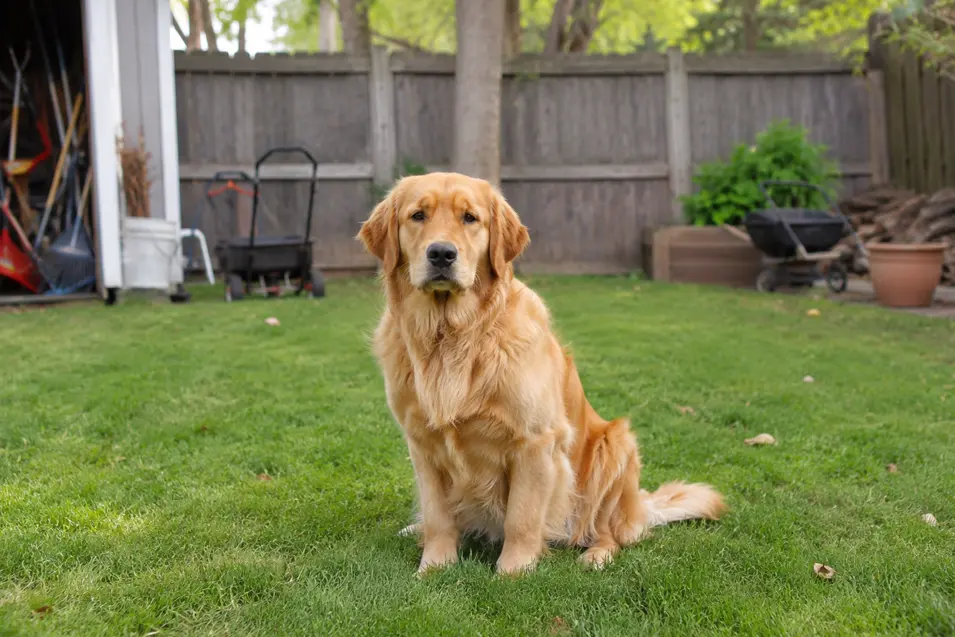
Before
Imagine a simple photo of a Golden Retriever sitting in a backyard. The dog is looking toward the camera, but the background includes a fence, garden tools, and miscellaneous distractions.
A nice photo—but not necessarily wall art.
After: Luxury Studio Portrait
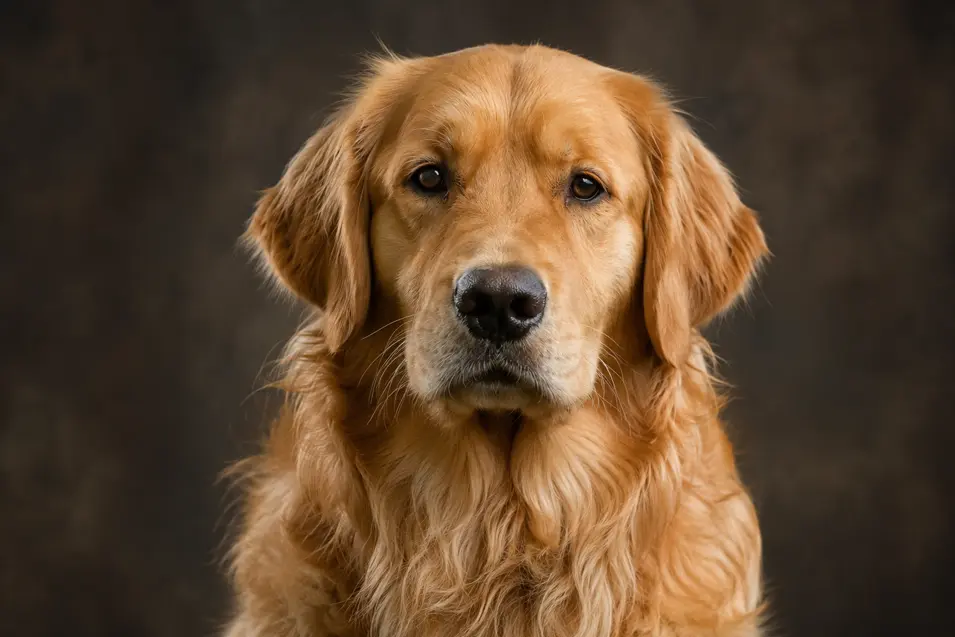
Using AI, the image becomes:
- Professional studio lighting
- Sharp focus on the eyes
- Soft background blur
- Magazine-quality photography
- Rich fur detail
Prompt:
“Create a photorealistic luxury studio portrait of this golden retriever, professional lighting, shallow depth of field, ultra-detailed fur texture, magazine-quality pet photography.”
The result often looks like something commissioned from a professional photographer.
Example #2: The Sleeping Cat
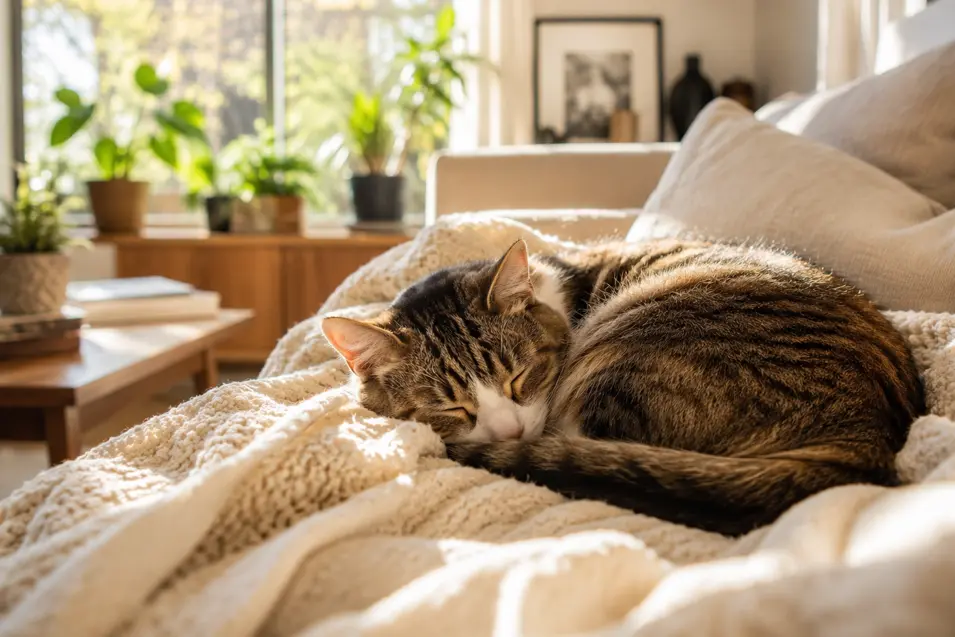
Before
A cat curled up on a blanket in a sunny living room.
Comfortable and cute, but relatively ordinary.
After: Watercolor Painting
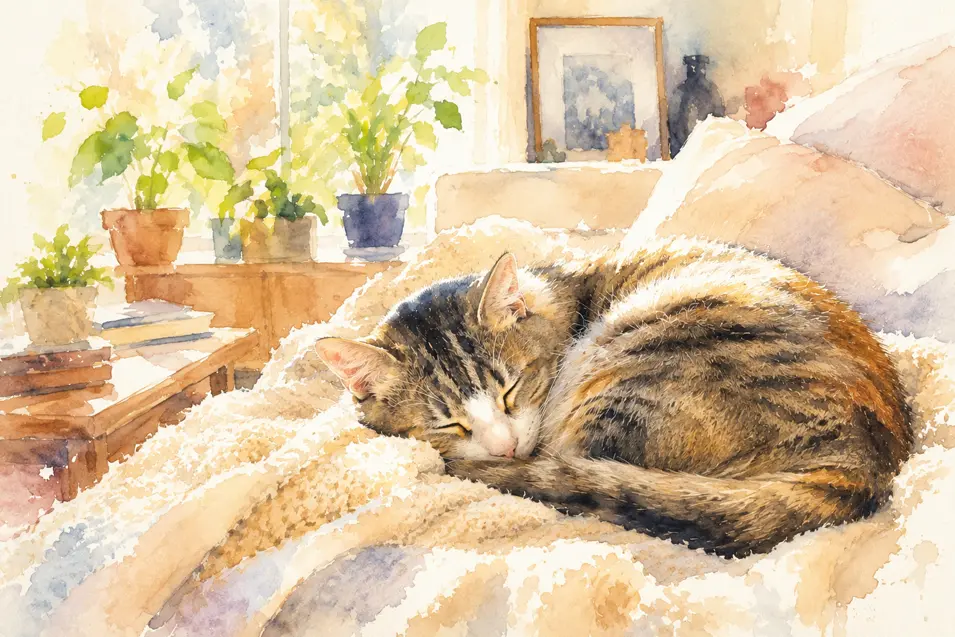
The same image becomes:
- Soft brushstrokes
- Pastel colors
- Artistic texture
- Hand-painted appearance
Prompt:
“Transform this cat photo into a delicate watercolor painting with flowing brushstrokes, soft pastel colors, expressive detail, and elegant fine art styling.”
The result feels peaceful, artistic, and ready to frame.
Example #3: The Rescue Dog Snapshot
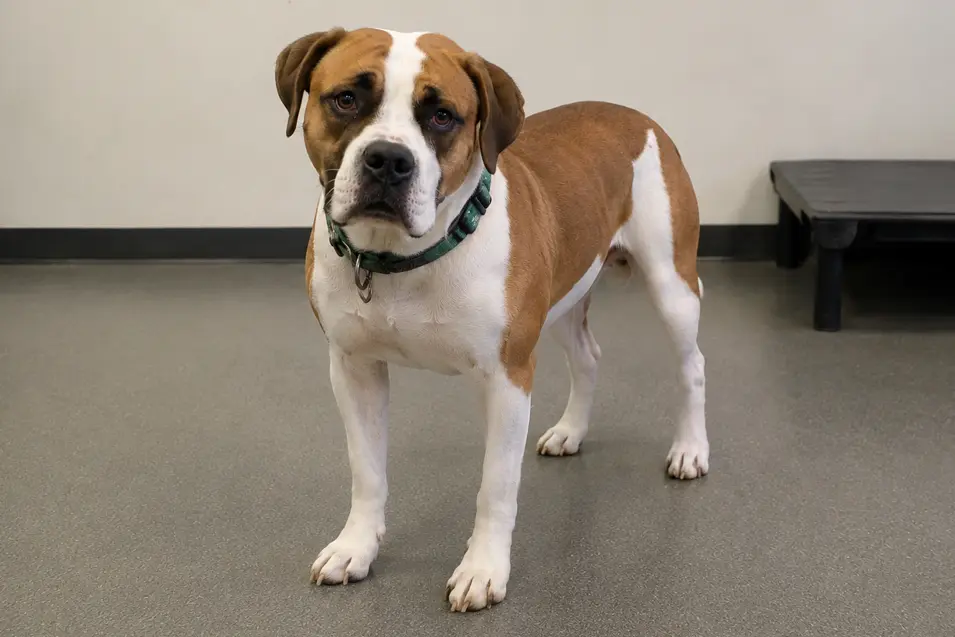
Before
A simple adoption-day photo taken at a shelter.
The lighting isn’t perfect. The background is plain.
Yet the image carries emotional significance.
After: Pencil Sketch
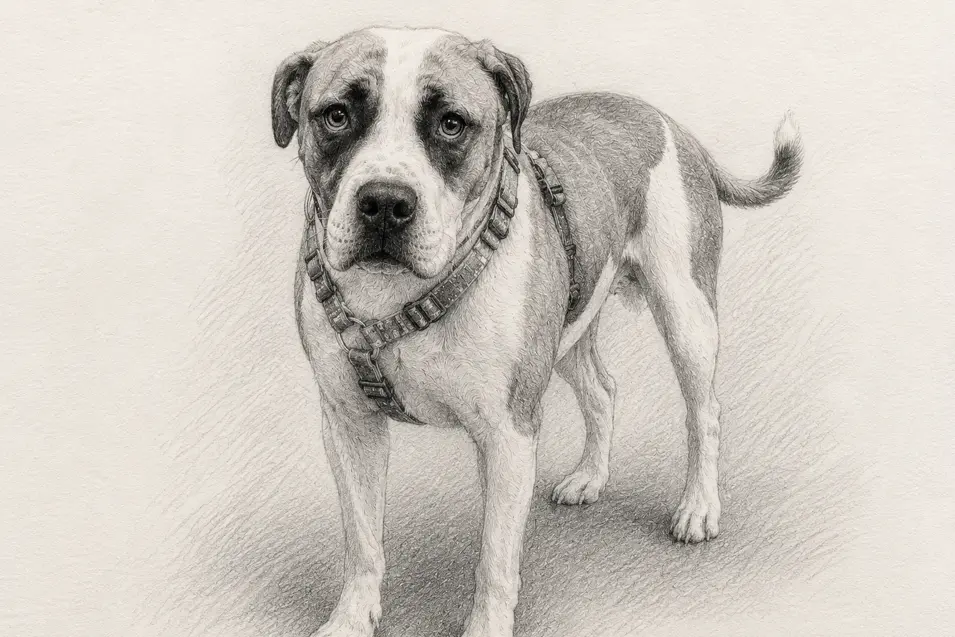
AI can transform the photo into:
- Detailed line work
- Realistic shading
- Fine art appearance
- Timeless black-and-white presentation
Prompt:
“Create a highly detailed pencil sketch of this rescue dog on textured paper, realistic shading, expressive eyes, and gallery-quality artwork.”
The transformation often creates a deeply personal keepsake.
Example #4: The Playful Puppy
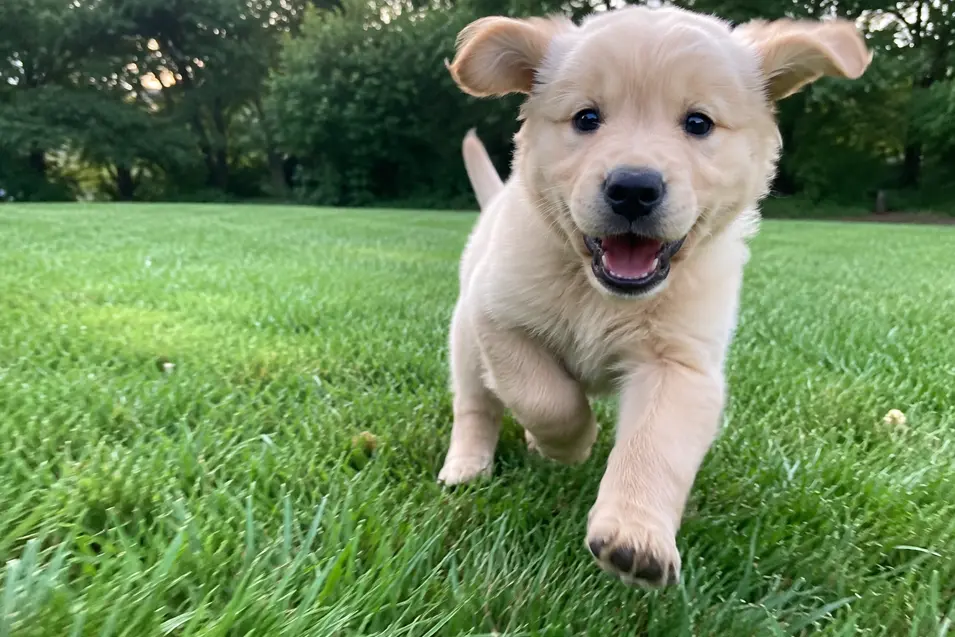
Before
A puppy running through the grass.
The photo captures energy and personality but may not look particularly artistic.
After: Pop Art Portrait
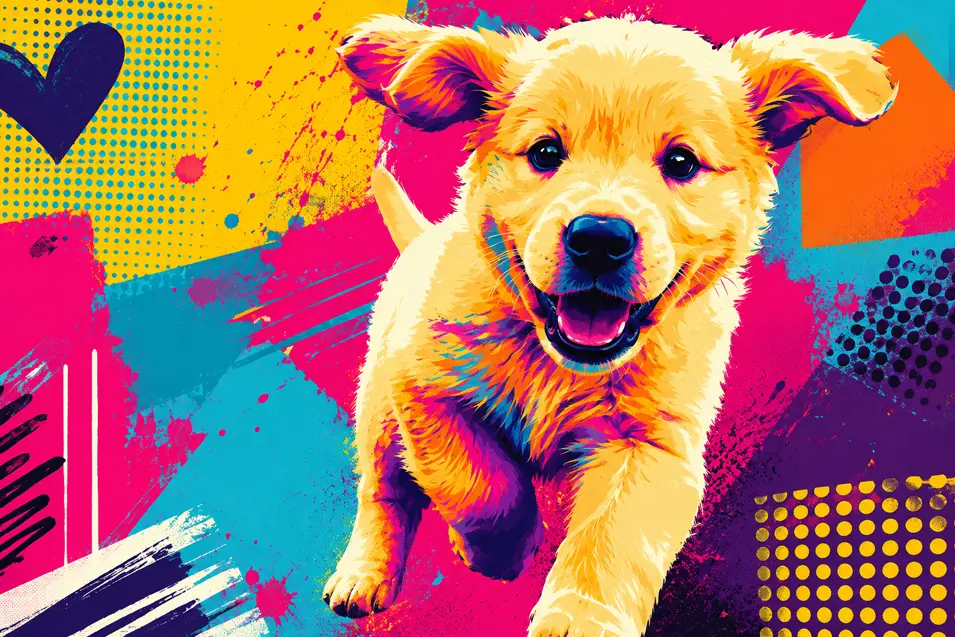
The image becomes:
- Bold colors
- Graphic shapes
- Contemporary styling
- Vibrant personality
Prompt:
“Transform this puppy into a vibrant pop-art portrait using bold colors, graphic design elements, playful energy, and contemporary gallery aesthetics.”
This style is perfect for colorful interiors and fun gifts.
Example #5: The Regal Cat
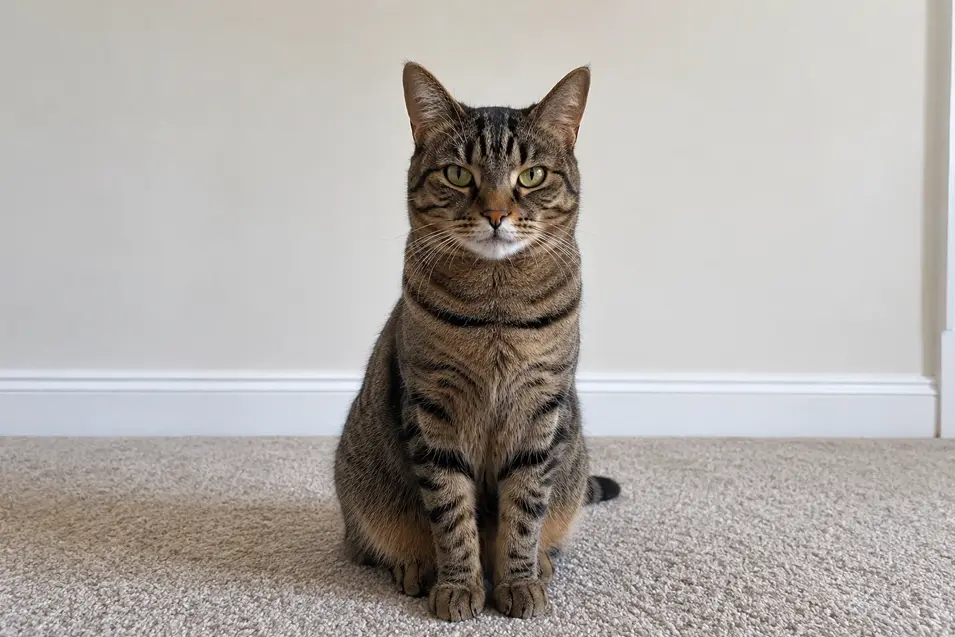
Before
A cat sitting upright and staring confidently at the camera.
After: Renaissance Portrait
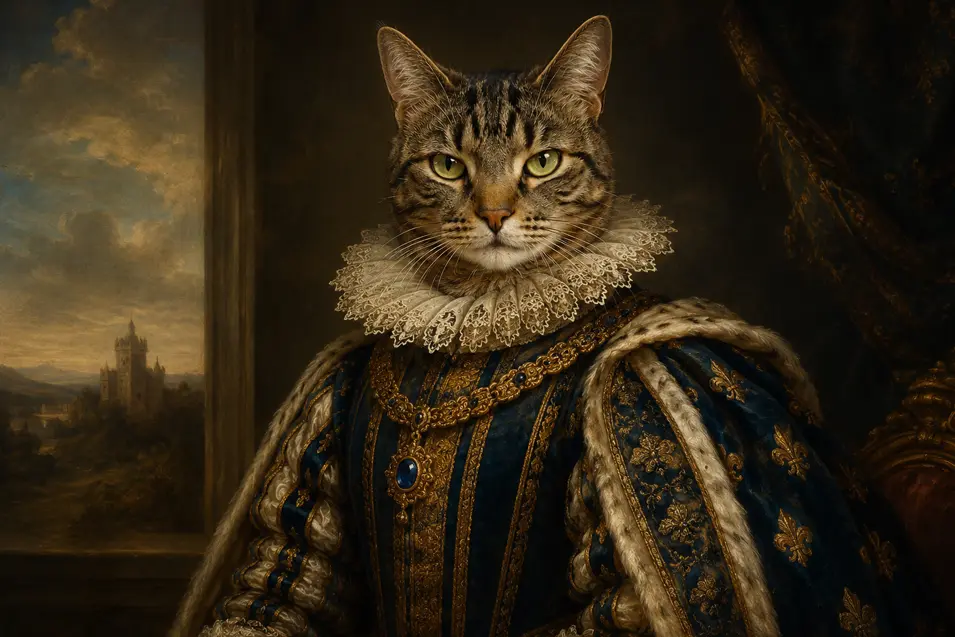
The AI creates:
- Elegant royal clothing
- Dramatic lighting
- Classical oil painting textures
- Museum-quality styling
Prompt:
“Transform this cat into a Renaissance noble portrait wearing elegant royal attire, classical lighting, rich textures, and fine art painting techniques.”
Few AI transformations generate more smiles than this one.
Example #6: The Family Dog
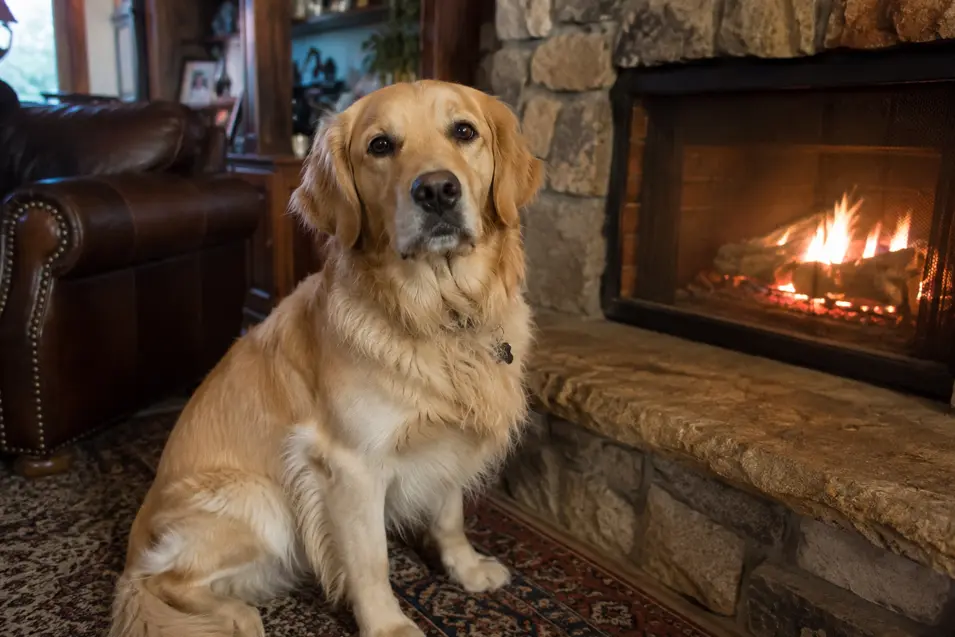
Before
A relaxed family dog sitting beside a fireplace.
After: Farmhouse Wall Art
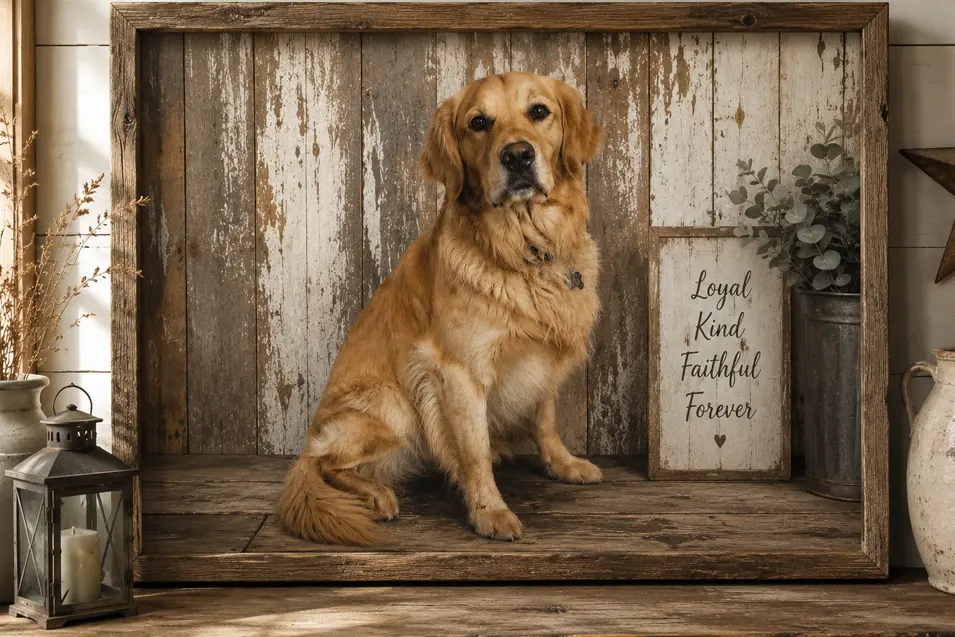
The portrait becomes:
- Rustic wood textures
- Warm earth tones
- Cozy décor styling
- Farmhouse charm
Prompt:
“Create a rustic farmhouse-style portrait of this dog with distressed wood textures, warm natural lighting, neutral colors, and handcrafted wall art styling.”
This style works particularly well for home décor projects.
Why the Same Photo Produces Different Results
One of the most surprising aspects of AI image generation is how dramatically a prompt can influence the final outcome.
The AI isn’t simply applying a filter.
It is interpreting:
- Artistic style
- Lighting
- Composition
- Texture
- Color palette
- Historical influences
- Design aesthetics
This is why a single pet photo can generate dozens of completely different artistic interpretations.
The Importance of Good Prompts
Many beginners start with prompts like:
Turn my dog into a painting.
While this may work, more detailed prompts usually produce superior results.
Consider the difference:
Basic Prompt:
Create a dog portrait.
Advanced Prompt:
Create a photorealistic portrait of this golden retriever, magazine-quality photography, professional studio lighting, shallow depth of field, ultra-detailed fur texture, 85mm portrait lens, soft bokeh background.
The second prompt gives the AI significantly more information to work with.
Styles Worth Comparing
If you’re creating your own before-and-after examples, consider generating multiple versions of the same image using styles such as:
- Watercolor
- Oil Painting
- Pencil Sketch
- Charcoal Drawing
- Pop Art
- Renaissance
- Victorian
- Gothic
- Farmhouse
- Modern Gallery
- Japanese Ink Wash
- Scandinavian Minimalist
- Black-and-White Fine Art
- Luxury Studio Photography
- Cinematic Photography
The comparisons themselves often become just as interesting as the final artwork.
Creating a Side-by-Side Showcase
For websites, blogs, and social media, side-by-side comparisons are incredibly effective.
Consider displaying:
Original Photo
↓
Watercolor Version
↓
Pencil Sketch Version
↓
Luxury Photography Version
↓
Renaissance Portrait Version
This format allows readers to see the full creative range of AI-generated artwork.
From Snapshot to Statement Piece
The most exciting aspect of AI pet art is not simply the technology. It is the ability to reveal possibilities hidden within everyday photographs.
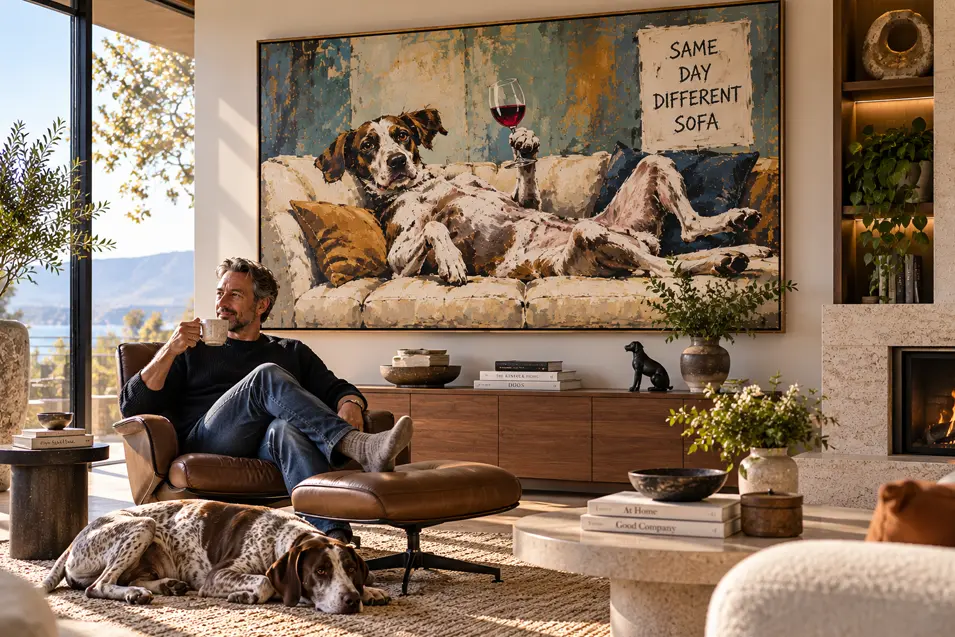
A casual image taken during a walk, a nap, or a family gathering can become a personalized piece of artwork that reflects a pet’s personality while complementing a home’s décor.
In many cases, the original photograph remains meaningful because it captures a moment. The AI artwork simply presents that moment in a new and creative way.
Why Pet Owners Love the Transformation
People form deep emotional connections with their pets. AI-generated artwork offers a new way to celebrate those relationships by transforming familiar photographs into something unexpected and unique.
Some owners prefer elegant watercolor paintings. Others love dramatic charcoal sketches, whimsical fantasy scenes, or magazine-quality portraits.
There is no single right answer.
The joy comes from exploring possibilities and discovering which artistic interpretation best captures the spirit of the pet.
Final Thoughts
Before-and-after pet art transformations highlight one of the most exciting aspects of artificial intelligence: the ability to reimagine ordinary moments through creative expression.
The process begins with a simple photo, but the possibilities are nearly limitless.
Whether you choose a watercolor painting, a Renaissance masterpiece, a luxury photography portrait, or a minimalist sketch, AI allows you to transform cherished pet photos into meaningful works of art.
The next time you scroll through your camera roll, don’t just look for your favorite photo.
Look for the one that might become your favorite piece of artwork.