For dog owners, muddy paws can be one of the biggest challenges of maintaining a clean home and yard. Whether it’s after a rainstorm, during spring thaw, or following a day of enthusiastic digging, many dogs seem determined to bring the outdoors inside. This constant battle with mud has led many pet owners to consider artificial turf as a solution. But does artificial turf actually eliminate mud, or is it simply another landscaping trend?
The short answer is that artificial turf can significantly reduce or even eliminate mud in many situations. However, understanding how it works and its limitations can help homeowners decide whether it’s the right choice for their pets and property.
Why Mud Is Such a Problem for Dog Owners
Traditional grass lawns can quickly become muddy when exposed to heavy foot traffic, rain, or poor drainage. Dogs naturally contribute to these conditions. Running, playing, digging, and repeatedly following the same paths across the yard can wear away grass, exposing bare soil underneath.
Once the soil is exposed, even a small amount of rain can create muddy patches. Dogs then track that mud into the house on their paws, coats, and sometimes even their noses. Beyond the mess, muddy areas can become breeding grounds for bacteria, pests, and unpleasant odors.
For homeowners who spend significant time cleaning floors, carpets, and furniture after every outdoor adventure, finding a way to reduce mud can dramatically improve quality of life.
How Artificial Turf Prevents Mud
Artificial turf is designed to create a stable, durable surface that completely covers the soil beneath it. Unlike natural grass, synthetic turf doesn’t die, wear away, or develop bare spots when properly installed.
A professional artificial turf installation typically includes several layers:
- Removal of existing grass and soil preparation
- A compacted gravel or crushed stone base
- Drainage materials
- Artificial grass secured over the base
Because the soil is sealed beneath these layers, rainwater doesn’t turn the surface into mud. Instead, water drains through specially designed perforations in the turf backing and into the drainage system below.
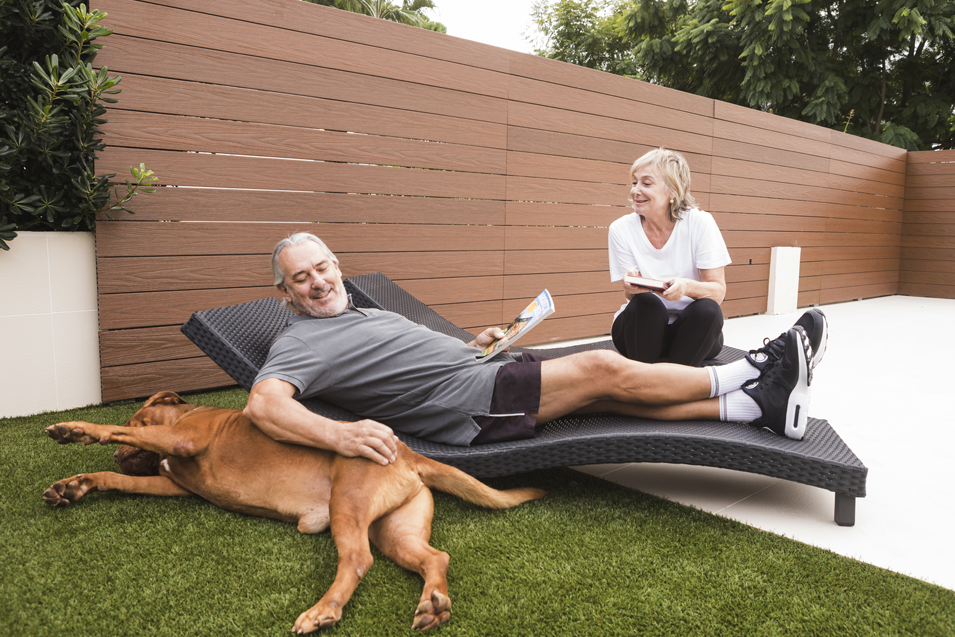
As a result, dogs can run and play on the surface even after rainfall without creating muddy conditions.
Does Artificial Turf Completely Eliminate Mud?
In many cases, yes. If artificial turf is installed correctly and covers the entire area where dogs spend time, muddy patches can become a thing of the past.
However, there are some situations where mud can still appear:
Exposed Soil Around the Turf
If portions of the yard remain uncovered, such as garden beds, landscaping borders, or natural areas, dogs may still access dirt and mud. Even if the main play area is covered with turf, pets can track mud from these uncovered spaces.
Poor Installation
Artificial turf relies heavily on proper drainage. If the base preparation is inadequate or drainage is poorly designed, water may pool on the surface or around the edges. While this usually doesn’t create mud directly on the turf, it can lead to muddy conditions nearby.
Digging Behavior
Some dogs are enthusiastic diggers. While quality artificial turf is durable, persistent digging can occasionally expose the base material underneath. In rare cases, this may allow dirt to surface and create localized muddy areas.
For most homeowners, though, artificial turf dramatically reduces mud compared to a traditional lawn.
Additional Benefits of Artificial Turf for Dogs
The reduction of mud is only one reason many dog owners choose artificial turf. Synthetic grass offers several other advantages that make it appealing for pet-friendly landscapes.
Cleaner Paws and Coats
Without dirt and mud, dogs generally stay cleaner after outdoor play sessions. This means fewer baths, less grooming, and less cleaning inside the home.
Many homeowners notice that their floors stay cleaner and require less maintenance after switching to artificial turf.
Improved Drainage
Modern pet-friendly turf systems are designed with excellent drainage capabilities. Urine drains through the turf and into the base below, helping the surface dry quickly after rain or cleaning.
This drainage can also reduce standing water that often develops on natural lawns.
Durability
Dogs can be tough on natural grass. Running, digging, and repeated traffic often create worn areas that require constant repair.
Artificial turf is designed to withstand heavy use. High-quality products can maintain their appearance for years, even in homes with multiple large dogs.
Year-Round Appearance
Natural lawns often struggle during extreme weather conditions. Heat, drought, heavy rain, and winter conditions can all affect grass health.
Artificial turf maintains a consistent appearance throughout the year, providing a green and attractive yard regardless of weather conditions.
Potential Drawbacks to Consider
While artificial turf offers significant advantages, it isn’t perfect for every homeowner.
Surface Temperature
Synthetic grass can become warmer than natural grass during hot summer days. Depending on the climate and turf product selected, the surface may become uncomfortable for dogs during peak heat.
Some manufacturers offer cooling technologies designed to reduce heat buildup.
Initial Cost
Artificial turf installation requires a larger upfront investment than traditional grass. While maintenance costs are generally lower over time, homeowners should consider the initial expense before making a decision.
Cleaning Requirements
Although artificial turf eliminates mowing, fertilizing, and watering, it still requires occasional maintenance. Pet waste should be removed promptly, and the surface may need periodic rinsing or cleaning to maintain freshness.
Fortunately, these tasks are typically less demanding than maintaining a natural lawn.
Is Artificial Turf Worth It for Dog Owners?
For many dog owners, the answer is yes. The ability to eliminate muddy paws, reduce lawn damage, and create a cleaner outdoor environment makes artificial turf an attractive option.
Households with multiple dogs often experience the greatest benefits because traditional lawns can struggle to withstand constant activity. Artificial turf provides a durable surface that remains functional regardless of how much time pets spend outdoors.
The value becomes even more apparent during rainy seasons when natural grass lawns can quickly transform into muddy messes.
Final Thoughts
Artificial turf may not solve every landscaping challenge, but it is highly effective at eliminating one of the biggest frustrations faced by dog owners: mud. By creating a stable, well-drained surface that protects the soil beneath, synthetic grass can significantly reduce muddy paws, dirty floors, and lawn maintenance headaches.
While proper installation and occasional maintenance are still necessary, most homeowners find that artificial turf provides a cleaner, more durable outdoor space for both pets and people. If you’re tired of constantly cleaning muddy paw prints from your home, artificial turf may be one of the most effective long-term solutions available.