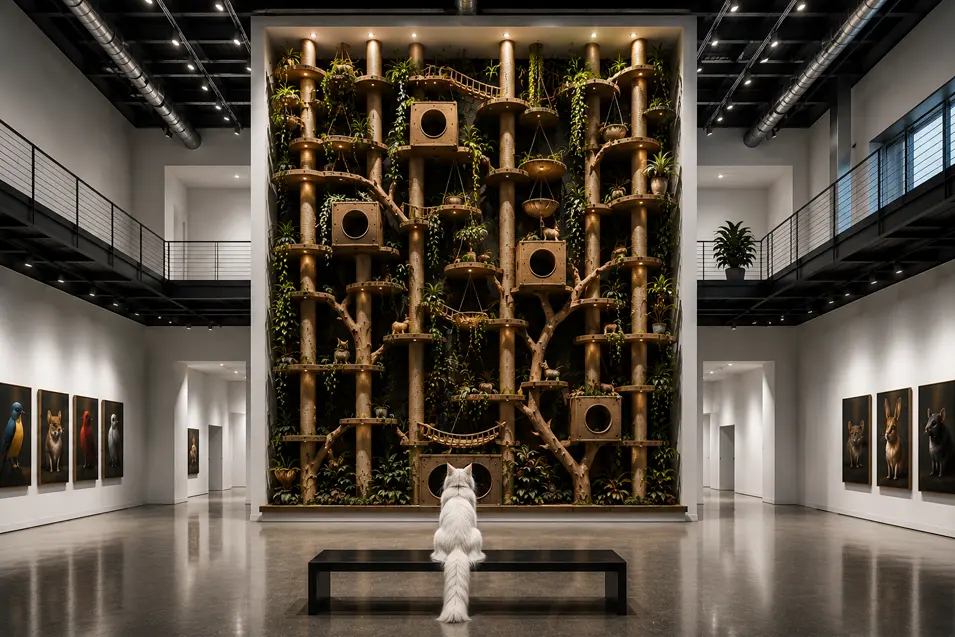
What would happen if dogs curated an art museum?
The question may sound silly at first, but it opens the door to a fascinating thought experiment. Humans have spent thousands of years creating art inspired by the things we find beautiful, meaningful, or emotionally significant. Paintings, sculptures, photographs, and galleries often reflect our interests, experiences, and obsessions.
Dogs aren’t so different.
If our canine companions could create their own museums, what would they choose to display? Which objects would be elevated to the status of masterpieces? What subjects would fill gallery walls and museum halls?
The answers may reveal more about dogs—and perhaps ourselves—than we realize.
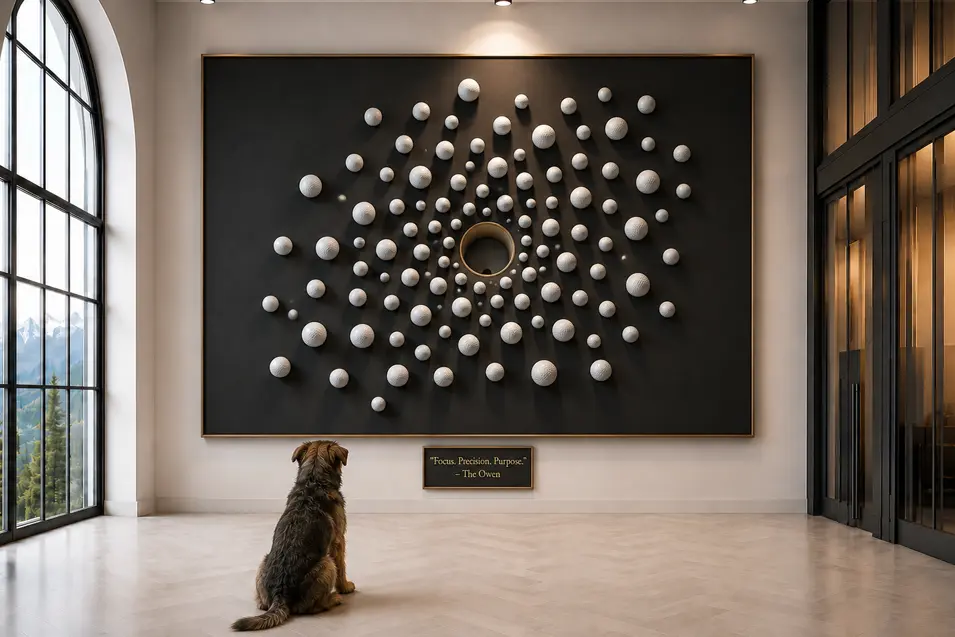
The Great Ball Exhibition
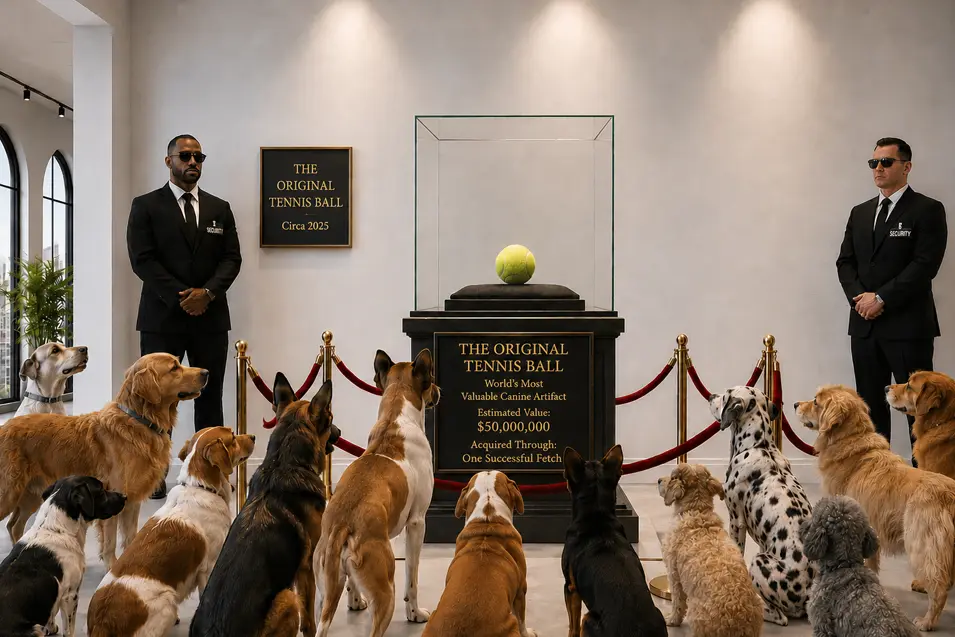
Any dog museum would almost certainly begin with a gallery devoted entirely to balls.
Tennis balls. Soccer balls. Rubber balls. Squeaky balls. Worn-out balls that have survived hundreds of games of fetch.
To humans, they are simple toys.
To many dogs, they are objects of endless fascination.
Imagine an elegant gallery filled with illuminated displays showcasing the finest examples ever discovered. Rare specimens would be displayed behind glass. Massive portraits would celebrate their form, texture, and bounce potential.
For a dog, this might be the equivalent of visiting the Louvre.
Related: The Ball Collection
A Retrospective on Sticks
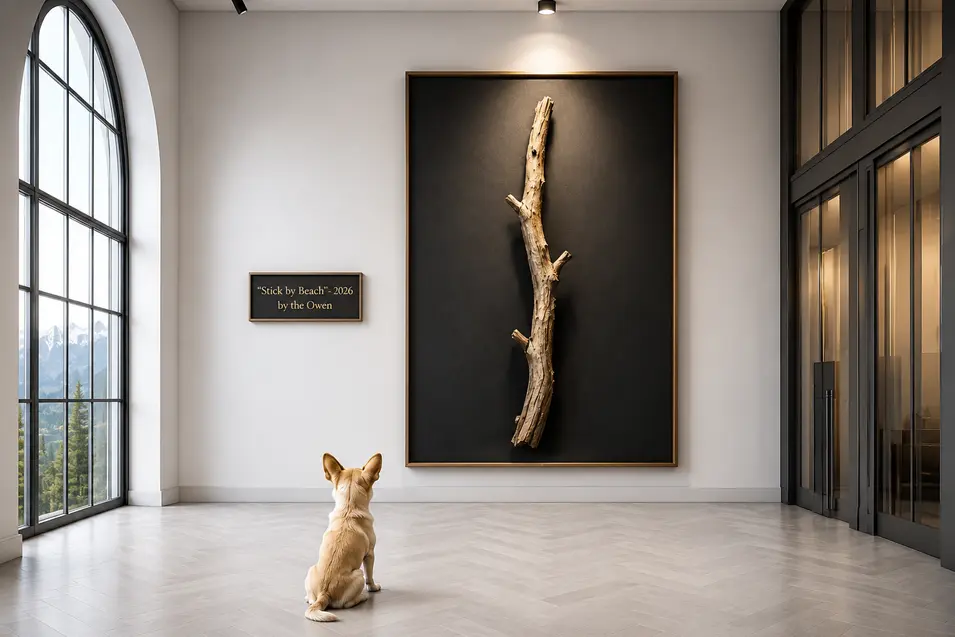
No collection would be complete without a dedicated wing devoted to sticks.
Not all sticks are equal.
Some are perfectly shaped for carrying. Others possess exceptional throwing characteristics. A select few achieve legendary status during long walks and backyard adventures.
In a canine museum, these treasured finds would likely be displayed as priceless artifacts.
Visitors might admire their shape, durability, and chewability while debating the merits of one stick over another.
Related: The Stick Collection
Squirrels: The Elusive Subject
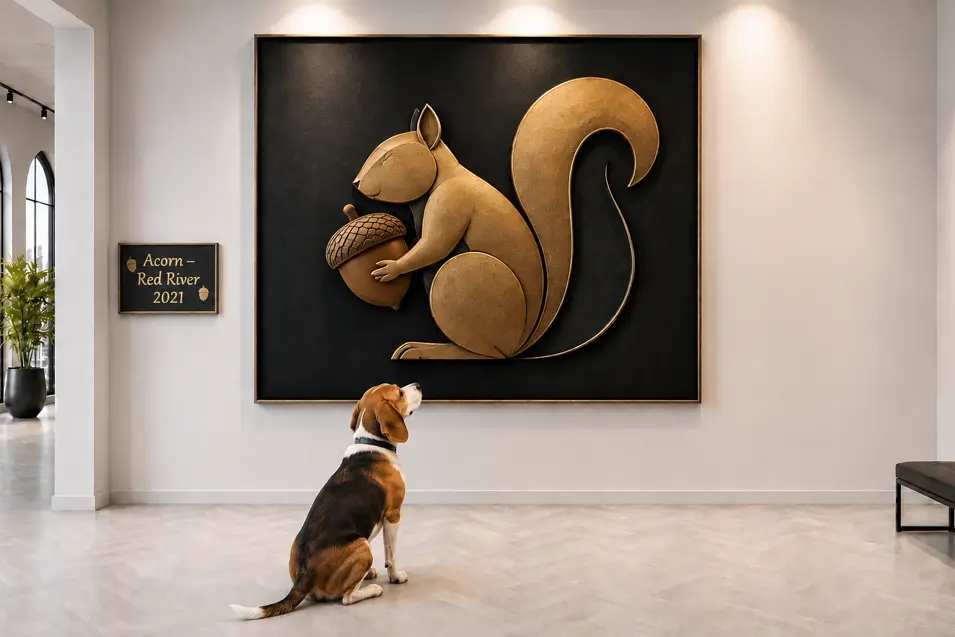
Throughout human history, artists have often been drawn to mystery and intrigue.
Dogs would likely feel the same way about squirrels.
Paintings, photographs, and sculptures would explore the squirrel’s role as one of nature’s most captivating and frustrating creatures. Entire exhibitions could be devoted to their speed, agility, and uncanny ability to disappear just when things become interesting.
No canine museum would be complete without a squirrel collection.
The Art of the Walk

Dogs experience the world differently than we do.
While humans often focus on what they see, dogs gather information through scent, movement, and exploration.
A gallery dedicated to walks might feature landscapes filled with trails, parks, forests, beaches, and neighborhoods. Each image would represent not only a place but an experience.
For many dogs, the daily walk isn’t simply exercise.
It’s an adventure.
The Science of Comfort
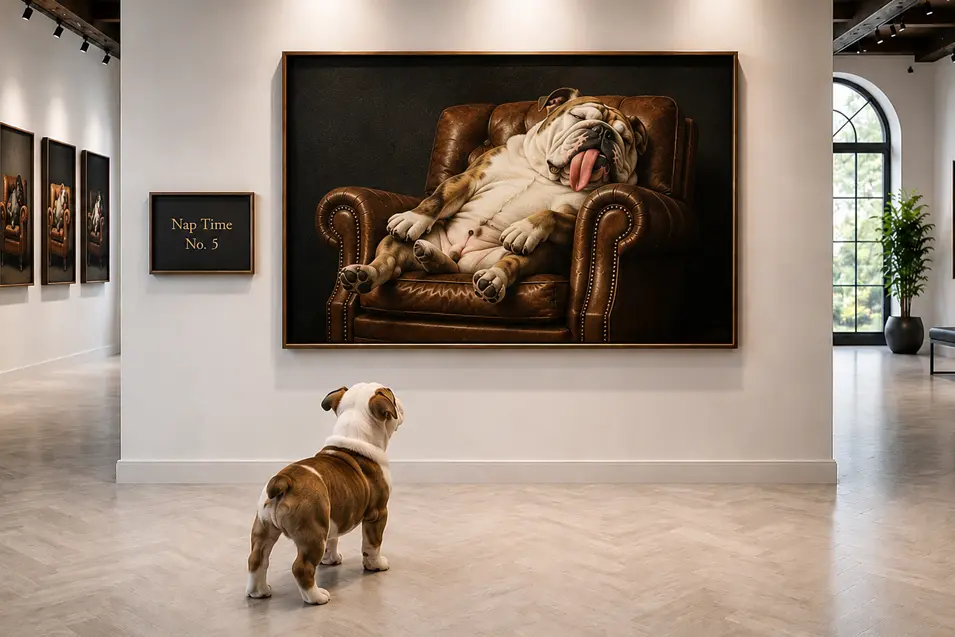
Humans have created countless works of art inspired by comfort, beauty, and domestic life.
Dogs would likely dedicate an entire wing to beds, blankets, couches, and sunbeams.
The perfect napping location would be celebrated as a masterpiece. Warm patches of sunlight would become iconic subjects. Comfortable furniture might achieve legendary status.
To a dog, comfort isn’t a luxury.
It’s an art form.
Portraits of Great Humans

While dogs would certainly celebrate balls, sticks, and squirrels, they would likely reserve a place of honor for the people they love.
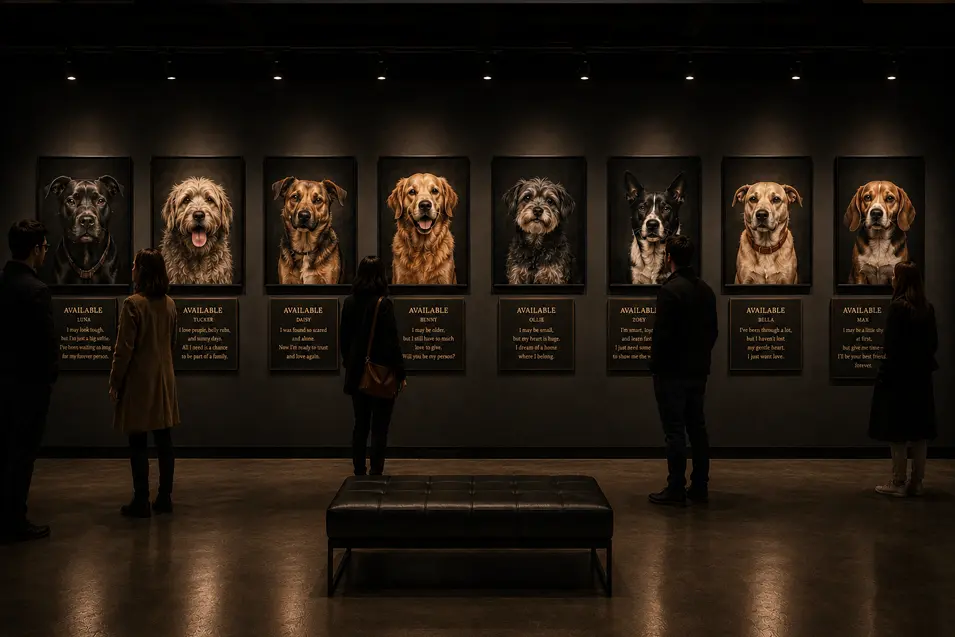
A canine museum might feature galleries filled with portraits of favorite humans. The people who provide food, companionship, adventures, and affection would undoubtedly occupy a central place within the collection.
From a dog’s perspective, these individuals are among the most important figures in the world.
The Joy Collection
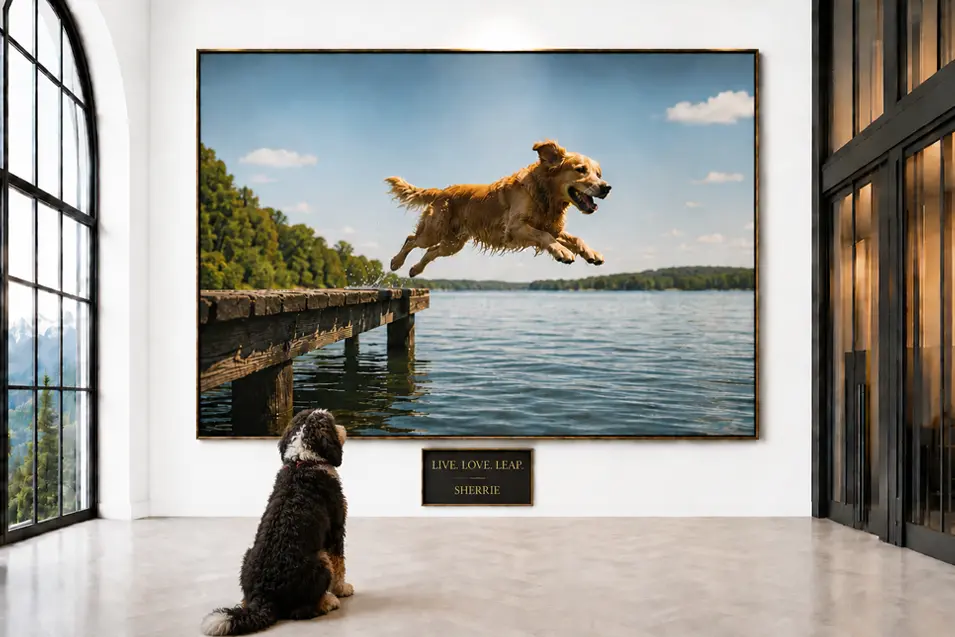
Human art often attempts to capture emotion.
Dogs might focus on joy.
Images of open fields, flowing rivers, friendly faces, exciting car rides, and successful games of fetch would dominate the collection. Every exhibit would celebrate experiences that bring happiness and excitement.
Viewed through a dog’s eyes, the world is often filled with reasons to be enthusiastic.
Why This Matters
While the idea of a dog-curated museum is playful, it highlights something important.
Dogs remind us to appreciate simple pleasures. They find wonder in ordinary objects, excitement in familiar places, and happiness in everyday experiences.
A tennis ball is never just a tennis ball.
A walk is never just a walk.
A sunny spot on the floor is never just a patch of sunlight.
By imagining the world through a dog’s eyes, we gain a new appreciation for the things we often overlook.
Final Thoughts
Art reflects what we value.
If dogs created museums, their galleries would likely look very different from ours. The exhibits might focus on balls, sticks, squirrels, naps, walks, and the people they love most.
Yet beneath the humor lies a surprisingly meaningful lesson.
Sometimes the most important things in life aren’t the rarest, most expensive, or most impressive.
Sometimes they’re the simple things that bring us joy every single day.
And few creatures understand that better than dogs.