For many families, fish are among the first pets children encounter. Colorful, fascinating, and relatively quiet, aquarium fish can introduce kids to the responsibilities of pet ownership while providing a window into the natural world.
But are fish actually good pets for children?
The answer depends on a child’s age, expectations, and level of involvement. While fish can be rewarding companions and educational additions to the home, they are not always as simple to care for as many people assume.
Understanding both the benefits and challenges can help parents decide whether an aquarium is the right choice for their family.
Why Fish Appeal to Children
Fish are naturally captivating.
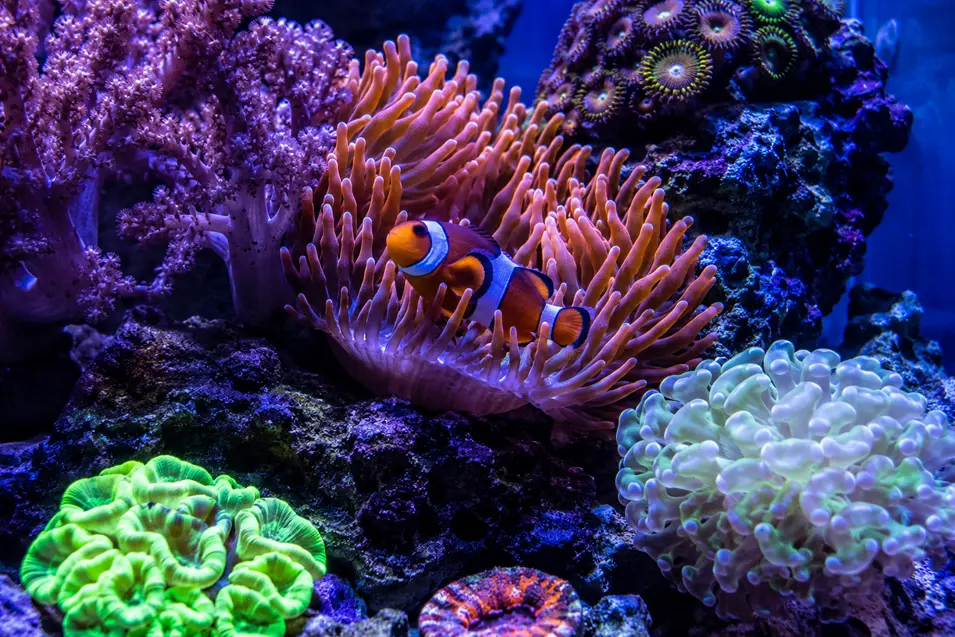
Their bright colors, unique behaviors, and graceful movements often draw children’s attention in ways few other pets can. Watching fish swim through a well-maintained aquarium can be relaxing, entertaining, and educational.
Many children enjoy:
- Feeding fish
- Observing their behavior
- Learning about different species
- Decorating aquariums
- Watching aquatic ecosystems develop
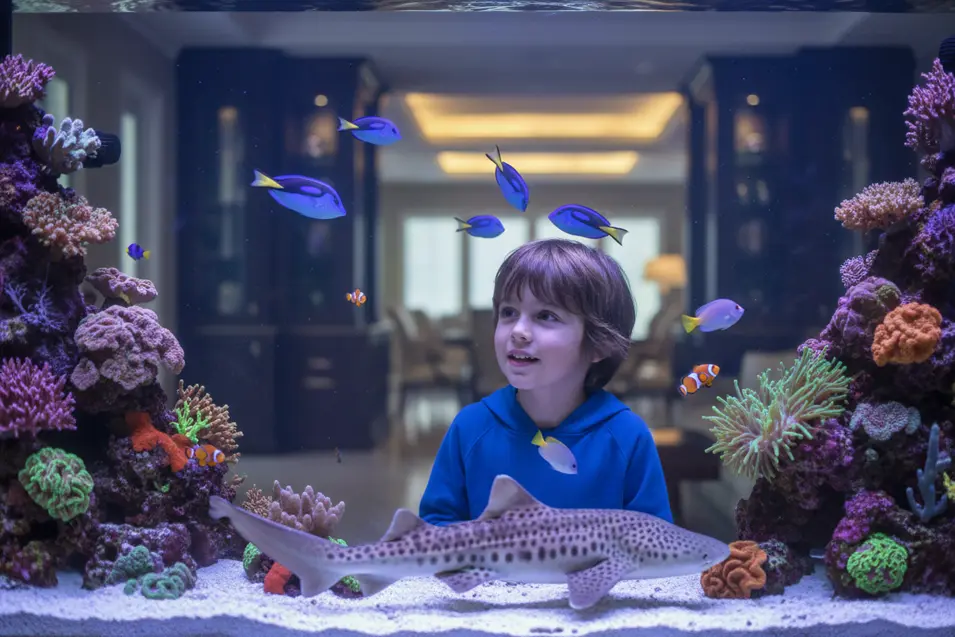
For curious children, an aquarium can spark a lifelong interest in animals, science, and nature.
Fish Can Teach Responsibility
One of the biggest advantages of fish ownership is the opportunity to teach responsibility.
Even young children can participate in simple tasks such as:
- Feeding fish under supervision
- Monitoring water temperature
- Helping clean decorations
- Observing fish health and behavior
As children get older, they can become more involved in aquarium maintenance, water testing, and learning about proper fish care.
However, parents should understand that children often need guidance and support. Fish should never be viewed as a pet that a young child can care for entirely on their own.
Fish Are Quieter Than Many Pets
Unlike dogs, birds, or some small mammals, fish are generally quiet and require little direct interaction.
This can make them a good option for:
- Apartments
- Smaller homes
- Families with allergies
- Children who are nervous around larger animals
A properly maintained aquarium can add beauty and tranquility to a room while requiring less space than many traditional pets.
The Biggest Misconception About Fish
Many people assume fish are easy pets.
Unfortunately, this misconception often leads to problems.
Fish may not need walks or grooming, but they do require:
- Proper tank size
- Filtration
- Water quality management
- Regular maintenance
- Appropriate nutrition
- Species-specific care
A small bowl with a fish is rarely a suitable long-term environment.
Parents should be prepared to learn basic aquarium care and assist younger children with ongoing maintenance.
Choosing the Right Fish
Not all fish are ideal for children.
Some species are delicate, expensive, or require highly specialized care.
Beginner-friendly options often include:
Betta Fish
Colorful and engaging, bettas can be excellent starter fish when housed in properly sized, heated aquariums.
Guppies
Active, colorful, and relatively hardy.
Platies
Friendly community fish that adapt well to beginner aquariums.
Mollies
Available in many colors and varieties, mollies can be rewarding for new fishkeepers.
Zebra Danios
Hardy fish known for their activity and resilience.
Researching species before purchasing fish is one of the best ways to set children up for success.
Fish Encourage Learning
Aquariums can become living classrooms.
Children often learn about:
- Animal behavior
- Ecosystems
- Water chemistry
- Biology
- Environmental stewardship
- Responsibility
Many young fishkeepers develop a deeper appreciation for nature and the interconnectedness of living things.
An aquarium can inspire questions and curiosity that extend far beyond the tank itself.
Are Fish Better Than Other First Pets?
Fish offer certain advantages over dogs, cats, and small mammals:
- Require less space
- Generally cost less to feed
- Do not need daily exercise
- Can be observed safely by young children
However, fish also lack some of the direct interaction many children seek from pets.
Children hoping for a pet they can cuddle, train, or play with may be disappointed by fish.
Families should carefully consider what type of pet experience they are looking for before making a decision.
Tips for Parents
If you’re considering fish for your child, keep these tips in mind:
Start with an Appropriate Tank
Larger aquariums are often easier to maintain than very small tanks.
Research Before Buying
Learn about fish species, equipment, and maintenance requirements before bringing fish home.
Set Realistic Expectations
Fish are living animals that require ongoing care and attention.
Participate Together
Aquarium care can be an excellent family activity.
Focus on Learning
Use the aquarium as an opportunity to explore science, nature, and responsibility.
Final Thoughts
Fish can make wonderful pets for children when families understand the responsibilities involved.
They provide opportunities to learn, observe, and develop a greater appreciation for animals and the natural world. While fish may not offer the same type of companionship as dogs or cats, they can still become cherished members of the household.
For children who enjoy observing nature and are willing to learn about proper care, an aquarium can be both an educational experience and a rewarding hobby that lasts a lifetime.
Related Reading
- Aquariums in Homes with Young Children
- Teaching Children Responsibility Through Aquarium Care
- Helping Children Cope with the Loss of a Pet Fish
- Low-Maintenance Aquarium Setups for Busy Families
- Aquariums in the Home: Design, Placement, Planning, and Practical Living