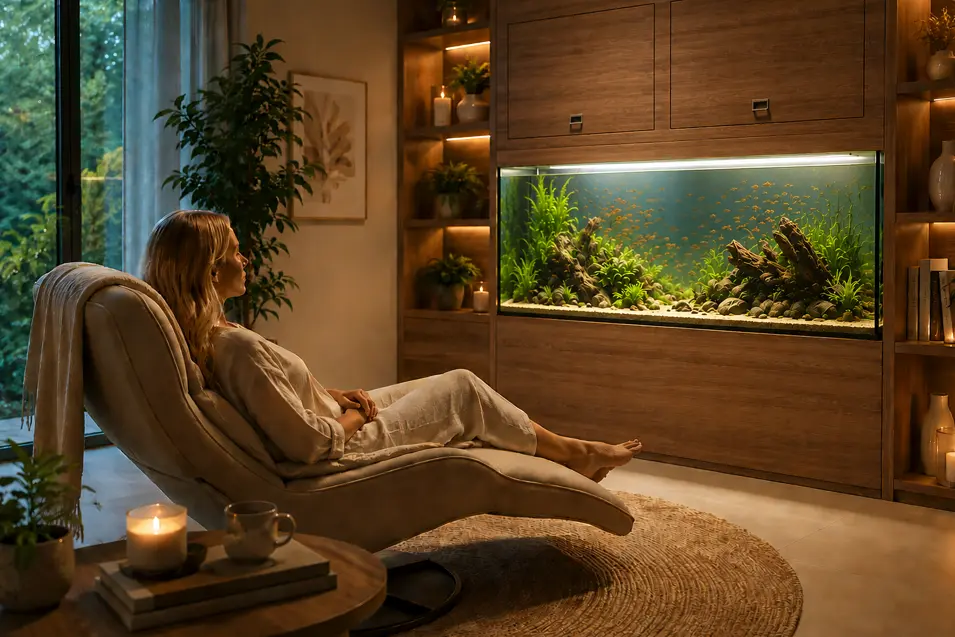
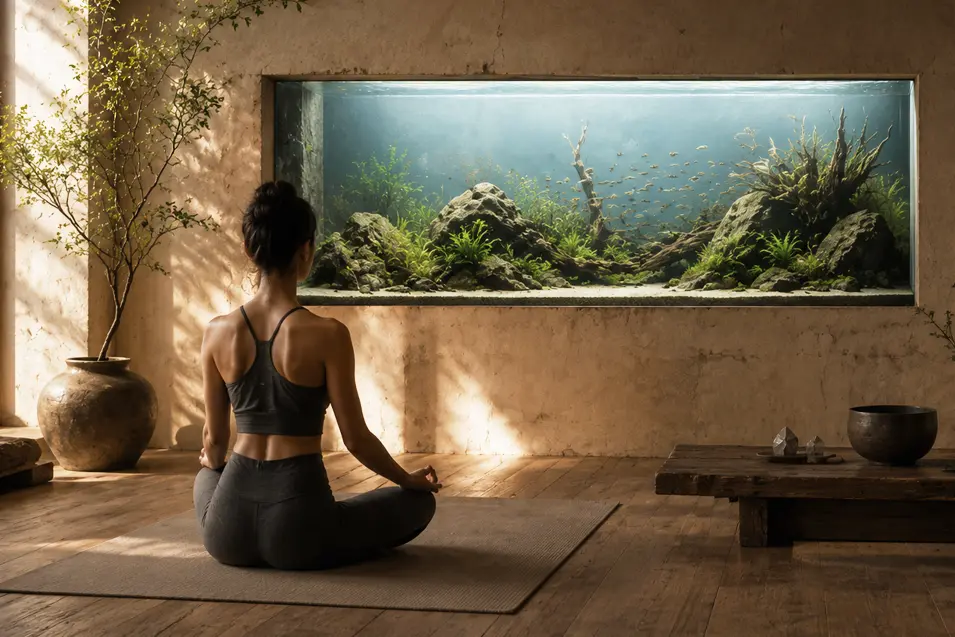
Modern life can be overwhelming. Between work deadlines, family responsibilities, digital distractions, and the constant pace of daily life, many people actively seek ways to create moments of peace and relaxation at home.
While meditation apps, indoor plants, and cozy reading spaces have become popular tools for creating calmer environments, aquariums offer something uniquely powerful. They combine movement, nature, sound, color, and living creatures into a single feature that naturally encourages people to slow down and focus on the present moment.
For decades, aquariums have been appreciated for their beauty, but many people are discovering that they can also contribute to a greater sense of well-being. Whether placed in a living room, home office, bedroom, or dedicated wellness space, an aquarium can become a daily source of calm in an increasingly busy world.
Why People Find Aquariums Relaxing
Most people have experienced it at some point.
You sit down near an aquarium intending to watch for a moment, only to realize that several minutes have passed without noticing.
There is something naturally soothing about observing aquatic life.
The gentle movement of fish, the sway of plants, and the rhythmic flow of water create a visual experience that feels very different from the fast-moving stimulation of televisions, smartphones, and social media.
Unlike many forms of entertainment, aquariums don’t demand attention. Instead, they quietly invite observation and contemplation.
This passive engagement is one reason many people describe aquariums as calming.
Bringing Nature Indoors
Humans have a long history of seeking connections with nature.
Many people feel more relaxed when spending time around:
- Trees
- Lakes
- Oceans
- Gardens
- Natural landscapes
Unfortunately, modern lifestyles often limit access to these environments.
Aquariums help bridge that gap by bringing a small piece of nature indoors.
Even a modest aquarium introduces:
- Living creatures
- Natural movement
- Organic textures
- Water elements
- Ecosystem dynamics
These features can make indoor spaces feel more balanced and connected to the natural world.
Creating a Visual Escape
One reason aquariums can feel restorative is that they provide a mental break from daily pressures.
When people observe an aquarium, their attention often shifts away from:
- Work stress
- Household responsibilities
- Digital notifications
- Busy schedules
Instead, they focus on:
- Fish behavior
- Aquatic landscapes
- Movement patterns
- Natural interactions
This temporary shift in attention can help create a sense of mental distance from everyday concerns.
The Power of Gentle Movement
Movement plays an important role in how aquariums influence a space.
Unlike flashing screens or rapidly changing images, aquarium movement tends to be smooth and predictable.
Fish glide through the water.
Plants sway gently in the current.
Bubbles rise steadily toward the surface.
These slow, repetitive motions contribute to a peaceful atmosphere that many people find comforting.
The effect is subtle but powerful.
Aquariums as Mindfulness Tools
Mindfulness involves focusing attention on the present moment without judgment.
Many people practice mindfulness through:
- Meditation
- Breathing exercises
- Yoga
- Nature walks
Aquariums can support similar experiences.
Watching fish move through their environment encourages observation rather than analysis.
People often become absorbed in simple details:
- Color patterns
- Swimming behavior
- Interactions between fish
- Plant movement
These moments of focused attention naturally pull awareness toward the present.
Designing a Calm Aquarium Space
The aquarium itself is important, but the surrounding environment also matters.
Creating a calming aquarium area often involves thoughtful design choices.
Comfortable Seating
Provide a place where people can comfortably sit and enjoy the aquarium.
Options include:
- Armchairs
- Recliners
- Reading chairs
- Window seats
- Meditation cushions
Comfort encourages longer periods of observation and relaxation.
Soft Lighting
Harsh lighting can reduce the calming effect of a space.
Many wellness-focused aquarium areas incorporate:
- Warm ambient lighting
- Dimmable fixtures
- Accent lighting
- Natural daylight
The goal is to create a soothing atmosphere rather than a brightly lit display area.
Reduced Clutter
Visual clutter can increase feelings of stress and distraction.
A simple, organized environment often helps the aquarium remain the focal point while supporting a sense of calm.
Natural Elements
Combining aquariums with:
- Indoor plants
- Natural wood
- Stone textures
- Soft fabrics
can strengthen the connection to nature and create a more relaxing environment.
Aquariums in Wellness Rooms
As homeowners increasingly prioritize wellness-focused spaces, aquariums are becoming popular additions to:
- Meditation rooms
- Reading nooks
- Yoga spaces
- Reflection areas
- Home spas
The aquarium serves as both a visual feature and a calming presence.
Unlike televisions or electronic devices, aquariums contribute to the atmosphere without introducing additional distractions.
Aquariums in Home Offices
Remote work has changed how many people use their homes.
Home offices are often associated with deadlines, meetings, and productivity.
Adding an aquarium can help balance these demands by introducing a calming visual element into the workspace.
Many aquarium owners report enjoying brief moments of observation during breaks, helping create natural pauses throughout the workday.
This can contribute to a more pleasant and balanced work environment.
Family Benefits of Aquariums
The calming effects of aquariums are not limited to adults.
Children often enjoy:
- Watching fish
- Learning about aquatic life
- Feeding routines
- Observing behavior
Families frequently find that aquariums become shared points of interest that encourage conversation and quiet observation.
In busy households, this can help create moments of connection and relaxation.
Choosing Fish for a Calming Display
Almost any healthy aquarium can be enjoyable, but certain setups tend to create especially peaceful displays.
Popular options include:
Community Aquariums
Colorful schooling fish create gentle movement and visual harmony.
Planted Aquariums
Live plants add natural beauty and create a tranquil underwater landscape.
Nature Aquascapes
These aquariums mimic natural environments and often emphasize simplicity and balance.
Slow-Moving Species
Certain fish naturally move at a slower pace, contributing to a more relaxed viewing experience.
The best aquarium is ultimately the one that brings enjoyment to its owner.
Aquariums and Daily Rituals
Many people develop routines around their aquariums.
Examples include:
- Morning observation with coffee
- Evening relaxation after work
- Quiet reflection before bed
- Reading near the aquarium
These small rituals can help establish moments of calm throughout the day.
Over time, the aquarium becomes more than a decorative feature—it becomes part of a wellness-focused lifestyle.
The Importance of Responsible Expectations
While many people find aquariums relaxing and beneficial, it’s important to maintain realistic expectations.
An aquarium is not a substitute for professional mental health care, medical treatment, or therapy when those services are needed.
Instead, aquariums should be viewed as one of many tools that can contribute to a comfortable, restorative home environment.
For many people, they simply provide a meaningful source of enjoyment, relaxation, and connection to nature.
Conclusion
Aquariums offer a unique combination of beauty, movement, and natural tranquility that can help transform ordinary rooms into calming spaces. By bringing a living ecosystem indoors, they create opportunities for relaxation, mindfulness, and quiet observation that fit naturally into daily life.
Whether incorporated into a living room, home office, reading nook, or dedicated wellness space, an aquarium can become a gentle reminder to slow down and appreciate the present moment.
In a world filled with noise and distractions, that simple opportunity for calm may be one of the aquarium’s greatest benefits.
Frequently Asked Questions
Can aquariums help reduce stress?
Many people report feeling more relaxed when watching fish and observing aquarium environments. The gentle movement and natural elements can contribute to a calming atmosphere.
What type of aquarium is best for relaxation?
Planted aquariums, community tanks, and nature-inspired aquascapes are often popular choices because they emphasize natural beauty and peaceful movement.
Are aquariums good for home offices?
Yes. Many people enjoy having an aquarium in a home office because it provides a calming visual break during the workday.
Where should I place an aquarium for maximum relaxation?
Living rooms, reading nooks, home offices, meditation spaces, and wellness rooms are all excellent locations where the aquarium can be enjoyed regularly.
Can aquariums improve mental health?
Aquariums may contribute to relaxation and overall well-being, but they are not a replacement for professional medical or mental health care when needed.
Related Reading
- The Relaxation Benefits of Aquariums: Why People Love Watching Fish
- Aquariums in the Home: Design, Placement, Planning, and Practical Living
- Aquarium Reading Nooks: Creating Cozy Spaces Around Fish Tanks
- Aquarium Wellness Rooms: Designing Spaces for Relaxation and Reflection
- Aquarium Meditation Spaces: Bringing Nature Into Mindfulness Practices
- Biophilic Design and Aquariums: Bringing Living Nature Indoors