Modern life is often fast-paced, noisy, and filled with distractions. Between work obligations, family responsibilities, digital devices, and endless notifications, many people find themselves searching for ways to slow down and create moments of calm.
As a result, wellness-focused spaces have become increasingly popular in homes of all sizes. These rooms are designed to support relaxation, mindfulness, self-care, and emotional well-being.
One of the most effective features homeowners can incorporate into a wellness space is an aquarium.
The gentle movement of fish, the natural beauty of aquatic plants, and the calming presence of water create an atmosphere that encourages relaxation and reflection. Unlike many decorative elements, an aquarium is alive, constantly evolving, and capable of drawing attention away from daily stressors.
When thoughtfully integrated into a dedicated wellness room, an aquarium can help transform an ordinary space into a personal sanctuary.
What Is an Aquarium Wellness Room?
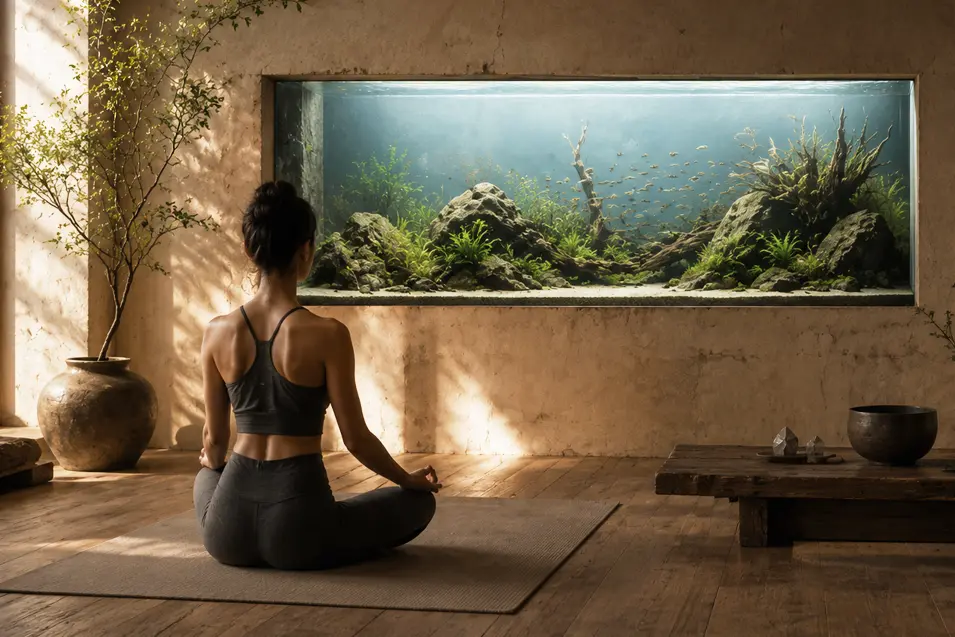
An aquarium wellness room is a space specifically designed to promote relaxation, mental clarity, and emotional well-being through the incorporation of natural elements, including an aquarium.
These rooms often serve multiple purposes, such as:
- Quiet reflection
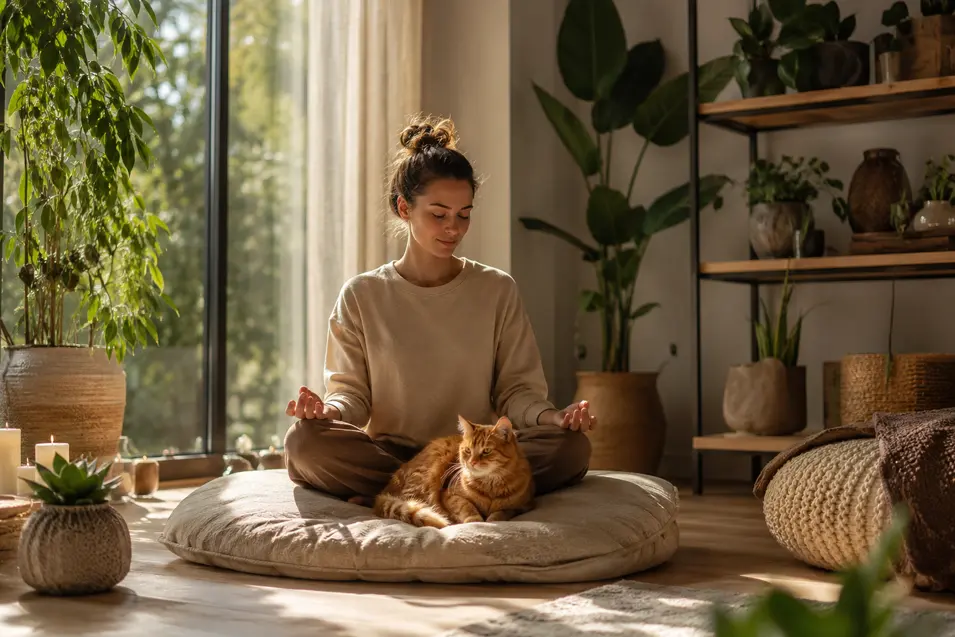
- Meditation
- Reading
- Yoga
- Relaxation
- Stress management
- Mindfulness practices
The aquarium acts as both a visual focal point and a living connection to nature.
Unlike entertainment rooms or busy family spaces, wellness rooms prioritize calm, comfort, and simplicity.
Why Aquariums Fit Naturally Into Wellness Spaces
Aquariums align with many of the same principles that guide wellness-oriented design.
They provide:
- Natural movement
- Living ecosystems
- Water elements
- Visual interest
- Opportunities for quiet observation
Unlike televisions or digital devices, aquariums encourage passive engagement rather than constant stimulation.
Many people find themselves naturally slowing down when watching fish swim through a carefully designed aquatic environment.
This gentle form of observation often supports relaxation and mindfulness.
The Connection Between Nature and Well-Being
Humans have an innate attraction to natural environments.
People frequently seek comfort in:
- Forests
- Gardens
- Lakes
- Rivers
- Oceans
Wellness-focused design often incorporates natural elements because they help create environments that feel restorative and calming.
Aquariums bring several aspects of nature indoors simultaneously, including:
- Water
- Wildlife
- Plants
- Natural movement
This combination makes them particularly effective in wellness-oriented spaces.
Creating a Space for Relaxation
The primary goal of a wellness room is relaxation.
Every design choice should support that objective.
The aquarium can serve as the room’s centerpiece while the surrounding environment reinforces feelings of calm.
Successful wellness rooms often feature:
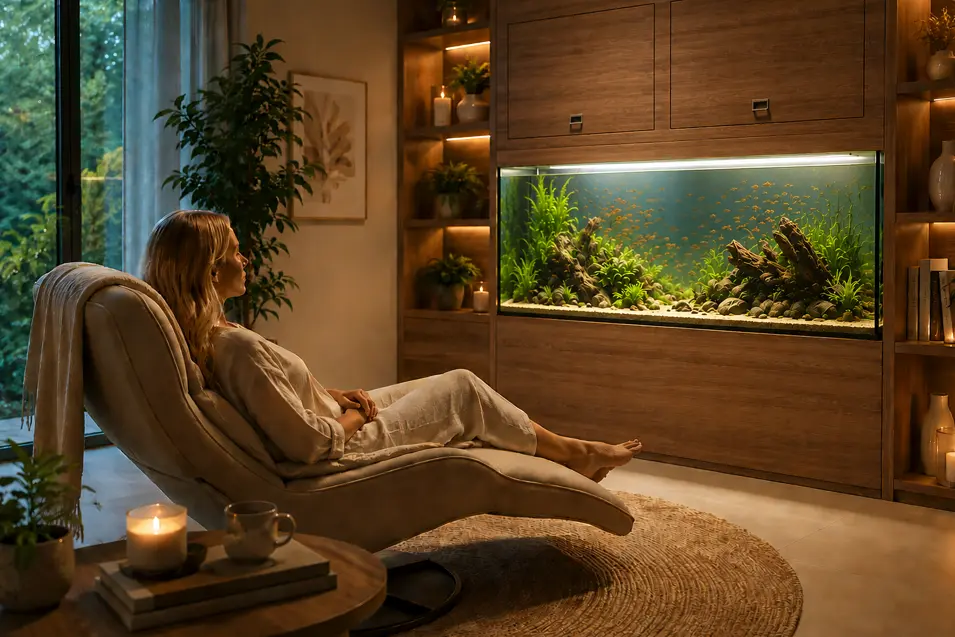
- Comfortable seating
- Soft lighting
- Minimal clutter
- Natural textures
- Quiet surroundings
The aquarium becomes a focal point that encourages slowing down and being present.
Choosing the Right Aquarium Style
Certain aquarium styles are especially well-suited to wellness environments.
Planted Aquariums
Planted aquariums create lush underwater gardens filled with greenery and natural textures.
Benefits include:
- Organic appearance
- Soft visual impact
- Natural growth and change
- Strong connection to nature
These aquariums often feel peaceful and restorative.
Nature Aquascapes
Nature aquariums are designed to resemble landscapes found in the natural world.
They frequently feature:
- Driftwood
- Stone formations
- Live plants
- Open swimming areas
Their emphasis on balance and harmony aligns closely with wellness design principles.
Minimalist Aquariums
Some wellness spaces benefit from simplicity.
Minimalist aquascapes focus on:
- Open space
- Careful composition
- Limited distractions
This approach can enhance feelings of calm and clarity.
Designing Around the Aquarium
An aquarium wellness room should feel cohesive rather than crowded.
The aquarium works best when integrated into the overall design.
Consider:
- Sightlines
- Seating placement
- Lighting
- Room flow
- Noise levels
The aquarium should be visible from primary relaxation areas without dominating the entire space.
Lighting for Wellness Spaces
Lighting significantly influences mood.
Bright, harsh lighting can feel stimulating and uncomfortable.
Wellness rooms often benefit from:
- Warm light
- Soft illumination
- Dimmable fixtures
- Natural daylight
Aquarium lighting should complement the room rather than overpower it.
Many homeowners enjoy programmable LED systems that mimic natural daylight cycles.
The result is a more soothing and natural atmosphere.
Incorporating Other Natural Elements
Aquariums become even more effective when combined with additional biophilic design features.
Popular options include:
- Indoor plants
- Natural wood
- Stone accents
- Water features
- Organic fabrics
These elements reinforce the connection to nature and strengthen the room’s calming effect.
Comfortable Seating Matters
A wellness room is meant to be used.
Comfortable seating encourages people to spend time in the space.
Options may include:
- Lounge chairs
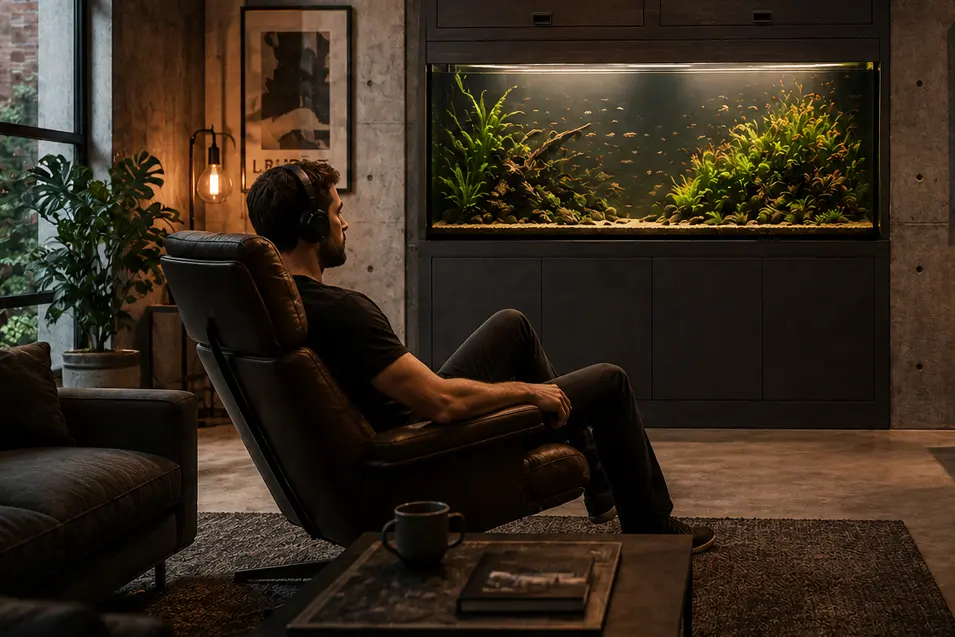
- Recliners
- Floor cushions
- Reading chairs
- Meditation benches
The seating should allow easy viewing of the aquarium while supporting relaxation.
Wellness Activities Enhanced by Aquariums
Aquariums can complement many wellness practices.
Meditation
Fish movement provides a natural focal point for mindfulness exercises.
Deep Breathing
Observing the aquarium while practicing breathing techniques can encourage relaxation.
Reading
Many people enjoy reading beside an aquarium because of the peaceful atmosphere it creates.
Journaling
Aquarium wellness rooms often provide ideal environments for reflection and personal writing.
Yoga and Stretching
Gentle aquatic movement can contribute to a calm setting for low-impact exercise and flexibility work.
The Role of Sound
While most aquariums are relatively quiet, some wellness room designs intentionally incorporate gentle water sounds.
These may come from:
- Overflow systems
- Water features
- Small fountains
Soft natural sounds can enhance the relaxing atmosphere when carefully managed.
However, noisy equipment should be avoided whenever possible.
Avoiding Common Design Mistakes
Some wellness room designs unintentionally undermine their own goals.
Common mistakes include:
- Excessive clutter
- Overly bright lighting
- Loud equipment
- Too many decorative elements
- Poor seating arrangements
Simplicity is often one of the most effective design strategies.
The aquarium should contribute to the sense of calm rather than compete for attention.
Wellness Rooms for the Entire Family
Although wellness rooms are often associated with individual relaxation, they can also benefit the entire household.
Families may use the space for:
- Quiet time
- Reading
- Stress relief
- Reflection
- Relaxation
Children often enjoy watching fish while learning the value of slowing down and appreciating nature.
The Long-Term Benefits
Unlike many home design trends, aquarium wellness rooms often become more rewarding over time.
As plants grow and aquascapes mature, the aquarium evolves into a living environment that continually changes.
Homeowners frequently report that these spaces become favorite areas of the home because they provide a reliable escape from daily pressures.
The aquarium becomes more than décor—it becomes part of a wellness routine.
Conclusion
Aquarium wellness rooms offer a unique combination of nature, beauty, and tranquility. By incorporating living aquatic environments into thoughtfully designed spaces, homeowners can create personal retreats that encourage relaxation, mindfulness, and emotional well-being.
Whether used for meditation, reading, reflection, or simply unwinding after a long day, an aquarium provides a calming focal point that supports the goals of wellness-focused design. Combined with comfortable furnishings, natural materials, and soft lighting, it helps transform an ordinary room into a sanctuary of peace and restoration.
In a world that often feels rushed and overstimulating, an aquarium wellness room offers a simple reminder to slow down, observe, and reconnect with the natural world.
Frequently Asked Questions
What is an aquarium wellness room?
An aquarium wellness room is a space designed to promote relaxation, mindfulness, and well-being through the use of aquariums and other calming design elements.
What type of aquarium is best for a wellness room?
Planted aquariums, nature aquascapes, and minimalist aquarium designs are often ideal because they emphasize natural beauty and tranquility.
Can aquariums help people relax?
Many people find aquariums calming because they provide gentle movement, natural beauty, and opportunities for quiet observation.
Should a wellness room include other natural elements?
Yes. Indoor plants, natural materials, and soft lighting often complement aquariums and enhance the room’s overall atmosphere.
Can children use an aquarium wellness room?
Absolutely. Wellness rooms can provide a peaceful environment for family members of all ages to relax, read, observe nature, and unwind.
Related Reading
- Aquariums and Mental Wellness: Creating Calm Spaces at Home
- Aquarium Meditation Spaces: Bringing Nature Into Mindfulness Practices
- Aquarium Reading Nooks: Creating Cozy Spaces Around Fish Tanks
- Biophilic Design and Aquariums: Bringing Living Nature Indoors
- The Relaxation Benefits of Aquariums: Why People Love Watching Fish
- Aquarium Therapy Rooms: Can Fish Tanks Improve Well-Being?