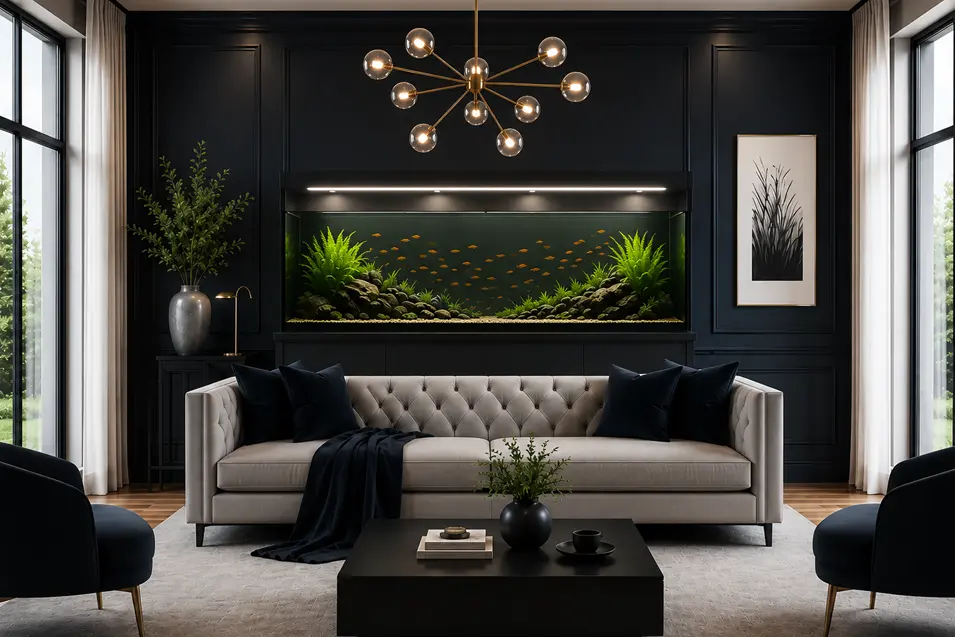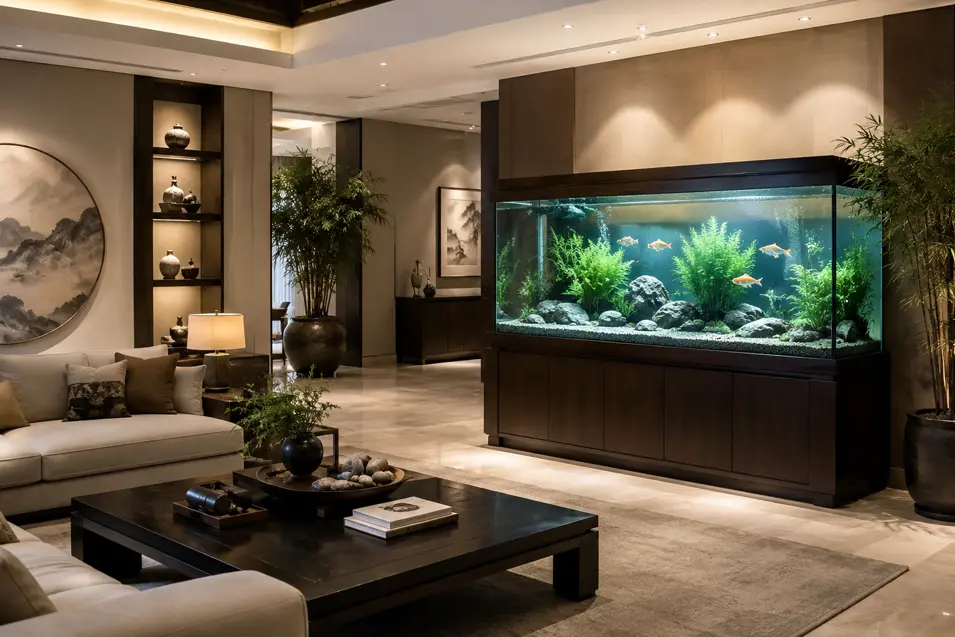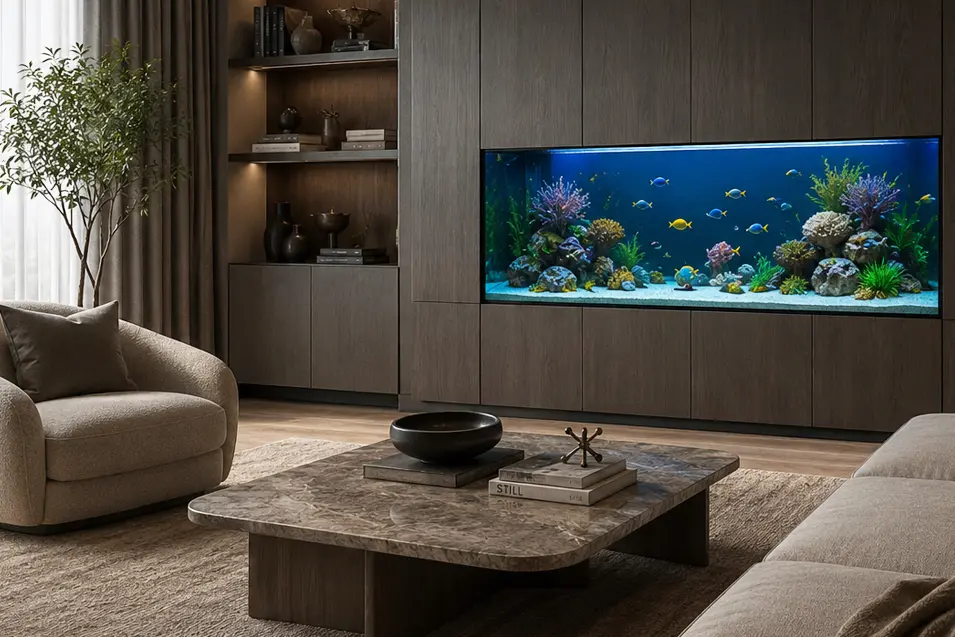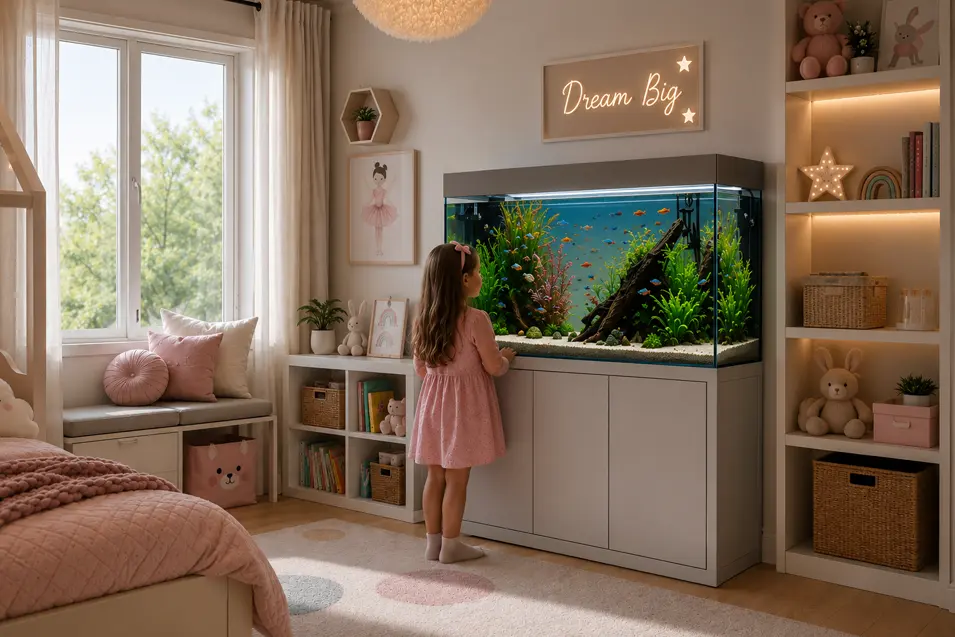
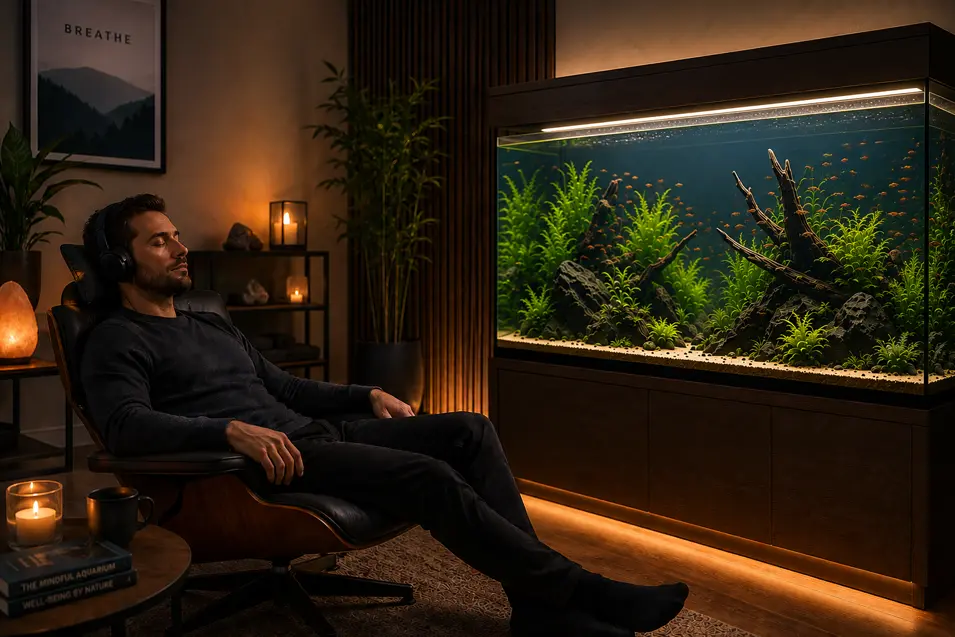
Walk into many hospitals, wellness centers, dental offices, counseling practices, or senior living communities, and you may notice a familiar feature: an aquarium.
For decades, fish tanks have been used in waiting rooms, healthcare facilities, and therapeutic environments because many people find them calming and enjoyable to watch. The gentle movement of fish, the soothing presence of water, and the natural beauty of aquatic ecosystems often create an atmosphere that feels noticeably different from typical indoor spaces.
This has led to growing interest in aquarium therapy rooms—spaces designed around aquariums with the goal of supporting relaxation, comfort, and emotional well-being.
While aquariums are not medical treatments and should not be viewed as substitutes for professional healthcare, many people believe they contribute positively to wellness-focused environments. Whether located in healthcare facilities or private homes, aquarium therapy rooms offer a unique blend of nature, observation, and tranquility that many individuals find beneficial.
What Is an Aquarium Therapy Room?
An aquarium therapy room is a space designed to promote relaxation and comfort through the presence of one or more aquariums.
These rooms may be found in:
- Hospitals
- Healthcare facilities
- Counseling offices
- Senior living communities
- Wellness centers
- Schools
- Private homes
The aquarium typically serves as a central feature that encourages calm observation and creates a more welcoming environment.
Unlike entertainment rooms, therapy spaces are generally designed to minimize stimulation while promoting comfort and relaxation.
Why Aquariums Are Used in Therapeutic Settings
People have long been drawn to water and natural environments.
Many individuals find themselves relaxing when observing:
- Oceans
- Rivers
- Lakes
- Waterfalls
- Aquatic wildlife
Aquariums bring some of these experiences indoors.
The combination of:
- Fish movement
- Water
- Natural scenery
- Living organisms
creates a visual environment that differs significantly from televisions, computers, and other modern distractions.
This distinction is one reason aquariums have become common features in wellness-oriented spaces.
The Potential Benefits of Aquarium Observation
Many aquarium owners describe a sense of calm when watching their fish.
Although individual experiences vary, common reports include:
- Reduced stress
- Increased relaxation
- Improved focus
- Greater mindfulness
- Temporary escape from daily concerns
The simple act of observing an aquarium encourages people to slow down and pay attention to the present moment.
This form of passive observation often feels effortless compared to more structured relaxation techniques.
Aquariums and Waiting Rooms
One of the most familiar examples of aquarium therapy can be found in waiting rooms.
Medical appointments, dental visits, and healthcare procedures can create anxiety for some individuals.
Aquariums may help make these environments feel:
- More welcoming
- Less sterile
- More comfortable
- More engaging
Many patients naturally focus on the fish while waiting, helping pass the time in a pleasant and calming way.
Aquarium Therapy in Senior Living Communities
Aquariums are frequently used in senior living and retirement communities.
Residents often enjoy:
- Watching fish
- Discussing aquatic life
- Sharing memories related to nature
- Spending time in communal spaces
The aquarium provides a source of ongoing visual interest that continues to evolve over time.
For many facilities, aquariums contribute to creating a more inviting and engaging environment.
Counseling and Wellness Spaces
Some counseling practices and wellness centers incorporate aquariums into their offices or waiting areas.
The aquarium can help create a setting that feels:
- Calm
- Comfortable
- Non-threatening
- Relaxing
While the aquarium itself is not part of therapy, it may contribute to the overall atmosphere of the space.
Clients often appreciate natural elements that make professional environments feel more welcoming.
Aquarium Therapy Rooms at Home
Interest in wellness-focused design has encouraged many homeowners to create personal therapy rooms within their homes.
These spaces may include:
- Comfortable seating
- Soft lighting
- Indoor plants
- Reading materials
- Meditation areas
- Aquariums
The goal is to provide a retreat where family members can relax and recharge.
In these settings, the aquarium often serves as a visual focal point that encourages quiet reflection.
Designing an Effective Aquarium Therapy Room
Successful aquarium therapy rooms emphasize comfort and simplicity.
The aquarium should enhance the environment rather than overwhelm it.
Key design considerations include:
- Comfortable seating
- Soft lighting
- Low noise levels
- Minimal clutter
- Easy aquarium visibility
The room should feel peaceful and inviting.
Choosing the Right Aquarium
Not every aquarium style creates the same atmosphere.
Certain designs are particularly well-suited to therapy spaces.
Planted Aquariums
Live plants create a natural appearance and add softness to the display.
Their lush growth often contributes to a calming visual experience.
Nature Aquascapes
Nature-inspired aquariums replicate natural landscapes using:
- Driftwood
- Stones
- Aquatic plants
These displays often feel balanced and harmonious.
Community Aquariums
Peaceful fish communities provide gentle movement without excessive activity.
Many therapy-focused aquariums emphasize species known for calm behavior and attractive appearances.
Lighting and Atmosphere
Lighting plays a major role in how people experience a therapy room.
Harsh lighting can feel clinical or overstimulating.
Many aquarium therapy rooms incorporate:
- Warm lighting
- Natural daylight
- Dimmable fixtures
- Indirect illumination
The aquarium lighting should support the room’s atmosphere while showcasing the beauty of the aquatic environment.
The Importance of Sound
Aquariums are generally quiet, but equipment selection matters.
Loud pumps or vibrating equipment can undermine the calming atmosphere.
Whenever possible, choose:
- Quiet filtration systems
- Silent pumps
- Properly maintained equipment
In some designs, gentle water sounds may contribute positively to the room’s ambiance.
Supporting Mindfulness and Reflection
One reason aquariums are so popular in wellness spaces is their ability to encourage mindful observation.
People often find themselves noticing:
- Fish behavior
- Plant growth
- Water movement
- Light reflections
This attention to the present moment aligns with many mindfulness practices.
The aquarium becomes a natural focal point for quiet reflection.
Understanding the Limits
While many people enjoy aquariums and find them relaxing, it’s important to maintain realistic expectations.
Aquariums are not:
- Medical treatments
- Mental health therapies
- Replacements for professional care
Instead, they are environmental features that may contribute positively to overall comfort and well-being.
Their value lies in supporting a calming atmosphere rather than treating specific conditions.
Why Aquarium Therapy Rooms Continue to Grow in Popularity
As wellness-focused design becomes more common, aquariums are increasingly recognized as valuable additions to calming spaces.
They combine several desirable elements:
- Nature
- Water
- Movement
- Beauty
- Living ecosystems
Few design features provide all of these benefits simultaneously.
For homeowners, healthcare providers, and wellness professionals, aquariums offer a unique way to bring life and tranquility into indoor environments.
Conclusion
Aquarium therapy rooms are designed around a simple but powerful idea: creating environments that encourage relaxation, comfort, and connection with nature. Through the gentle movement of fish, the calming presence of water, and the beauty of living aquatic ecosystems, aquariums help transform ordinary rooms into spaces that feel more peaceful and restorative.
While fish tanks should not be viewed as medical treatments or replacements for professional care, many people find them valuable additions to wellness-focused environments. Whether incorporated into hospitals, counseling offices, senior living communities, or private homes, aquariums continue to play an important role in creating spaces where people can slow down, observe, and relax.
In a world filled with constant stimulation, an aquarium therapy room offers a refreshing opportunity to reconnect with something simple, natural, and calming.
Frequently Asked Questions
What is an aquarium therapy room?
An aquarium therapy room is a space designed to promote relaxation and comfort through the presence of one or more aquariums.
Are aquariums used in healthcare settings?
Yes. Aquariums are commonly found in hospitals, dental offices, wellness centers, senior living communities, and waiting rooms.
Can watching fish reduce stress?
Many people report feeling calmer and more relaxed when observing fish, although experiences vary from person to person.
Are aquarium therapy rooms a form of medical treatment?
No. Aquariums are environmental features that may support comfort and relaxation, but they are not medical treatments or replacements for professional care.
What type of aquarium works best in a therapy room?
Planted aquariums, nature aquascapes, and peaceful community aquariums are often popular choices because they emphasize tranquility and natural beauty.
Related Reading
- Aquariums and Mental Wellness: Creating Calm Spaces at Home
- Aquarium Wellness Rooms: Designing Spaces for Relaxation and Reflection
- Aquarium Meditation Spaces: Bringing Nature Into Mindfulness Practices
- The Relaxation Benefits of Aquariums: Why People Love Watching Fish
- Biophilic Design and Aquariums: Bringing Living Nature Indoors
- Aquarium Reading Nooks: Creating Cozy Spaces Around Fish Tanks