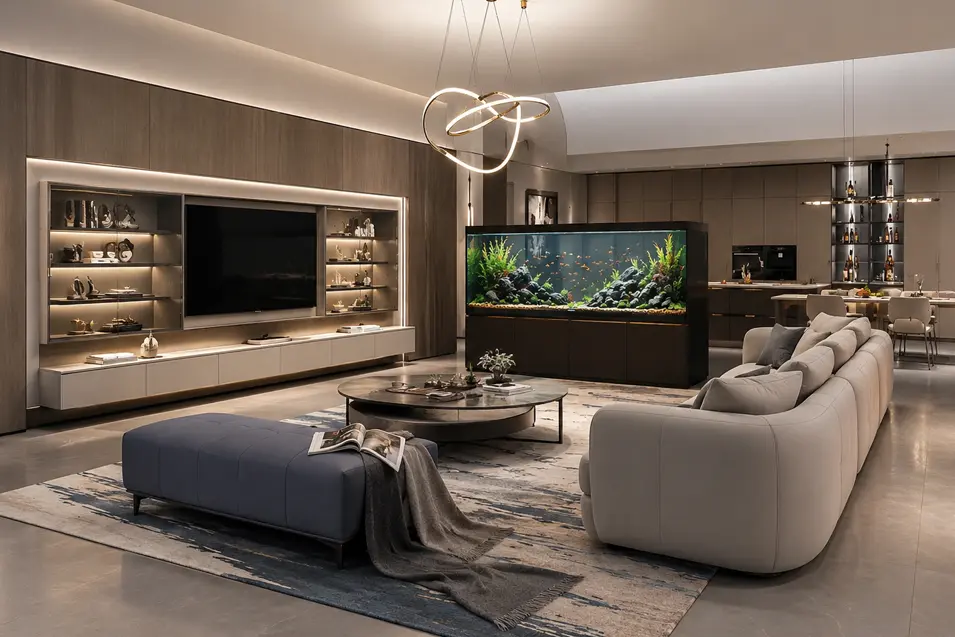
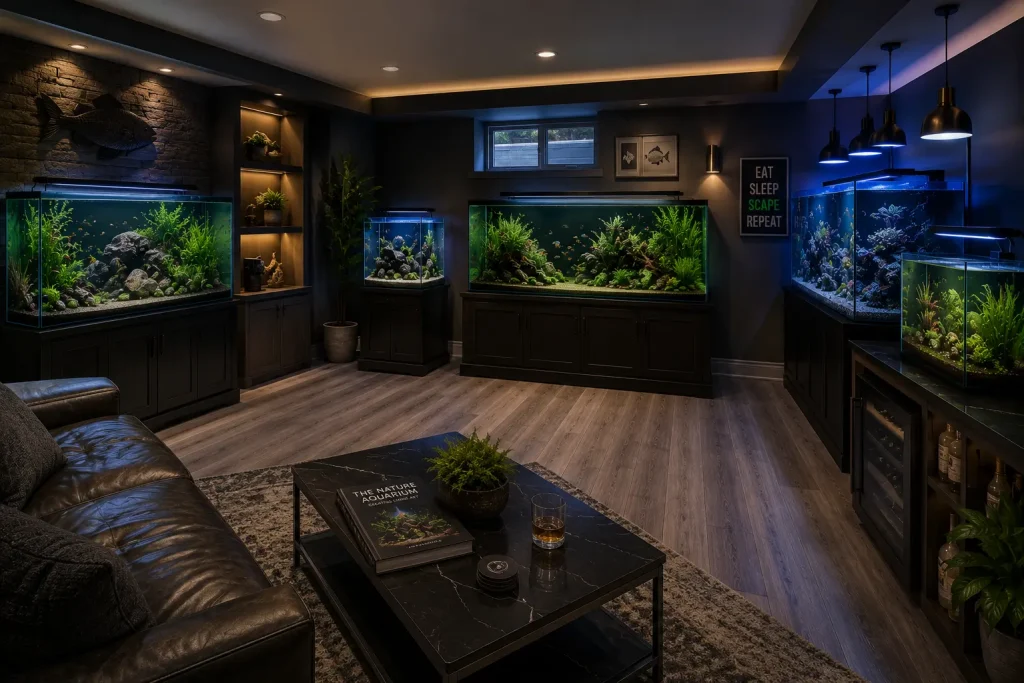
For many aquarium owners, a single aquarium is enough.
For others, fishkeeping evolves into a lifelong passion that gradually expands beyond a single tank in the living room. New species, specialized habitats, breeding projects, aquascaping experiments, and advanced equipment often require more space than traditional room layouts can comfortably accommodate.
This is where dedicated aquarium rooms come into play.
An aquarium room is a space designed specifically around fishkeeping. It may house a single showcase aquarium, multiple display tanks, breeding systems, quarantine aquariums, maintenance equipment, or a combination of all three.
For serious hobbyists, an aquarium room can improve organization, simplify maintenance, and create an immersive environment where aquatic life becomes a central part of the home.
What Is an Aquarium Room?
An aquarium room is a dedicated area designed primarily for the care, display, and enjoyment of aquariums.
These rooms can vary dramatically in size and complexity.
Examples include:
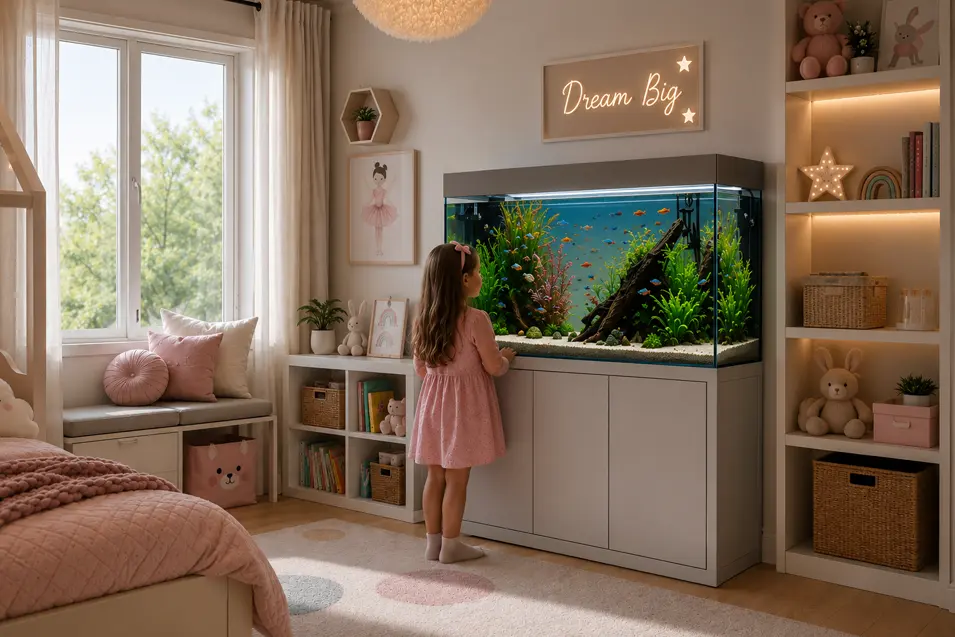
- Spare bedrooms converted into fish rooms
- Basement aquarium spaces
- Home office aquarium rooms
- Custom-built additions
- Dedicated hobby rooms
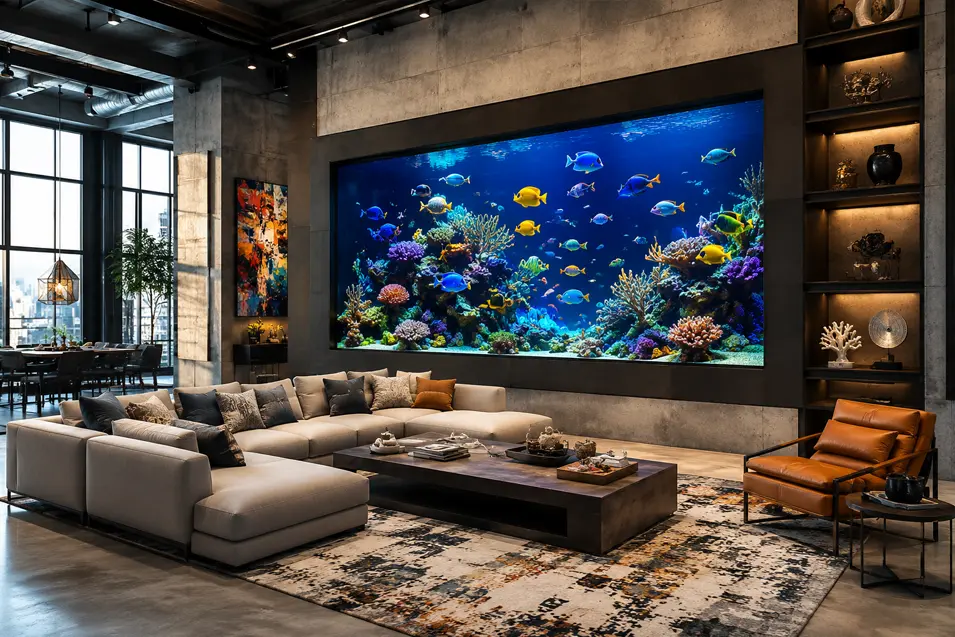
- Luxury aquarium galleries
Some aquarium rooms focus on functionality, while others prioritize design and visual impact.
Many combine both.
Why Create a Dedicated Aquarium Room?
As aquarium collections grow, homeowners often encounter practical challenges.
These may include:
- Limited space
- Equipment clutter
- Storage issues
- Maintenance difficulties
- Noise concerns
A dedicated room helps solve many of these problems by creating a centralized space for fishkeeping activities.
Benefits often include:
- Better organization
- Easier maintenance
- Improved equipment management
- Enhanced viewing experiences
- Room for future expansion
For dedicated hobbyists, an aquarium room can significantly improve the overall fishkeeping experience.
Display-Focused Aquarium Rooms
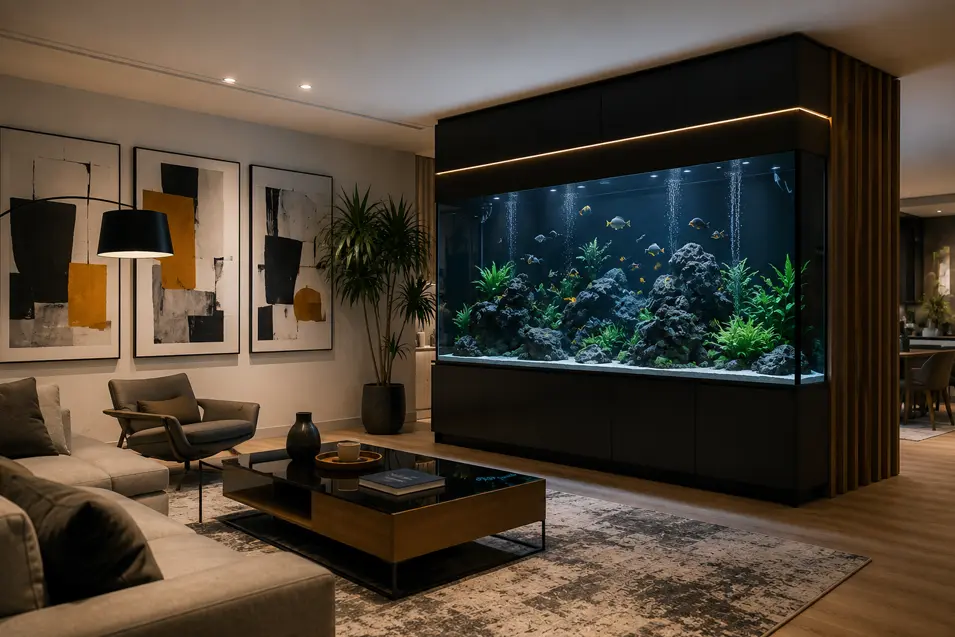
Some aquarium rooms are designed primarily for enjoyment and display.
These spaces often feature:
- Large showcase aquariums
- Custom aquascapes
- Comfortable seating
- Decorative lighting
- Architectural features
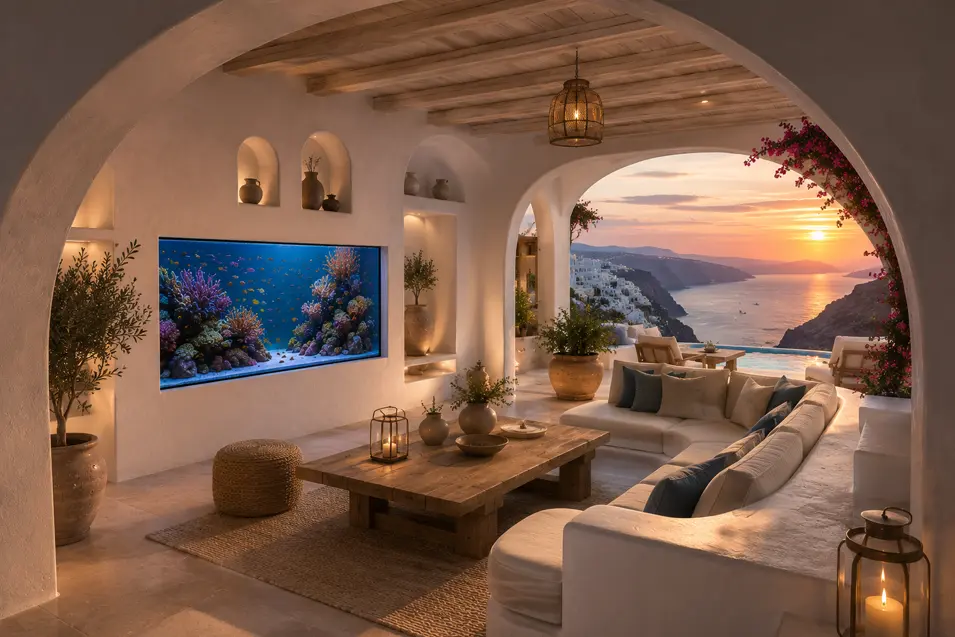
The goal is to create a space where people can relax, observe aquatic life, and appreciate the beauty of carefully designed aquariums.
These rooms often function similarly to home libraries, media rooms, or wellness spaces.
Functional Fish Rooms
Other aquarium rooms prioritize practicality.
These hobby-focused spaces may include:
- Multiple aquariums
- Breeding systems
- Quarantine tanks
- Water storage stations
- Equipment racks
While less decorative, they offer tremendous convenience for active fishkeepers.
Many experienced hobbyists maintain separate display and maintenance areas within the same room.
Choosing the Right Location
Location is one of the most important considerations when planning an aquarium room.
Common choices include:
Basements
Basements are popular because they often provide:
- Additional space
- Concrete floors
- Easy maintenance
- Temperature stability
They are particularly well suited for larger aquarium systems.
Spare Bedrooms
Unused bedrooms can often be converted into attractive aquarium rooms with minimal renovation.
Advantages include:
- Existing electrical access
- Climate control
- Comfortable viewing environments
Home Additions
Some dedicated hobbyists incorporate aquarium rooms into custom home additions or renovations.
This approach allows maximum flexibility during planning and construction.
Planning for Water Access
Water management is a major consideration in any aquarium room.
Routine tasks include:
- Water changes
- Filling aquariums
- Mixing saltwater
- Cleaning equipment
Convenient access to water dramatically improves efficiency.
Ideal features may include:
- Utility sinks
- Water supply lines
- Floor drains
- Water storage systems
Many experienced aquarists consider water access one of the most important aspects of fish room design.
Electrical Planning
Aquariums depend heavily on electricity.
A dedicated aquarium room may require power for:
- Filters
- Heaters
- Lighting
- Pumps
- Air systems
- Controllers
Proper electrical planning should include:
- Adequate outlets
- GFCI protection
- Surge protection
- Organized cable management
The larger the aquarium system, the more important electrical infrastructure becomes.
Managing Humidity
Aquariums naturally increase indoor humidity.
Multiple aquariums can significantly affect air moisture levels.
Proper ventilation may include:
- Exhaust fans
- Dehumidifiers
- HVAC integration
- Air circulation systems
Managing humidity protects:
- Walls
- Flooring
- Furniture
- Equipment
while improving overall comfort.
Storage Solutions
Fishkeeping often requires more supplies than many people expect.
Common storage needs include:
- Fish food
- Water conditioners
- Test kits
- Nets
- Medications
- Replacement parts
- Cleaning tools
Dedicated storage cabinets and shelving systems help keep the room organized and efficient.
Aquarium Racks and Multi-Tank Systems
Some hobbyists use aquarium rooms to maintain multiple tanks.
Rack systems can provide:
- Space efficiency
- Easy maintenance
- Organized layouts
These systems are particularly popular among:
- Breeders
- Aquascapers
- Collectors
- Advanced hobbyists
However, careful planning is necessary to avoid overcrowding the room.
Creating Comfortable Viewing Areas
Not every aquarium room should feel like a utility space.
Many homeowners incorporate comfortable viewing areas that include:
- Recliners
- Lounge chairs
- Reading nooks
- Small desks
These additions encourage people to spend more time enjoying the aquariums.
A comfortable viewing area can transform an aquarium room into one of the most relaxing spaces in the home.
Lighting Design
Aquarium rooms often require two types of lighting.
Aquarium Lighting
Designed to support:
- Fish visibility
- Plant growth
- Coral health
Room Lighting
Designed to support:
- Comfort
- Safety
- Atmosphere
Combining the two effectively helps create a visually appealing environment.
Many aquarium rooms use dimmable lighting systems to enhance the viewing experience.
Aquarium Rooms as Wellness Spaces
Increasingly, homeowners are designing aquarium rooms as wellness-focused environments.
These spaces may incorporate:
- Meditation areas
- Reading corners
- Indoor plants
- Natural materials
The aquariums become central features in rooms dedicated to relaxation and reflection.
This approach combines fishkeeping with broader wellness and biophilic design principles.
Designing for Future Growth
Many aquarium owners underestimate how quickly the hobby can expand.
Future additions may include:
- New aquariums
- Larger tanks
- Additional equipment
- Breeding projects
Planning for future growth can help avoid costly renovations later.
Whenever possible, leave room for expansion.
Luxury Aquarium Rooms
At the highest end of the hobby, aquarium rooms become extraordinary design features.
Luxury aquarium spaces may include:
- Floor-to-ceiling displays
- Rare fish collections
- Custom cabinetry
- Architectural lighting
- Integrated automation systems
These rooms often function as both hobby spaces and entertainment areas.
They showcase the artistic and architectural potential of aquarium design.
Common Mistakes to Avoid
When designing an aquarium room, avoid:
- Insufficient electrical capacity
- Poor water access
- Inadequate ventilation
- Lack of storage
- Overcrowding aquariums
- Ignoring future growth
Addressing these issues early helps create a more successful long-term space.
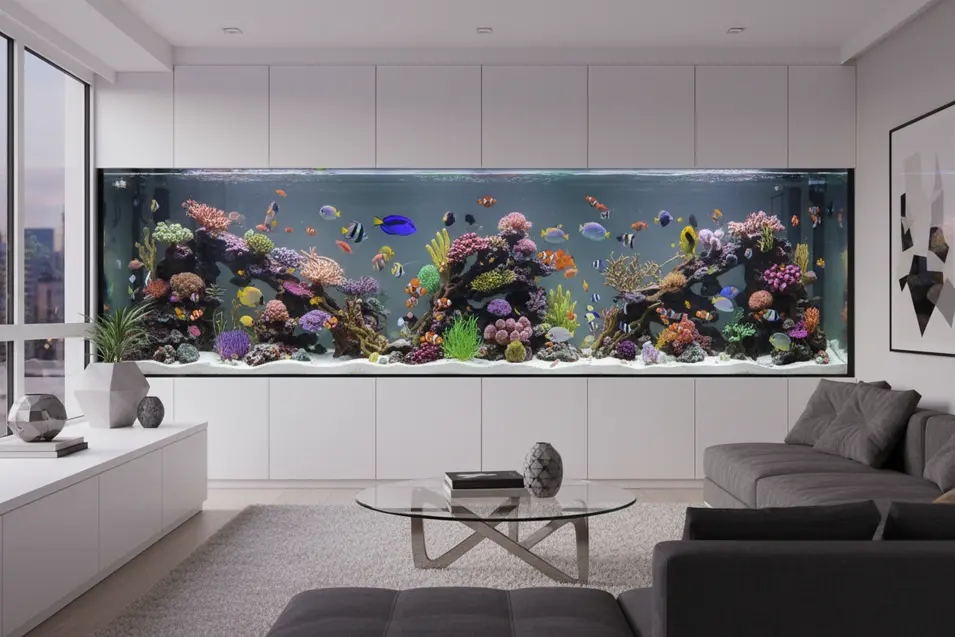
The Ultimate Fishkeeping Environment
For dedicated enthusiasts, an aquarium room offers something special.
Instead of squeezing aquariums into available spaces, the room itself is designed around the hobby.
Every aspect—from storage and maintenance to viewing and relaxation—is optimized for fishkeeping.
The result is a space that supports both the practical and emotional rewards of aquarium ownership.
Conclusion
Aquarium rooms represent the ultimate expression of the fishkeeping hobby. Whether designed as a practical fish room, a luxury display space, or a wellness-focused retreat, these dedicated environments provide organization, convenience, and opportunities for deeper enjoyment of aquatic life.
By carefully planning water access, electrical systems, ventilation, storage, and viewing areas, homeowners can create spaces that simplify maintenance while enhancing the beauty of their aquariums. From modest hobby rooms to spectacular custom installations, aquarium rooms allow fishkeeping to become a central and celebrated part of the home.
For passionate aquarists, there may be no better way to enjoy the hobby than with a space designed entirely around it.
Frequently Asked Questions
What is an aquarium room?
An aquarium room is a dedicated space designed specifically for keeping, displaying, and maintaining one or more aquariums.
Do I need a large house to have an aquarium room?
No. Many aquarium rooms are created from spare bedrooms, basements, home offices, or other underused spaces.
What is the most important feature of an aquarium room?
Water access, electrical planning, ventilation, and storage are among the most important considerations.
Can an aquarium room include seating and relaxation areas?
Absolutely. Many aquarium rooms include comfortable seating, reading spaces, or wellness-focused features for enjoying the aquariums.
Are aquarium rooms only for advanced hobbyists?
Not necessarily. While serious hobbyists often benefit most, even a single showcase aquarium can justify a dedicated room if space allows.
Related Reading
- Luxury Home Aquariums: Inspiration and Planning Ideas
- Designing a Built-In Aquarium Wall
- Aquarium Wellness Rooms: Designing Spaces for Relaxation and Reflection
- Aquarium Meditation Spaces: Bringing Nature Into Mindfulness Practices
- Aquarium Water Access: Planning for Filling, Water Changes, and Maintenance
- Aquariums in the Home: Design, Placement, Planning, and Practical Living