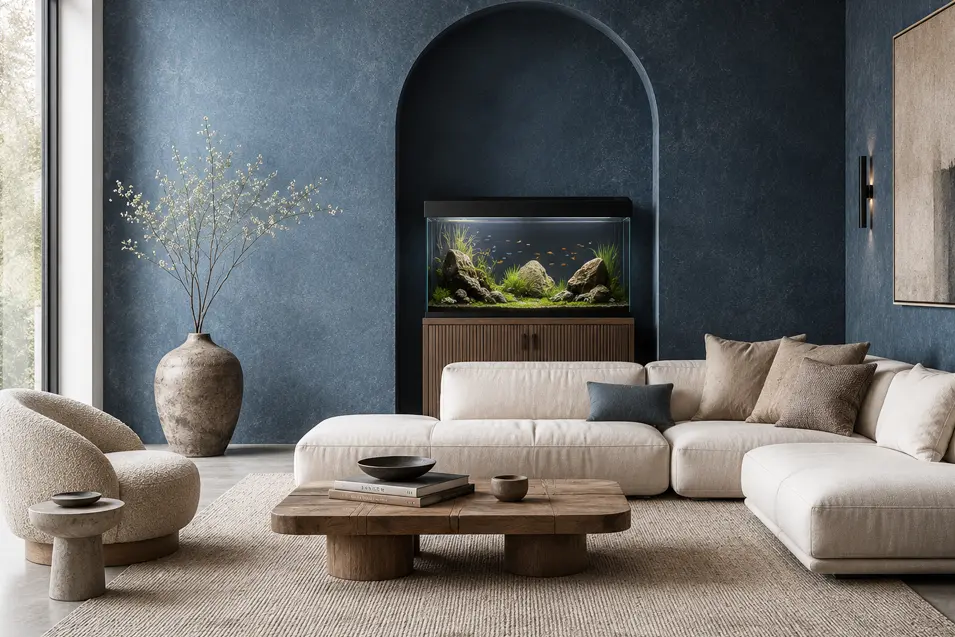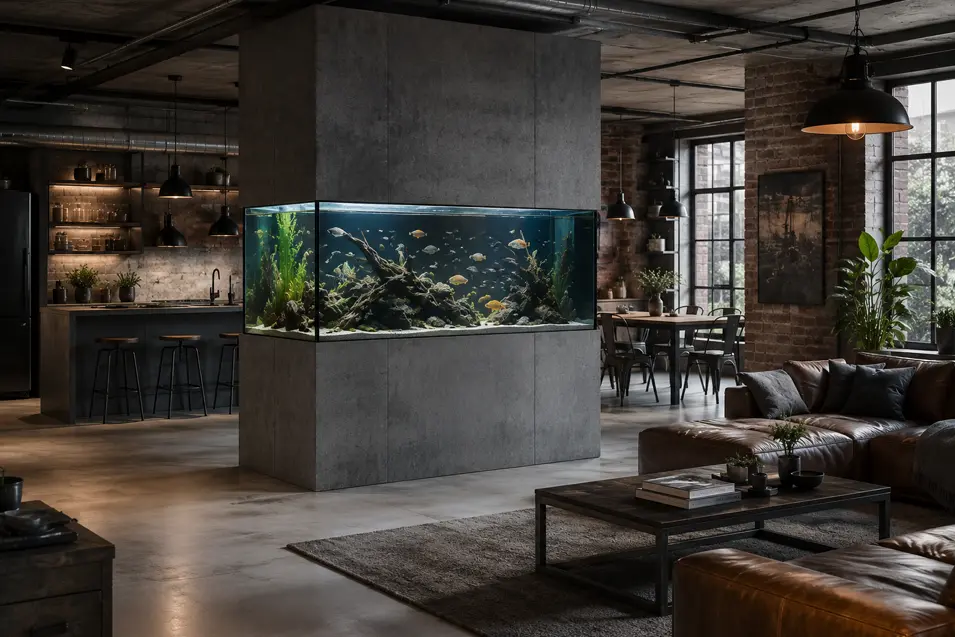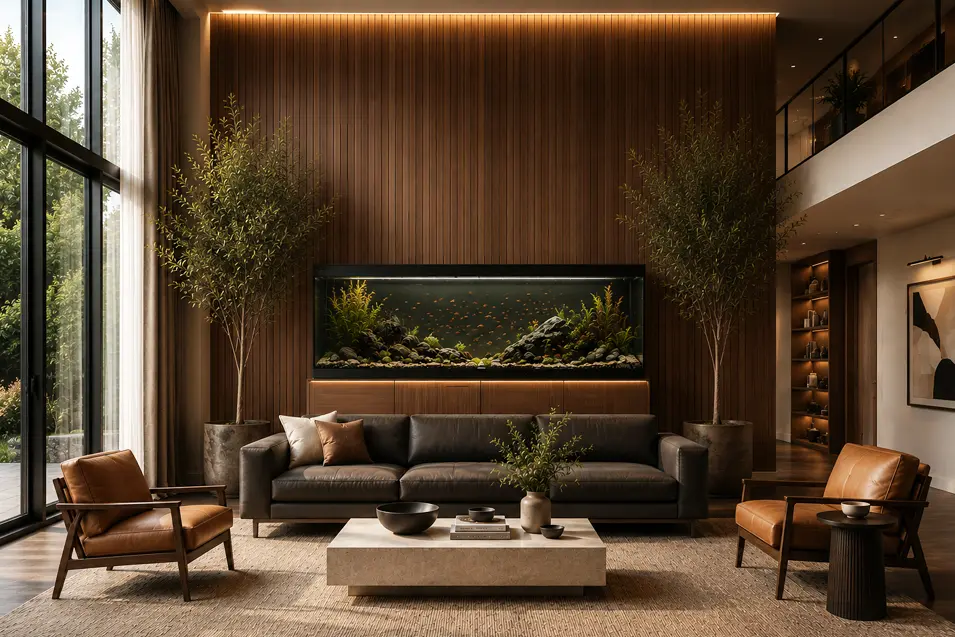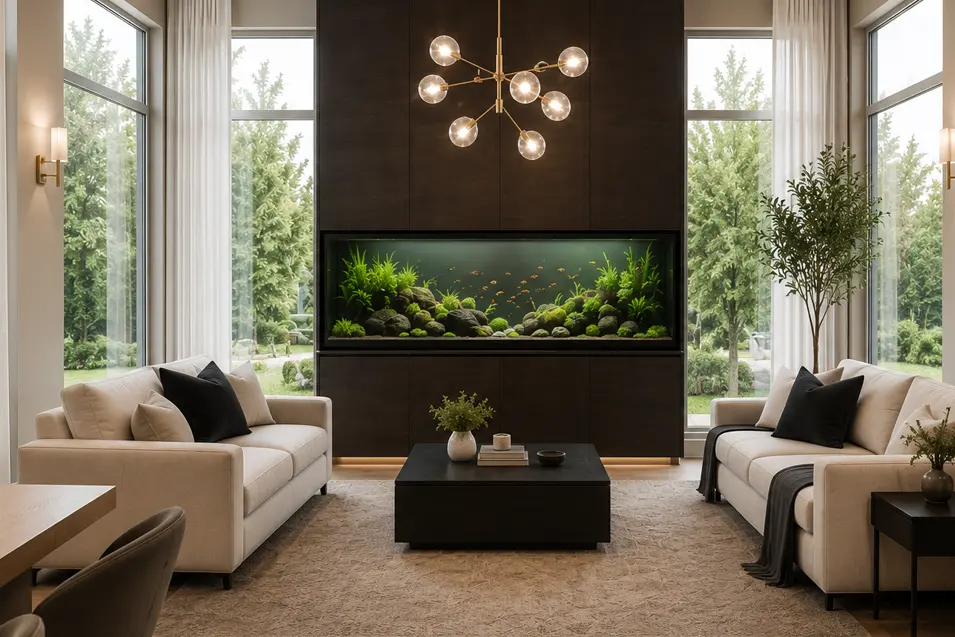
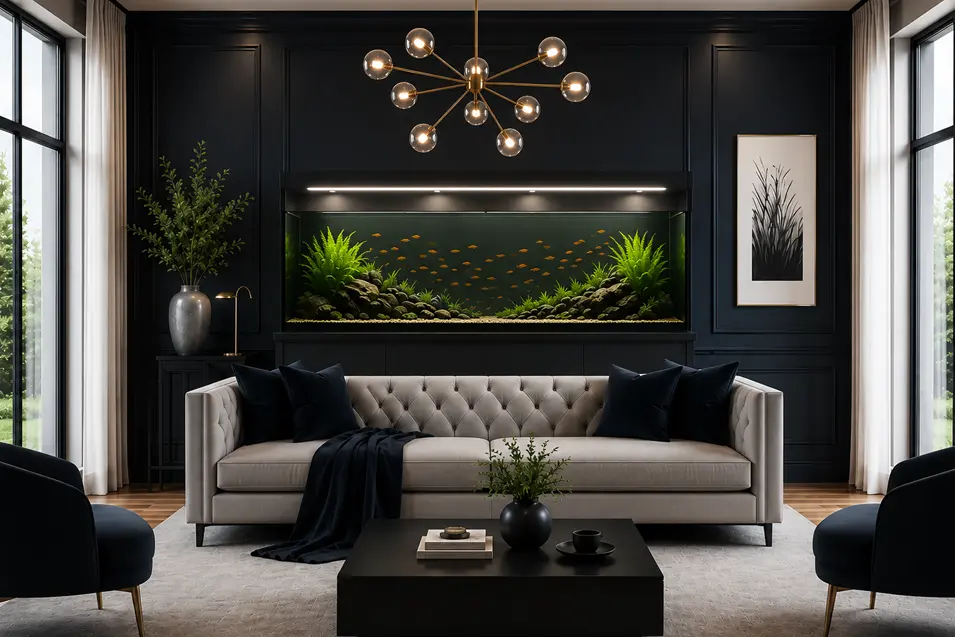
An aquarium may be the centerpiece of a room, but the furniture supporting it plays an equally important role. Whether you’re setting up a small freshwater aquarium or a large custom display, the stand, cabinet, and storage solutions you choose can affect everything from safety and maintenance to organization and interior design.
Many new aquarium owners focus primarily on the tank itself, often overlooking the furniture that supports it. However, aquarium furniture is far more than a decorative accessory. It must safely support substantial weight, provide access to equipment, conceal clutter, and integrate seamlessly into the surrounding living space.
When chosen carefully, aquarium furniture enhances both the beauty and practicality of fishkeeping while helping create a more organized and enjoyable home environment.
Why Aquarium Furniture Matters
Aquariums are unlike most household decorations.
Once filled with water, substrate, rocks, and equipment, even modest aquariums become surprisingly heavy.
Proper aquarium furniture serves several important purposes:
- Supports the weight of the aquarium
- Provides stability
- Improves safety
- Hides equipment
- Creates storage space
- Enhances room aesthetics
- Simplifies maintenance
A quality stand or cabinet becomes the foundation of the entire aquarium system.
Understanding Aquarium Weight
One of the biggest reasons specialized aquarium furniture exists is weight.
Water weighs approximately:
- 34 pounds per gallon
This means:
- A 20-gallon aquarium may weigh over 200 pounds when fully equipped.
- A 55-gallon aquarium may exceed 600 pounds.
- Large aquariums can weigh well over 1,000 pounds.
Standard furniture is often not designed to support this type of concentrated load.
Using a properly engineered aquarium stand helps distribute weight safely and evenly.
Aquarium Stands: The Foundation of Every Setup
The aquarium stand is the most common type of aquarium furniture.
Its primary purpose is structural support.
However, modern stands often provide much more than that.
Benefits include:
- Proper weight distribution
- Improved stability
- Better viewing height
- Equipment storage
- Enhanced appearance
A well-designed stand helps the aquarium feel like an intentional part of the room rather than a temporary addition.
Types of Aquarium Stands
There are several common stand styles available to homeowners.
Open Metal Stands
Metal stands are popular for utility-focused setups.
Advantages include:
- Excellent strength
- Moisture resistance
- Minimal visual footprint
- Easy access
However, they provide little equipment concealment and may appear less refined in formal living spaces.
Cabinet Stands
Cabinet stands combine structural support with enclosed storage.
Benefits include:
- Hidden equipment
- Cleaner appearance
- Additional storage space
- Improved organization
These stands are among the most popular choices for home aquariums.
Furniture-Style Stands
Some stands are designed to resemble traditional furniture.
Common finishes include:
- Wood grain
- Painted cabinetry
- Contemporary designs
- Rustic styles
These options often blend seamlessly with existing décor.
Custom-Built Stands
Custom stands allow homeowners to match:
- Room finishes
- Cabinetry
- Architectural details
- Storage requirements
They are particularly popular for large aquariums and luxury installations.
Aquarium Cabinets: Hiding the Clutter
Modern aquariums require a surprising amount of equipment.
Examples include:
- Fish food
- Water conditioners
- Test kits
- Nets
- Cleaning tools
- Replacement parts
- Electrical accessories
Without storage, these items can quickly create clutter.
Aquarium cabinets help maintain a clean appearance by keeping supplies organized and out of sight.
This is especially valuable in highly visible areas such as:
- Living rooms
- Entryways
- Home offices
- Dining rooms
Built-In Storage Solutions
As aquarium systems become more sophisticated, storage needs often increase.
Built-in storage solutions help address these challenges while improving organization.
Popular features include:
Adjustable Shelving
Flexible shelving allows owners to accommodate supplies of various sizes.
Pull-Out Drawers
Drawers provide convenient access to:
- Fish food
- Maintenance tools
- Aquarium medications
- Spare equipment
Hidden Electrical Compartments
Dedicated electrical spaces help organize:
- Power strips
- Timers
- Controllers
- Cables
This improves both appearance and safety.
Equipment Cabinets
Larger aquariums often require space for:
- Canister filters
- CO₂ systems
- Dosing equipment
- Water treatment supplies
Dedicated equipment cabinets help keep these components accessible yet concealed.
Built-In Aquarium Furniture
Custom built-in aquariums frequently include integrated cabinetry and storage systems.
These installations can provide:
- Seamless architectural appearance
- Hidden filtration equipment
- Expanded storage capacity
- Cleaner sightlines
Many luxury homes incorporate built-in cabinetry around aquariums to create a furniture-quality finish.
The result often resembles custom entertainment centers or architectural feature walls.
Matching Aquarium Furniture to Home Design
Aquariums should complement the surrounding space.
The furniture plays a major role in achieving that goal.
Modern Homes
Modern interiors often pair well with:
- Minimalist cabinetry
- Matte finishes
- Clean lines
- Frameless designs
Traditional Homes
Traditional spaces frequently benefit from:
- Rich wood finishes
- Detailed trim
- Furniture-inspired cabinetry
Coastal and Nature-Inspired Homes
Natural textures and lighter finishes often work beautifully in these environments.
Matching the aquarium furniture to the home’s overall style helps create a cohesive appearance.
Furniture Placement Considerations
Even the best aquarium stand must be placed correctly.
Consider:
- Floor support
- Traffic flow
- Viewing angles
- Maintenance access
- Electrical availability
The furniture should provide enough space for routine tasks while maintaining comfortable room circulation.
Storage for Maintenance Supplies
Many aquarium owners underestimate how many supplies accumulate over time.
Common items include:
- Water testing kits
- Algae scrapers
- Buckets
- Replacement media
- Fish food
- Water conditioners
- Aquarium medications
Dedicated storage prevents these items from spreading into other parts of the home.
A well-organized cabinet can significantly simplify maintenance routines.
Safety Considerations
Aquarium furniture should prioritize safety above all else.
Look for:
- Proper weight ratings
- Quality construction
- Moisture-resistant materials
- Stable designs
- Level installation
Never assume ordinary furniture can safely support a filled aquarium.
The consequences of stand failure can be costly and potentially dangerous.
Furniture for Large Aquariums
As aquariums increase in size, furniture requirements become more demanding.
Large systems often require:
- Reinforced construction
- Larger storage areas
- Equipment compartments
- Custom cabinetry
In many cases, custom-built solutions provide the best combination of strength, functionality, and aesthetics.
Making Maintenance Easier
One of the most overlooked benefits of good aquarium furniture is convenience.
Well-designed cabinets and storage systems:
- Reduce clutter
- Improve organization
- Speed up maintenance
- Simplify equipment access
The easier routine tasks become, the more enjoyable aquarium ownership tends to be.
Long-Term Value
Quality aquarium furniture is often a long-term investment.
Unlike fish or decorations that may change over time, a well-built stand or cabinet can remain useful through multiple aquarium upgrades.
Choosing durable, attractive furniture can improve both the aquarium experience and the appearance of the home for years to come.
Conclusion
Aquarium furniture serves a vital role in both the function and appearance of a fish tank. Proper stands provide structural support, cabinets help conceal equipment, and built-in storage solutions keep maintenance supplies organized and accessible.
Whether you’re setting up a small freshwater aquarium or designing a large custom installation, investing in quality aquarium furniture improves safety, simplifies maintenance, and enhances the overall presentation of the aquarium.
When thoughtfully chosen, aquarium furniture transforms a simple fish tank into a polished and integrated feature that feels like a natural part of the home.
Frequently Asked Questions
Can I put an aquarium on regular furniture?
Generally, no. Most household furniture is not designed to support the concentrated weight of a fully loaded aquarium.
Why do aquarium stands have cabinets?
Cabinets provide storage for equipment, supplies, and maintenance tools while helping keep the aquarium area organized and visually appealing.
What should I store in an aquarium cabinet?
Common items include fish food, test kits, water conditioners, cleaning tools, replacement filter media, and maintenance supplies.
Are custom aquarium cabinets worth it?
For large or highly visible aquariums, custom cabinetry can provide superior aesthetics, storage, and integration with home décor.
What is the most important feature of aquarium furniture?
Structural strength and proper weight support are the most important considerations. Appearance and storage features should come after safety and stability.
Related Reading
- How Much Does an Aquarium Weigh? Floor, Furniture, and Structural Considerations
- Built-In Aquariums vs. Freestanding Aquariums: Pros and Cons
- Designing a Built-In Aquarium Wall
- What Happens If an Aquarium Breaks? Preparing for Leaks, Cracks, and Emergencies
- Luxury Home Aquariums: Inspiration and Planning Ideas
- Aquariums in the Home: Design, Placement, Planning, and Practical Living