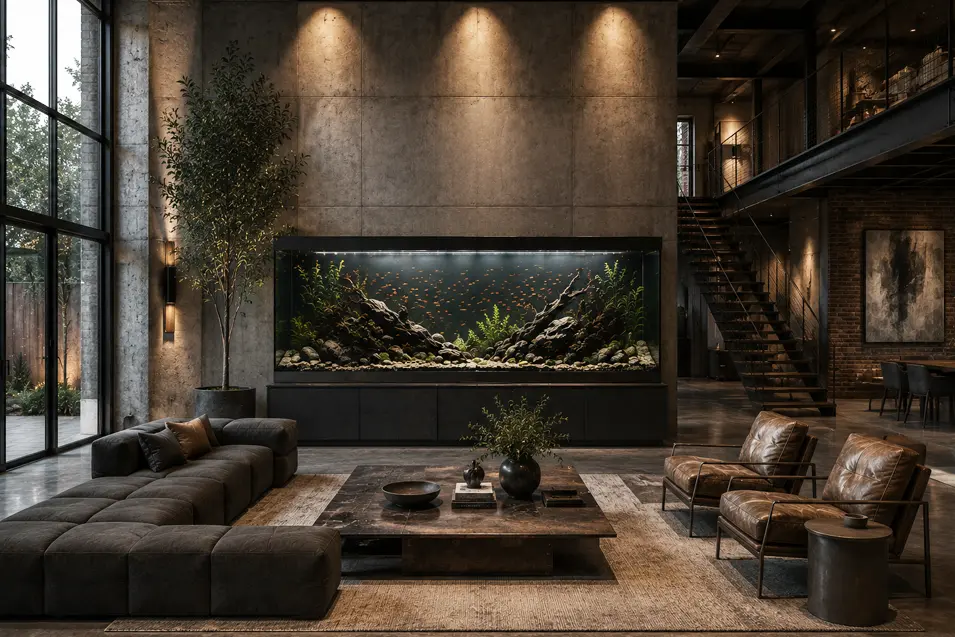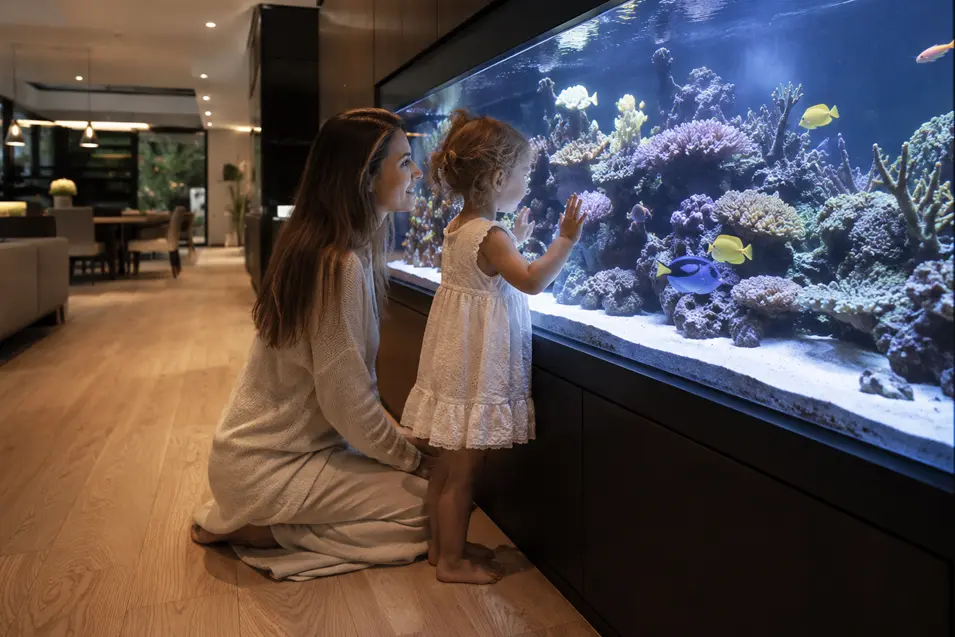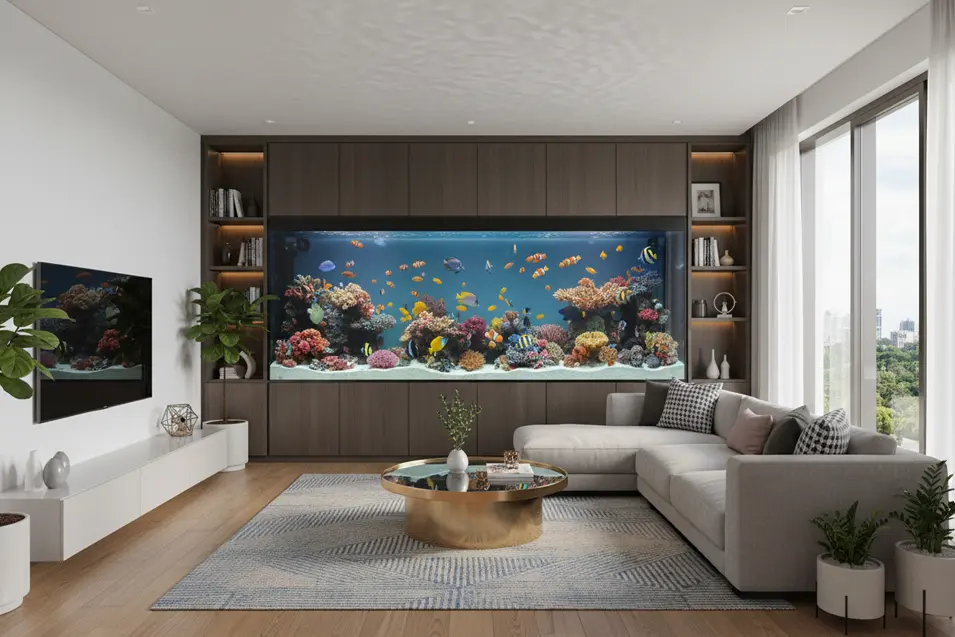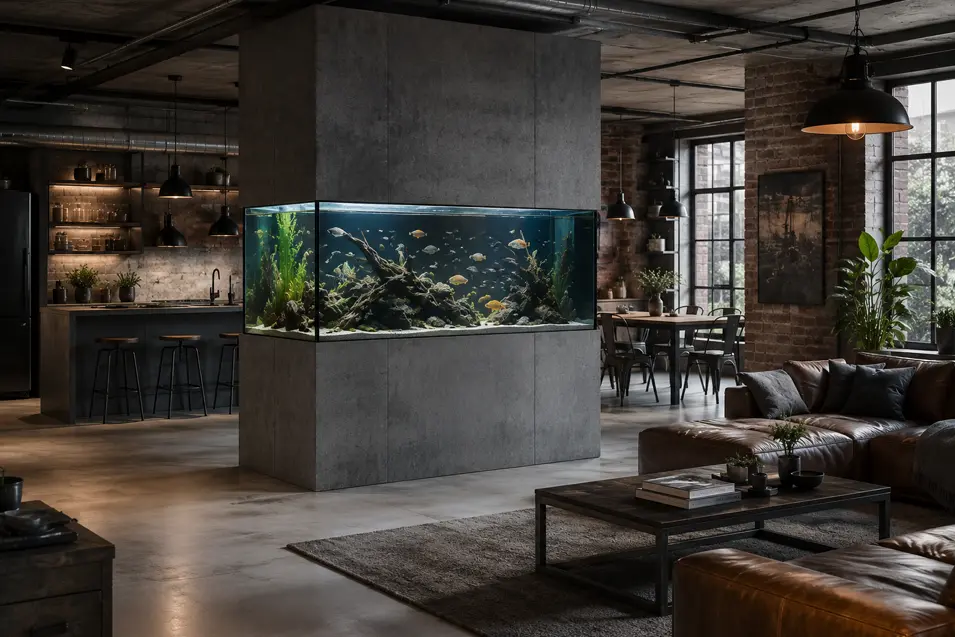
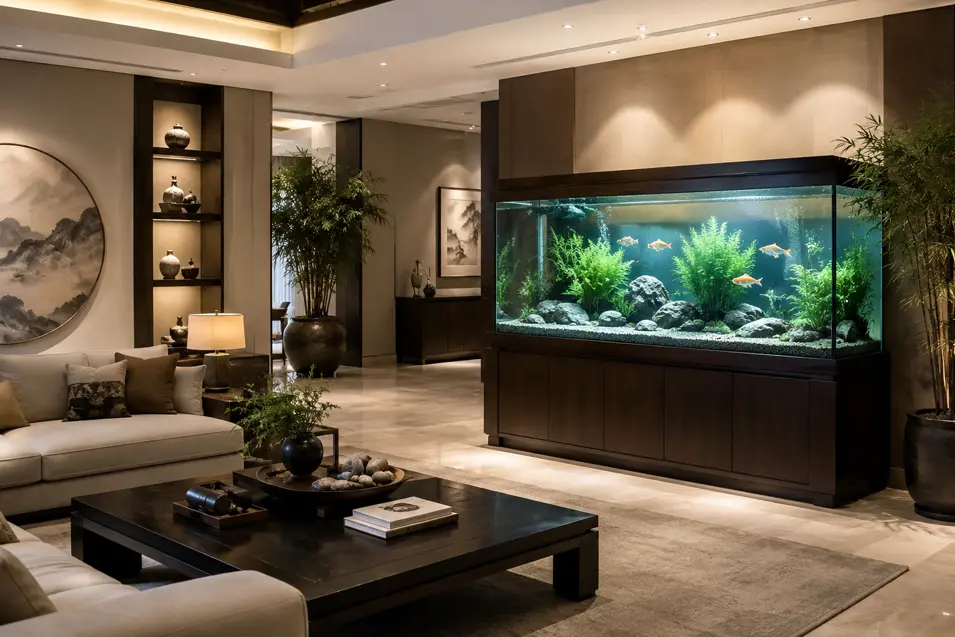
Aquariums have long been admired for their beauty, tranquility, and connection to nature. In Feng Shui, the ancient Chinese practice of arranging spaces to promote harmony and balance, aquariums are often considered powerful symbols of abundance, prosperity, and positive energy.
But does aquarium placement really matter?
For those who follow Feng Shui principles, the answer is yes. The location of an aquarium is believed to influence the flow of energy, or chi, throughout the home. Even for homeowners who don’t strictly practice Feng Shui, many of these placement guidelines align with practical interior design principles that promote comfort and visual balance.
Let’s explore how aquarium placement is viewed in Feng Shui and where you may want to position your tank for both beauty and harmony.
Why Aquariums Are Significant in Feng Shui
In Feng Shui, water is one of the most important elements because it symbolizes wealth, abundance, and opportunity.
An aquarium combines several Feng Shui elements:
- Water – Represents prosperity and flow.
- Fish – Symbolize abundance and good fortune.
- Plants – Represent growth and vitality.
- Lighting – Adds the fire element.
- Rockwork and substrate – Represent earth energy.
Because aquariums contain multiple elements working together, they are often considered powerful tools for enhancing positive energy within a home.
The Best Places to Put an Aquarium According to Feng Shui
1. The Living Room
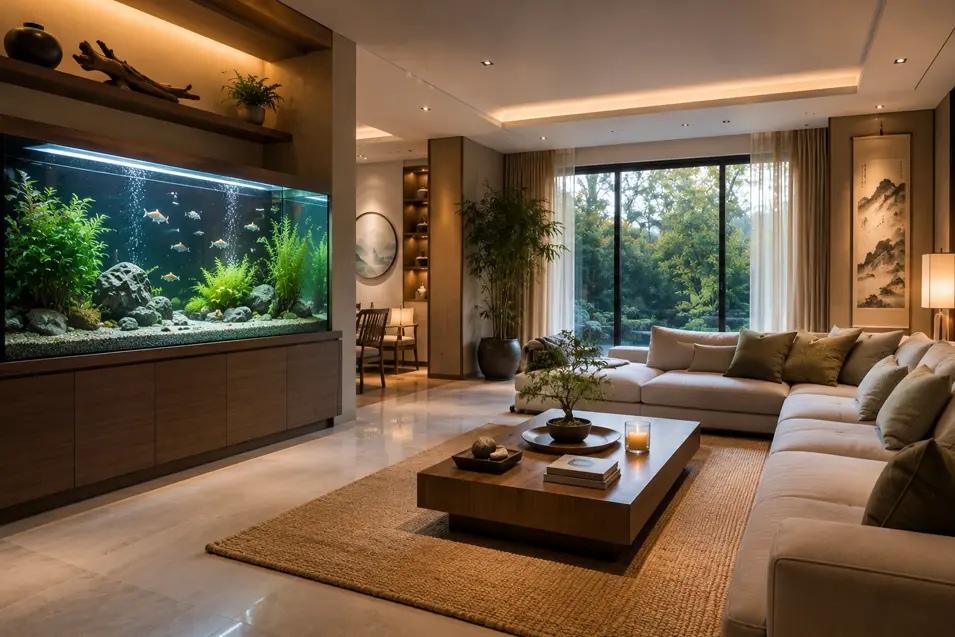
The living room is often regarded as one of the most favorable locations for an aquarium.
As a central gathering space, the living room allows positive energy to circulate throughout the home while creating a calming and inviting atmosphere.
Many Feng Shui practitioners believe that placing an aquarium in the living roomencourages prosperity and family harmony.
Why It Works
- Promotes balanced energy flow
- Creates a welcoming environment
- Encourages relaxation and connection
- Serves as a positive focal point
2. The Wealth Corner
Traditional Feng Shui identifies areas of the home associated with wealth and abundance.
Using the Bagua map, the wealth area is typically located in the far-left corner of a room or home when standing at the main entrance.
Many people place aquariums in this area to symbolize financial growth and opportunity.
Considerations
While this is a popular Feng Shui recommendation, practical factors such as floor strength, electrical access, and maintenance requirements should always be considered first.
3. Home Offices
Aquariums can work particularly well in home offices where they contribute to a calmer and more productive environment.
The presence of moving water is often associated with creativity, career growth, and fresh opportunities.
Benefits
- Creates a peaceful work atmosphere
- Encourages focus and reflection
- Adds natural energy to the workspace
- Provides a relaxing visual break
4. Entryways and Foyers
A well-placed aquarium near the entrance of a home can create a strong first impression while symbolically welcoming positive energy.
Many homeowners appreciate how aquariums add movement and visual interest to spaces that might otherwise feel empty.
Best Practice
Position the aquarium so it enhances the entry experience without obstructing walkways or creating congestion.
Places Feng Shui Traditionally Recommends Avoiding
Bedrooms
One of the most common Feng Shui recommendations is to avoid placing aquariums in bedrooms.
Water is considered an active element , while bedroomsare intended to support rest, relaxation, and restorative energy.
An aquarium’s movement, lighting, and symbolism may create an imbalance that some practitioners believe can interfere with sleep and relaxation.
Kitchens
The kitchen already contains strong fire energy through cooking appliances and heat.
Introducing a large water element may create conflicting energies according to traditional Feng Shui teachings.
Directly Opposite the Front Door
Some Feng Shui consultants suggest avoiding aquarium placement directly facing the front entrance.
The belief is that prosperity and positive energy may symbolically flow out of the home rather than circulate within it.
Practical Design Principles That Support Feng Shui
Whether or not you follow Feng Shui, many placement recommendations overlap with good interior design practices.
Avoid Clutter
A cluttered aquarium area can diminish the peaceful effect of the tank.
Keep surrounding spaces organized and free of unnecessary items.
Maintain the Aquarium Properly
In Feng Shui, a neglected aquarium is thought to create stagnant energy.
Regular maintenance helps keep both the aquarium and the room feeling fresh and vibrant.
Choose Healthy Fish and Plants
A thriving aquarium naturally contributes to a more positive environment.
Healthy fish, vibrant plants, and clear water create a stronger visual impact and reinforce the aquarium’s calming presence.
Balance the Room
Aquariums should complement a room rather than dominate it.
Arrange furniture and décor so the aquarium feels integrated into the overall design.
Modern Interior Design and Aquarium Placement
Many contemporary designers embrace principles that align closely with Feng Shui, even when they don’t explicitly follow the practice.
Successful aquarium placement often focuses on:
- Creating visual balance
- Enhancing relaxation
- Encouraging connection to nature
- Supporting comfortable room layouts
- Establishing attractive focal points
These goals mirror many of the same objectives found in Feng Shui.
Does Aquarium Placement Really Matter?
From a practical perspective, placement absolutely matters.
An aquarium located in direct sunlight may experience excessive algae growth. Tanks positioned near heating vents can suffer temperature fluctuations that stress fish. Poor placement may also disrupt room flow and limit enjoyment of the aquarium.
From a Feng Shui perspective, placement influences how energy moves throughout the home and how residents interact with the space.
Whether you view aquarium placement through the lens of design, wellness, or Feng Shui, thoughtful positioning can help create a more harmonious environment.
Final Thoughts
Aquariums have a unique ability to bring movement, beauty, and tranquility into a home. In Feng Shui, they are often associated with prosperity, abundance, and positive energy when thoughtfully placed.
While beliefs and interpretations vary, many Feng Shui recommendations align with common-sense design principles that prioritize comfort, balance, and visual harmony.
Ultimately, the best aquarium location is one that supports both the health of your fish and the enjoyment of the people who live with them. Whether placed in a living room, home office, or welcoming entryway, a well-maintained aquarium can become one of the most calming and attractive features in any home.
Frequently Asked Questions
Is an aquarium considered good Feng Shui?
Yes. Aquariums are commonly viewed as positive Feng Shui features because they combine water, movement, life, and natural elements that symbolize abundance and prosperity.
Where should an aquarium be placed for good Feng Shui?
Living rooms, home offices, and certain wealth areas identified through the Bagua map are often considered favorable locations.
Is it bad Feng Shui to have an aquarium in a bedroom?
Traditional Feng Shui generally recommends avoiding aquariums in bedrooms because water energy may be too active for a restful sleeping environment.
How many fish are considered lucky in Feng Shui?
Some traditional Feng Shui practices suggest keeping eight gold fish and one black fish, although interpretations vary and many modern practitioners focus more on overall aquarium health than specific numbers.
Can an aquarium improve the energy of a room?
Many people feel that aquariums contribute to a calmer, more relaxing atmosphere due to their natural movement, soothing sounds, and visual appeal.
Does aquarium size matter in Feng Shui?
There are no universal rules regarding size, but the aquarium should be proportionate to the room and properly maintained to create a balanced appearance.