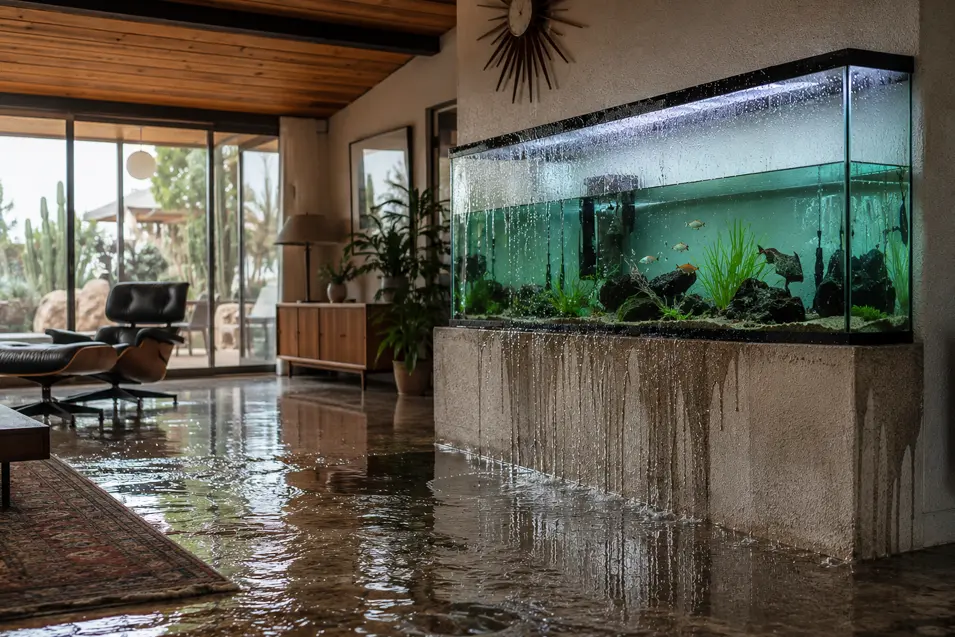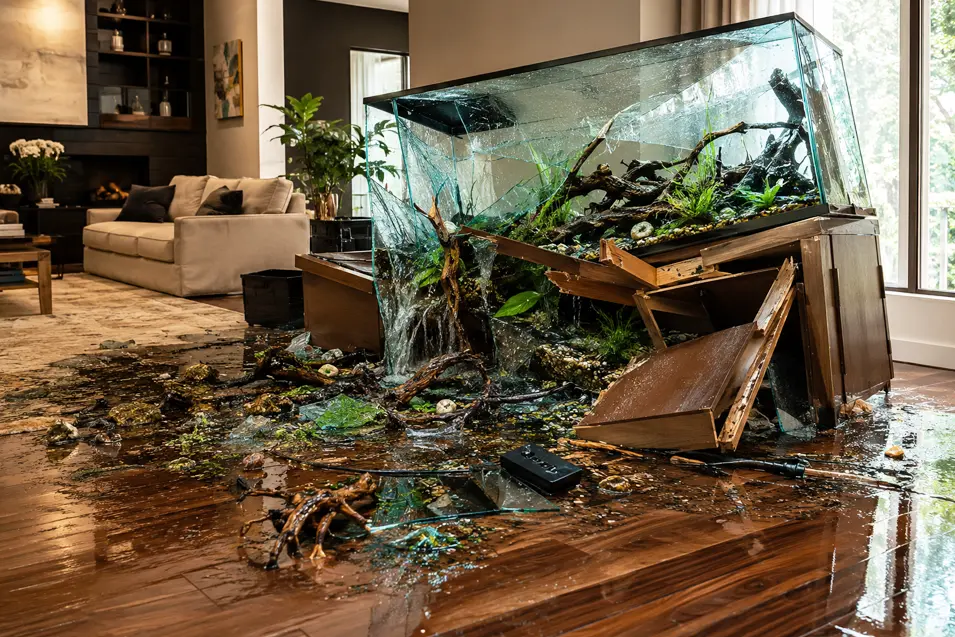
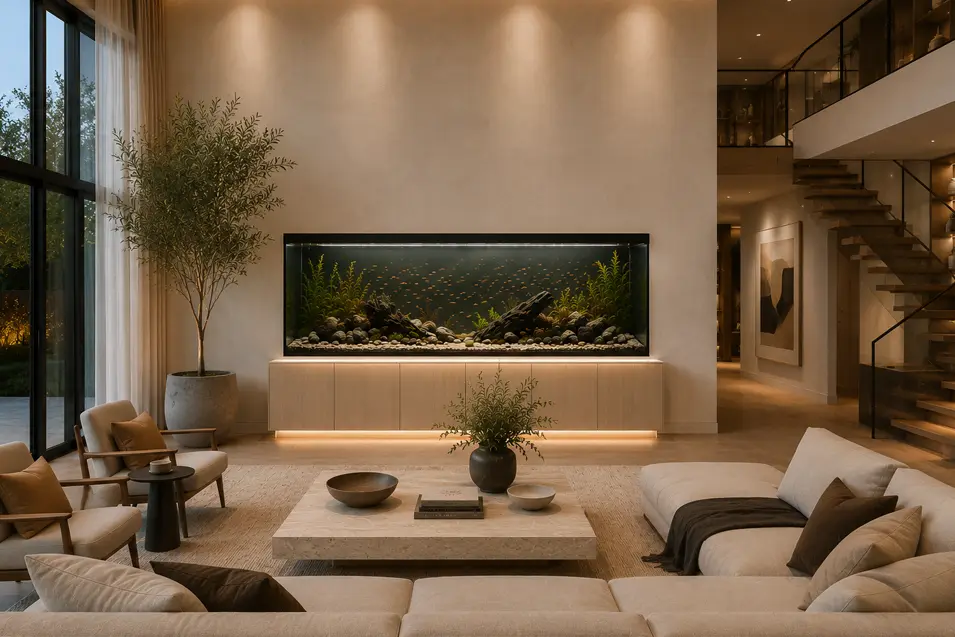
Every aquarium depends on electricity.
Filters keep water clean. Heaters maintain stable temperatures. Lighting supports plants and corals while enhancing the appearance of the display. Air pumps, powerheads, controllers, and monitoring systems all rely on a dependable electrical supply.
Yet despite how essential electricity is to aquarium keeping, many homeowners overlook electrical planning during the setup process.
Because aquariums combine water and electrical equipment, proper planning is critical for both safety and convenience. A well-designed electrical system reduces the risk of accidents, simplifies maintenance, protects valuable equipment, and helps ensure the long-term health of the aquarium.
Whether you’re setting up a small freshwater aquarium or a large custom installation, thoughtful electrical planning should be part of the design process from the beginning.
Why Electrical Planning Matters
Many aquarium owners focus on fish, décor, and tank placement while giving little thought to the equipment hidden behind or beneath the aquarium.
However, most aquariums require multiple electrical devices operating simultaneously.
These often include:
- Filters
- Heaters
- Lighting systems
- Air pumps
- Circulation pumps
- Powerheads
- UV sterilizers
- Automatic feeders
- Controllers
Without proper planning, cords can become tangled, maintenance becomes more difficult, and safety risks increase.
A little preparation can prevent many common problems.
Water and Electricity: A Serious Combination
Aquariums naturally involve water spills from time to time.
Examples include:
- Water changes
- Equipment maintenance
- Accidental splashes
- Condensation
- Leaks
Because water conducts electricity, improper electrical setups can create safety hazards.
Fortunately, most risks can be minimized through good planning and basic safety practices.
Start with Adequate Outlet Access
One of the most common mistakes aquarium owners make is underestimating how many outlets they’ll need.
Even modest aquariums may require power for:
- Filters
- Heaters
- Lights
- Air pumps
Larger systems often require significantly more.
Before installation, identify:
- Nearby outlets
- Circuit capacity
- Potential expansion needs
It’s generally easier to plan for future equipment than to redesign the setup later.
Use Ground Fault Circuit Interrupter (GFCI) Protection
One of the most important aquarium safety measures is GFCI protection.
GFCI outlets are designed to:
- Detect electrical faults
- Interrupt power quickly
- Reduce shock risks
Many modern homes already include GFCI protection in areas where water is present.
If your aquarium location does not have GFCI protection, consider consulting a qualified electrician.
For many aquarium owners, this is one of the most valuable safety upgrades available.
Create Drip Loops on Every Cord
A drip loop is one of the simplest and most effective aquarium safety practices.
A drip loop occurs when the power cord hangs below the outlet before rising back up to the plug.
This design helps prevent water from traveling along the cord into the electrical outlet.
Every aquarium cord should include a drip loop whenever possible.
It’s a small step that can significantly improve safety.
Organizing Aquarium Cords
Aquariums often accumulate more cords than expected.
Without organization, the result can quickly become a tangled mess.
Benefits of proper cord management include:
- Improved safety
- Easier maintenance
- Better appearance
- Faster troubleshooting
Popular cord management solutions include:
- Cable clips
- Velcro straps
- Cable sleeves
- Cord channels
- Labeling systems
A little organization can save considerable frustration later.
Label Your Equipment
Many aquarium systems contain multiple plugs that look nearly identical.
When maintenance or emergencies occur, it can be difficult to determine which cord controls which device.
Simple labels can identify:
- Heater
- Filter
- Lighting
- Pump
- Air system
This makes troubleshooting and maintenance much easier.
Surge Protection Matters
Aquarium equipment can represent a significant investment.
Electrical surges caused by:
- Storms
- Power fluctuations
- Utility interruptions
can damage sensitive electronics.
Many aquarium owners use quality surge protectors to help safeguard:
- LED lighting
- Controllers
- Pumps
- Monitoring systems
Surge protection cannot prevent every problem, but it provides valuable additional protection.
Aquarium Heater Safety
Heaters are among the most important pieces of aquarium equipment.
They are also one of the most common sources of equipment-related problems.
When using aquarium heaters:
- Follow manufacturer instructions
- Inspect equipment regularly
- Replace damaged heaters
- Use proper sizing
- Avoid exposing active heaters to air during water changes
Routine inspection helps reduce the risk of failures.
Managing Aquarium Lighting
Modern aquarium lighting systems can range from simple LED fixtures to sophisticated programmable systems.
Lighting considerations include:
- Safe mounting
- Cord routing
- Timer placement
- Moisture protection
Avoid allowing water to drip onto lighting fixtures or electrical connections.
Proper installation improves both safety and equipment longevity.
Protecting Power Strips
Power strips are common in aquarium setups but often become vulnerable to water exposure.
Best practices include:
- Mounting power strips off the floor
- Positioning them away from splash zones
- Using drip loops
- Maintaining adequate ventilation
Never place power strips directly beneath areas where leaks or spills could occur.
Planning for Maintenance Access
Electrical systems should remain accessible.
Avoid creating setups where:
- Plugs are difficult to reach
- Equipment cannot be disconnected easily
- Maintenance requires moving heavy furniture
Good planning makes routine tasks safer and more convenient.
Backup Power Considerations
Power outages can affect aquarium health.
During outages, critical systems may stop operating, including:
- Filters
- Pumps
- Heaters
- Aeration systems
For many freshwater aquariums, short outages are manageable.
However, larger systems and reef aquariums may require additional planning.
Possible backup solutions include:
- Battery-powered air pumps
- Uninterruptible power supplies (UPS)
- Portable generators
- Whole-home backup power systems
The appropriate solution depends on the aquarium’s size and importance.
Electrical Planning for Built-In Aquariums
Custom installations often require more advanced electrical planning.
Features may include:
- Dedicated circuits
- Hidden equipment compartments
- Controller systems
- Automated monitoring equipment
In larger projects, involving an electrician during the planning stage can be beneficial.
Proper infrastructure helps support future upgrades and maintenance.
Avoiding Common Electrical Mistakes
Many aquarium-related electrical issues result from preventable mistakes.
Common examples include:
Overloaded Outlets
Too many devices connected to a single outlet can create problems.
Poor Cord Organization
Tangled cords increase confusion and maintenance challenges.
No Drip Loops
Skipping drip loops exposes outlets to unnecessary risk.
Floor-Level Power Strips
Power strips placed on floors are vulnerable to spills and leaks.
Ignoring Equipment Wear
Damaged cords, cracked heaters, and aging equipment should be replaced promptly.
Building a Cleaner Aquarium Setup
Thoughtful electrical planning also improves aesthetics.
Organized systems help conceal:
- Cords
- Controllers
- Timers
- Power strips
The aquarium appears cleaner and more professional while remaining easier to maintain.
Electrical Planning and Long-Term Success
The best aquarium systems are designed with the future in mind.
As hobbies evolve, owners often add:
- New lighting
- Additional pumps
- Monitoring systems
- Automation equipment
Planning for expansion from the beginning helps prevent clutter and unnecessary modifications later.
Conclusion
Aquarium electrical planning is about more than convenience—it’s an essential part of creating a safe, reliable, and enjoyable aquarium. Because aquariums combine water and electricity, careful attention to outlets, cord management, surge protection, and equipment placement can significantly reduce risks while improving day-to-day maintenance.
Whether you’re setting up a simple freshwater aquarium or a sophisticated reef system, investing time in electrical planning helps protect your equipment, your fish, and your home. A well-organized electrical setup creates peace of mind and allows you to focus on enjoying the aquarium rather than troubleshooting avoidable problems.
Frequently Asked Questions
Do aquariums need special electrical outlets?
Not always, but GFCI-protected outlets are strongly recommended because they help reduce electrical shock risks around water.
What is a drip loop?
A drip loop is a section of cord that hangs below the outlet before rising to the plug, helping prevent water from reaching electrical connections.
Should aquarium equipment be plugged into a surge protector?
Many aquarium owners use surge protectors to help safeguard valuable equipment from electrical surges and power fluctuations.
Can aquarium heaters be dangerous?
When properly installed and maintained, aquarium heaters are generally safe. However, damaged or malfunctioning heaters should be replaced immediately.
What should I do during a power outage?
Battery-powered air pumps, backup power systems, and generators can help maintain oxygenation and water circulation during extended outages.
Related Reading
- Aquarium Water Access: Planning for Filling, Water Changes, and Maintenance
- Energy Costs of Owning an Aquarium: What to Expect
- What Happens If an Aquarium Breaks? Preparing for Leaks, Cracks, and Emergencies
- Aquarium Furniture: Stands, Cabinets, and Built-In Storage Solutions
- How Much Does an Aquarium Weigh? Floor, Furniture, and Structural Considerations
- Aquarium Insurance and Home Protection: What Homeowners Should Know