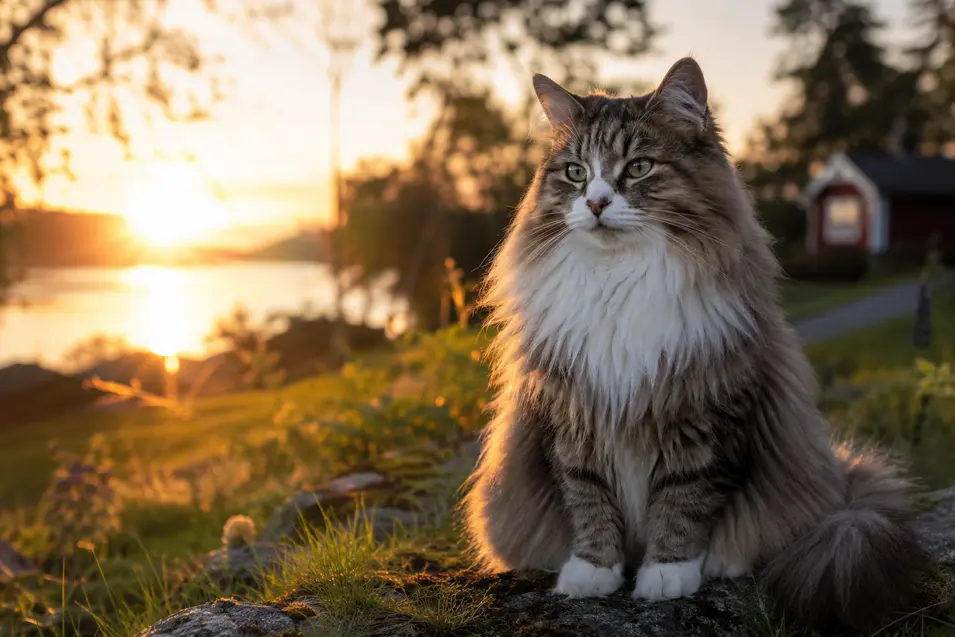
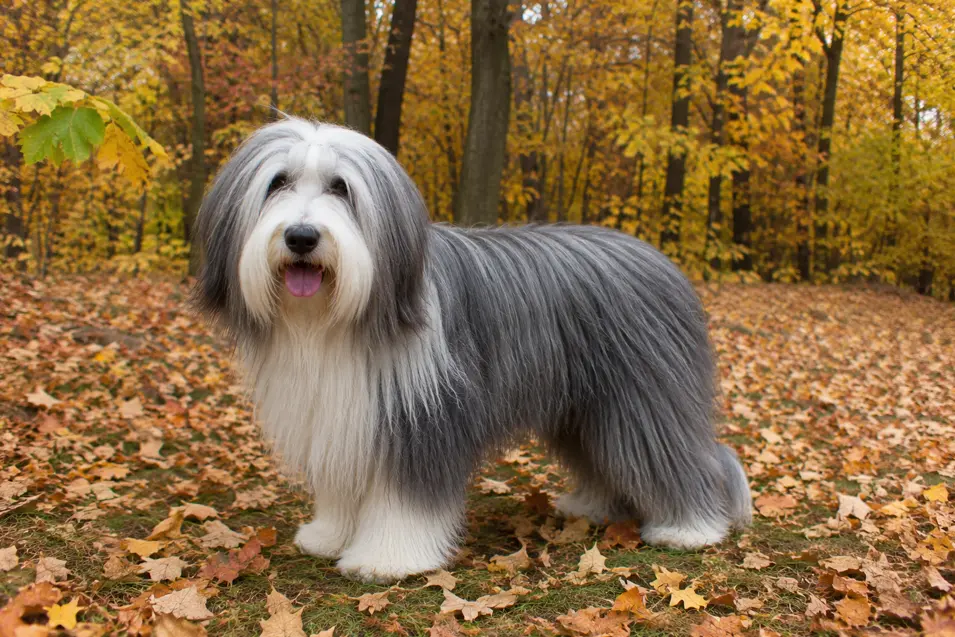
One of the easiest ways to improve your AI-generated images is also one of the most overlooked.
The camera lens.
Many AI prompts include phrases like 35mm lens, 50mm lens, or 85mm portrait lens, but few people understand why they’re there.
Professional photographers choose different lenses because each one changes the way a scene looks. The same principle applies to AI image generation.
By simply changing the lens in your prompt, you can dramatically alter perspective, background compression, depth, and the overall feeling of an image.
Let’s explore how different lenses affect AI-generated photography.
Why Lens Choice Matters
Different lenses change:
- Perspective
- Subject size
- Background appearance
- Depth of field
- Sense of space
- Emotional impact
Think of a lens as changing how the viewer experiences the scene, not just how much fits inside the frame.
24mm Ultra Wide Angle
Best For
- Architecture
- Interior design
- Landscapes
- Environmental portraits
Prompt Addition
photographed with a 24mm ultra wide-angle lens
A 24mm lens captures a large portion of the scene.
Rooms appear bigger.
Landscapes feel expansive.
Objects near the camera appear larger while distant objects seem farther away.
35mm Wide Angle
Best For
- Lifestyle photography
- Street photography
- Environmental portraits
Prompt Addition
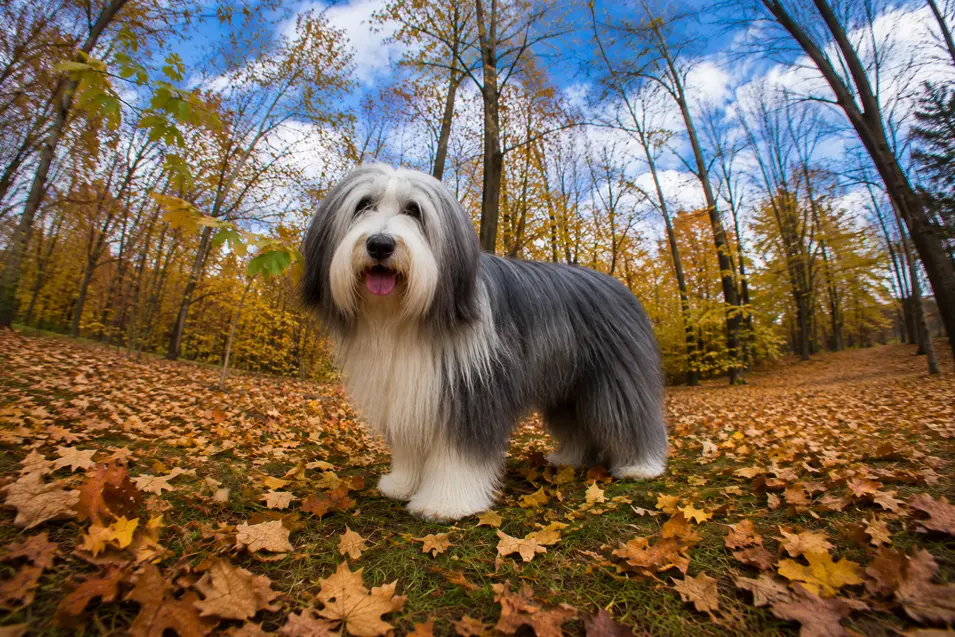
photographed with a 35mm lens
This lens still includes plenty of the environment while keeping subjects looking natural.
It’s one of the most versatile lenses available.
50mm Standard Lens
Best For
- Everyday photography
- Natural perspective
- Family portraits
Prompt Addition
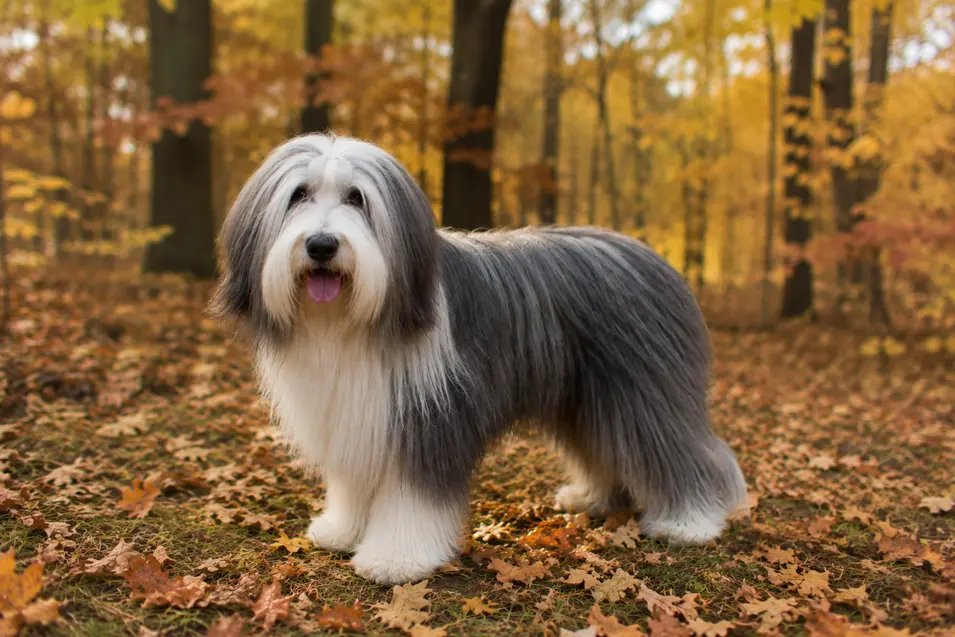
photographed with a 50mm lens
Often called the “normal lens,” 50mm produces a perspective that feels close to human vision.
Nothing feels exaggerated.
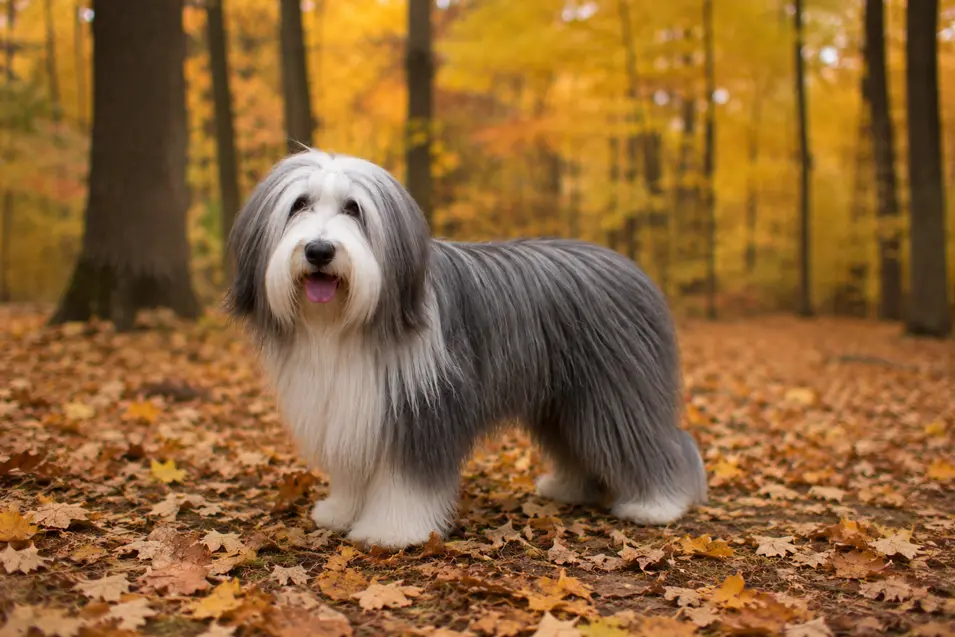
85mm Portrait Lens
Best For
- Dogs
- Cats
- People
- Professional portraits
Prompt Addition
photographed with an 85mm portrait lens
This is one of the most popular lenses in AI prompts—and for good reason.
It creates flattering proportions, beautiful background blur, and excellent subject separation.
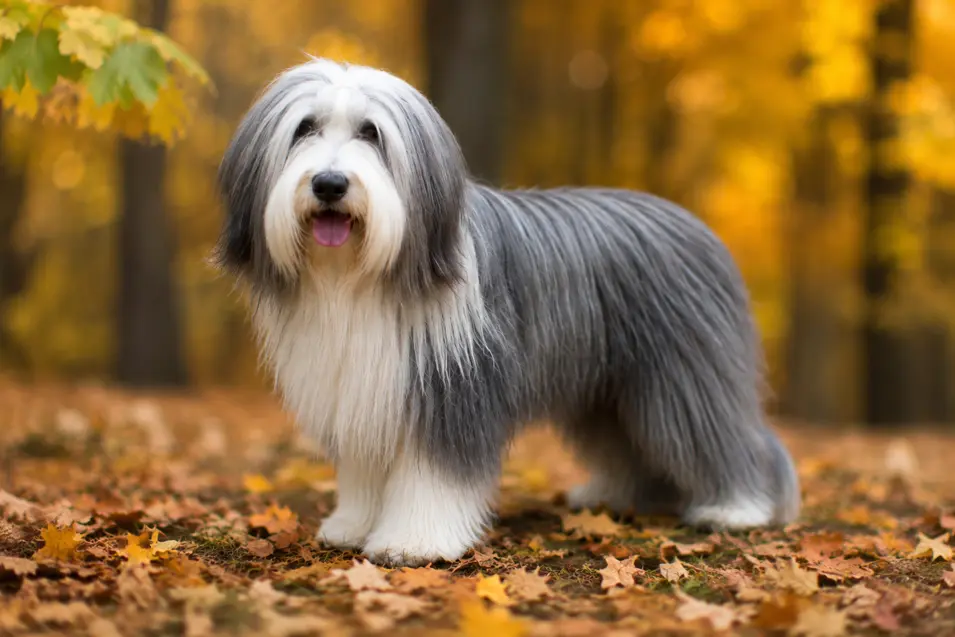
135mm Telephoto Portrait
Best For
- Luxury portraits
- Editorial photography
- Wildlife
Prompt Addition
photographed with a 135mm telephoto lens
Longer lenses compress the background, making it appear closer to the subject.
The result often feels more cinematic and elegant.
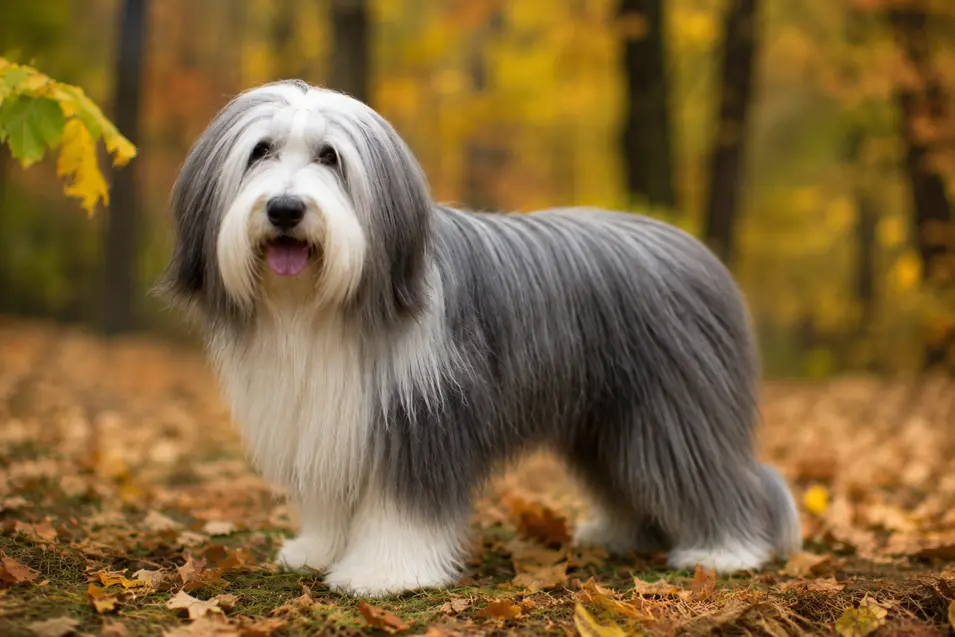
200mm Wildlife Lens
Best For
- Birds
- Wildlife
- Outdoor animals
- Sports
Prompt Addition
photographed with a 200mm telephoto lens
Telephoto lenses allow photographers to capture distant subjects without disturbing them.
Backgrounds become beautifully compressed while the subject stands out dramatically.
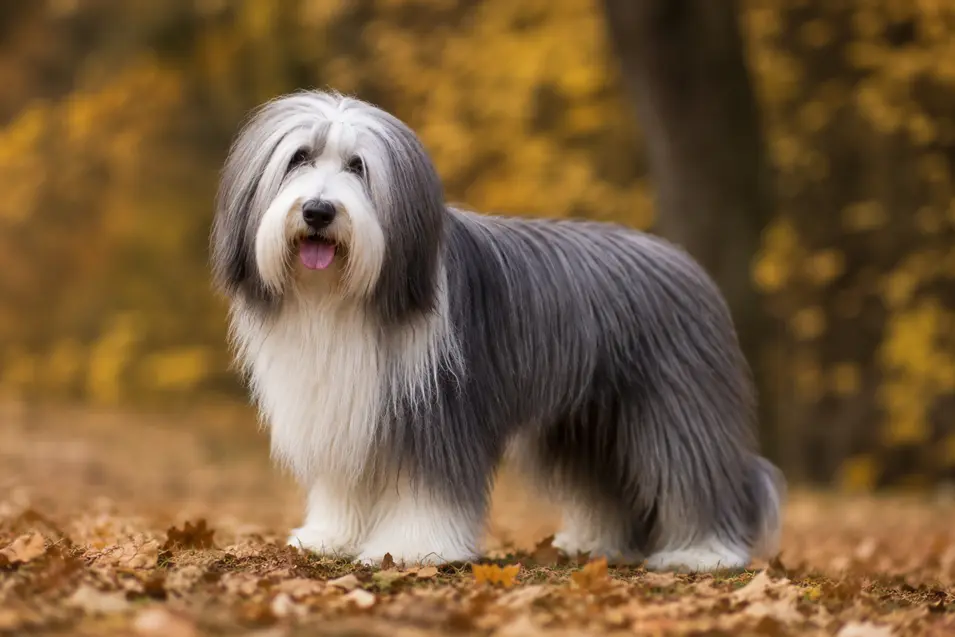
400mm Super Telephoto
Best For
- Eagles
- Wolves
- Deer
- Safari photography
Prompt Addition
photographed with a 400mm wildlife lens
This lens creates the classic National Geographic look.
Subjects appear isolated against soft, creamy backgrounds.
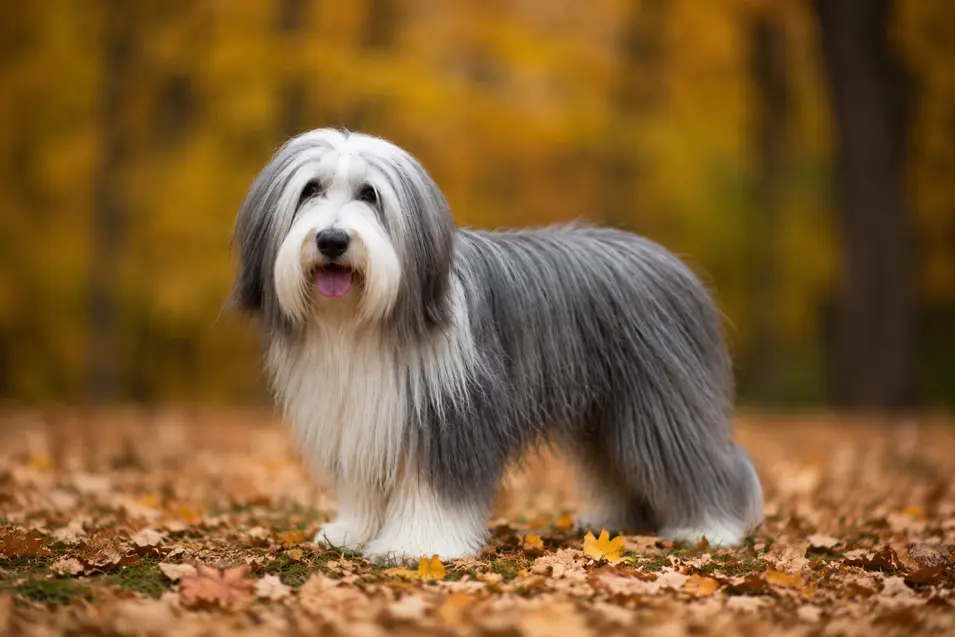
Macro Lens
Best For
- Eyes
- Fur
- Insects
- Flowers
- Fish
- Tiny details
Prompt Addition
extreme close-up macro photography using a 100mm macro lens
Macro photography reveals details invisible to the naked eye.
Every whisker, water droplet, and strand of fur becomes part of the story.
(Image)
Fisheye Lens
Best For
- Creative photography
- Fun pet images
- Playful perspectives
Prompt Addition
photographed with an 8mm fisheye lens
Fisheye lenses exaggerate perspective and produce dramatic curved lines.
They’re perfect for playful or artistic compositions.
(Image)
Drone Perspective
Best For
- Landscapes
- Parks
- Beaches
- Architecture
Prompt Addition
aerial drone photography
While not technically a lens, aerial photography completely changes perspective.
It allows AI to create breathtaking overhead views.
(Image)
Lens Comparison
| Lens | Best Use | Look |
| 24mm | Interiors | Spacious and dramatic |
| 35mm | Lifestyle | Natural with environment |
| 50mm | Everyday | Balanced and realistic |
| 85mm | Portraits | Beautiful background blur |
| 135mm | Editorial | Compressed and elegant |
| 200mm | Wildlife | Strong subject isolation |
| 400mm | Nature | National Geographic style |
| Macro | Details | Extreme close-up |
| Fisheye | Creative | Distorted and playful |
| Drone | Landscapes | Bird’s-eye perspective |
Combining Lenses with Lighting
Lens selection becomes even more powerful when combined with lighting.
For example:
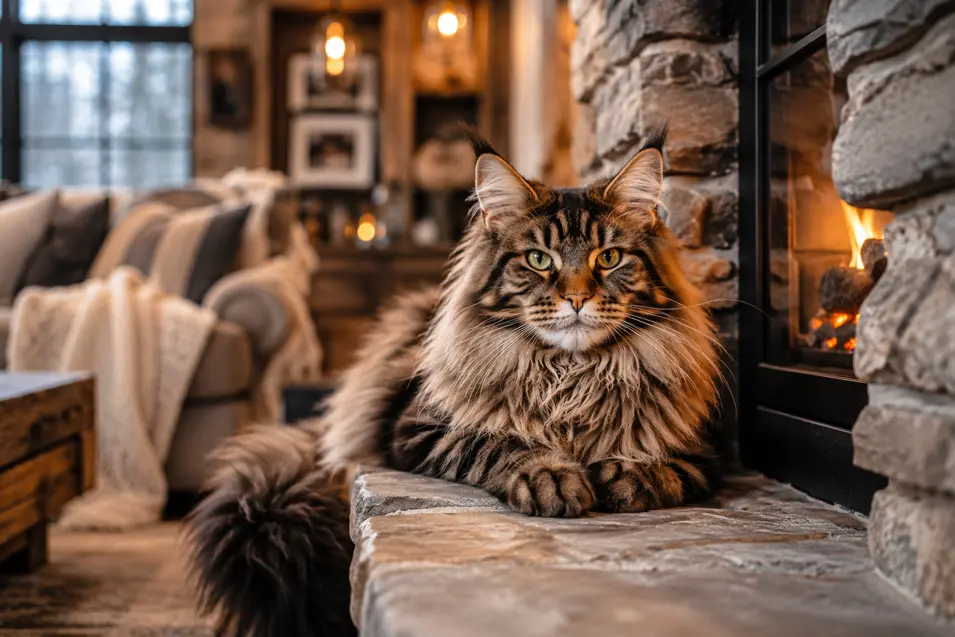
Maine Coon cat sitting beside a fireplace, warm afternoon sunlight, photographed with an 85mm portrait lens, shallow depth of field, magazine-quality pet photography.
Or:
Golden Retriever running through a field during golden hour, photographed with a 200mm telephoto lens, realistic wildlife photography.
Small changes like these dramatically improve realism.
My Favorite Lens Prompts
- photographed with an 85mm portrait lens
- photographed with a 35mm lens
- photographed with a 50mm standard lens
- photographed with a 24mm ultra wide-angle lens
- photographed with a 135mm telephoto lens
- photographed with a 200mm wildlife lens
- photographed with a 400mm super telephoto lens
- extreme close-up macro photography using a 100mm macro lens
- photographed with an 8mm fisheye lens
- aerial drone photography
Quick Lens Cheat Sheet
Want this look? Try this lens:
🏡 Interior Design → 24mm
🚶 Lifestyle Photos → 35mm
👨👩👧 Everyday Portraits → 50mm
🐶🐱 Pet Portraits → 85mm
📸 Magazine Covers → 135mm
🦅 Wildlife → 200–400mm
🐞 Tiny Details → 100mm Macro
😄 Fun & Creative → 8mm Fisheye
🚁 Aerial Views → Drone Photography
Final Thoughts
Lens choice isn’t just a technical detail—it’s one of the easiest ways to influence how an AI image feels.
A simple change from a 35mm lens to an 85mm portrait lens can make the same subject appear more intimate, polished, and professional.
As you experiment with AI, don’t think of lenses as camera equipment. Think of them as creative tools that shape perspective, emotion, and storytelling.
Once you begin adding lens descriptions to your prompts, you’ll quickly discover why photographers have relied on them for decades—and why they make such a difference in