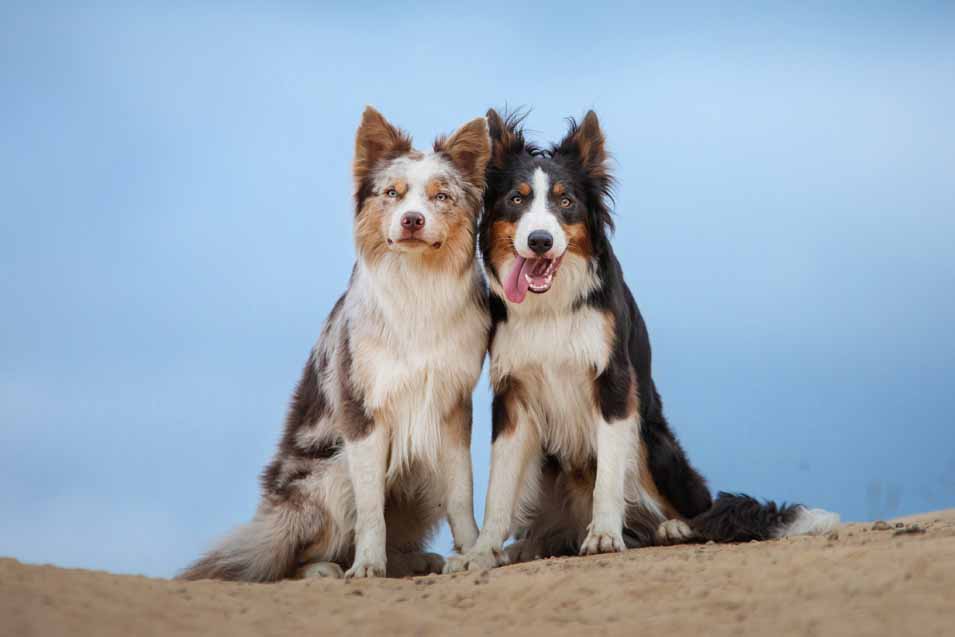

For a dog abandoned on the side of a highway or a frightened cat discovered beneath an empty building, rescue can mean the difference between an uncertain future and a second chance at life.
Every year, animal shelters and rescue organizations take in dogs, cats, and other pets that have been abandoned, surrendered, neglected, injured, or found wandering without an identifiable owner. Some arrive healthy and well-socialized. Others need extensive veterinary treatment, patient rehabilitation, or simply time to learn that people can be trusted again.
But rescuing an animal is only the beginning.
Behind every successful adoption is a process involving animal control officers, rescue volunteers, veterinarians, foster families, shelter employees, and adopters. Their combined efforts help transform frightened, vulnerable animals into companions ready for a new chapter.
Understanding how pet rescue and rehoming work offers a greater appreciation of the challenges involved, the importance of responsible adoption, and the remarkable difference that compassionate care can make.
1. The First Step: Rescuing Animals in Need
Animal rescue begins long before a dog or cat arrives at a shelter.
Some animals are discovered wandering through neighbourhoods, searching for food or shelter. Others are surrendered by owners who can no longer care for them because of financial hardship, illness, housing restrictions, or major life changes.
There are also animals rescued from neglectful environments, natural disasters, unsafe living conditions, and situations involving cruelty.
Not every animal entering a shelter has experienced abuse. Many were previously loved and cared for but lost their homes through circumstances beyond their control.
How Animal Rescue Organizations Respond
When an animal is reported in distress, the response depends on its condition, location, and the resources available.
Animal control officers, humane societies, and rescue organizations may coordinate efforts to safely retrieve the animal. In some situations, specialized equipment or veterinary assistance is necessary.
The immediate priorities generally include:
- Removing the animal from immediate danger.
- Assessing injuries, illness, dehydration, and other urgent health concerns.
- Providing safe transportation to an appropriate facility.
- Checking for identification, including collars, tags, and microchips.
- Determining whether an owner can be located.
- Arranging emergency veterinary treatment when necessary.
A frightened animal may react defensively, even when someone is trying to help. Rescuers must approach carefully, using humane handling techniques that minimize stress and reduce the risk of injury.
The goal is not simply to capture an animal. It is to bring that animal to safety without causing additional fear or trauma.
When Rescue Crosses International Borders
Animal rescue sometimes extends beyond local communities.
International rescue organizations help animals in regions where shelter resources, veterinary services, and adoption opportunities may be limited.
However, transporting animals internationally involves important considerations, including vaccination requirements, infectious disease screening, transportation stress, and legal import regulations.
Responsible organizations must also consider whether relocation is genuinely in the animal’s best interests.
For a closer look at international rescue, read our article on Adopting a Rescue Dog From Greece, which explores the experience of bringing a rescued dog into a new home.
2. Veterinary Care: Restoring Physical Health
Once an animal reaches a shelter or veterinary facility, attention turns to its physical condition.
Some rescued pets require little more than routine veterinary care. Others arrive with untreated injuries, dental disease, parasites, skin infections, nutritional deficiencies, or chronic medical conditions.
Animals rescued from prolonged neglect may need weeks or months of treatment before they are healthy enough for adoption.
The Initial Veterinary Examination
A veterinary assessment helps identify immediate health concerns and establish a treatment plan.
Depending on the animal’s history and condition, the examination may include:
- Checking body weight and nutritional condition.
- Examining the eyes, ears, teeth, skin, and coat.
- Assessing mobility, pain, and potential injuries.
- Screening for parasites and infectious diseases.
- Reviewing vaccination needs.
- Evaluating hydration and overall physical health.
- Identifying conditions requiring ongoing treatment.
Animals with unknown medical histories may need additional testing or temporary separation from other shelter residents to reduce the risk of disease transmission.
Treatment is individualized. An elderly dog with arthritis, for example, will have very different needs from an underweight puppy or a cat recovering from surgery.
Nutrition and Recovery
Proper nutrition is an important part of rehabilitation.
Animals that have experienced food insecurity or prolonged neglect may be underweight, dehydrated, or suffering from nutritional imbalances.
However, feeding a severely malnourished animal large amounts of food immediately can be dangerous.
Veterinarians may recommend carefully controlled feeding plans, particularly when there is a risk of refeeding syndrome, a potentially serious metabolic complication.
For animals with less severe nutritional concerns, recovery may involve a balanced diet appropriate for their age, size, medical condition, and individual needs.
Fresh water, appropriate feeding schedules, and monitoring of weight and body condition help support recovery.
There is no single diet that is suitable for every rescued animal. Veterinary guidance is especially important when medical problems or significant malnutrition are present.
Recovery Takes Time
Physical rehabilitation rarely follows a fixed schedule.
A healthy surrendered dog may be ready for adoption relatively quickly, while an animal recovering from surgery or a serious illness may need extensive care.
Some pets also have permanent disabilities or chronic conditions.
These animals can still enjoy excellent quality of life, but they may require adopters willing to provide medication, mobility assistance, specialized diets, or regular veterinary monitoring.
The objective is not to make every rescued pet physically perfect. It is to provide appropriate care and find a home capable of meeting that animal’s needs.
3. Emotional Rehabilitation: Helping Animals Feel Safe Again
Physical injuries are often easier to recognize than emotional distress.
A rescued dog may appear withdrawn, refuse food, tremble when approached, or become overwhelmed by unfamiliar noises.
A cat might hide continuously, avoid human interaction, or react defensively when handled.
These behaviours do not necessarily indicate a history of abuse. Fear can result from separation, sudden environmental changes, inadequate socialization, pain, or the stress of entering a shelter.
For some animals, simply adjusting to unfamiliar surroundings is a significant challenge.
Creating a Safe Environment
The first step in emotional rehabilitation is providing predictability.
Animals benefit from a comfortable resting area, consistent feeding routines, gentle handling, and opportunities to retreat from stressful situations.
Shelters and foster homes may use quiet spaces, visual barriers, enrichment activities, and carefully managed social interaction to help animals settle.
Dogs may benefit from predictable walks, scent-based enrichment, and positive interactions with caregivers.
Cats often need hiding places, elevated resting areas, scratching surfaces, and opportunities to explore at their own pace.
The goal is to help the animal feel secure rather than forcing immediate interaction.
Rebuilding Trust Through Positive Experiences
Animals that are fearful of people may need gradual, carefully managed exposure to human contact.
Reward-based training can help build positive associations with handling, unfamiliar environments, and everyday activities.
For example, a dog that becomes frightened when someone reaches toward its collar might first learn to approach voluntarily for treats before progressing to gentle handling exercises.
A shy cat may begin by accepting food near a familiar caregiver before eventually choosing to approach for attention.
Progress should be guided by the animal’s comfort and behaviour.
Punishment, intimidation, and forced exposure can increase fear and undermine rehabilitation.
Recognizing Individual Personalities
One of the most rewarding parts of rescue work is watching an animal’s personality emerge.
A dog that initially avoided eye contact may eventually begin seeking affection, playing with toys, or confidently exploring its surroundings.
A cat that spent its first days hiding might begin greeting caregivers, enjoying gentle petting, or sleeping comfortably in the open.
These changes can be encouraging, but rehabilitation is not always linear.
Animals may have good days and difficult days, particularly when introduced to new people, environments, or routines.
Some will remain naturally cautious or reserved throughout their lives.
Successful rehabilitation means improving an animal’s welfare and ability to cope, not changing every aspect of its personality.
4. The Important Role of Foster Homes
Animal shelters provide essential services, but they can also be noisy, busy, and stressful environments.
For some rescued pets, living temporarily with a foster family offers an opportunity to recover in a quieter, more predictable setting.
Foster homes are particularly valuable for young animals, pets recovering from medical procedures, nursing mothers, and animals that struggle with the shelter environment.
What Foster Families Provide
Foster caregivers offer temporary housing and daily care while the rescue organization works toward a suitable permanent placement.
Their responsibilities may include:
- Providing food, water, exercise, and a safe living environment.
- Administering prescribed medications.
- Supporting basic training and appropriate socialization.
- Monitoring health and behaviour.
- Helping animals adjust to household routines.
- Sharing observations with the rescue organization.
- Participating in adoption meetings when appropriate.
Foster families can also provide valuable information about how an animal behaves in a home.
A dog that appears extremely anxious in a shelter may become relaxed and affectionate in a quiet household.
Conversely, behaviours that were not apparent in the shelter may emerge once the animal becomes more comfortable.
These observations help rescue organizations make better adoption matches.
Fostering Isn’t Always Easy
Fostering can be emotionally rewarding, but it also requires patience, time, and flexibility.
Some animals need intensive care. Others may struggle with housetraining, separation-related distress, or unfamiliar household routines.
There can also be an emotional challenge when a foster pet leaves for its permanent home.
Nevertheless, foster families play an important role in increasing rescue capacity and giving individual animals the attention they need.
For people who want to help animals but are not ready for a permanent adoption, fostering can be a meaningful way to contribute.
5. Preparing Rescued Pets for Adoption
Finding a permanent home involves more than posting a photograph online and waiting for someone to respond.
Responsible rescue organizations aim to match each animal with an environment suited to its temperament, medical requirements, activity level, and individual needs.
Before adoption, organizations typically assess whether the animal is medically stable and sufficiently prepared for the transition.
Depending on the animal and organization, preparations may include vaccinations, parasite prevention, spaying or neutering when appropriate, identification, and documentation of known medical or behavioural concerns.
Not every animal will have completed every procedure before adoption. Some may require follow-up treatment or scheduled veterinary care.
Transparency about these needs helps adopters make informed decisions.
Finding the Right Match
A successful adoption depends on compatibility.
An energetic young dog may thrive with an active household that enjoys outdoor activities and training.
An older dog with mobility limitations may be better suited to a quieter home with fewer stairs.
A shy cat might do best in a peaceful environment where it can adjust gradually, while a confident, social cat may enjoy a busier household.
Rescue organizations may consider:
- The adopter’s lifestyle and daily schedule.
- Previous experience with animals.
- The presence of children or other pets.
- Housing arrangements and pet restrictions.
- Exercise and enrichment opportunities.
- The animal’s medical and behavioural requirements.
- The household’s ability to provide long-term care.
Breed characteristics can offer useful background information, but they should never replace an assessment of the individual animal.
Two dogs of the same breed may have very different personalities, histories, and needs.
Why Adoption Fees Matter
Some prospective adopters are surprised that rescue organizations charge adoption fees.
However, responsible animal care involves significant expenses.
Veterinary examinations, vaccinations, medications, surgeries, food, transportation, and shelter operations all require funding.
Adoption fees can help offset these costs and support the organization’s ability to care for additional animals.
For a closer look at the purpose of these fees, read Rehoming or Adoption Fees: Why Do Animal Shelters Charge Them?.
The amount charged does not necessarily reflect an animal’s value or the total cost of its care.
A rescue organization may spend considerably more treating an individual animal than it receives through the adoption fee.
6. Bringing a Rescue Pet Home: The Adjustment Period
Adoption day is exciting, but it is also another major transition for the animal.
Even a friendly, well-adjusted dog or cat may become uncertain when introduced to a completely unfamiliar environment.
New smells, household noises, people, routines, and sleeping arrangements can be overwhelming.
A successful transition requires realistic expectations and patience.
Give Your New Pet Time to Decompress
A newly adopted dog may initially sleep more than expected, eat less, avoid interaction, or appear unusually quiet.
A cat may spend several days hiding beneath furniture before feeling comfortable enough to explore.
These behaviours can be normal responses to a major environmental change, although persistent changes in appetite, energy, or behaviour should be discussed with a veterinarian.
There is no universal adjustment timeline.
Some pets settle in within days, while others need weeks or months to become fully comfortable.
The often-repeated 3-3-3 rule suggests three days to decompress, three weeks to learn routines, and three months to feel settled. It can be a useful reminder that adjustment takes time, but it is not a scientifically established schedule and should not be treated as a deadline.
Every animal adjusts differently.
Establish Predictable Routines
Consistency helps newly adopted pets understand their surroundings.
Try to maintain regular schedules for feeding, exercise, rest, and bathroom breaks.
Provide a quiet sleeping area where the animal can retreat without being disturbed.
Avoid overwhelming a new pet with visitors, unfamiliar animals, or numerous outings during the initial adjustment period.
For dogs, begin with simple reward-based training and gradually introduce new experiences.
For cats, start with a quiet room containing food, water, a litter box, hiding places, and comfortable resting areas. Allow access to additional areas as the cat becomes more confident.
Introduce Other Pets Carefully
Introducing a rescued animal to existing household pets should be a gradual process.
Dogs may benefit from controlled introductions in neutral environments, while cats often require a slower process involving scent exchanges and carefully supervised visual contact.
Do not assume animals will immediately become friends.
Competition over food, toys, resting spaces, or attention can create tension.
Provide separate resources and supervise interactions until you are confident the animals can coexist safely.
If serious aggression, persistent fear, or significant stress develops, consult a qualified behaviour professional.
Don’t Expect Gratitude
One common misconception is that rescued animals somehow understand they have been saved and should therefore behave affectionately or obediently.
Animals do not necessarily interpret adoption in human terms.
A rescued dog may chew furniture, bark, or struggle with housetraining. A newly adopted cat may scratch furniture or avoid affection.
These behaviours do not mean the animal is ungrateful.
They may reflect normal species behaviour, stress, unmet needs, insufficient training, or medical concerns.
Adoption is a commitment to providing appropriate care, not an expectation that an animal will repay kindness through perfect behaviour.
7. When a Rescue Adoption Doesn’t Work Out
Not every adoption results in a permanent placement.
Sometimes an animal’s needs exceed what an adopter can reasonably provide. Unexpected medical expenses, household incompatibility, severe behavioural challenges, or changes in personal circumstances may make continued ownership difficult.
This can be heartbreaking for everyone involved.
However, keeping an animal in an unsuitable or unsafe environment is not always the best solution.
Responsible rescue organizations often have policies requiring adopters to contact them if the placement is unsuccessful.
Some organizations will accept the animal back, provide behavioural support, or assist with another placement.
If a rescue pet is struggling, seeking professional guidance early can sometimes prevent the situation from deteriorating.
The goal should always be the animal’s long-term welfare.
Rehoming should never be approached casually, but neither should it automatically be viewed as a moral failure.
In some circumstances, finding a more suitable home is the most compassionate decision.
8. How You Can Support Animal Rescue Without Adopting
Not everyone is in a position to adopt another pet.
Fortunately, animal rescue organizations depend on many different forms of community support.
Volunteer Your Time
Shelters may need help with animal care, cleaning, laundry, transportation, enrichment activities, fundraising, and administrative tasks.
Some organizations also rely on volunteers to photograph adoptable animals or help maintain their websites and social media accounts.
Become a Foster Caregiver
Providing temporary accommodation can free up shelter space while helping an animal prepare for adoption.
Even short-term fostering may be valuable during emergencies or periods of overcrowding.
Donate Supplies or Money
Shelters frequently need food, bedding, cleaning supplies, litter, toys, and other essentials.
Financial donations can be especially helpful because organizations can direct funds toward urgent veterinary expenses and operational needs.
Before donating supplies, check the organization’s current wish list.
Share Adoptable Animals Responsibly
Sharing verified adoption listings can help suitable families discover animals looking for homes.
However, avoid reposting outdated listings or encouraging impulsive adoption decisions based solely on appearance.
The objective is to find appropriate, lasting placements rather than generating attention.
Support Responsible Pet Ownership
Preventing animals from entering shelters is just as important as helping those already there.
Responsible pet ownership includes appropriate veterinary care, identification, training, supervision, and planning for long-term expenses.
Microchipping and keeping contact information current can help reunite lost pets with their owners.
Supporting accessible veterinary services, humane education, and responsible breeding practices can also contribute to better animal welfare.
9. The Bigger Picture: Rescue Is About More Than Finding Homes
The most visible part of animal rescue is often the adoption photograph.
A once-frightened dog rests comfortably beside its new family. A rescued cat curls up on a sunny windowsill. A senior pet finally has a soft bed and a peaceful place to spend its remaining years.
These moments are worth celebrating.
But behind them are countless hours of work that rarely receive the same attention.
There are volunteers who respond to emergency calls, veterinarians who treat difficult medical cases, shelter workers who clean kennels and administer medications, and foster families who provide stability during uncertain transitions.
There are also difficult decisions, limited resources, unsuccessful placements, and animals whose recovery takes far longer than anyone anticipated.
Rescue organizations cannot solve every problem through adoption alone.
Long-term improvements in animal welfare also depend on preventing unnecessary surrender, supporting pet owners experiencing hardship, promoting responsible ownership, and addressing the conditions that contribute to animal abandonment and neglect.
A successful rescue system helps animals in crisis while also working to reduce the number that need rescuing in the first place.
Final Thoughts: Every Animal Deserves a Chance
The journey from rescue to rehoming is rarely simple.
For some animals, it involves emergency medical treatment, months of rehabilitation, and the patient support of dedicated caregivers.
For others, it means finding a new family after circumstances unexpectedly separated them from the people they once knew.
Not every rescued pet arrives with a tragic story, and not every adoption follows a perfect path.
What matters is providing animals with safety, appropriate care, and the opportunity to live in an environment where their needs are understood and respected.
Whether you adopt, foster, volunteer, donate, or simply help a lost animal find its way home, your actions can make a meaningful difference.
Because behind every successful rescue is something greater than a happy ending.
It’s the opportunity for an animal to begin again.