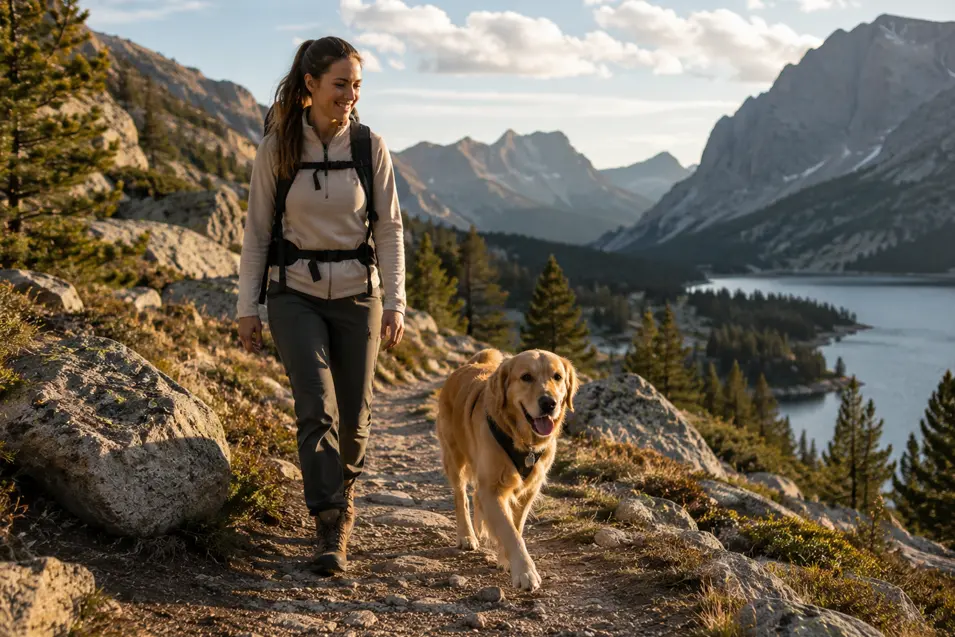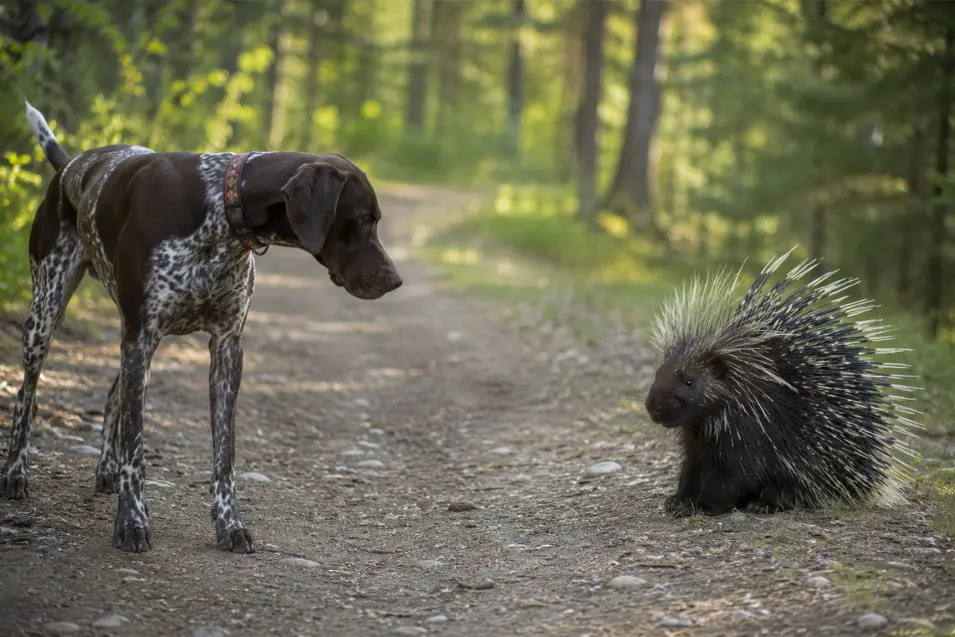
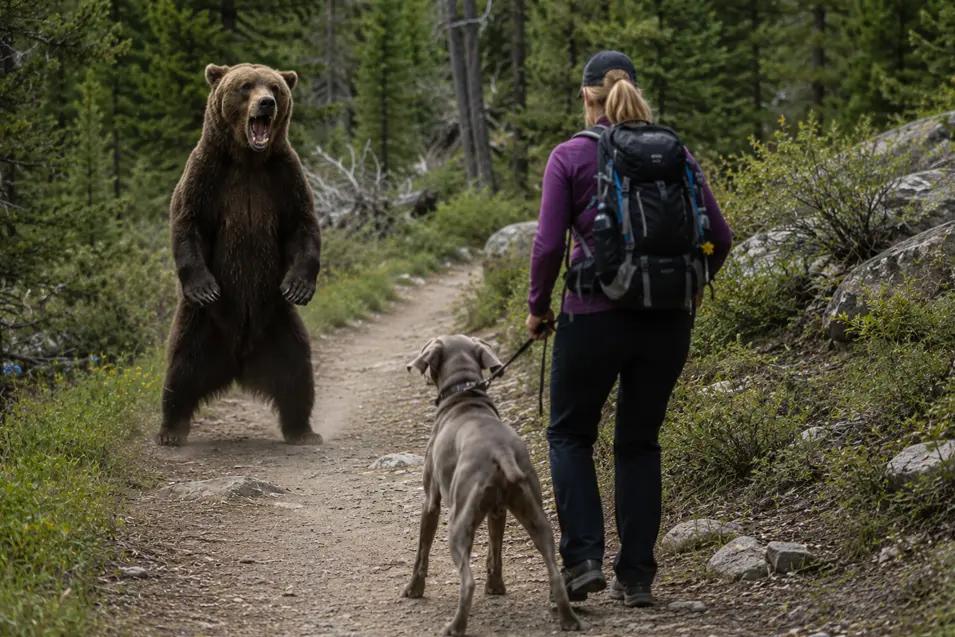
Camping and hiking with your dog can be one of life’s greatest adventures, but exploring bear country requires extra awareness and preparation. While bear attacks on people are uncommon, dogs can unintentionally trigger dangerous encounters by barking, chasing bears, or leading an angry bear back to their owners.
Whether you’re hiking through the Rocky Mountains, camping in a national park, or exploring remote forests, understanding how bears behave can help keep both you and your dog safe.
Why Bears Can Be Dangerous to Dogs
Most bears prefer to avoid people and pets. However, they can become aggressive when they feel threatened or surprised.
Dogs often increase the risk because they may:
- Bark at bears.
- Chase them.
- Corner them unexpectedly.
- Disturb a mother with cubs.
- Return to their owner with the bear following behind.
A curious dog can quickly turn a peaceful wildlife sighting into a dangerous situation.
Where You’re Most Likely to Encounter Bears
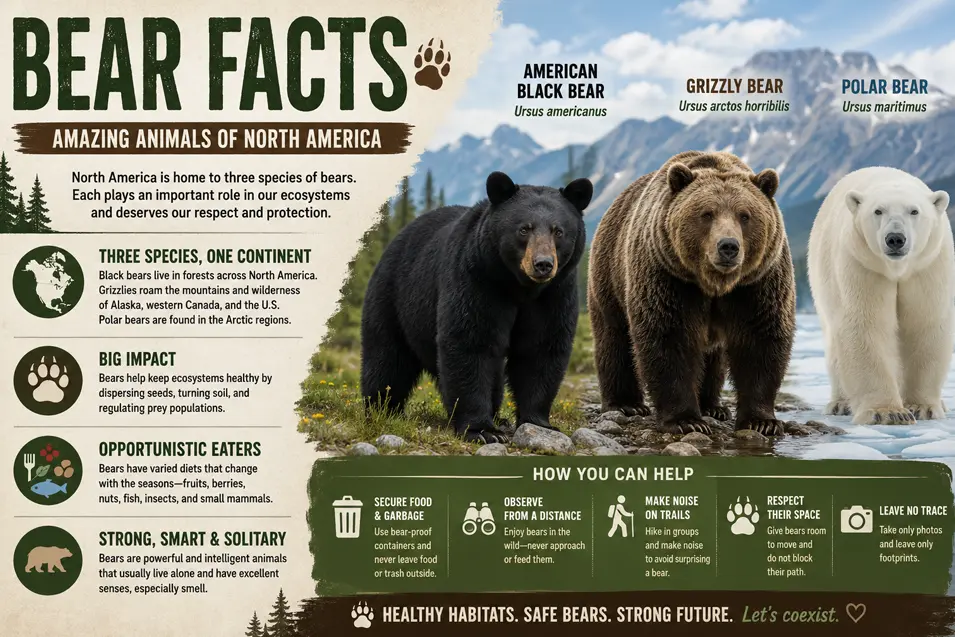
Black bears and grizzly bears occupy a wide variety of habitats throughout North America.
Common locations include:
- National parks
- Provincial and state parks
- Forest trails
- Mountain valleys
- Campgrounds
- River corridors
- Berry patches
- Remote backcountry areas
Always assume bears may be nearby when hiking in bear country.
Understanding Bear Behavior
Bears are usually focused on finding food, raising cubs, or avoiding conflict.
They may become defensive when:
- Protecting cubs
- Guarding a food source
- Surprised at close range
- Feeling trapped
- Defending a carcass
Most bears would rather leave than fight.
Signs a Bear Feels Threatened
Watch for warning behaviors such as:
- Huffing or blowing
- Jaw popping
- Swatting the ground
- Bluff charging
- Standing on its hind legs to investigate
- Flattened ears
- Direct staring
A bear standing upright is often trying to get a better view—not necessarily preparing to attack.
Why Dogs Increase the Risk
Dogs frequently notice bears before people do.
Unfortunately, their natural instincts may cause them to:
- Chase the bear.
- Bark repeatedly.
- Run toward the animal.
- Circle around it.
One of the most dangerous situations occurs when a dog runs back to its owner while being chased by a bear.
Keeping your dog under control is one of the best ways to prevent this from happening.
How to Prevent Bear Encounters
Preparation goes a long way.
Before heading out:
- Keep your dog on a leash where required or recommended.
- Stay on established trails.
- Make noise while hiking.
- Avoid hiking at dawn or dusk when visibility is limited.
- Never leave food behind.
- Store food in bear-resistant containers where available.
- Pack out all garbage.
If your dog has poor recall, a leash is the safest option in bear habitat.
Camping Safely in Bear Country
Your campsite should never attract wildlife.
To reduce the risk:
- Store food securely.
- Never leave pet food outside.
- Clean cooking areas immediately.
- Dispose of garbage properly.
- Store scented items according to campground regulations.
- Feed your dog away from where you sleep if possible.
Remember that bears have an exceptional sense of smell.
What to Do If You See a Bear
Stay calm.
Do not run.
Instead:
- Keep your dog close.
- Put your dog on a leash if it isn’t already.
- Speak calmly.
- Slowly back away.
- Give the bear plenty of space.
- Leave the area without turning your back.
Never approach a bear for photographs.
What If a Bear Approaches?
If the bear continues toward you:
- Remain calm.
- Stand your ground.
- Speak firmly.
- Make yourself appear larger.
- Have bear spray readily available if you’re carrying it.
Do not allow your dog to bark continuously or lunge toward the bear.
Should You Let Your Dog Chase a Bear?
Absolutely not.
Even experienced hunting dogs can provoke dangerous situations.
A bear may initially retreat but quickly become defensive or follow the dog back to people.
Calling your dog immediately is always the safest choice.
If Your Dog Is Injured
Even a brief encounter can result in:
- Bite wounds
- Deep scratches
- Broken bones
- Internal injuries
- Shock
Seek veterinary care immediately.
Small puncture wounds may appear minor while hiding significant damage beneath the skin.
Camping Tip
Camping Tip: Store your dog’s food just as carefully as your own. Pet food can attract bears, coyotes, raccoons, and other wildlife into your campsite.
Related: Camping With Pets: Essential Safety Tips for Outdoor Adventures
Frequently Asked Questions
Are black bears dangerous to dogs?
They can be. Although black bears usually avoid conflict, they may become aggressive if surprised, protecting cubs, or defending food.
Should I keep my dog on a leash in bear country?
Yes. A leash helps prevent dogs from chasing bears or accidentally provoking an encounter.
Can bears smell dog food?
Yes. Bears have an extraordinary sense of smell and can detect pet food from long distances.
Will bear spray harm my dog?
Bear spray is designed to deter aggressive bears. While accidental exposure may temporarily irritate your dog, it is generally far less dangerous than a bear attack. Always follow the manufacturer’s safety instructions and use bear spray only when necessary.
What should I do if my dog starts barking at a bear?
Immediately call your dog back, leash them if possible, and slowly leave the area while keeping your eyes on the bear.
Final Thoughts
Bears are an important part of North America’s wilderness and deserve both respect and space. Fortunately, most encounters end peacefully when hikers stay alert, control their dogs, and avoid attracting wildlife to campsites.
By understanding bear behavior and practicing good camping habits, you can enjoy the outdoors while greatly reducing the risk of dangerous encounters for both you and your dog.
Related Articles
- Dogs and Coyotes: What Every Dog Owner Should Know
- How to Keep Your Dog Safe Around Moose
- Dogs and Porcupines: What Every Owner Should Know
- Snake Bites in Dogs | Prevention, Symptoms and Treatment
- Heatstroke in Dogs | Risks, Signs and Treatment