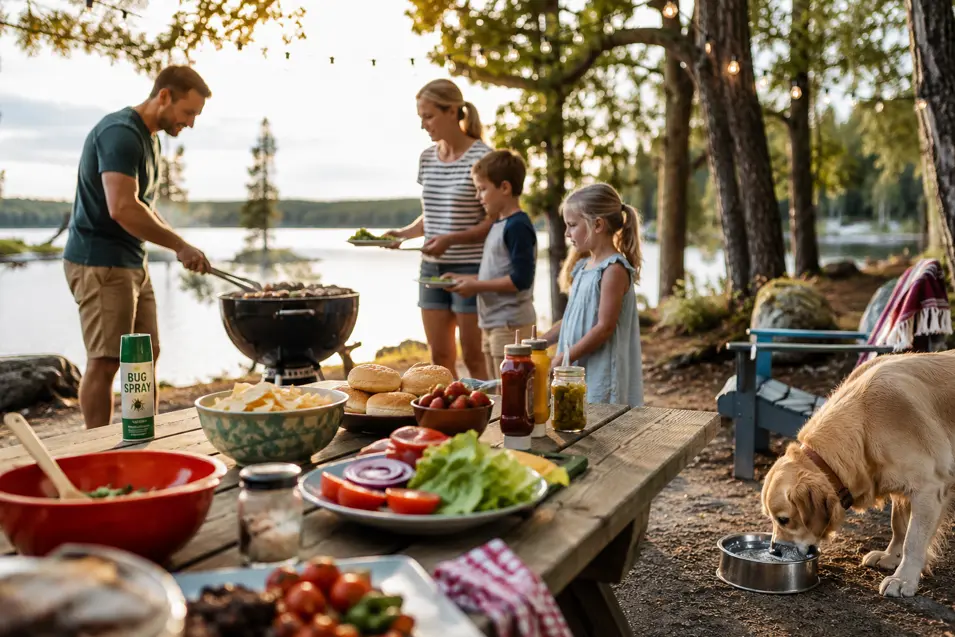
Summer is a wonderful time to enjoy longer days, backyard barbecues, camping trips, and family vacations. While many dogs and cats love spending more time outdoors, warm weather also brings new risks that pet owners should be aware of.
From dangerous heat and hot pavement to toxic plants and backyard pools, even everyday summer activities can pose serious hazards for pets.
Use this comprehensive checklist to help keep your furry family members safe, healthy, and comfortable throughout the summer months.
Why Summer Can Be Dangerous for Pets
Unlike people, dogs and cats have limited ways to cool themselves. Dogs primarily regulate their body temperature through panting and limited sweating through their paw pads, while cats rely on grooming and seeking cooler places to rest.
During periods of high heat or humidity, pets can quickly become overheated, leading to dehydration, heat exhaustion, or life-threatening heatstroke.
Fortunately, most summer emergencies are preventable with a little planning.
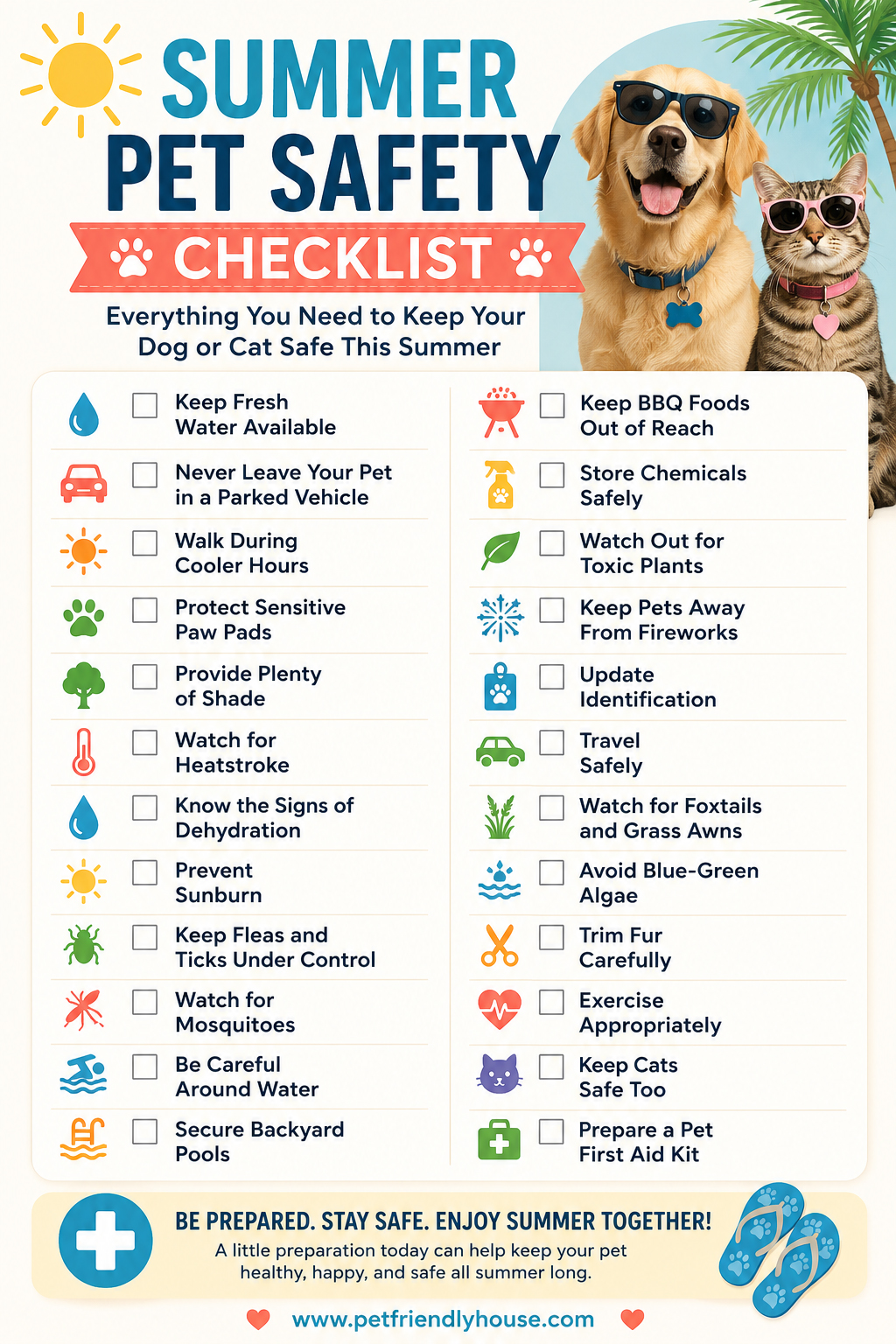
Summer Pet Safety Checklist
Keep Fresh Water Available
Hydration is your pet’s first defense against overheating.
Always provide:
- Clean, fresh water
- Multiple water bowls outdoors
- Travel water bottles during walks
- Extra water during hikes or road trips
Change outdoor water frequently so it stays cool and clean.
Never Leave Your Pet in a Parked Vehicle
Even with the windows cracked, temperatures inside a parked vehicle can rise dangerously within minutes.
On warm days, the interior of a car can become deadly far faster than many people realize.
If your pet can’t come inside with you, it’s safest to leave them at home.
Walk During Cooler Hours
Summer walks are safest:
- Early morning
- Late evening
Avoid walking during the hottest part of the day, especially when temperatures and humidity are high.
Protect Sensitive Paw Pads
Sidewalks, asphalt, concrete, sand, and even artificial turf can become extremely hot.
If the pavement feels too hot for the back of your hand after several seconds, it’s likely too hot for your dog’s paws.
Consider:
- Walking on grass
- Using protective dog boots
- Choosing shaded routes
Provide Plenty of Shade
If your pet spends time outdoors, make sure they always have access to shade.
Good options include:
- Covered patios
- Trees
- Pop-up canopies
- Dog houses with proper ventilation
Shade alone isn’t enough—fresh water must always be available.
Watch for Heatstroke
Heatstroke is a medical emergency.
Warning signs include:
- Excessive panting
- Bright red gums
- Drooling
- Weakness
- Vomiting
- Diarrhea
- Confusion
- Collapse
- Seizures
Move your pet to a cool location immediately and contact your veterinarian or an emergency veterinary clinic without delay.
Know the Signs of Dehydration
Dehydrated pets may experience:
- Dry gums
- Sunken eyes
- Thick saliva
- Loss of energy
- Reduced skin elasticity
Encourage drinking and seek veterinary advice if symptoms persist.
Prevent Sunburn
Pets can get sunburn too.
Areas most at risk include:
- Nose
- Ear tips
- Belly
- Thin-coated breeds
- Hairless breeds
Talk with your veterinarian about pet-safe sunscreen if your pet spends extended time outdoors.
Keep Fleas and Ticks Under Control
Summer is peak season for parasites.
Use veterinarian-recommended flea and tick prevention and check your pet after:
- Walks
- Camping
- Hiking
- Time in tall grass
Remove ticks promptly using proper techniques.
Watch for Mosquitoes
Mosquitoes can transmit heartworm disease to dogs and cats.
Preventive medication prescribed by your veterinarian remains one of the best ways to protect your pet.
Be Careful Around Water
Many dogs enjoy swimming, but not every dog is a natural swimmer.
Always supervise pets around:
- Pools
- Lakes
- Rivers
- Beaches
- Backyard ponds
Consider a properly fitted canine life jacket for boating or open-water adventures.
Secure Backyard Pools
Install barriers or fencing if possible.
Teach dogs where pool steps are located so they can exit safely.
Never assume a dog knows how to get out.
Keep BBQ Foods Out of Reach
Summer cookouts often include foods that can be dangerous for pets.
Avoid feeding:
- Cooked bones
- Onions
- Garlic
- Corn cobs
- Chocolate
- Grapes
- Raisins
- Alcohol
- Xylitol-containing foods
- Excessively fatty meats
Politely remind guests not to feed table scraps.
Store Chemicals Safely
Keep products securely stored, including:
- Fertilizers
- Weed killers
- Insecticides
- Pool chemicals
- Gasoline
- Charcoal lighter fluid
Allow treated lawns to dry completely before allowing pets outside.
Watch Out for Toxic Plants
Some common garden plants can be poisonous.
Examples include:
- Lilies, especially dangerous for cats
- Azaleas
- Oleander
- Sago palms
- Foxglove
Research any new plants before adding them to your landscape.
Keep Pets Away From Fireworks
Summer celebrations often include fireworks.
Prepare by:
- Creating a safe room
- Closing windows and blinds
- Playing calming music
- Keeping identification current
Never take your pet to a fireworks display.
Update Identification
Before summer adventures:
- Check collar fit
- Replace worn ID tags
- Verify microchip information
- Update emergency contacts
Identification dramatically improves the chances of a reunion if your pet becomes lost.
Travel Safely
When traveling:
- Use a crash-tested carrier or safety harness
- Pack food and medications
- Bring vaccination records
- Schedule regular bathroom breaks
- Never allow pets to ride unsecured in truck beds
Watch for Foxtails and Grass Awns
In some regions, grass awns can become lodged in:
- Ears
- Eyes
- Nose
- Paws
- Skin
After hikes, inspect your pet carefully for seeds or plant debris.
Avoid Blue-Green Algae
Some ponds and lakes may develop harmful algal blooms.
Keep pets away from water that appears:
- Bright green
- Blue-green
- Thick
- Scummy
- Paint-like
Exposure can become life-threatening.
Trim Fur Carefully
Regular grooming helps remove excess undercoat and improves airflow.
Avoid shaving double-coated breeds unless specifically recommended by a professional groomer or veterinarian, as their coat also provides insulation from heat.
Exercise Appropriately
Reduce strenuous activity during:
- Heat waves
- High humidity
- Poor air quality
Choose shorter walks and more indoor games when temperatures climb.
Keep Cats Safe Too
Cats face many of the same summer dangers.
Provide:
- Fresh water
- Cool resting areas
- Shade for outdoor enclosures
- Flea prevention
- Safe indoor temperatures
Watch for overheating in older cats and those with underlying health conditions.
Prepare a Pet First Aid Kit
Include:
- Gauze
- Bandages
- Saline solution
- Tweezers
- Tick remover
- Digital thermometer
- Emergency contact numbers
- Medications prescribed by your veterinarian
Keep another kit in your vehicle if you travel frequently.
Know Your Emergency Veterinarian
Before an emergency occurs:
- Locate the nearest emergency veterinary clinic.
- Save the phone number in your contacts.
- Know their hours and directions.
Quick action can save valuable time during an emergency.
Frequently Asked Questions
What temperature is too hot to walk a dog?
There isn’t one universal temperature because humidity, sunlight, breed, age, and fitness all matter. During hot weather, it’s safest to walk during the coolest parts of the day and monitor your dog closely for signs of overheating.
Can cats get heatstroke?
Yes. Although cats often seek cool places naturally, they can still develop heat-related illnesses, especially if they’re elderly, overweight, or unable to escape the heat.
Should I shave my dog for summer?
Not necessarily. Many double-coated breeds benefit from their natural coat, which helps regulate body temperature and protects the skin from sunburn. Consult a professional groomer or veterinarian before shaving.
Are cooling mats safe?
Many cooling mats are safe when used according to the manufacturer’s instructions. Choose products designed specifically for pets and supervise pets that may chew them.
Final Thoughts
Summer should be a season filled with fun, adventure, and quality time with your pets—not emergency veterinary visits. By following this simple checklist, you can reduce many common seasonal risks and help your dog or cat stay healthy throughout the warmer months.
A little preparation goes a long way. Whether you’re heading to the beach, relaxing in the backyard, or taking a road trip, keeping your pet’s comfort and safety in mind ensures everyone enjoys the season together.
Key Takeaways
- Always provide fresh water and shade.
- Never leave pets unattended in parked vehicles.
- Walk during cooler parts of the day.
- Protect paws from hot pavement.
- Keep up with flea, tick, and heartworm prevention.
- Supervise pets around pools, lakes, and beaches.
- Avoid toxic foods, plants, and chemicals.
- Keep identification tags and microchip information current.
- Know the signs of heatstroke and seek immediate veterinary care if they occur.
- Plan ahead so your pets can enjoy a safe and happy summer.
Related Articles
- How to Keep Your Pets Safe During Fourth of July Celebrations
- Can Dogs Eat Hot Dogs, Hamburgers, and BBQ Food?
- How to Keep Cats Calm During Fireworks
- Best Calming Products for Dogs During Fireworks