The Fourth of July is one of the most exciting holidays of the year. Backyard barbecues, fireworks, parades, family gatherings, and patriotic celebrations bring people together across the country. While these festivities are fun for us, they can be overwhelming—and even dangerous—for our pets.
Every year, animal shelters report a significant increase in lost pets around Independence Day. Loud fireworks, unfamiliar visitors, tempting foods, and open gates can quickly turn a fun celebration into an emergency.
With a little planning, you can help ensure your dog or cat enjoys a safe and stress-free holiday alongside the rest of the family.
Why the Fourth of July Can Be Stressful for Pets
Dogs and cats experience the world differently than we do. Their hearing is far more sensitive, making fireworks and loud music startling and frightening. Large gatherings introduce unfamiliar people, strange smells, and unusual activity that can increase anxiety.
Even pets that normally seem calm may panic when fireworks begin.
Common Fourth of July hazards include:
- Fireworks and loud noises
- Escaping through open doors or gates
- Dangerous barbecue foods
- Alcoholic beverages
- Heat and dehydration
- Hot grills and fire pits
- Sparklers and fireworks debris
- Stress from large crowds and unfamiliar guests
Understanding these risks is the first step toward keeping your pet safe.
1. Keep Your Pet Indoors During Fireworks
Fireworks are the number one reason pets go missing during the Fourth of July.
Even well-trained dogs can bolt if they become frightened. Cats may hide in dangerous places or escape through an open door.
Before celebrations begin:
- Bring pets indoors well before sunset.
- Close windows, curtains, and blinds.
- Lock pet doors if fireworks are expected nearby.
- Turn on the television, fans, or calming music to help mask outside noise.
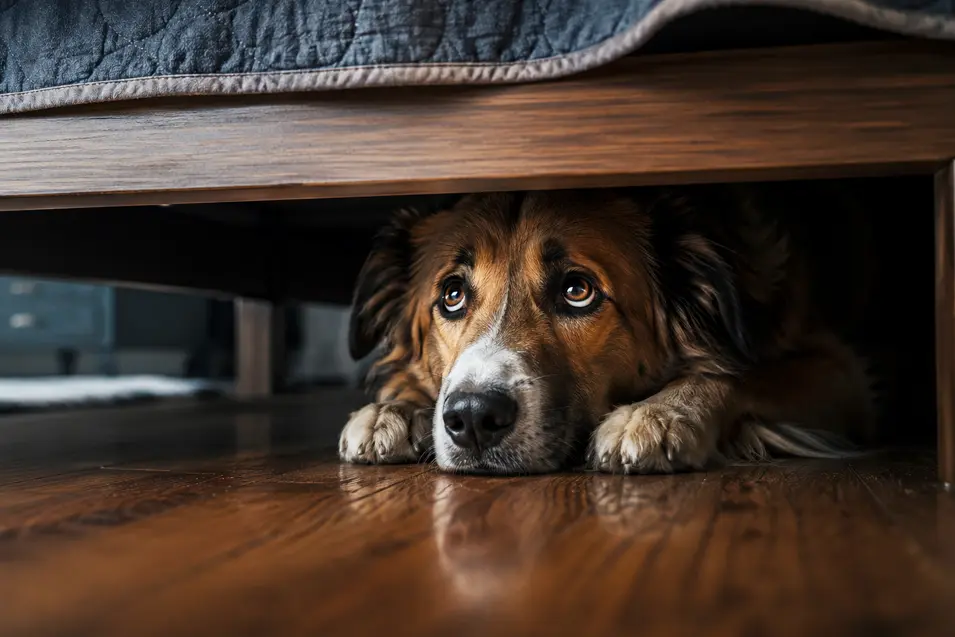
If your pet prefers hiding under a bed or in a closet, allow them to stay there. A familiar hiding spot often provides comfort.
2. Create a Quiet Safe Room
Set aside one room where your pet can relax away from guests and loud noises.
Include:
- Their favorite bed
- Fresh water
- Toys or chew items
- Blankets
- A familiar shirt carrying your scent
For cats, provide access to a litter box and a comfortable hiding place.
Some pets also benefit from anxiety wraps, calming pheromone diffusers, or veterinarian-approved calming supplements.
3. Never Bring Pets to Fireworks Displays
Many owners assume their dog will enjoy attending fireworks or outdoor festivals.
Unfortunately, even social dogs can become terrified once explosions begin.
A frightened dog may:
- Pull free from its leash
- Slip out of its collar
- Panic in large crowds
- Bite when scared
- Become overheated
The safest place for your pet during fireworks is at home.
4. Double Check Identification
Before the holiday begins, verify that your pet’s identification is current.
Make sure they have:
- A collar with an ID tag
- Updated contact information
- A registered microchip with current phone numbers
Microchips are incredibly valuable, but they only work if your contact information is up to date.
5. Be Careful with Barbecue Foods
Holiday cookouts often include foods that should never be shared with pets.
Avoid giving your dog or cat:
- Cooked bones
- Corn cobs
- Onions
- Garlic
- Grapes and raisins
- Chocolate
- Macadamia nuts
- Avocados
- Foods containing xylitol
- Fatty meat trimmings
- Raw bread dough
Even seemingly harmless leftovers can lead to digestive problems, choking, or life-threatening illness.
Instead, prepare a few pet-safe treats so your companion doesn’t feel left out.
6. Keep Alcohol Away from Pets
Alcohol is toxic to both dogs and cats.
Even small amounts can cause:
- Vomiting
- Disorientation
- Difficulty walking
- Breathing problems
- Dangerous drops in body temperature
- Seizures
Never leave unattended drinks within reach, especially at outdoor gatherings.
7. Watch Out for Hot Weather
Many Fourth of July celebrations happen during the hottest part of summer.
Heat exhaustion and heatstroke can develop quickly.
Help your pet stay comfortable by:
- Providing constant access to fresh water
- Offering shaded resting areas
- Avoiding walks during peak afternoon temperatures
- Limiting strenuous exercise
- Walking early in the morning or later in the evening
Signs of overheating include excessive panting, drooling, weakness, vomiting, confusion, or collapse. If you suspect heatstroke, seek veterinary care immediately.
8. Protect Pets from Fireworks and Sparklers
Even unused fireworks contain chemicals that can be harmful if chewed or swallowed.
Lit fireworks and sparklers can cause:
- Burns
- Eye injuries
- Paw injuries
- Toxic chemical exposure
Never allow pets to investigate fireworks before or after they’re used.
After the celebration ends, carefully inspect your yard for leftover debris.
9. Keep Guests Aware
Holiday parties often mean doors and gates are opening constantly.
Ask guests to:
- Close gates securely
- Avoid feeding your pets
- Keep children from chasing or cornering animals
- Notify you immediately if a pet slips outside
A simple reminder can prevent an emergency.
10. Watch Decorations and Party Supplies
Many festive decorations can become chew toys.
Keep pets away from:
- Glow sticks
- Balloons
- Plastic flags
- Ribbon
- String lights
- Disposable skewers
- Toothpicks
- Plastic utensils
These items can cause choking or intestinal blockages if swallowed.
11. Exercise Your Dog Earlier in the Day
A long walk or active play session before guests arrive can help reduce anxiety later in the evening.
A tired dog is often more relaxed when fireworks begin.
Avoid exercising during the hottest hours of the day.
12. Talk to Your Veterinarian if Your Pet Has Severe Anxiety
Some pets experience extreme fear during fireworks.
If your pet has a history of panic, discuss options with your veterinarian before the holiday.
Depending on your pet’s needs, your veterinarian may recommend:
- Prescription anti-anxiety medications
- Calming supplements
- Behavioral training
- Noise desensitization programs
Never give your pet human medications unless specifically instructed by your veterinarian.
What to Do If Your Pet Goes Missing
If your pet escapes despite your precautions:
- Search the immediate neighborhood right away.
- Contact nearby animal shelters and veterinary clinics.
- Notify your microchip company.
- Post recent photos on local lost-pet groups and neighborhood apps.
- Leave familiar bedding or clothing outside your home to help guide them back.
Acting quickly greatly improves the chances of a happy reunion.
July 5th: Don’t Forget About the Day After
The dangers don’t disappear when the fireworks end.
The next morning, check your yard for:
- Firework debris
- Broken glass
- Food scraps
- Skewers and bones
- Charcoal
- Hot ashes
Continue watching your pet for signs of stress, digestive upset, or injuries, as some problems may not appear until hours after the celebrations have ended.
Enjoy a Safe and Happy Fourth of July
The Fourth of July should be memorable for all the right reasons. By preparing ahead, keeping your pet indoors during fireworks, avoiding dangerous foods, monitoring guests, and providing a calm environment, you can help ensure your dog or cat stays safe throughout the holiday.
A little extra planning today can prevent injuries, lost pets, and emergency veterinary visits tomorrow.
From all of us at Pet Friendly House, we wish you, your family, and your four-legged companions a safe, relaxing, and Happy Fourth of July!
Related Articles
- Why Are Dogs Afraid of Fireworks? The Science Behind Noise Anxiety
- How to Calm a Dog During Fireworks: 15 Vet-Recommended Tips
- Summer Pet Safety Checklist
- How to Keep Cats Calm During Fireworks