Pet furniture has come a long way from plain dog beds, carpet-covered cat trees, and plastic bowls tucked into a corner.
Today, some of the most interesting pieces being made for pets belong just as much in the world of design as they do in the world of animal care. A custom dog bed crafted from walnut or oak. A hand-carved feeding station. A sculptural cat tree that looks more like modern architecture than pet equipment. A built-in sleeping nook designed to match custom cabinetry.
These pieces are more than practical objects.
They are furniture.
They are craftsmanship.
And in many cases, they are art.
When pet furniture is thoughtfully designed, it does not simply serve an animal. It enhances the home around it. It reflects the owner’s taste, the maker’s skill, and the growing recognition that pets are central members of the household.
More Than a Place to Sleep
At its most basic level, pet furniture serves a simple purpose.
A dog bed provides rest.
A cat tree provides climbing and scratching.
A feeding station organizes bowls.
A crate creates a safe retreat.
But when these objects are designed with care, they become something far more meaningful. They become part of the room’s visual language.
Instead of hiding pet items, homeowners are increasingly choosing pieces that deserve to be seen. A beautifully built dog bed can sit proudly in a living room. A custom cat wall can become an architectural feature. A handmade wooden crate can double as a side table.
The best pet furniture solves a practical need while contributing to the beauty of the space.
The Beauty of Handcrafted Wood
Wood has a way of revealing artistry in small details.
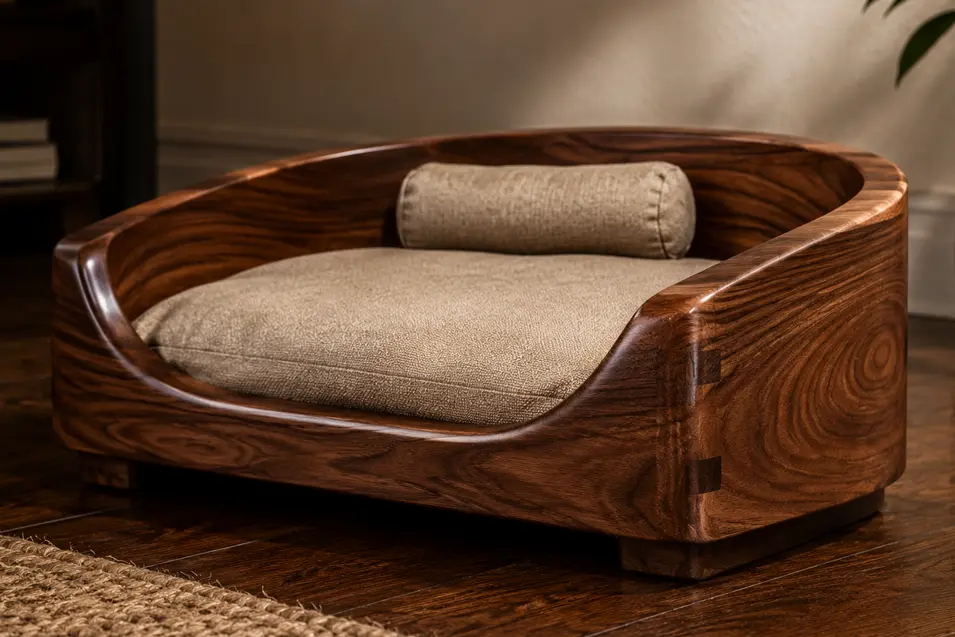
Look closely at a custom dog bed made from natural hardwood, and the beauty often lies in the grain. The lines, knots, tone variations, and texture give each piece individuality. No two boards are exactly alike, which means no two handmade pieces are ever truly identical.
This is where pet furniture begins to feel like art.
A maker chooses the wood carefully. They consider the direction of the grain, the way light catches the surface, the joinery, the finish, and the proportions of the piece. A simple sleeping platform can become visually striking when crafted with the same attention given to fine furniture.
Walnut may feel rich and modern.
Oak may feel timeless and sturdy.
Maple may feel light and clean.
Reclaimed wood may bring warmth, age, and character.
The pet may care most about comfort, but the owner sees something more: craftsmanship.
Carving, Detail, and the Human Touch
Carved pet furniture has an entirely different kind of presence.
A hand-carved dog bed frame, a feeding station with sculpted details, or a cat perch shaped from natural wood carries visible evidence of the maker’s hand. These are not mass-produced pieces stamped out by a machine. They show patience, skill, and artistic intention.
Carving can be subtle or dramatic.
It may appear as decorative trim, curved legs, floral accents, paw-inspired motifs, or organic shapes that follow the natural form of the wood. In rustic and traditional homes, carved pet furniture can feel warm and heirloom-like. In modern spaces, more restrained carving can add texture and depth without feeling ornate.
That human touch is part of what makes handcrafted pieces special. They feel personal.
Cat Furniture as Architecture
Few categories show the artistic potential of pet furniture better than cat furniture.
Cats naturally seek height, movement, observation points, and cozy hiding places. Designers have responded with cat trees, climbing walls, shelves, bridges, tunnels, and sculptural towers that can transform an ordinary room.
A well-designed cat structure is not simply a scratching post.
It can be a piece of interior architecture.
Floating shelves become pathways.
Wall-mounted boxes become lookout points.
Curved wooden forms become climbing sculptures.
Integrated platforms allow cats to move through a room vertically rather than only across the floor.
When executed well, cat furniture can be beautiful even when no cat is using it.
Custom Dog Beds as Statement Pieces
Dog beds are often treated as accessories, but custom designs can become true statement pieces.
A handcrafted bed may feature:
- Solid wood framing
- Built-in storage
- Upholstered cushions
- Carved panels
- Mid-century modern legs
- Farmhouse-style finishes
- Personalized nameplates
- Matching side tables
- Integrated lighting or shelving
In luxury interiors, a dog bed can be designed to match the furniture already in the room. In farmhouse homes, it may use distressed wood and linen fabric. In contemporary spaces, it may feature clean lines, low profiles, and neutral upholstery.
The goal is not to disguise the pet’s presence.
It is to honor it beautifully.
Built-In Pet Furniture
Some of the most elegant pet furniture is built directly into the home.
Designers are increasingly incorporating pet spaces into cabinetry, mudrooms, kitchens, laundry rooms, and living areas.
Examples include:
- Built-in dog beds beneath staircases
- Feeding stations hidden inside kitchen islands
- Cat tunnels integrated into shelving
- Window seats designed for pets and people
- Custom crate cabinetry
- Mudroom benches with pet sleeping areas
- Litter box enclosures disguised as furniture
These features blur the line between architecture and pet care. They show that a home can be designed around the needs of both people and animals without sacrificing beauty.
Function Still Comes First
For pet furniture to succeed as art, it must still work for the animal.
A beautiful dog bed that is uncomfortable is not successful design.
A sculptural cat tree that a cat refuses to climb is only sculpture.
The best pieces balance form and function.
They consider:
- Comfort
- Safety
- Durability
- Cleanability
- Size
- Accessibility
- Animal behavior
- Placement within the home
Good design respects the pet as much as the room.
This is especially important for senior pets, large dogs, nervous cats, or animals with mobility challenges. Beauty matters, but comfort and usability matter more.
Materials That Elevate the Design
The materials chosen for pet furniture can completely change its character.
Natural wood creates warmth and craftsmanship.
Bouclé, linen, leather, or performance fabric can make cushions feel sophisticated.
Metal frames introduce a modern or industrial quality.
Rattan and cane add texture and lightness.
Stone or ceramic bowls elevate feeding areas.
Wool felt brings softness and acoustic comfort to cat pods and beds.
When these materials are thoughtfully combined, pet furniture begins to feel intentional rather than improvised.
Why Custom Pieces Feel Different
Mass-produced pet furniture can be useful, affordable, and practical. But custom pieces carry a different emotional weight.
They are made for a specific animal.
A specific home.
A specific space.
A custom bed may be sized for a Great Dane who loves to stretch out. A cat tower may be designed for a feline who prefers high perches near windows. A feeding station may be built to match existing cabinetry.
This personalization turns pet furniture into a reflection of the relationship between owner and animal.
It says: this pet belongs here.
Pet Furniture and Interior Design
Modern homeowners are becoming less willing to compromise their interiors for pet products that feel visually disconnected from the rest of the home.
That shift has created demand for pet furniture that aligns with design styles such as:
- Modern
- Farmhouse
- Scandinavian
- Rustic
- Traditional
- Coastal
- Industrial
- Luxury contemporary
A carved wooden dog bed may suit a traditional home.
A minimalist cat shelf may suit a Scandinavian apartment.
A leather and walnut pet bed may suit a modern living room.
A reclaimed wood feeding station may suit a farmhouse kitchen.
Pet furniture becomes successful when it feels like part of the design plan rather than an afterthought.
The Emotional Value of Handmade Pieces
There is something deeply meaningful about an object made with care for an animal we love.
Handcrafted pet furniture often becomes part of daily rituals.
A dog curls up in the same custom bed every evening.
A cat watches the world from a handmade perch.
A senior pet rests comfortably in a bed designed specifically for their needs.
Over time, these objects gather memories.
They are not disposable accessories. They become part of the home.
That emotional connection is one of the reasons handcrafted pet furniture can feel like art. It is beautiful, but it is also lived with.
When Everyday Objects Become Art
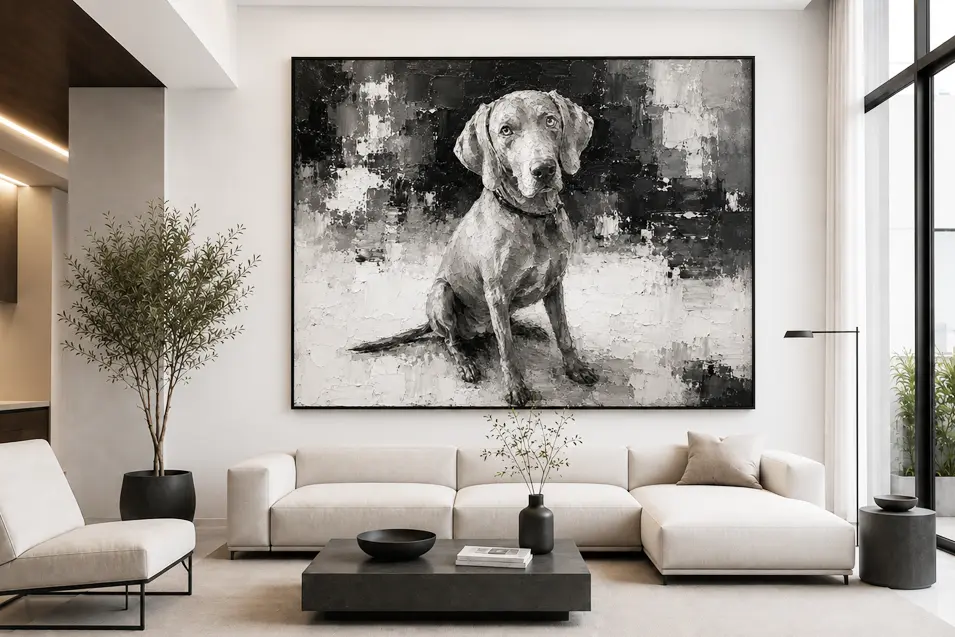
Art does not always hang on a wall.
Sometimes it is carved into wood.
Sometimes it is shaped into a resting place.
Sometimes it is built into the corner of a room where a dog sleeps peacefully every afternoon.
Pet furniture becomes art when it combines beauty, function, craftsmanship, and meaning.
It proves that practical objects do not have to be plain.
It shows that animal comfort and interior design can support one another.
And it reminds us that the things we create for our pets can be as thoughtful and beautiful as the things we create for ourselves.
Final Thoughts
When pet furniture is designed with care, it becomes more than a bed, a perch, a crate, or a feeding station.
It becomes a celebration of craftsmanship.
A reflection of the home.
A tribute to the animal who uses it.
From the grain of a hand-selected piece of wood to the curve of a carved detail, these objects can carry the same beauty and intention found in fine furniture and sculpture.
For pet lovers, that is what makes them special.
They are not simply pieces made for animals.
They are pieces made because animals matter.
And when design, comfort, and artistry come together, pet furniture becomes something truly worth admiring.