For decades, residential architecture focused almost exclusively on the needs of human occupants. Floor plans were designed around family activities, furniture placement, entertaining, and aesthetics. Pets, while often beloved members of the household, were typically accommodated as an afterthought.
That approach is beginning to change.
As pets increasingly become central members of modern families, architects and designers are reimagining homes through a new lens—one that considers the comfort, safety, enrichment, and well-being of animals alongside human needs. The result is a growing trend toward pet-centered architecture, where design decisions intentionally support the lifestyles of both people and their companion animals.
From custom climbing structures for cats to dedicated dog wash stations and integrated feeding areas, today’s architects are proving that a home can be beautiful, functional, and enriching for every member of the family—whether they walk on two legs or four.
The Rise of Pet-Centric Design
The shift toward pet-focused architecture reflects broader cultural changes in how people view their animals.
Pets are no longer seen simply as household companions. For many families, they are deeply valued members of the household whose comfort and happiness influence everyday decisions. This evolving relationship has increased demand for homes that better accommodate pets’ physical and emotional needs.
Architects are responding by incorporating pet-friendly features directly into floor plans rather than adding them after construction is complete.
The result is a more seamless integration of animal care and home design.
Designing for Natural Behaviors
One of the most important principles in pet-centered architecture is recognizing and supporting natural animal behaviors.
Dogs thrive when they have opportunities for exploration, exercise, and interaction. Cats often seek elevated vantage points, climbing opportunities, and quiet retreats. Birds, rabbits, and other companion animals also have specific environmental needs that contribute to their well-being.
Architects increasingly design spaces that encourage these natural instincts.
Examples include:
- Elevated cat walkways and shelves
- Window perches with outdoor views
- Indoor climbing walls for cats
- Hidden resting spaces
- Secure outdoor play areas
- Dog-friendly courtyards
- Integrated enrichment zones
By designing around these behaviors, homes become more stimulating and comfortable environments for pets.
Built-In Pet Amenities
Modern pet-friendly homes often feature amenities that were once considered luxuries.
Dedicated dog wash stations have become particularly popular. Located in mudrooms, laundry rooms, or garages, these built-in bathing areas make grooming easier while preventing muddy paws from tracking dirt through the house.
Other common features include:
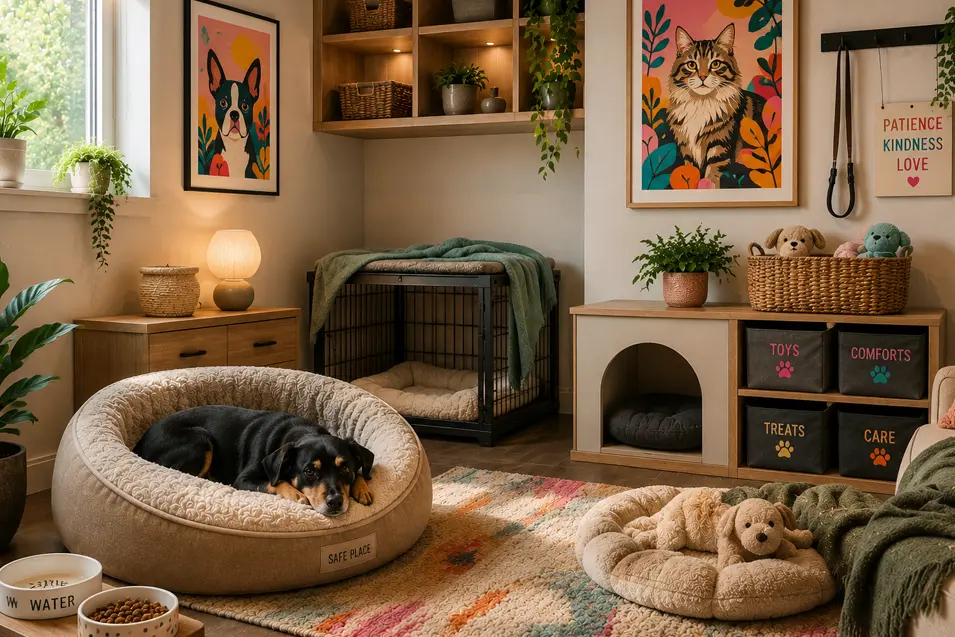
- Custom feeding stations
- Built-in food storage
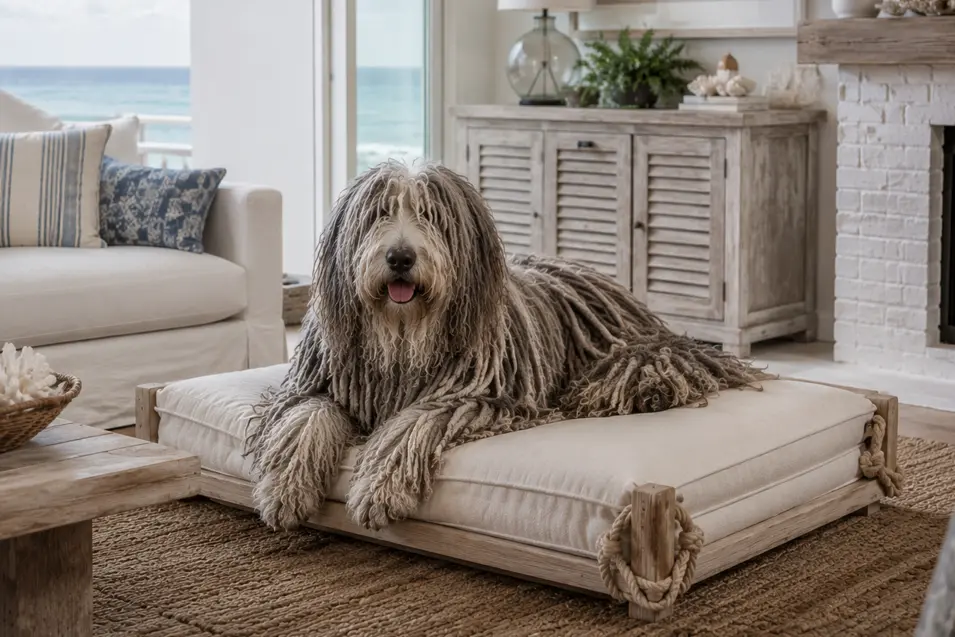
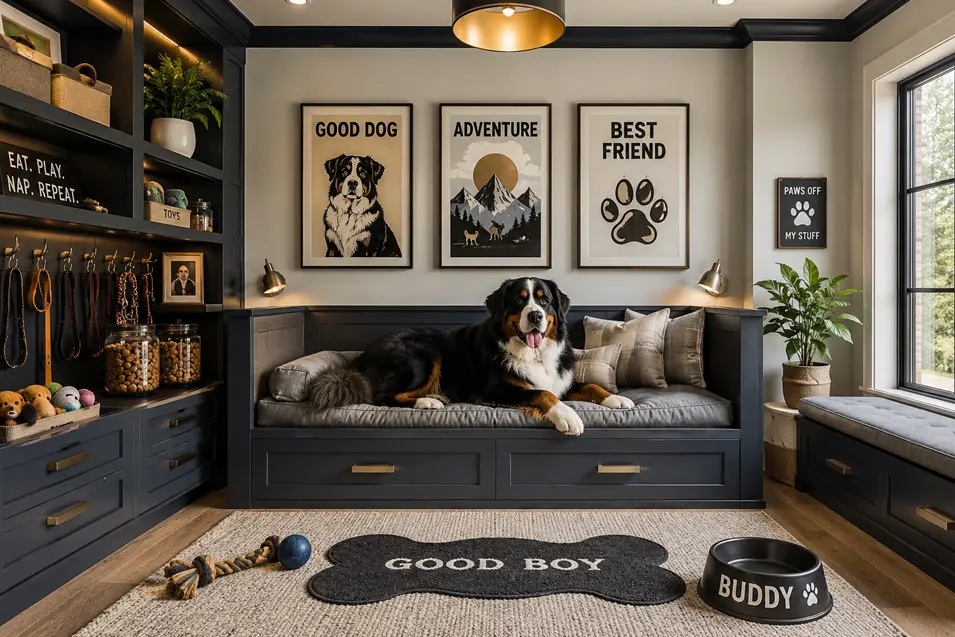
- Integrated pet beds
- Hidden litter box enclosures
- Indoor pet gates
- Dedicated pet rooms
- Toy and accessory storage
These additions improve organization while making pet care more convenient for homeowners.
Cat-Friendly Architecture
Cats have inspired some of the most creative examples of animal-centered design.
Because cats naturally seek height and observation points, architects often incorporate vertical elements into the home’s structure. Floating shelves, elevated pathways, and integrated climbing systems allow cats to move throughout the home from an entirely different perspective.
Some homes feature elaborate feline networks that connect rooms through elevated tunnels, bridges, and perches. Others include custom-built cat lounges positioned near windows to provide sunlight and outdoor views.
These features not only enrich a cat’s environment but also reduce boredom and encourage physical activity.
Outdoor Spaces Designed for Pets
Pet-focused architecture extends beyond the home’s interior.
Outdoor areas are increasingly being designed with animal safety and enrichment in mind. Secure fencing, designated exercise zones, shaded resting areas, and pet-friendly landscaping create outdoor environments that are both attractive and functional.
Some homeowners incorporate agility equipment, dog runs, or sensory gardens filled with pet-safe plants. Others create enclosed “catios” that allow cats to safely experience fresh air and natural surroundings.
Thoughtful outdoor design can significantly improve a pet’s quality of life while enhancing the overall usability of the property.
Safety as a Design Priority
When architects design homes for pets, safety becomes a central consideration.
Materials, layouts, and finishes are often selected with durability and animal welfare in mind. Non-slip flooring helps prevent injuries, especially for older pets. Durable surfaces resist scratches and wear, while non-toxic materials reduce potential health risks.
Architects may also eliminate hazardous design elements such as exposed wires, unsafe railings, or narrow spaces where pets could become trapped.
The goal is to create an environment that feels secure and comfortable without sacrificing aesthetics.
Enhancing Human-Pet Interaction
One of the most interesting aspects of pet-centered architecture is its emphasis on strengthening the bond between pets and their owners.
Open floor plans often allow pets to remain connected to family activities throughout the day. Window seating areas can accommodate both people and pets. Shared outdoor spaces encourage interaction and exercise.
Rather than separating animals from daily life, many architects now seek ways to integrate pets more fully into the home’s social environment.
This approach reflects a growing understanding that companionship and connection contribute significantly to both human and animal well-being.
Balancing Design and Function
A common misconception is that pet-friendly homes must sacrifice style.
In reality, many architects are demonstrating that pet-focused design can be elegant, contemporary, and visually sophisticated. Built-in pet features are often seamlessly integrated into cabinetry, millwork, and architectural details.
Hidden feeding stations, custom sleeping nooks, and integrated climbing structures can become attractive design features rather than visual distractions.
The best pet-centered homes strike a balance between functionality and aesthetics, ensuring that the needs of animals enhance rather than compromise the overall design.
The Future of Pet-Centered Homes
As demand for personalized living spaces continues to grow, pet-focused architecture is likely to become increasingly common.
Future homes may incorporate even more advanced features, including smart pet monitoring systems, climate-controlled pet areas, automated feeding stations, and customized enrichment environments designed around specific species and breeds.
Architects are beginning to recognize that truly successful homes should support the well-being of all occupants, including animals.
When pets are considered from the earliest stages of the design process, the result is often a more thoughtful, harmonious living environment. These homes demonstrate that good architecture is not just about creating beautiful spaces—it is about improving quality of life.
For families who view their pets as cherished companions, designing with animals in mind is not simply a luxury. It is a natural evolution in how we think about home, comfort, and the relationships that make our houses feel complete.