For generations, pets have held a special place in our homes and hearts. They are companions, protectors, comforters, and beloved family members. Yet the way we remember them has changed dramatically over time. Before photography became part of everyday life, memories of pets lived mostly in stories, sketches, keepsakes, and the quiet corners of the heart.
Today, photography allows us to preserve not only what our pets looked like, but who they were. A single image can capture a playful expression, a familiar sleeping position, or the soulful gaze that made a pet unforgettable. Through photography, our memories have become more vivid, personal, and lasting.
From Fading Memories to Lasting Images
Before photographs were widely available, pet owners relied on memory to preserve the details of a beloved animal’s life. They might remember the sound of paws on the floor, the way a dog tilted his head, or how a cat curled into a favorite chair. These memories were meaningful, but over time, small details could fade.
Photography changed that. It gave pet owners a way to hold onto specific moments with clarity. The shape of a face, the texture of fur, the sparkle in the eyes, and the personality behind an expression could all be preserved in a way memory alone could not.
A photograph becomes an anchor. It brings back not just the image of a pet, but the feelings connected to that moment.
Capturing Personality, Not Just Appearance
Early pet photographs were often formal and posed, much like family portraits. Over time, as cameras became more accessible and photography styles evolved, pet images became more natural, candid, and expressive.
Modern pet photography focuses less on perfect poses and more on personality. A dog leaping through the yard, a kitten batting at a toy, or an older pet resting peacefully in a patch of sunlight can reveal far more than a traditional portrait ever could.
These images help us remember pets as living, feeling companions. They remind us of their habits, moods, quirks, and the everyday moments that made them part of the family.
Pets as True Family Members
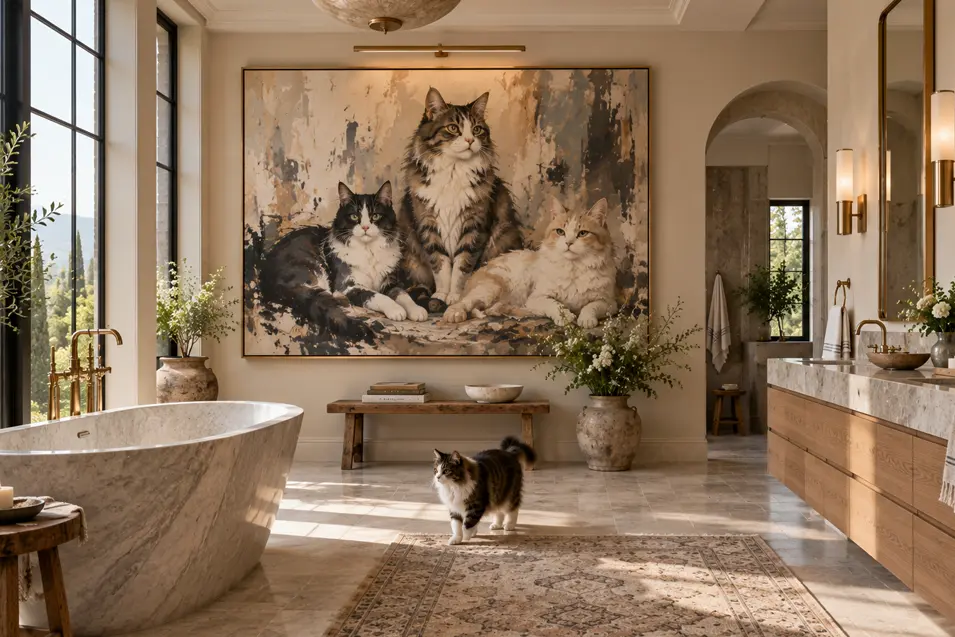
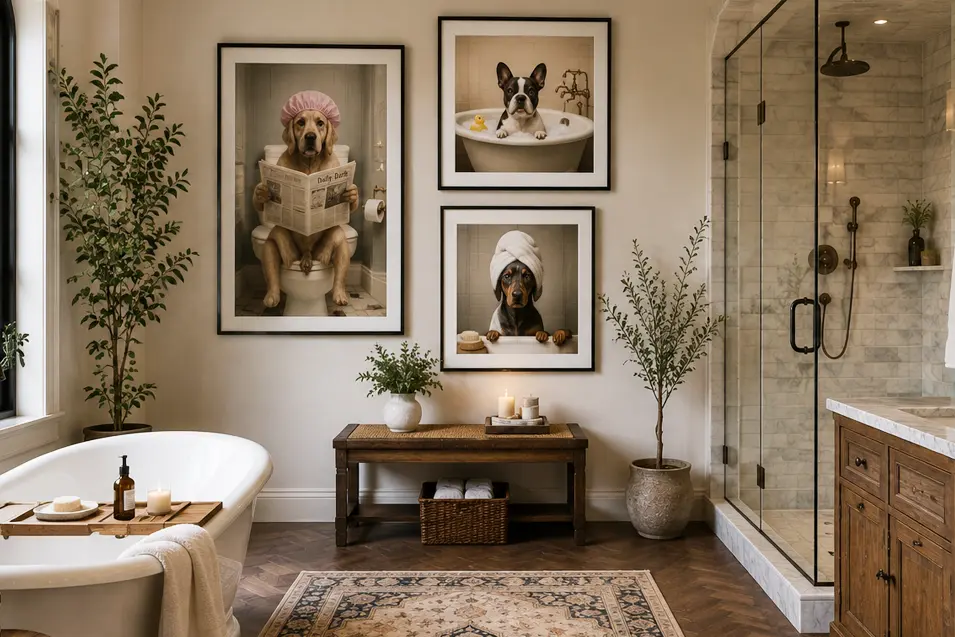
Photography has also helped reflect a larger cultural shift: pets are increasingly seen as members of the family. Today, it is common for pets to appear in holiday cards, family portraits, engagement shoots, maternity sessions, and home décor.
This inclusion matters. When pets are photographed alongside their people, it acknowledges the importance of the bond they share. These images become part of a family’s visual history, sitting beside wedding photos, baby pictures, and milestone portraits.
For many people, a home would not feel fully represented without images of the animals who helped make it feel alive.
Remembering the Everyday Moments
Some of the most meaningful pet photographs are not grand or carefully staged. They are the everyday images: a dog asleep by the door, a cat watching birds through a window, a muddy paw print after a walk, or a pet waiting patiently at the foot of the bed.
Photography has taught us that ordinary moments are worth preserving. These quiet scenes often become the most treasured because they reflect daily companionship.
When a pet is gone, it is often these small details that people miss most. Photographs help keep them close.
Comfort After Loss
One of the most powerful ways photography has changed pet remembrance is in how it supports grief. Losing a pet can be deeply painful, and photographs often become treasured sources of comfort.
“Long after the leash is put away, photographs continue telling the story.”
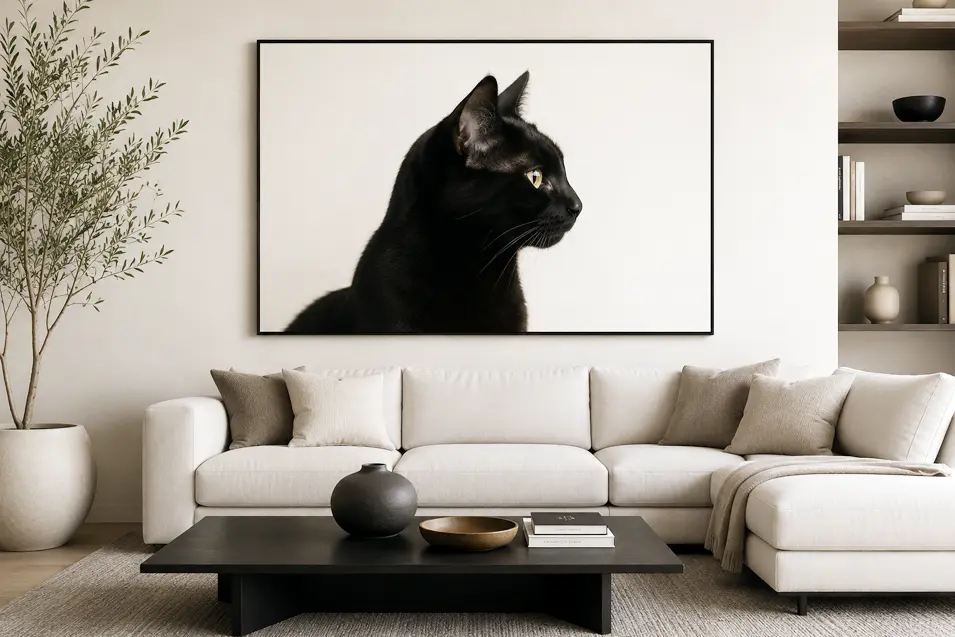
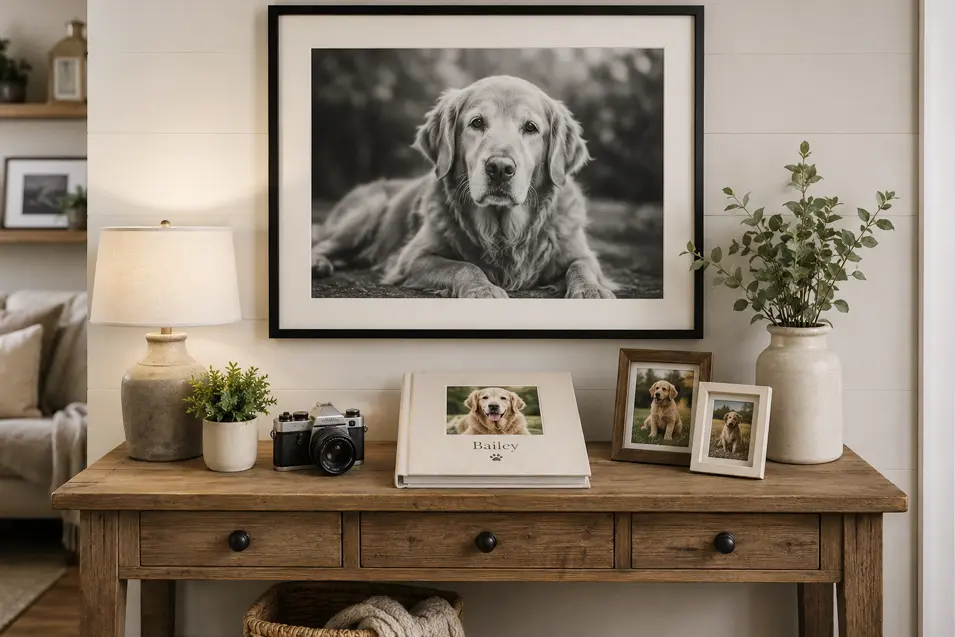
A portrait can help preserve the presence of a beloved animal in the home. It can provide a way to remember happy times, honor a pet’s life, and keep their memory visible.
Many pet owners choose memorial portraits, photo albums, framed prints, or custom artwork as lasting tributes. These keepsakes offer more than decoration; they create a space for remembrance, gratitude, and healing.
The Rise of Professional Pet Photography
As pets have become more central to family life, professional pet photography has grown in popularity. Skilled photographers understand how to work with animals patiently and creatively, capturing expressions and moments that feel authentic.
Professional portraits often provide a level of artistry and emotional depth that casual snapshots may not achieve. Lighting, composition, timing, and setting all work together to create images that feel timeless.
These portraits are not simply pictures of pets. They are visual love letters to the animals who share our lives.
Digital Memories and Daily Connection
The digital age has made pet photography more immediate than ever. Smartphones allow owners to capture countless moments throughout a pet’s life. Social media gives people a way to share those moments with friends, family, and communities of fellow animal lovers.
While digital images are easy to take and share, they also remind us of the importance of preserving the best ones intentionally. Printing favorite photographs, creating albums, and displaying portraits at home can turn fleeting digital files into lasting memories.
A photo stored on a phone may be easy to forget. A framed image on the wall becomes part of everyday life.
A More Meaningful Way to Remember
Photography has changed the way we remember our pets by giving shape, color, and emotion to our memories. It allows us to revisit moments we might otherwise lose and to celebrate the personalities that made our pets unique.
More than anything, pet photography reminds us that love leaves a visible trace. Every portrait, snapshot, and candid image becomes part of the story we shared with an animal who mattered.
Our pets may only be with us for a chapter of our lives, but through photography, their presence can remain with us forever.