Many families love the idea of having an aquarium but worry about the time commitment involved. Between work schedules, school activities, sports practices, errands, and household responsibilities, finding time for another demanding hobby can feel impossible.
The good news is that not every aquarium requires hours of maintenance each week.
Modern equipment, thoughtful planning, and the right fish choices can create aquariums that are both beautiful and manageable. In fact, many successful family aquariums require only a modest amount of routine care while still providing all the enjoyment, relaxation, and educational value that make fishkeeping so rewarding.
The key is choosing a setup that matches your family’s lifestyle rather than creating an aquarium that becomes another source of stress.
What Makes an Aquarium Low Maintenance?
A low-maintenance aquarium is not a maintenance-free aquarium.
Every fish tank requires:
- Feeding
- Water changes
- Equipment checks
- Basic cleaning
However, some setups are significantly easier to manage than others.
Low-maintenance aquariums are designed to:
- Minimize workload
- Reduce complications
- Promote stability
- Simplify routine care
The goal is creating an aquarium that remains enjoyable without demanding excessive time or attention.
Why Simplicity Matters
Many beginners make the mistake of creating overly complicated aquariums.
They may purchase:
- Delicate fish
- Advanced equipment
- Specialized lighting
- Complex water chemistry systems
While these setups can be rewarding, they often require more maintenance and experience.
For busy families, simplicity is usually the better approach.
Simple aquariums tend to be:
- More stable
- Easier to manage
- Less expensive
- More forgiving
Choose the Right Aquarium Size
One of the biggest misconceptions in fishkeeping is that smaller aquariums are always easier.
In reality, very small aquariums often require more attention because water conditions can change rapidly.
A moderate-sized aquarium often provides the best balance.
Many families find success with tanks between:
- 20 gallons
- 29 gallons
- 40 gallons
- 55 gallons
These sizes offer:
- Greater water stability
- More fish options
- Easier maintenance routines
without becoming overwhelming.
Freshwater Is Usually the Simplest Choice
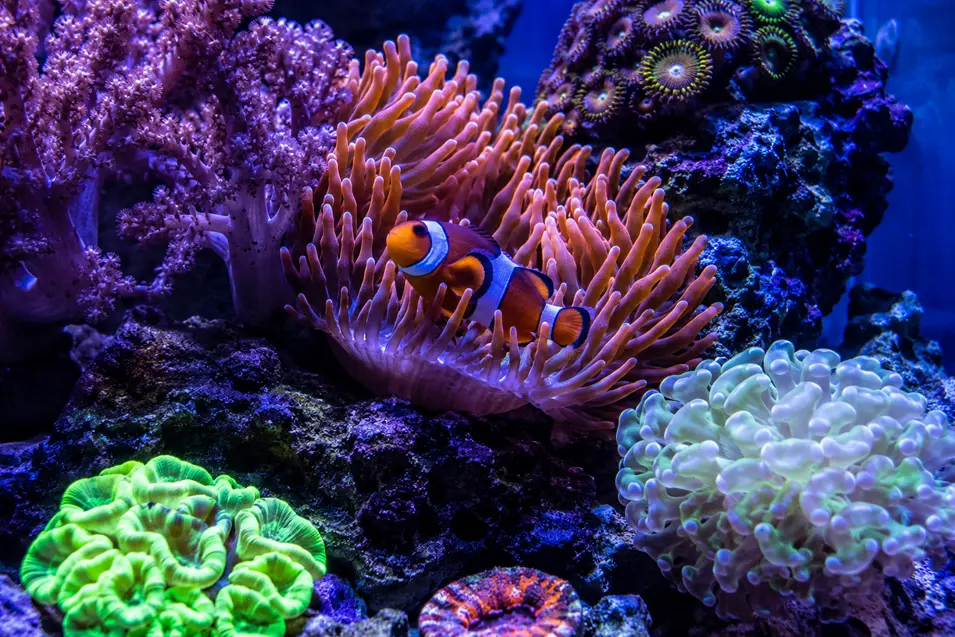
While saltwater aquariums can be stunning, they generally require more equipment and maintenance.
For families seeking simplicity, freshwater aquariums are usually the best option.
Benefits include:
- Lower costs
- Easier water changes
- Simpler equipment
- Hardy fish options
- Greater beginner friendliness
Freshwater systems often deliver the greatest enjoyment-to-effort ratio.
Select Hardy Fish Species
Fish selection plays a major role in long-term maintenance requirements.
Hardy fish are typically:
- More adaptable
- Less sensitive to minor changes
- Easier to care for
Popular family-friendly choices include:
- Platies
- Mollies
- Zebra danios
- Corydoras catfish
- Harlequin rasboras
- White cloud mountain minnows
These fish generally tolerate a range of conditions and are well-suited to beginner aquariums.
Avoid Overstocking
One of the easiest ways to create maintenance problems is adding too many fish.
Overstocked aquariums often experience:
- Poor water quality
- Increased algae
- Higher maintenance demands
- Greater stress on fish
Keeping fish populations reasonable helps maintain stability and reduces workload.
In many cases, less is more.
Use Quality Filtration
A reliable filter is one of the most important investments in a low-maintenance aquarium.
The filter helps:
- Remove debris
- Support beneficial bacteria
- Improve water quality
- Reduce maintenance demands
Choose a filter appropriately sized for the aquarium and follow recommended maintenance schedules.
Quality filtration often pays for itself through improved stability and easier care.
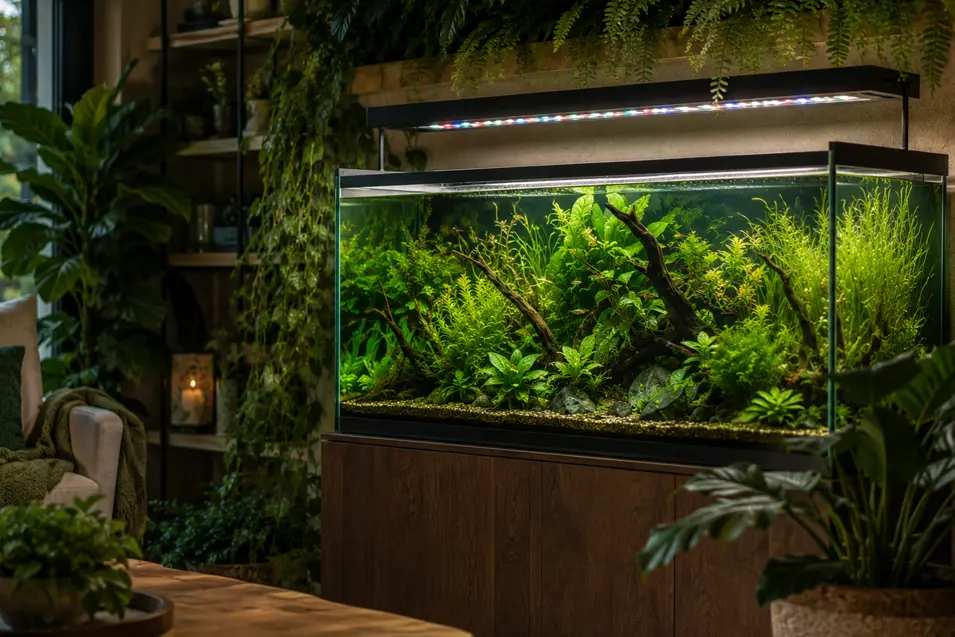
Consider Live Plants
Many beginners assume live plants make aquariums more difficult.
In reality, certain plants can actually simplify maintenance.
Benefits include:
- Nutrient absorption
- Improved water quality
- Natural appearance
- Additional fish habitat
Easy plant species include:
- Anubias
- Java fern
- Amazon sword
- Java moss
- Cryptocoryne species
These plants require minimal care while helping create healthier aquariums.
Keep Decorations Simple
Complex decorations may look appealing, but they can complicate cleaning.
Simple layouts often provide:
- Easier maintenance
- Better water flow
- Improved fish visibility
A few carefully chosen decorations often work better than overcrowded designs.
The aquarium remains attractive while requiring less effort to maintain.
Use Timers for Lighting
One common family challenge is remembering to turn aquarium lights on and off.
Automatic timers solve this problem.
Benefits include:
- Consistent lighting schedules
- Reduced algae risks
- Less daily involvement
Modern timers are inexpensive and can significantly simplify aquarium management.
Create a Simple Maintenance Routine
The most successful family aquariums rely on consistency rather than complexity.
A basic routine may include:
Daily
- Feed fish
- Quick visual inspection
Weekly
- Partial water change
- Clean glass if needed
Monthly
- Filter inspection
- Equipment checks
This approach keeps maintenance manageable while preventing larger problems from developing.
Involve the Whole Family
Aquariums can become easier to maintain when responsibilities are shared.
Children can often help with:
- Feeding
- Observing fish health
- Recording maintenance tasks
Parents typically handle:
- Water changes
- Equipment maintenance
- Testing when needed
Shared involvement helps distribute responsibilities while creating learning opportunities.
Avoid High-Maintenance Species
Some fish and aquatic animals require specialized care.
Busy families may wish to avoid species that demand:
- Specialized diets
- Precise water chemistry
- Frequent monitoring
- Large aquariums
Research before purchasing helps ensure compatibility with your lifestyle.
Automation Can Help
Modern aquarium technology offers several convenience features.
Examples include:
- Automatic feeders
- Programmable lighting
- Smart monitoring systems
While not essential, these tools can make aquarium ownership more manageable during vacations, busy work periods, and family travel.
Planning for Vacations
One concern many families have is what happens when they’re away.
Low-maintenance aquariums often handle short absences well when:
- Equipment is functioning properly
- Fish are healthy
- Feeding plans are arranged
Automatic feeders and trusted pet sitters can provide additional peace of mind.
The Educational Value of Family Aquariums
Low-maintenance does not mean low-value.
Even simple aquariums offer opportunities to teach children about:
- Responsibility
- Animal care
- Biology
- Ecosystems
- Observation skills
These benefits often make aquariums one of the most rewarding family-friendly pets available.
Long-Term Enjoyment
Many families discover that once an aquarium becomes established, maintenance takes far less time than expected.
The key is resisting the urge to overcomplicate the setup.
Stable, well-planned aquariums often become self-sustaining ecosystems that require only modest attention.
This allows families to spend more time enjoying the aquarium and less time worrying about it.
Conclusion
A beautiful aquarium doesn’t have to consume hours of your week. With thoughtful planning, appropriate fish selection, reliable equipment, and a focus on simplicity, busy families can enjoy all the benefits of fishkeeping without overwhelming maintenance demands.
Freshwater aquariums, hardy fish species, moderate tank sizes, and consistent routines often provide the ideal balance between beauty and practicality. By creating a setup that fits naturally into your family’s lifestyle, an aquarium can become a source of relaxation, education, and enjoyment for years to come.
The best family aquarium is not necessarily the most complex—it is the one that remains healthy, enjoyable, and manageable over the long term.
Frequently Asked Questions
What is the easiest aquarium for a busy family?
A freshwater aquarium between 20 and 55 gallons with hardy community fish is often one of the easiest setups to maintain.
Are small aquariums easier to care for?
Not always. Very small aquariums can be less stable and may require more frequent monitoring.
What fish are best for low-maintenance aquariums?
Platies, mollies, zebra danios, corydoras catfish, and harlequin rasboras are often considered hardy and beginner-friendly.
Do live plants make aquariums harder to maintain?
Some easy-care plants can actually improve water quality and help reduce maintenance requirements.
How much time does a low-maintenance aquarium require?
Most established low-maintenance aquariums require only a few minutes per day and a modest amount of weekly maintenance.
Related Reading
- Nano Aquariums vs. Large Aquariums: Choosing the Right Size
- Saltwater vs. Freshwater Aquariums: Which Is Right for Your Home?
- Pet-Friendly Aquarium Homes: Balancing Fish, Cats, Dogs, and Family Life
- Aquariums in Homes with Young Children
- Energy Costs of Owning an Aquarium: What to Expect
- Aquariums in the Home: Design, Placement, Planning, and Practical Living