
When people consider the costs of owning an aquarium, they often focus on the initial expenses. The aquarium itself, filtration system, stand, decorations, plants, and fish can represent a significant investment.
However, every aquarium also comes with ongoing operating costs.
One of the most commonly overlooked expenses is electricity.
Aquariums rely on equipment that often runs 24 hours a day, including filters, heaters, pumps, and lighting systems. While most aquariums are not particularly expensive to operate, energy costs can vary considerably depending on the size of the tank, the type of livestock being kept, and the equipment used.
Understanding where electricity is consumed can help homeowners budget realistically while identifying opportunities to improve efficiency and reduce costs.
Do Aquariums Use a Lot of Electricity?
The short answer is: it depends.
A small freshwater aquarium may use relatively little electricity, while a large reef aquarium with multiple pumps, advanced lighting, and temperature-control systems can consume significantly more power.
Several factors influence energy consumption:
- Aquarium size
- Water temperature requirements
- Lighting systems
- Filtration equipment
- Room temperature
- Type of livestock
- Additional accessories
For many hobbyists, aquarium energy costs are manageable and represent only a modest addition to monthly utility bills.
The Equipment That Uses Electricity
Not all aquarium equipment consumes the same amount of power.
Some devices run continuously, while others operate only part of the day.
Understanding the biggest energy users can help aquarium owners estimate costs more accurately.
Aquarium Heaters
For most tropical aquariums, heaters are the largest source of electricity consumption.
Fish from tropical regions typically require water temperatures between:
- 75°F and 82°F (24°C to 28°C)
The heater’s job is to maintain stable temperatures whenever the surrounding room is cooler than the aquarium.
How much electricity a heater uses depends on:
- Aquarium size
- Desired water temperature
- Room temperature
- Insulation
- Seasonal weather
A heater in a cool basement will generally work much harder than one in a climate-controlled living room.
Filters
Aquarium filters typically run 24 hours a day.
Fortunately, most modern filters are relatively energy efficient.
Common filter types include:
- Hang-on-back filters
- Canister filters
- Sponge filters
- Internal filters
Although filters operate continuously, their power consumption is often modest compared to heating systems.
Aquarium Lighting
Lighting requirements vary dramatically depending on the type of aquarium.
Basic Freshwater Aquariums
Fish-only freshwater tanks generally require moderate lighting.
Modern LED systems often provide excellent illumination while consuming relatively little power.
Planted Aquariums
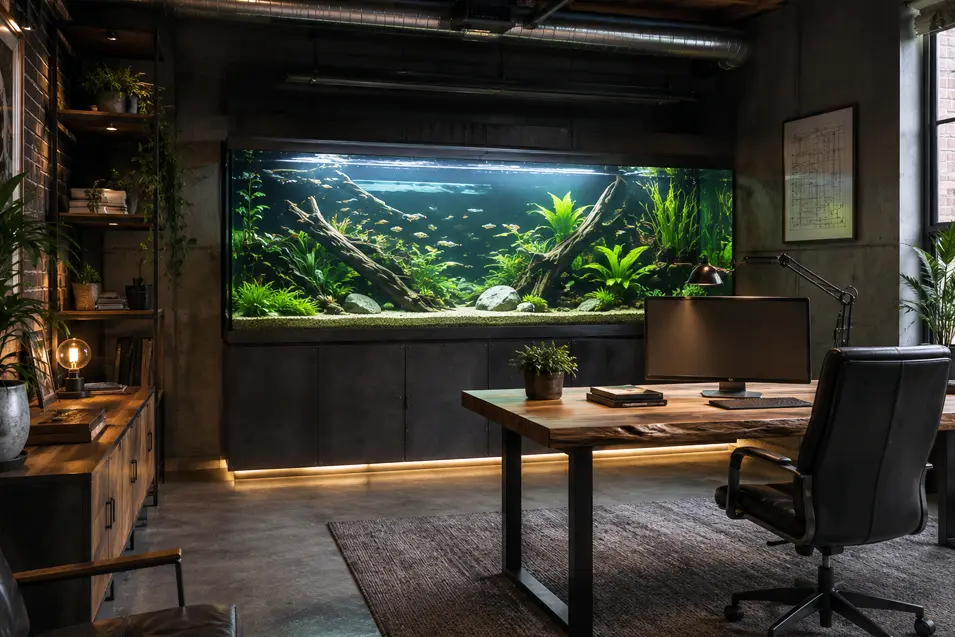
Heavily planted aquariums often require more powerful lighting systems designed to support plant growth.
These systems may operate:
- 6 to 10 hours daily
- Sometimes longer depending on setup goals
Reef Aquariums
Coral reef aquariums frequently use high-output lighting designed to support photosynthetic corals.
Lighting is often one of the largest ongoing energy expenses in marine systems.
Water Pumps and Circulation Equipment
Many aquariums rely on additional water movement equipment.
Examples include:
- Circulation pumps
- Powerheads
- Wave makers
- Return pumps
These devices often operate continuously and contribute to overall energy use.
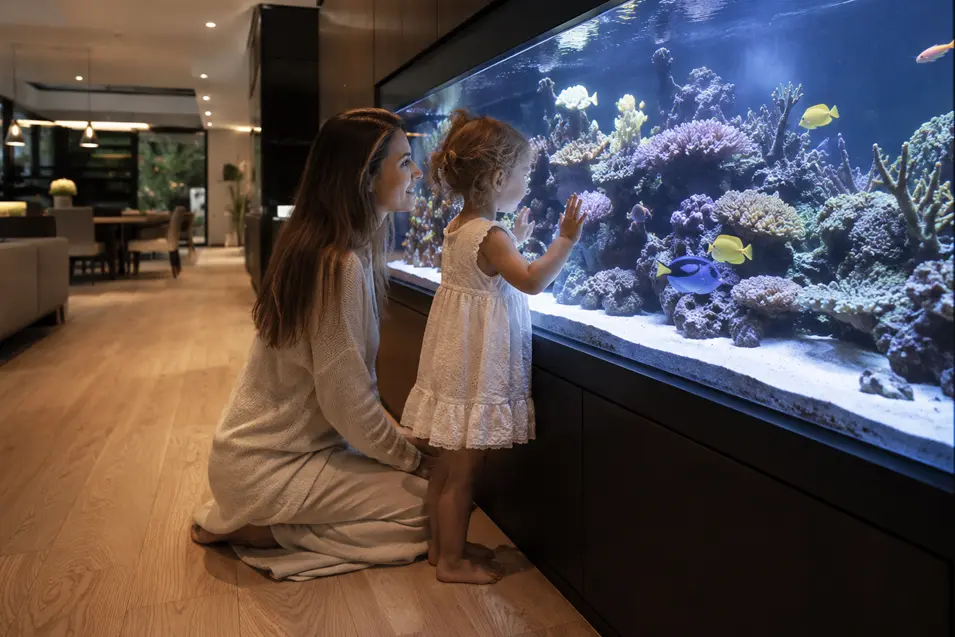
Marine aquariums typically require more water movement than freshwater systems, resulting in higher electricity consumption.
Air Pumps
Air pumps are relatively inexpensive to operate but may still contribute to overall energy costs.
They are commonly used for:
- Sponge filters
- Aeration
- Decorative bubble effects
Most air pumps consume only small amounts of electricity.
Additional Equipment
Some advanced aquariums include specialized equipment such as:
- Protein skimmers
- UV sterilizers
- Automatic feeders
- Aquarium controllers
- Cooling fans
- Chillers
These devices can increase energy consumption depending on their usage and operating schedules.
Freshwater vs. Saltwater Energy Costs
One of the biggest differences between aquarium types involves operating expenses.
Freshwater Aquariums
Freshwater systems generally require:
- Simpler equipment
- Less water movement
- Lower lighting demands
As a result, they often cost less to operate.
Saltwater Aquariums
Marine aquariums frequently include:
- Powerful lighting
- Protein skimmers
- Multiple pumps
- Advanced filtration
These systems typically consume more electricity than comparable freshwater aquariums.
How Aquarium Size Affects Energy Costs
Larger aquariums generally use more electricity, but not always in direct proportion to their size.
For example:
- Larger tanks may require larger heaters.
- Bigger filters often use more power.
- More water may require additional circulation.
However, larger water volumes can also be more thermally stable, which may reduce how frequently heating equipment cycles on and off.
The relationship between size and operating cost is not always straightforward.
Seasonal Energy Changes
Aquarium electricity usage often changes throughout the year.
Winter
In colder climates, heaters may run more frequently to maintain stable temperatures.
This often results in higher energy costs.
Summer
Warm temperatures may reduce heater use.
However, some aquariums require:
- Cooling fans
- Additional ventilation
- Chillers
These devices can increase electricity consumption during hot weather.
Typical Cost Expectations
Actual costs vary depending on:
- Electricity rates
- Aquarium size
- Equipment selection
- Local climate
For many freshwater hobbyists, aquarium electricity costs remain relatively modest.
Larger planted aquariums and reef systems may cost noticeably more to operate due to:
- Strong lighting
- Additional pumps
- Temperature management
The key takeaway is that operating costs are ongoing and should be considered alongside setup expenses.
How to Reduce Aquarium Energy Costs
Fortunately, there are many ways to improve efficiency without compromising fish health.
Use LED Lighting
Modern LED fixtures offer several advantages:
- Lower power consumption
- Reduced heat generation
- Long lifespans
- Excellent performance
Many hobbyists have significantly reduced operating costs by upgrading older lighting systems.
Maintain Stable Room Temperatures
The harder an aquarium heater works, the more electricity it consumes.
Maintaining a stable room temperature can reduce heating demands and improve efficiency.
Use Proper Aquarium Covers
Aquarium lids help reduce:
- Heat loss
- Evaporation
This allows heaters to work less frequently.
Choose Efficient Equipment
When replacing equipment, consider energy efficiency alongside performance.
Modern pumps and filters often provide excellent results while using less electricity than older models.
Avoid Oversized Equipment
Bigger is not always better.
Equipment should be sized appropriately for the aquarium rather than dramatically oversized.
This can help reduce unnecessary energy use.
Smart Home Monitoring
Many homeowners now use smart plugs and energy monitors to track electricity usage.
These tools can provide valuable insights into:
- Operating costs
- Equipment performance
- Potential efficiency improvements
Monitoring helps eliminate guesswork.
Energy Costs vs. Aquarium Value
While operating costs deserve consideration, they should also be viewed in context.
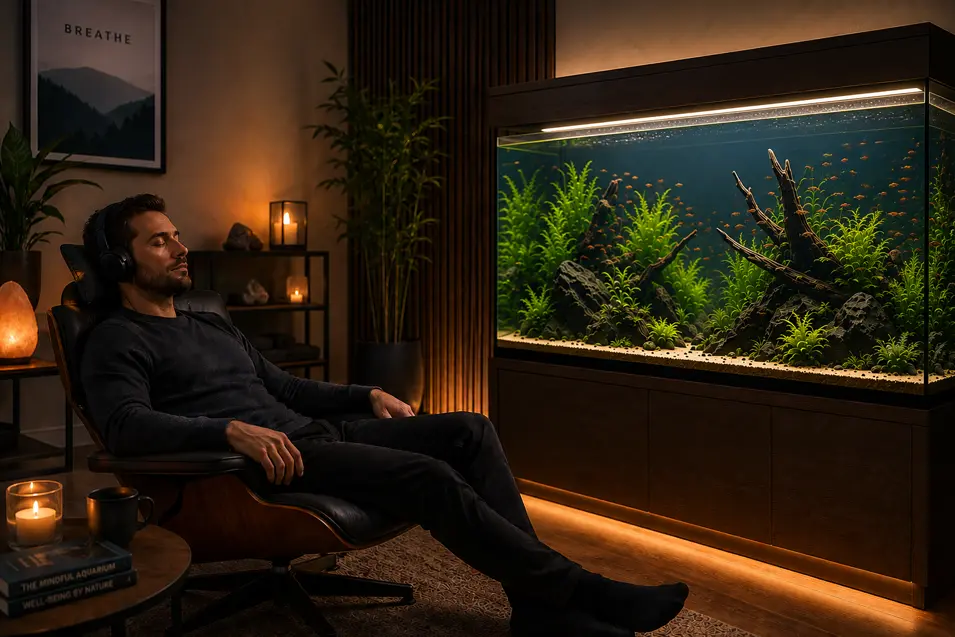
Many aquarium owners find that the enjoyment, relaxation, and beauty an aquarium provides easily justify the modest monthly energy expense.
Aquariums contribute:
- Visual interest
- Stress relief
- Family enjoyment
- Educational opportunities
- Connection with nature
For many people, these benefits far outweigh the cost of powering the equipment.
Planning Before You Buy
One of the best ways to manage energy costs is to consider them before purchasing an aquarium.
Ask yourself:
- What size aquarium fits my budget?
- Freshwater or saltwater?
- How important is energy efficiency?
- What equipment will I need long term?
Thoughtful planning helps prevent surprises and ensures the aquarium remains enjoyable for years to come.
Conclusion
Aquariums do require electricity, but the actual cost varies widely depending on the size of the tank, the equipment used, and the type of aquatic environment being maintained. Heaters, lighting, and pumps typically account for most energy consumption, while factors such as climate and room temperature can significantly influence operating expenses.
For many freshwater aquarium owners, monthly electricity costs remain relatively modest. Larger planted tanks and marine reef systems generally require more power but can still be managed efficiently with modern equipment and thoughtful planning.
By understanding where energy is used and making smart equipment choices, aquarium owners can enjoy the beauty and benefits of fishkeeping while keeping operating costs under control.
Frequently Asked Questions
Do aquariums use a lot of electricity?
Most aquariums use a moderate amount of electricity. Larger tanks and reef aquariums generally consume more power than smaller freshwater systems.
What aquarium equipment uses the most electricity?
In many setups, heaters are the largest energy consumers, followed by lighting and circulation equipment.
Are freshwater aquariums cheaper to run than saltwater aquariums?
Typically, yes. Freshwater aquariums usually require less equipment and lower lighting demands, resulting in lower operating costs.
Does LED lighting reduce aquarium electricity costs?
Yes. Modern LED fixtures are generally much more energy efficient than older lighting technologies while still providing excellent illumination.
Can I reduce my aquarium’s energy consumption?
Yes. Using efficient equipment, maintaining stable room temperatures, installing lids, and upgrading to LED lighting can all help reduce energy use.
Related Reading
- Aquarium Insurance and Home Protection: What Homeowners Should Know
- Aquarium Electrical Planning: Managing Cords, Heaters, Pumps, and Lighting Safely
- Aquarium Water Access: Planning for Filling, Water Changes, and Maintenance
- Low-Maintenance Aquarium Setups for Busy Families
- Saltwater vs. Freshwater Aquariums: Which Is Right for Your Home?
- Aquariums in the Home: Design, Placement, Planning, and Practical Living