For many aquarium owners, fish become much more than decorations in a tank. They are living companions that bring beauty, personality, and daily enjoyment into our lives. Whether it was a colorful betta, a friendly goldfish, a prized angelfish, or a fish that had been part of the family for years, losing a beloved aquatic pet can leave a surprising emotional impact.
While fish may not interact with us in the same way as dogs or cats, the bonds we form with them are often meaningful. We feed them, care for them, observe their unique behaviors, and celebrate their growth and health. Over time, they become familiar and comforting parts of our daily routines.
When a fish dies, many people find comfort in creating a meaningful way to remember the role that pet played in their lives. Memorials and remembrance activities can help transform grief into appreciation while preserving the memories that made the fish special.
Why It Matters to Remember a Pet Fish
Some people dismiss fish as “just fish.”
Aquarium owners know better.
Every fish has its own:
- Appearance
- Behavior
- Habits
- Role within the aquarium
Some become favorites because of their personality.
Others represent years of care and dedication.
Taking time to honor a fish acknowledges that the relationship mattered.
Remembering a beloved pet is not about dwelling on loss—it’s about celebrating the life that was shared.
There Is No Right or Wrong Way to Remember
Grief is personal.
Some aquarium owners prefer simple acknowledgments.
Others find comfort in creating more elaborate memorials.
The best remembrance is the one that feels meaningful to you or your family.
Whether the fish lived for a few months or many years, the memories deserve respect.
Create a Photo Collection
One of the simplest ways to remember a beloved fish is through photographs.
Many aquarium owners accumulate dozens—or even hundreds—of photos without realizing it.
Consider creating:
- A digital album
- A printed photo book
- A framed photograph
- A scrapbook page
Photographs capture both the fish and the aquarium environment that formed part of its life.
These images often become treasured reminders long after the aquarium has changed.
Keep a Fishkeeping Journal
Some hobbyists enjoy documenting their aquarium experiences.
If you maintain an aquarium journal, consider including:
- The fish’s name
- Species information
- Arrival date
- Interesting behaviors
- Memorable moments
- Photographs
Even a short written entry can preserve details that might otherwise fade over time.
Create Artwork
Art can be a powerful way to celebrate a beloved pet.
Options include:
- Drawings
- Paintings
- Digital illustrations
- Family art projects
- Personalized prints
Children, in particular, often find comfort in expressing memories through creative activities.
The finished piece becomes both a tribute and a keepsake.
Plant Something in Their Memory
Many people appreciate living memorials.
Consider planting:
- A flower
- A shrub
- A tree
- A container garden
A growing plant can serve as a reminder of the joy the fish brought into your life.
For aquarium enthusiasts, aquatic-themed gardens or water features may feel especially meaningful.
Create a Memory Box
A memory box provides a simple way to collect reminders of a beloved fish.
Items might include:
- Photographs
- Drawings
- Journal entries
- Aquarium notes
- Memorial cards
The box becomes a place where memories can be preserved and revisited whenever desired.
Share Stories and Favorite Memories
Sometimes the most meaningful memorial is simply talking about the fish.
Family members may enjoy sharing:
- Funny stories
- Unique behaviors
- Favorite photographs
- Memorable aquarium moments
These conversations often shift the focus from sadness to appreciation.
Remembering positive experiences helps celebrate the life that was lived.
Create a Small Aquarium Memorial
Some aquarium owners choose to create a subtle memorial near their aquarium.
Examples include:
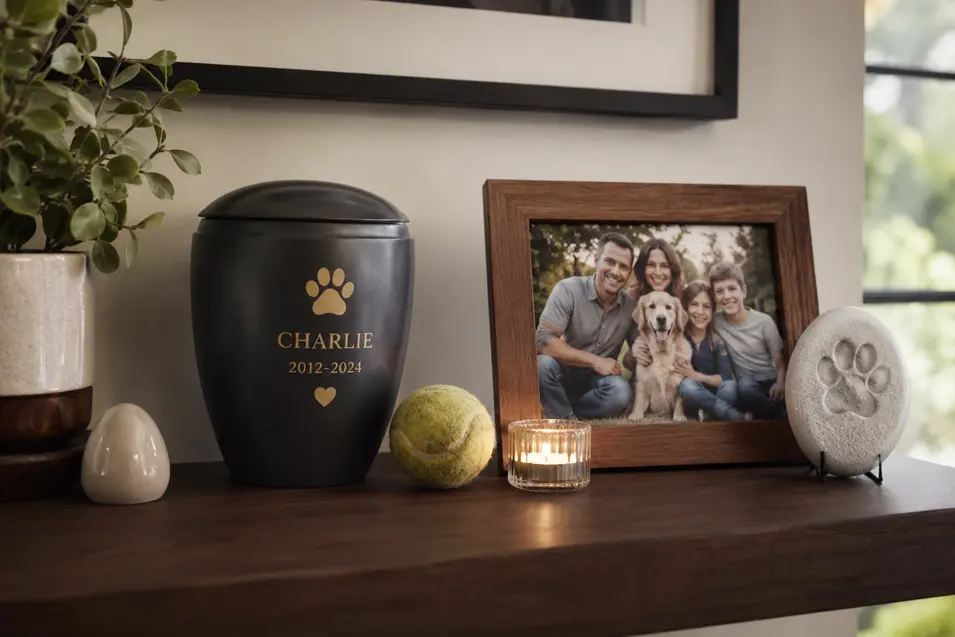
- A framed photograph
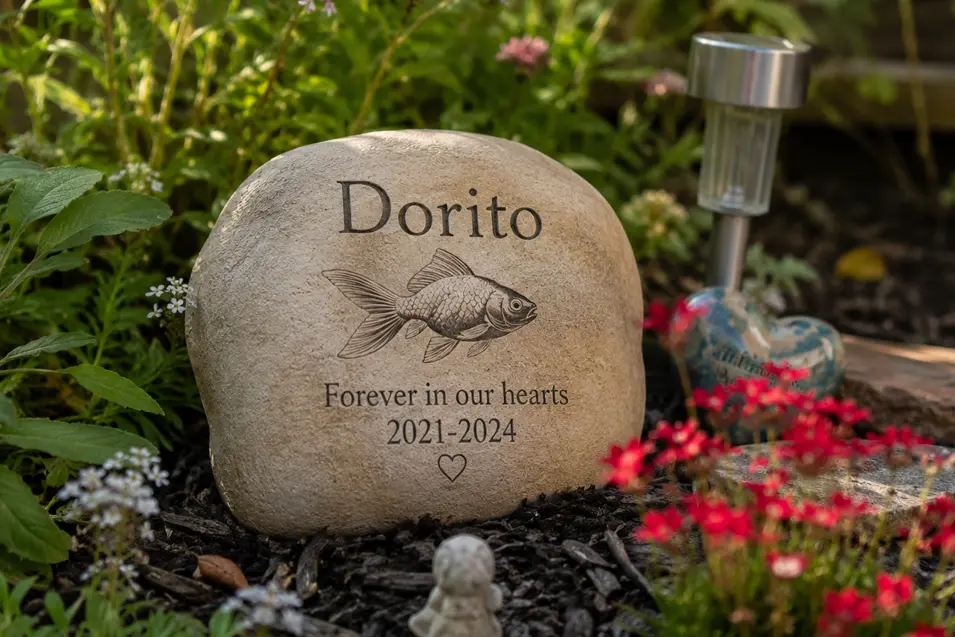
- A small decorative stone
- A commemorative plaque
- A favorite picture
The goal is not to create a shrine but rather a simple acknowledgment of the fish’s place in the aquarium’s history.
Name a New Plant or Aquascape Feature
When redesigning an aquarium, some hobbyists dedicate part of the new layout to a beloved fish.
Examples include:
- Naming a driftwood feature
- Planting a favorite species of aquatic plant
- Creating a special viewing area
- Preserving a favorite decoration
These small gestures allow memories to remain part of the aquarium’s ongoing story.
Helping Children Remember a Pet Fish
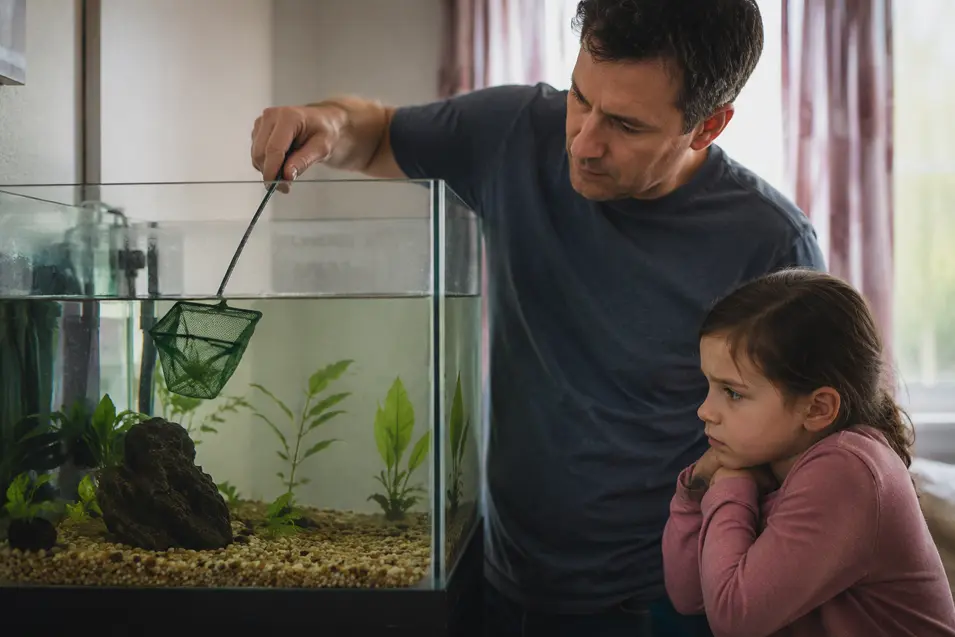
Children often benefit from active participation in remembrance activities.
Age-appropriate ideas include:
Drawing Pictures
Children can create artwork featuring their fish and favorite memories.
Writing a Letter
A simple goodbye letter can help children express emotions and process loss.
Memory Books
Families can create small books that combine photographs, stories, and drawings.
Sharing Stories
Encouraging children to talk about what made the fish special helps validate their feelings.
These activities can provide comfort while teaching healthy ways to cope with grief.
Creating a Family Ritual
Many families appreciate simple rituals that acknowledge a pet’s life.
Ideas include:
- Sharing favorite memories
- Looking through photographs
- Writing notes
- Planting flowers
- Spending time together
The ritual does not need to be formal.
Its purpose is simply to recognize the importance of the pet and the emotions surrounding the loss.
Appreciating the Lessons Fish Teach Us
Many aquarium owners discover that fish teach valuable lessons beyond fishkeeping.
Through caring for fish, people often learn:
- Patience
- Responsibility
- Observation
- Compassion
- Respect for nature
Remembering these lessons can be a meaningful part of honoring a fish’s legacy.
When You’re Ready for Another Fish
Eventually, many aquarium owners decide to add new fish to their aquarium.
Doing so does not diminish the memory of the fish that was lost.
A new fish is not a replacement.
It is a new chapter in the aquarium’s story.
Many people find comfort in knowing that their previous fish helped inspire a continued love of the hobby.
Focusing on Gratitude
One of the healthiest ways to remember a pet is through gratitude.
Rather than focusing solely on loss, consider:
- The enjoyment the fish brought
- The beauty it added to the aquarium
- The lessons learned
- The memories created
Gratitude allows remembrance to become a celebration rather than only a source of sadness.
Conclusion
The loss of a beloved fish can be surprisingly emotional, especially when that fish has been part of daily life for months or years. While every person grieves differently, taking time to remember and honor a fish can provide comfort and help transform sadness into appreciation.
Whether through photographs, artwork, journals, family conversations, or living memorials, remembrance activities help preserve the memories that made the fish special. More importantly, they remind us that every pet—regardless of size or species—can leave a lasting impact on our lives.
The aquarium may change, new fish may arrive, and time will move forward, but the memories of a beloved fish often remain long after the water settles.
Frequently Asked Questions
Is it normal to feel emotional when a fish dies?
Yes. Many aquarium owners form meaningful bonds with their fish and experience genuine grief when one passes away.
What is the best way to remember a pet fish?
There is no single best way. Popular options include photographs, artwork, journals, memory boxes, and simple family memorials.
Should children participate in fish memorial activities?
Absolutely. Drawing pictures, writing letters, and sharing memories can help children process their emotions in healthy ways.
Is it okay to get another fish after one dies?
Yes. A new fish is not a replacement but a new pet and a new chapter in your aquarium journey.
Why do people become attached to fish?
Fish often become part of daily routines and provide beauty, companionship, relaxation, and enjoyment, making emotional attachments completely normal.
Related Reading
- What to Do When a Pet Fish Dies
- Helping Children Cope with the Loss of a Pet Fish
- Aquariums in Homes with Young Children
- Aquariums and Mental Wellness: Creating Calm Spaces at Home
- The Relaxation Benefits of Aquariums: Why People Love Watching Fish
- Aquariums in the Home: Design, Placement, Planning, and Practical Living