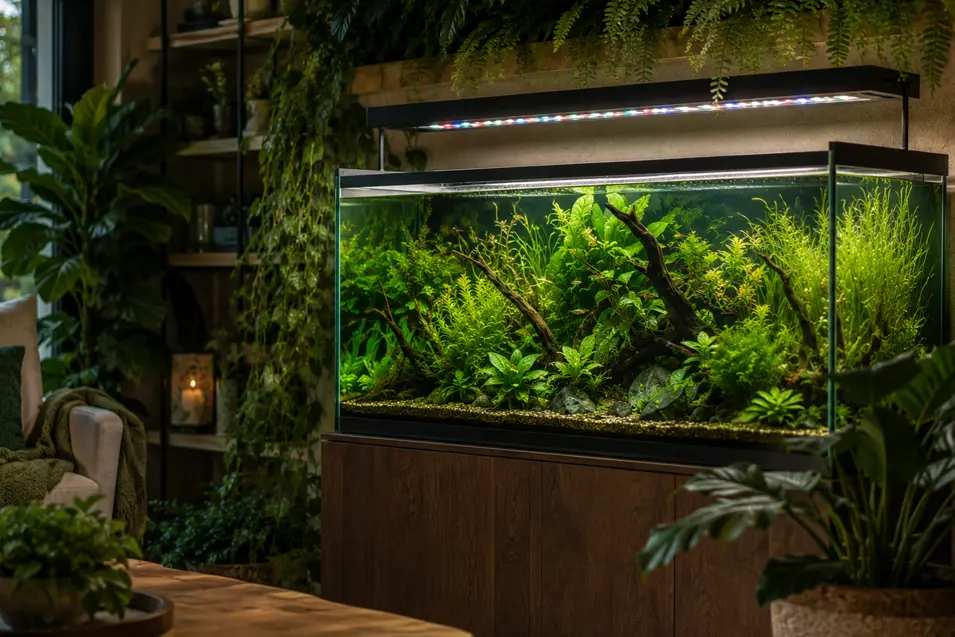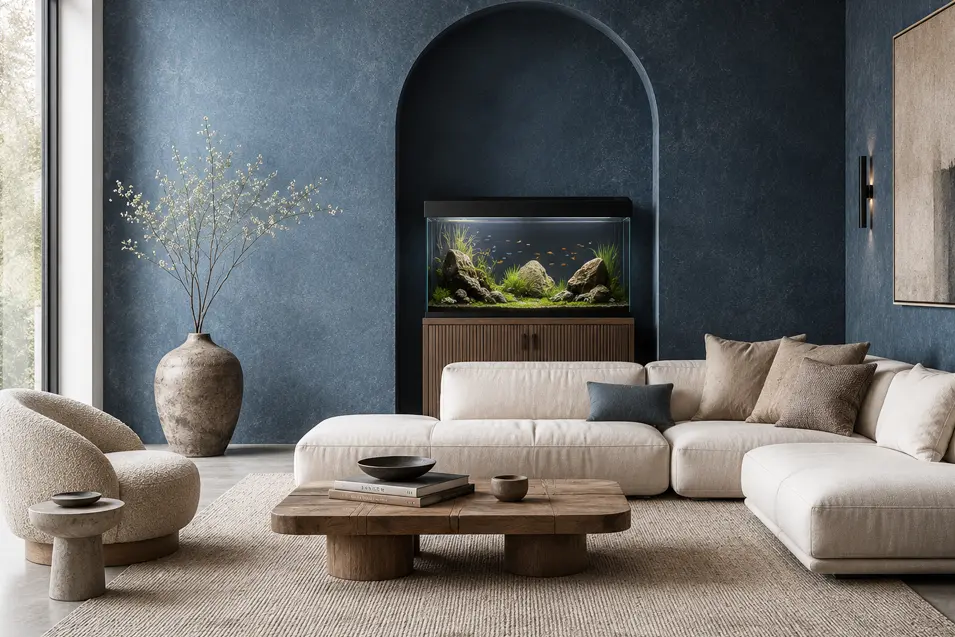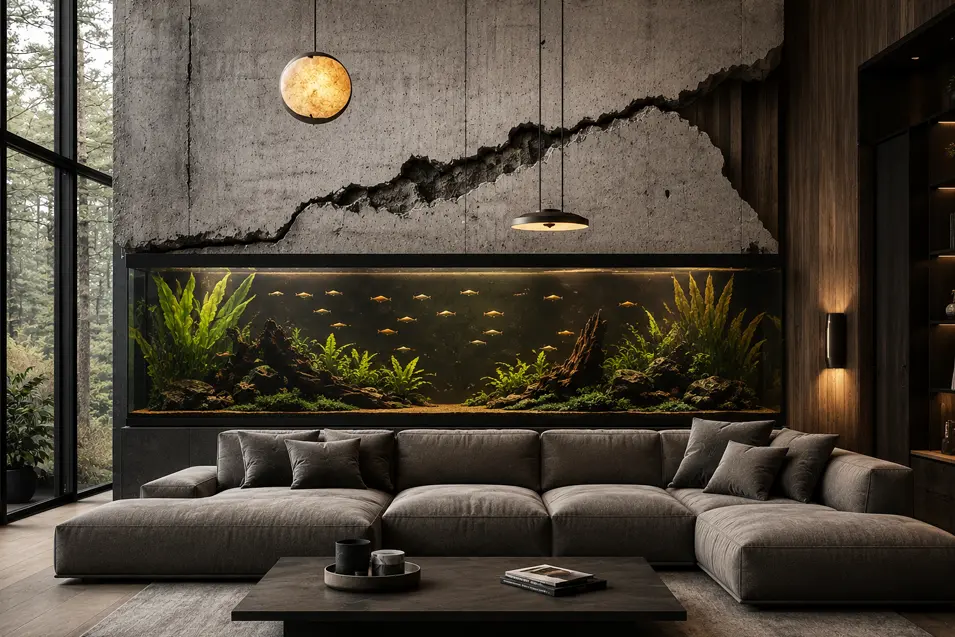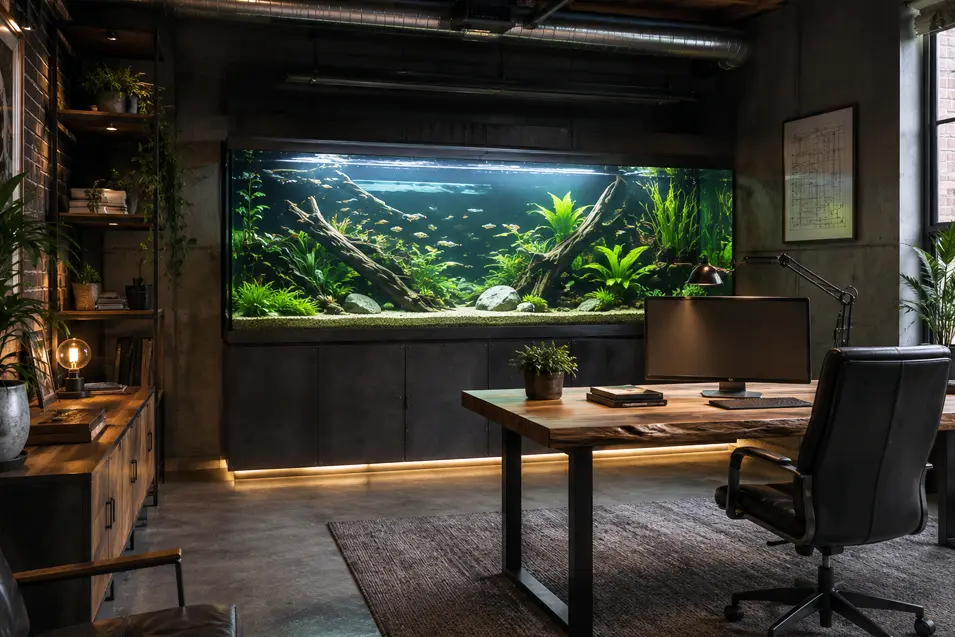
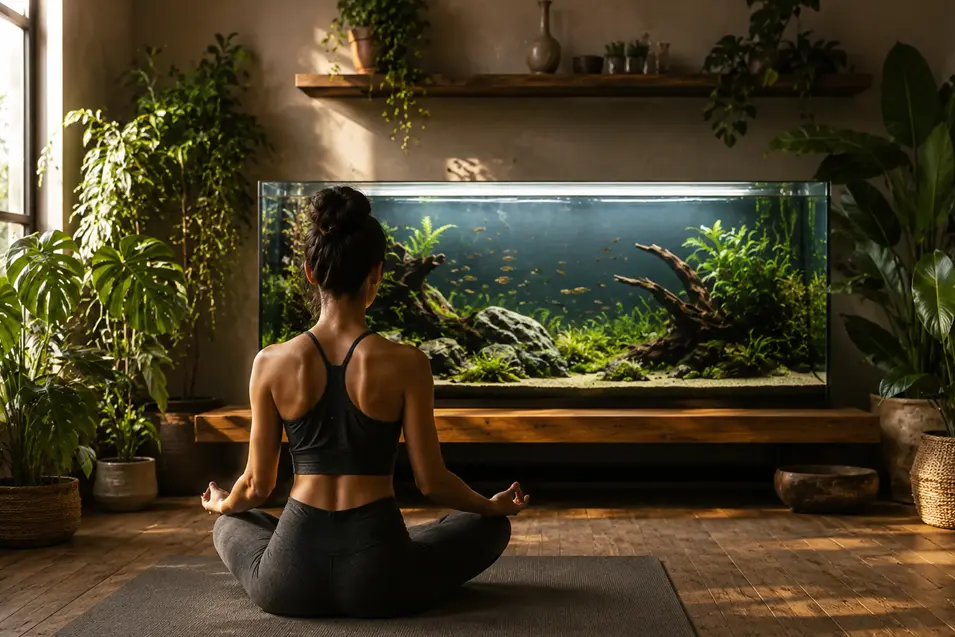
In a world filled with constant notifications, busy schedules, and endless distractions, many people are searching for ways to slow down and reconnect with the present moment. Meditation and mindfulness practices have become increasingly popular because they offer an opportunity to step away from daily stress and cultivate a greater sense of calm and awareness.
While meditation spaces can take many forms, one design element is gaining attention among homeowners seeking a deeper connection to nature: the aquarium.
The gentle movement of fish, the flowing rhythm of water, and the living beauty of aquatic environments create an atmosphere that naturally encourages observation, focus, and relaxation. For many people, an aquarium becomes more than a decorative feature—it becomes a centerpiece for mindfulness and reflection.
Whether incorporated into a dedicated meditation room or a quiet corner of the home, an aquarium can help create a space that supports calm and intentional living.
The Connection Between Nature and Mindfulness
Many mindfulness practices encourage individuals to focus their attention on simple, present-moment experiences.
These may include:
- Breathing
- Bodily sensations
- Natural sounds
- Visual observation
- Environmental awareness
Nature has long played an important role in these practices.
People often find it easier to relax and focus when surrounded by:
- Forests
- Gardens
- Rivers
- Lakes
- Natural landscapes
Aquariums provide a way to bring elements of nature indoors, creating a living environment that can be observed and appreciated regardless of weather or location.
Why Aquariums Support Meditation
Aquariums naturally encourage stillness.
Unlike televisions, smartphones, and other forms of entertainment that demand attention, aquariums invite passive observation.
Fish move slowly through the water.
Plants sway gently in the current.
Light reflects across rocks, wood, and aquatic landscapes.
These subtle, repetitive movements can help draw attention away from daily concerns and toward the present moment.
For many people, watching an aquarium feels remarkably similar to watching ocean waves, a flowing stream, or leaves moving in the wind.
Creating a Visual Anchor for Focus
One challenge many beginners face during meditation is maintaining focus.
The mind naturally wanders.
An aquarium can serve as a visual anchor—a point of gentle attention that helps bring awareness back to the present.
Instead of concentrating solely on breathing, individuals may choose to observe:
- Fish movement
- Water flow
- Plant motion
- Light patterns
- Aquascape details
This form of observation-based mindfulness can feel more approachable for people who struggle with traditional meditation techniques.
The Calming Effect of Water
Water has a unique relationship with relaxation.
Many people find themselves drawn to:
- Oceans
- Waterfalls
- Lakes
- Streams
- Fountains
The presence of water often creates a sense of calm and tranquility.
Aquariums introduce this element into indoor spaces.
Even when no audible water sounds are present, the visual presence of water can contribute to a soothing environment that supports relaxation and reflection.
Designing an Aquarium Meditation Space
Creating an effective meditation space involves more than simply placing an aquarium in a room.
The surrounding environment should support comfort, focus, and simplicity.
Choose a Quiet Location
Meditation spaces work best in areas with minimal distractions.
Potential locations include:
- Spare bedrooms
- Wellness rooms
- Reading nooks
- Home offices
- Dedicated meditation spaces
The goal is to create a setting where interruptions are minimized.
Provide Comfortable Seating
Meditation practices vary from person to person.
Popular seating options include:
- Floor cushions
- Meditation benches
- Yoga mats
- Comfortable chairs
- Recliners
The aquarium should be visible without requiring awkward positioning.
Reduce Visual Clutter
A cluttered room can make it difficult to focus.
Many meditation spaces emphasize:
- Simplicity
- Open space
- Clean lines
- Minimal decoration
The aquarium often becomes the primary visual feature.
Choosing the Right Aquarium Style
Certain aquarium designs lend themselves particularly well to mindfulness spaces.
Nature Aquariums
Inspired by natural landscapes, nature aquariums often feature:
- Driftwood
- Stone formations
- Live plants
- Open swimming areas
These displays evoke a sense of harmony and balance.
Planted Aquariums
Planted aquariums create lush underwater gardens that bring softness and organic beauty into a room.
Their emphasis on natural growth aligns well with mindfulness principles.
Minimalist Aquascapes
Some meditation spaces benefit from simpler designs.
Minimalist aquariums often feature:
- Open layouts
- Limited décor
- Careful composition
- Visual clarity
The result can feel peaceful and uncluttered.
Lighting for Meditation Spaces
Lighting plays a major role in shaping atmosphere.
Harsh lighting can feel stimulating and distracting.
Meditation rooms often benefit from:
- Warm ambient lighting
- Natural daylight
- Dimmable fixtures
- Soft accent lighting
Aquarium lighting should complement the room rather than dominate it.
Many aquarists use programmable LED systems to create gentle transitions throughout the day.
Combining Aquariums with Other Natural Elements
Aquariums work especially well when paired with additional biophilic design features.
Consider incorporating:
- Indoor plants
- Natural wood
- Stone textures
- Water features
- Natural fabrics
These elements reinforce the connection to nature and create a cohesive environment focused on well-being.
Aquariums and Mindful Observation
Not all meditation involves sitting silently with closed eyes.
Many mindfulness practices encourage open observation.
An aquarium provides countless opportunities for this type of awareness.
People may notice:
- Subtle fish behaviors
- Changes in light
- Plant growth
- Water movement
- Interactions within the ecosystem
These observations encourage curiosity, patience, and presence.
Creating Daily Rituals Around the Aquarium
One of the greatest benefits of an aquarium meditation space is its ability to support meaningful daily rituals.
Examples include:
- Morning meditation sessions
- Evening reflection
- Breathing exercises
- Journaling
- Quiet observation periods
Over time, the aquarium can become associated with moments of calm and intentionality.
These routines often become valuable anchors within busy schedules.
The Benefits Extend Beyond Meditation
Even when not actively meditating, aquarium spaces often provide benefits.
Many homeowners use these areas for:
- Reading
- Reflection
- Relaxation
- Creative thinking
- Quiet conversation
The aquarium continues to contribute to the atmosphere throughout the day.
Its presence encourages people to slow down and spend time in a more mindful way.
Realistic Expectations
While many people find aquariums calming, it’s important to view them as supportive tools rather than solutions.
Aquariums are not substitutes for professional mental health care, therapy, or medical treatment when those services are needed.
Instead, they can serve as valuable additions to a lifestyle that prioritizes wellness, balance, and connection to nature.
For many aquarium owners, that contribution is meaningful and deeply rewarding.
Conclusion
Aquarium meditation spaces offer a unique blend of nature, movement, and tranquility that aligns beautifully with mindfulness practices. The gentle rhythms of aquatic life create opportunities for observation, reflection, and relaxation while helping transform ordinary rooms into peaceful retreats.
Whether incorporated into a dedicated meditation room or a quiet corner of the home, an aquarium can become a visual anchor that encourages presence and calm. Combined with thoughtful design, comfortable seating, and natural elements, it helps create an environment where mindfulness feels both accessible and enjoyable.
In a fast-paced world, even a few moments spent observing an aquarium can serve as a reminder to slow down, breathe deeply, and appreciate the present moment.
Frequently Asked Questions
Can an aquarium help with meditation?
Many people find aquariums helpful because they provide a calming visual focus that encourages mindfulness and present-moment awareness.
What type of aquarium is best for a meditation room?
Nature aquariums, planted aquariums, and minimalist aquascapes are often popular choices because they emphasize balance, simplicity, and natural beauty.
Where should an aquarium be placed in a meditation space?
The aquarium should be easily visible from seating areas while avoiding distractions such as direct sunlight, heavy foot traffic, or excessive noise.
Do aquariums make good mindfulness tools?
Yes. Observing fish movement, plant growth, and water flow can support mindful observation practices and encourage relaxation.
Can an aquarium replace meditation?
No. An aquarium is best viewed as a supportive element that enhances a meditation or mindfulness practice rather than replacing it.
Related Reading
- Aquariums and Mental Wellness: Creating Calm Spaces at Home
- The Relaxation Benefits of Aquariums: Why People Love Watching Fish
- Aquarium Wellness Rooms: Designing Spaces for Relaxation and Reflection
- Aquarium Reading Nooks: Creating Cozy Spaces Around Fish Tanks
- Biophilic Design and Aquariums: Bringing Living Nature Indoors
- Aquarium Therapy Rooms: Can Fish Tanks Improve Well-Being?