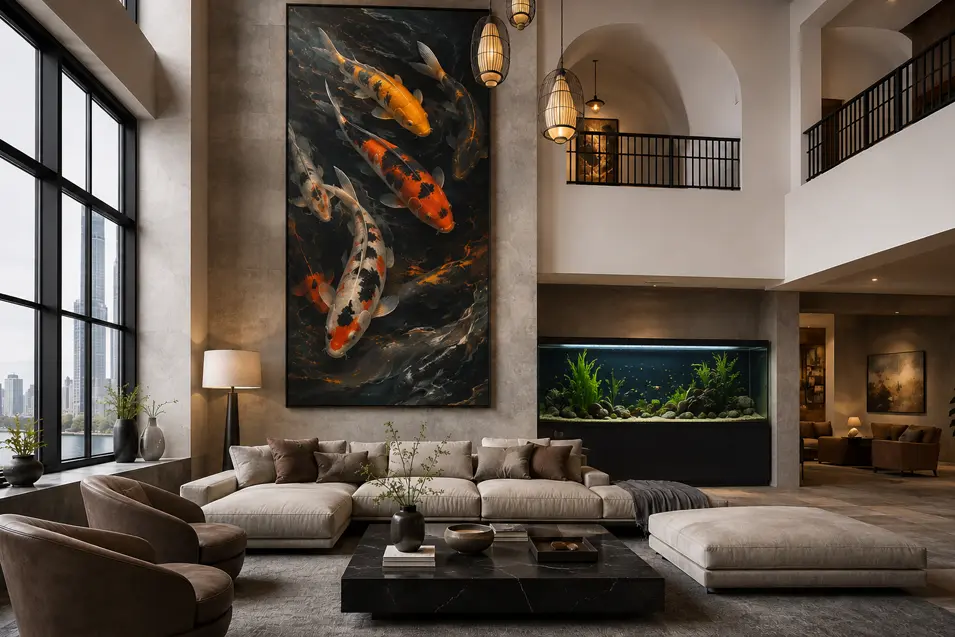
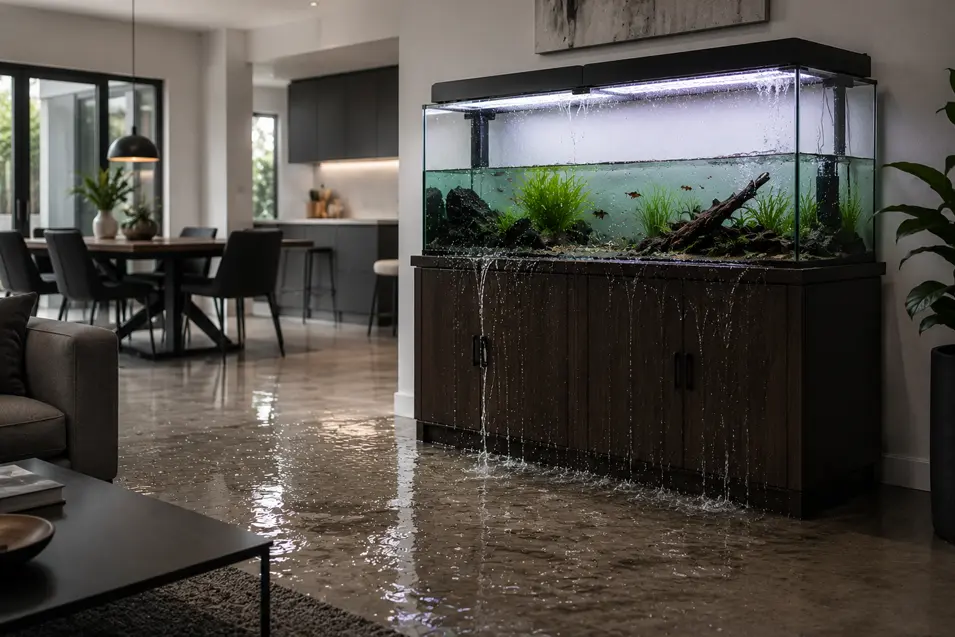
Aquariums can become some of the most beautiful and rewarding features in a home. Whether it’s a small freshwater setup or a custom-built showpiece aquarium, fish tanks provide years of enjoyment while adding color, movement, and natural beauty to living spaces.
However, aquariums also introduce something homeowners should never overlook: water.
Even relatively small aquariums hold enough water to cause damage if a leak, equipment failure, or accident occurs. Larger aquariums may contain hundreds of gallons, creating risks that extend beyond the fish themselves.
While aquarium-related disasters are uncommon, understanding insurance considerations and implementing simple protective measures can help homeowners avoid costly surprises and protect their investment.
Do Aquariums Increase Risk in a Home?
Any appliance or system that contains water introduces a degree of risk.
Homeowners routinely manage risks associated with:
- Water heaters
- Washing machines
- Dishwashers
- Refrigerators with water lines
- Plumbing systems
Aquariums are no different.
Although modern aquariums are generally reliable, potential issues include:
- Leaks
- Cracked glass
- Failed seams
- Overflow problems
- Plumbing failures
- Equipment malfunctions
The larger the aquarium, the greater the potential volume of water involved.
That doesn’t mean homeowners should avoid aquariums—it simply means proper planning is important.
Understanding Potential Aquarium-Related Damage
When people imagine aquarium emergencies, they often think of a tank shattering dramatically.
In reality, many problems are much smaller and develop gradually.
Slow Leaks
A small leak may go unnoticed for days or weeks.
Over time, water can damage:
- Hardwood flooring
- Laminate flooring
- Baseboards
- Cabinetry
- Drywall
Even a minor leak can become expensive if not detected early.
Equipment Failures
Many aquarium-related water incidents originate from equipment rather than the aquarium itself.
Examples include:
- Loose hoses
- Overflow failures
- Sump malfunctions
- Plumbing disconnections
- Filter leaks
These problems can sometimes release significant amounts of water before they are discovered.
Catastrophic Failures
Complete aquarium failures are relatively rare, but they can occur.
Large aquariums may contain:
- Hundreds of gallons of water
- Heavy rockwork
- Expensive equipment
If a major failure occurs, water damage can spread rapidly throughout the home.
Does Homeowners Insurance Cover Aquarium Damage?
This is one of the most common questions aquarium owners ask.
The answer is: it depends.
Insurance policies vary significantly between providers and regions. Coverage often depends on:
- The cause of the damage
- The type of policy
- Policy exclusions
- The extent of the loss
Some homeowners policies may provide coverage for certain sudden and accidental water-related events.
Others may contain exclusions, limitations, or specific requirements.
Because policies differ so widely, homeowners should review their individual coverage and discuss aquarium-related concerns directly with their insurance provider.
Questions to Ask Your Insurance Company
If you own an aquarium—or are planning a large installation—it may be worthwhile to ask:
- Is aquarium-related water damage covered?
- Are there coverage limits for water damage claims?
- Are custom-built aquariums treated differently?
- Is damage to flooring covered?
- Is damage to furniture covered?
- Are aquarium equipment losses covered?
- Are there exclusions related to gradual leaks?
Understanding coverage before a problem occurs can prevent misunderstandings later.
Large and Custom Aquarium Considerations
Many homeowners never discuss their aquarium with their insurance provider.
For smaller tanks, this may not be a concern.
However, large aquariums often represent substantial investments.
Custom systems may include:
- Built-in cabinetry
- Structural modifications
- Specialized filtration systems
- Custom lighting
- Automation equipment
In some cases, the total investment can reach thousands—or even tens of thousands—of dollars.
Documenting major installations and maintaining records may be beneficial.
Protecting Your Home from Aquarium Damage
Insurance is only one part of the equation.
Preventing problems is usually easier and less expensive than dealing with repairs.
Choose the Right Location
Proper placement reduces risk significantly.
Avoid placing aquariums:
- On unstable furniture
- Near heating vents
- In direct sunlight
- In areas with limited maintenance access
Ensure the location provides adequate structural support and room for maintenance.
Use a Quality Aquarium Stand
A properly designed stand distributes weight evenly and helps prevent structural stress on the aquarium.
Never rely on furniture that is not designed to support the full weight of a filled tank.
A stand failure can be just as damaging as an aquarium failure.
Inspect Equipment Regularly
Routine inspections can identify problems before they become serious.
Check:
- Hoses
- Plumbing fittings
- Silicone seams
- Overflow systems
- Filters
- Pumps
Look for moisture, salt buildup, unusual sounds, or signs of wear.
Keep Water Away from Electrical Systems
Electrical safety should always be a priority.
Use:
- Drip loops
- Ground fault protection where appropriate
- Surge protectors
- Organized cable management
Water and electricity should never be allowed to mix.
Consider Leak Detection Systems
Technology has made aquarium protection easier than ever.
Water leak sensors can detect moisture and provide alerts when problems occur.
Some advanced systems can even:
- Send smartphone notifications
- Trigger alarms
- Shut down equipment automatically
These devices can be especially valuable for large or custom aquarium installations.
Protecting Floors and Furniture
Water damage often occurs gradually.
Simple protective measures can help minimize risk.
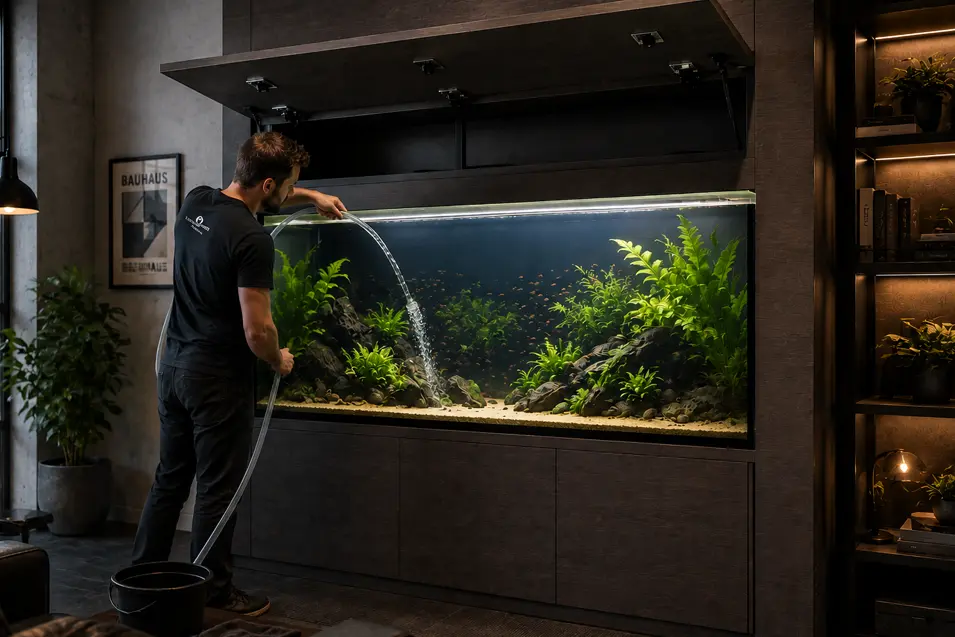
Use Protective Mats
Waterproof mats can help protect flooring during:
- Water changes
- Equipment maintenance
- Routine cleaning
Clean Spills Immediately
Even small spills can cause long-term damage if allowed to sit.
Prompt cleanup helps protect:
- Hardwood
- Laminate
- Carpet
- Cabinetry
Monitor Humidity
Large aquariums can increase indoor humidity levels.
Proper ventilation may help reduce moisture-related issues in enclosed spaces.
Preparing for Emergencies
Every aquarium owner should have a basic emergency plan.
Consider keeping:
- Towels
- Buckets
- Spare containers
- Battery-powered air pumps
- Flashlights
- Water conditioner
in an easily accessible location.
If a leak occurs, quick action can dramatically reduce damage.
Documenting Your Aquarium Investment
Aquariums often represent a significant financial investment.
Maintaining records may be helpful.
Consider keeping:
- Purchase receipts
- Equipment inventories
- Photographs
- Warranty information
- Maintenance records
Documentation can be useful for insurance discussions, warranty claims, and future upgrades.
Peace of Mind Through Preparation
Most aquarium owners will never experience a major emergency.
However, preparedness provides confidence.
A few simple precautions can:
- Reduce risk
- Protect property
- Improve safety
- Simplify maintenance
- Minimize potential losses
Like smoke detectors and emergency kits, aquarium protection measures are something you hope you’ll never need—but appreciate having when the unexpected happens.
Conclusion
Aquariums add beauty, relaxation, and enjoyment to a home, but they also introduce responsibilities that homeowners should take seriously. Understanding potential risks, reviewing insurance coverage, and implementing practical safety measures can help protect both your aquarium and your property.
While every insurance policy is different, the most effective strategy is prevention. Proper placement, routine inspections, quality equipment, leak detection systems, and emergency preparedness can dramatically reduce the likelihood of serious problems.
With thoughtful planning and a proactive approach, homeowners can enjoy the rewards of aquarium ownership while protecting their investment and maintaining peace of mind.
Frequently Asked Questions
Does homeowners insurance cover aquarium leaks?
Coverage varies by policy and provider. Homeowners should review their policy details and speak directly with their insurance company regarding aquarium-related water damage.
Should I tell my insurance company about a large aquarium?
For substantial custom installations or high-value aquarium systems, it may be worth discussing the aquarium with your insurance provider to better understand coverage and documentation requirements.
What causes most aquarium-related water damage?
Many incidents are caused by equipment failures such as loose hoses, plumbing issues, overflow problems, and slow leaks rather than catastrophic tank failures.
Are leak detectors worth using with aquariums?
Yes. Water leak sensors can provide early warning of problems and may help reduce property damage by allowing faster response times.
How can I reduce the risk of aquarium water damage?
Use a proper stand, inspect equipment regularly, clean up spills promptly, maintain plumbing connections, and consider installing leak detection systems.
Related Reading
- Aquariums in the Home: Design, Placement, Planning, and Practical Living
- How Much Does an Aquarium Weigh? Floor, Furniture, and Structural Considerations
- Aquarium Electrical Planning: Managing Cords, Heaters, Pumps, and Lighting Safely
- Aquarium Water Access: Planning for Filling, Water Changes, and Maintenance
- What Happens If an Aquarium Breaks? Preparing for Leaks, Cracks, and Emergencies
- Aquarium Furniture: Stands, Cabinets, and Built-In Storage Solutions