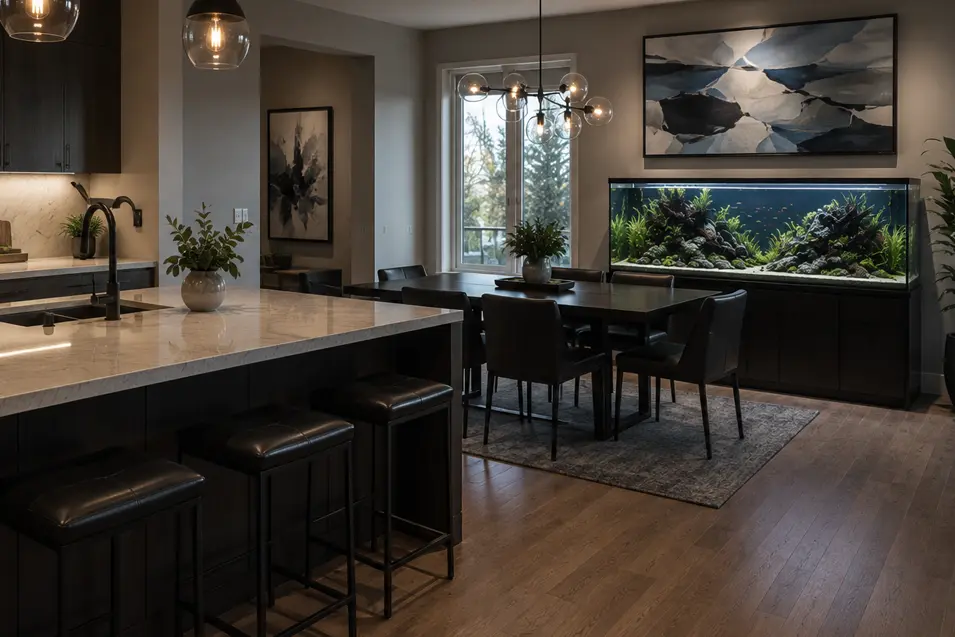
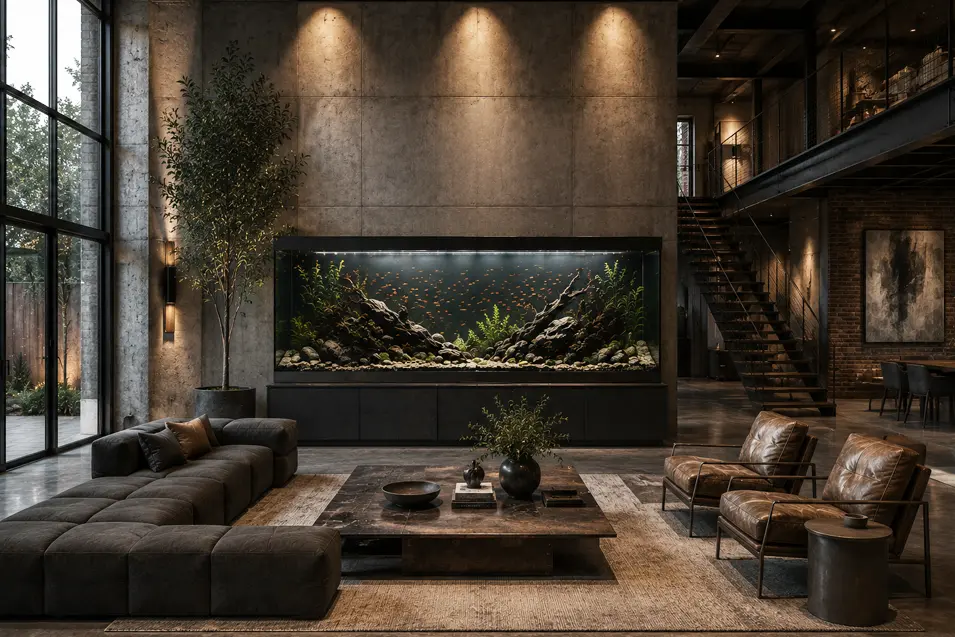
Buying a new aquarium is exciting. Whether you’re setting up a small freshwater tank or a large showpiece aquarium, most people focus on equipment, decorations, and fish selection. However, one of the most important decisions happens before the aquarium is even filled with water: choosing the right location.
Aquariums become a permanent part of a room’s design and daily life. While finding the perfect spot can enhance both the appearance of your home and the well-being of your fish, placing a tank in the wrong location can lead to algae outbreaks, temperature instability, excessive stress for fish, and even structural concerns.
Before setting up your aquarium, it’s important to understand where not to place it and why these common mistakes can create problems down the road.
In Direct Sunlight
One of the most common aquarium placement mistakes is positioning a tank near a window where it receives direct sunlight.
Natural sunlight may seem beneficial, but it often creates more problems than advantages. Sunlight quickly heats the water, causing temperature fluctuations that stress fish and can even become dangerous during warmer months.
Direct sunlight also fuels algae growth. Aquariums exposed to several hours of sunlight each day often experience persistent green water, algae-covered glass, and excessive maintenance requirements.
Problems Caused by Direct Sunlight
- Increased algae growth
- Temperature spikes
- Reduced control over aquarium lighting
- Higher maintenance requirements
- Stress on fish and plants
If possible, place your aquarium in a location that receives indirect natural light rather than direct sun exposure.
Near Heating and Cooling Vents
Many homeowners overlook HVAC vents when planning aquarium placement.
Heating vents, air conditioning ducts, and return air vents can create constant temperature fluctuations around the tank. Since aquarium fish thrive in stable environments, repeated warming and cooling cycles can stress aquatic life and affect overall health.
Strong airflow can also increase evaporation rates, leading to more frequent water top-offs and changing water chemistry.
Avoid Placement Near:
- Furnace vents
- Air conditioning vents
- Baseboard heaters
- Portable space heaters
- Ceiling fans with strong downward airflow
Stable room temperatures help maintain stable aquarium temperatures.
Next to Frequently Used Doors
An aquarium positioned beside a front door, patio door, or frequently used interior doorway may seem convenient, but it can create several issues.
Doors generate sudden changes in temperature whenever they are opened during hot summers or cold winters. They also create vibrations, movement, and noise that can startle fish.
Over time, repeated disturbances may cause shy fish species to hide more frequently or exhibit signs of chronic stress.
Potential Problems
- Sudden temperature changes
- Frequent startling of fish
- Increased vibration
- Reduced enjoyment of the aquarium
Fish generally prefer predictable, stable environments.
In High-Traffic Hallways
Aquariums often serve as focal points, but placing them in busy walkways can create problems for both fish and people.
Constant foot traffic can stress certain species, particularly timid fish. Additionally, narrow hallways increase the risk of accidental bumps, spills, or damage during maintenance.
Large aquariums also require room for water changes, cleaning equipment, and access to filters and electrical systems.
Consider Accessibility
Ask yourself:
- Can you comfortably reach the tank for maintenance?
- Is there space to work around the aquarium?
- Could children or guests accidentally bump into it?
If the answer to any of these questions is yes, another location may be preferable.
On Weak or Unstable Furniture
Many new aquarium owners underestimate how heavy a filled tank can become.
A standard 55-gallon aquarium can weigh more than 600 pounds when water, substrate, decorations, and equipment are included. Larger aquariums can easily exceed 1,000 pounds.
Placing an aquarium on furniture not specifically designed to support that weight can lead to sagging, instability, and, in extreme cases, catastrophic failure.
Never Use
- Lightweight bookshelves
- Particleboard furniture
- Older damaged cabinets
- Uneven tables
- Furniture with loose joints
Always use a purpose-built aquarium stand or structurally sound support system.
In Areas with Excessive Noise
Fish do not hear exactly as humans do, but they are highly sensitive to vibrations and sudden sounds.
Placing an aquarium beside loud speakers, home theater systems, gaming setups, or constantly operating appliances can create unnecessary stress.
While many fish adapt to normal household activity, repeated loud vibrations can interfere with natural behaviors.
Noisy Locations to Avoid
- Beside surround sound speakers
- Next to subwoofers
- Near washing machines
- Adjacent to workshop equipment
- Close to loud entertainment systems
A calm environment promotes healthier fish behavior.
In Difficult-to-Reach Locations
Sometimes aesthetics take priority over practicality.
An aquarium may look beautiful on a high shelf or tucked into a decorative corner, but routine maintenance becomes difficult when access is limited.
Every aquarium requires:
- Water changes
- Glass cleaning
- Equipment maintenance
- Fish observation
- Feeding
If reaching the tank is inconvenient, maintenance often becomes less frequent, potentially affecting water quality and fish health.
In Rooms with Extreme Temperature Changes
Certain rooms naturally experience larger temperature swings than others.
Garages, sunrooms, enclosed patios, and unfinished basements often become much hotter or colder than the rest of the house.
These environments place additional strain on heaters, chillers, and aquarium equipment while making temperature stability harder to maintain.
Rooms That Require Extra Caution
- Garages
- Three-season rooms
- Uninsulated basements
- Enclosed porches
- Attics
Whenever possible, choose a climate-controlled living space.
Against Long-Term Household Convenience
One of the biggest mistakes aquarium owners make is thinking only about today.
A tank may fit perfectly in a corner when first installed, but will it still work during future renovations, furniture rearrangements, or family changes?
Before committing to a location, consider:
- Access to electrical outlets
- Water change logistics
- Future room layouts
- Household traffic patterns
- Long-term maintenance requirements
A little planning now can prevent years of frustration later.
Choosing the Right Spot Instead
The best aquarium locations generally share a few characteristics:
- Stable temperatures
- Indirect natural light
- Easy access for maintenance
- Adequate structural support
- Moderate household activity
- Convenient electrical access
Living rooms, home offices, family rooms, and dedicated aquarium spaces are often ideal choices when properly planned.
Conclusion
An aquarium can become one of the most beautiful and relaxing features in a home, but its success begins with proper placement. Avoiding direct sunlight, heating vents, noisy environments, unstable furniture, and high-traffic areas helps create a healthier environment for fish while reducing maintenance and long-term problems.
Before filling a new tank, take the time to evaluate the space carefully. The right location will make aquarium ownership easier, more enjoyable, and better for the fish that call it home.
FAQ
Can I put an aquarium in front of a window?
It is generally not recommended. Direct sunlight can cause algae growth and temperature fluctuations that stress fish.
Is it safe to put an aquarium near a TV?
In most cases, yes. Modern televisions create little interference. However, avoid placing aquariums directly beside powerful speakers or subwoofers.
Can an aquarium sit on regular furniture?
Only if the furniture is rated to support the aquarium’s full weight. Most aquariums should be placed on purpose-built aquarium stands.
Why do fish get stressed by tank placement?
Frequent movement, noise, vibration, and temperature fluctuations can all contribute to stress, which may weaken fish health over time.
What room is best for an aquarium?
Living rooms, family rooms, and home offices are often ideal because they offer stable temperatures, visibility, and convenient access for maintenance.
Related Reading
- Aquariums in the Home: Design, Placement, Planning, and Practical Living
- 7 Best Places to Put an Aquarium for Beauty, Relaxation, and Healthy Fish
- Built-In Aquariums vs. Freestanding Aquariums: Pros and Cons
- Open Concept Homes and Aquarium Placement
- How Much Does an Aquarium Weigh? Floor, Furniture, and Structural Considerations
- Aquarium Electrical Planning: Managing Cords, Heaters, Pumps, and Lighting Safely