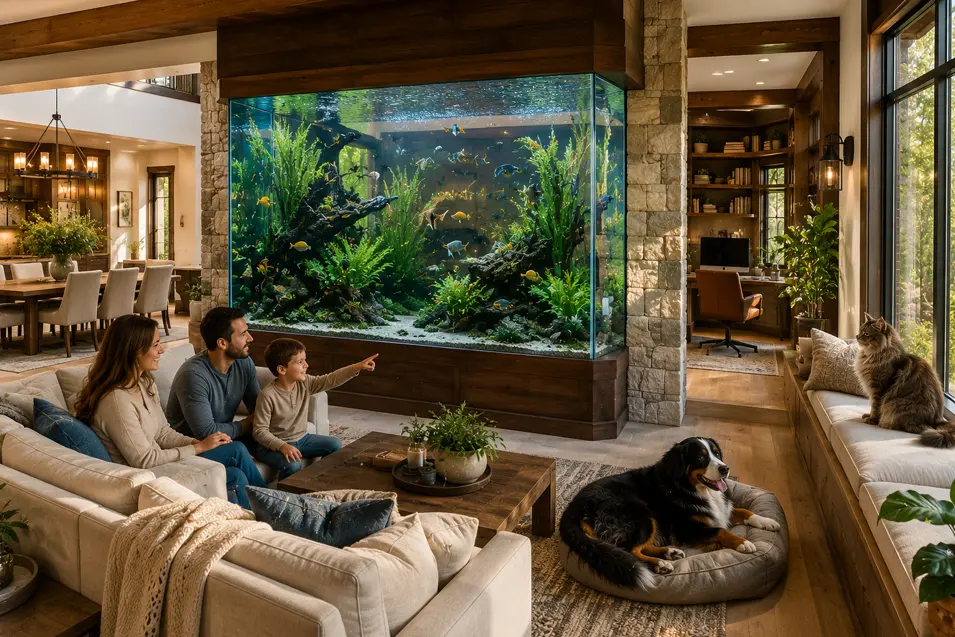
Aquariums have fascinated people for generations. Beyond simply housing fish, a well-designed aquarium can transform a room, create a calming atmosphere, and bring a living piece of nature into the home. Whether it’s a compact freshwater tank in a home office or a stunning built-in aquarium wall that serves as the centerpiece of a living room, aquariums offer a unique combination of beauty, education, and relaxation.
For many homeowners, however, the decision to add an aquarium involves much more than choosing fish and decorations. Placement, maintenance, structural considerations, family dynamics, pet safety, and long-term costs all play important roles in determining whether an aquarium will become a rewarding addition or an ongoing challenge.
Unlike traditional fishkeeping guides that focus primarily on equipment and livestock, this article explores aquariums from a homeowner’s perspective. We’ll look at how aquariums fit into modern living spaces, how to plan for success, and what practical considerations should be addressed before bringing a tank into your home.
Why People Choose Aquariums
Aquariums offer something few other home features can provide: a constantly changing display of living nature. Unlike artwork, furniture, or decorative accessories, an aquarium evolves over time. Fish grow, plants mature, and the underwater environment develops its own unique character.
For many people, aquariums serve as focal points within a room. A beautiful aquarium naturally draws attention and often becomes the first thing guests notice when entering a space. Large aquariums can create a sense of movement and visual interest that static décor simply cannot match.
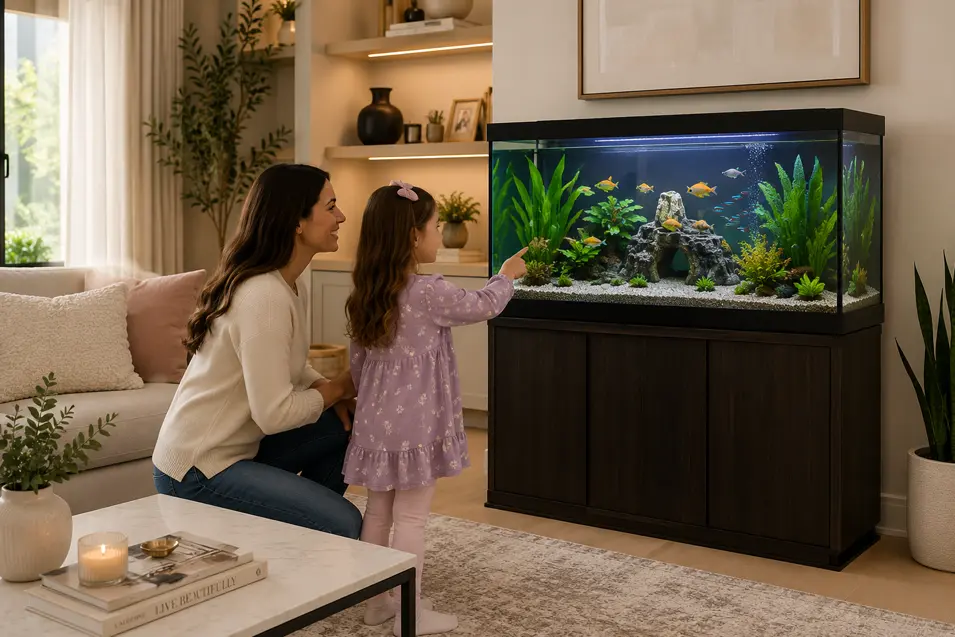
Aquariums also provide educational opportunities for children and adults alike. Observing fish behavior, learning about aquatic ecosystems, and understanding the responsibilities involved in caring for living creatures can foster curiosity and appreciation for the natural world.
Perhaps most importantly, aquariums are widely appreciated for their calming effect. Watching fish glide through the water can create a sense of tranquility that helps reduce stress and encourages mindfulness. Many people describe sitting in front of an aquarium as a form of relaxation similar to watching a fire in a fireplace or listening to a gentle water feature.
In recent years, aquariums have become increasingly popular within interior design circles. Designers often incorporate them into luxury homes, wellness spaces, home offices, and open-concept living areas where they function as both art and architecture.
Planning an Aquarium Before You Buy
One of the most common mistakes new aquarium owners make is purchasing a tank before considering how it will fit into their lifestyle and living space.
Successful aquarium ownership begins with planning.
Before selecting a tank, homeowners should consider several important questions:
- How much space is available?
- How much maintenance am I willing to perform?
- What is my budget for setup and ongoing care?
- Will pets or children have access to the aquarium?
- Do I plan to move within the next few years?
- How much time can I realistically dedicate to aquarium care?
Answering these questions honestly can help prevent frustration later.
An aquarium is not simply a decorative object. It is a living ecosystem that requires ongoing attention. While modern equipment has made aquarium care easier than ever, every tank requires routine maintenance, monitoring, and occasional problem-solving.
The good news is that thoughtful planning dramatically increases the likelihood of long-term success.
Choosing the Right Aquarium Size
When people imagine starting an aquarium, they often assume a smaller tank will be easier to manage. Surprisingly, the opposite is often true.
Very small aquariums can be more challenging because water conditions change quickly. Temperature fluctuations, water quality issues, and equipment failures have a greater impact in a smaller volume of water.
Nano Aquariums
Nano aquariums typically hold less than 20 gallons of water.
These compact tanks are attractive because they require less space and lower initial investment. They can fit comfortably on desks, countertops, bookshelves, or small pieces of furniture.
However, nano aquariums require careful monitoring and consistent maintenance. Minor mistakes can lead to significant changes in water quality.
Nano tanks are often best suited for experienced hobbyists or homeowners who are committed to regular maintenance.
Mid-Sized Aquariums
Aquariums ranging from 20 to 75 gallons often represent the sweet spot for many homeowners.
These tanks provide enough water volume to create a stable environment while remaining manageable in terms of cost, maintenance, and space requirements.
A mid-sized aquarium can serve as a striking focal point in a living room, dining room, or home office without overwhelming the surrounding space.
Large Aquariums
Large aquariums above 75 gallons create dramatic visual impact and provide greater stability for fish and aquatic plants.
These systems often become architectural features within a home rather than simple decorations.
However, larger tanks require careful planning regarding structural support, electrical access, maintenance routines, and long-term costs.
The larger the aquarium, the more important proper planning becomes.
Freshwater vs. Saltwater Aquariums
One of the first decisions prospective aquarium owners must make is whether to choose a freshwater or saltwater setup.
Both can be beautiful, but they differ significantly in complexity, cost, and maintenance requirements.
Freshwater Aquariums
Freshwater aquariums remain the most popular choice for homeowners.
Advantages include:
- Lower startup costs
- Simpler maintenance
- Wider range of beginner-friendly fish
- Reduced equipment requirements
- Easier water management
Freshwater planted aquariums have become particularly popular in modern homes due to their natural appearance and relatively low maintenance.
Many homeowners find that freshwater aquariums provide all the visual benefits they desire without the additional complexity of marine systems.
Saltwater Aquariums
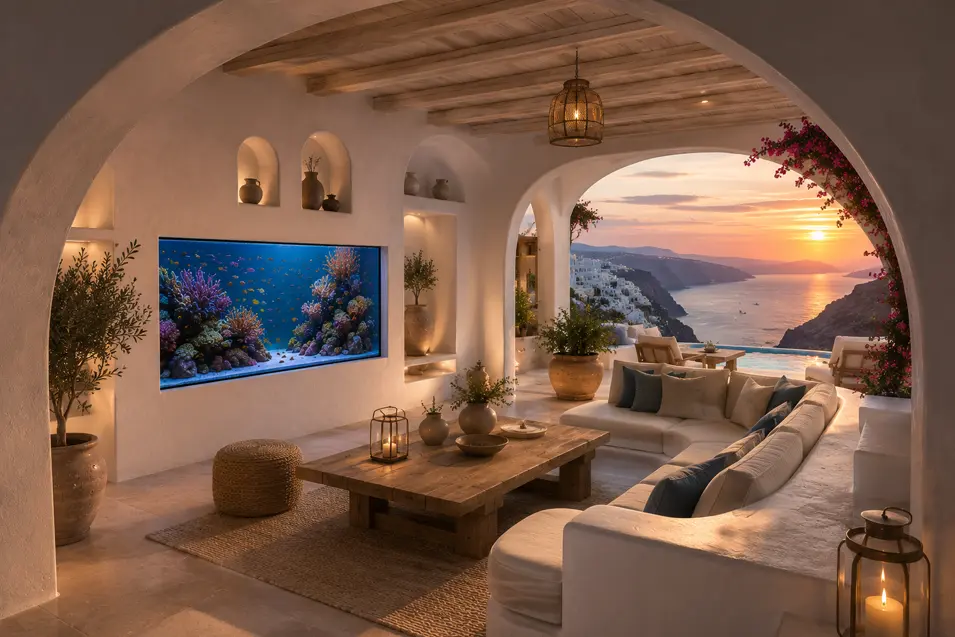
Saltwater aquariums offer stunning colors and incredible biodiversity.
Coral reefs, exotic fish, and vibrant marine ecosystems can create truly breathtaking displays.
However, marine aquariums typically involve:
- Higher startup costs
- More specialized equipment
- Increased maintenance requirements
- Greater sensitivity to water quality changes
- Higher livestock expenses
For homeowners interested primarily in design, relaxation, and aesthetics, freshwater systems often provide a more practical solution.
Those passionate about marine life may find the additional commitment worthwhile.
Understanding the Long-Term Commitment
Aquariums are frequently purchased on impulse, but successful aquarium ownership requires long-term thinking.
Many fish species live for years. Some can live for decades under proper care.
The aquarium itself becomes a permanent part of the home environment that requires ongoing attention regardless of holidays, busy work schedules, or changing life circumstances.
Routine responsibilities include:
- Feeding fish
- Monitoring equipment
- Performing water changes
- Cleaning glass
- Testing water parameters
- Replacing filters and supplies
The amount of time required varies greatly depending on aquarium size and complexity, but every aquarium demands some level of consistent care.
Homeowners should view an aquarium not as a short-term decoration but as an ongoing responsibility similar to maintaining a garden or caring for other pets.
The Role of Aquariums in Modern Home Design
Aquariums have evolved far beyond the simple rectangular tanks commonly seen decades ago.
Today, architects and interior designers frequently incorporate aquariums into the structure and layout of homes.
A thoughtfully designed aquarium can function as:
- A living work of art
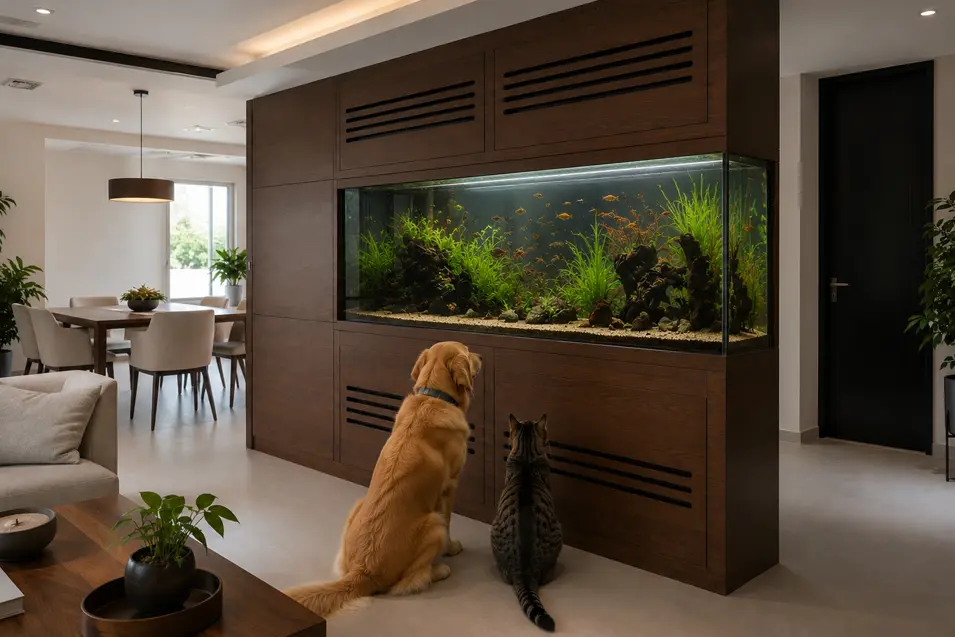
- A room divider
- A conversation piece
- A relaxation feature
- A focal point within open-concept spaces
- A biophilic design element
Biophilic design emphasizes the human connection to nature. Aquariums support this philosophy by bringing living ecosystems indoors and creating a visual connection to the natural world.
Unlike traditional decorative objects, aquariums introduce movement, life, and ever-changing visual interest.
This dynamic quality explains why aquariums continue to attract attention even in homes filled with beautiful furnishings and architectural details.
Aquariums as Statement Pieces
Many homeowners choose aquariums specifically because they create an immediate visual impact.
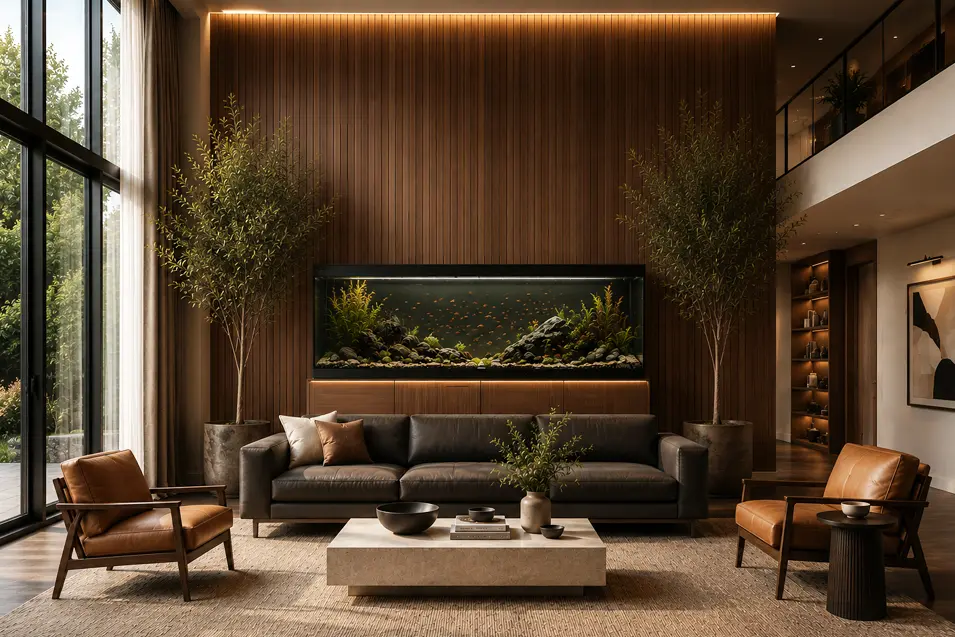
A large aquarium can anchor a room much like a fireplace, dramatic artwork, or panoramic window view.
When positioned correctly, the aquarium naturally becomes a gathering point within the home.
Guests often pause to observe fish, children become fascinated by aquatic life, and homeowners frequently find themselves spending quiet moments watching the tank throughout the day.
This ability to attract attention while simultaneously promoting relaxation makes aquariums unique among home features.
Whether installed as a freestanding display or integrated into the architecture of a home, a well-designed aquarium has the potential to transform an ordinary room into something memorable.
Looking Beyond the Tank
Before purchasing an aquarium, homeowners should think beyond the glass box itself.
Questions worth considering include:
- Where will maintenance equipment be stored?
- How will water changes be performed?
- Is the flooring suitable for occasional spills?
- Is there sufficient electrical access?
- Will the aquarium interfere with furniture placement?
- How will pets interact with the tank?
- Does the location support long-term enjoyment?
These practical considerations often determine whether an aquarium becomes a source of pleasure or frustration.
The most successful aquarium installations are those that balance aesthetics with functionality from the very beginning.
In the next section, we’ll explore where aquariums should and shouldn’t be placed within the home, how designers integrate aquariums into living spaces, and what homeowners need to know about built-in installations, room dividers, and aquarium-centered interior design.
Learn More About Aquarium Ownership
Aquarium Design & Inspiration
- Aquariums: The World’s Most Underrated Art Form
- 15 Aquariums So Beautiful They Belong in an Art Gallery
- Aquariums as Living Art