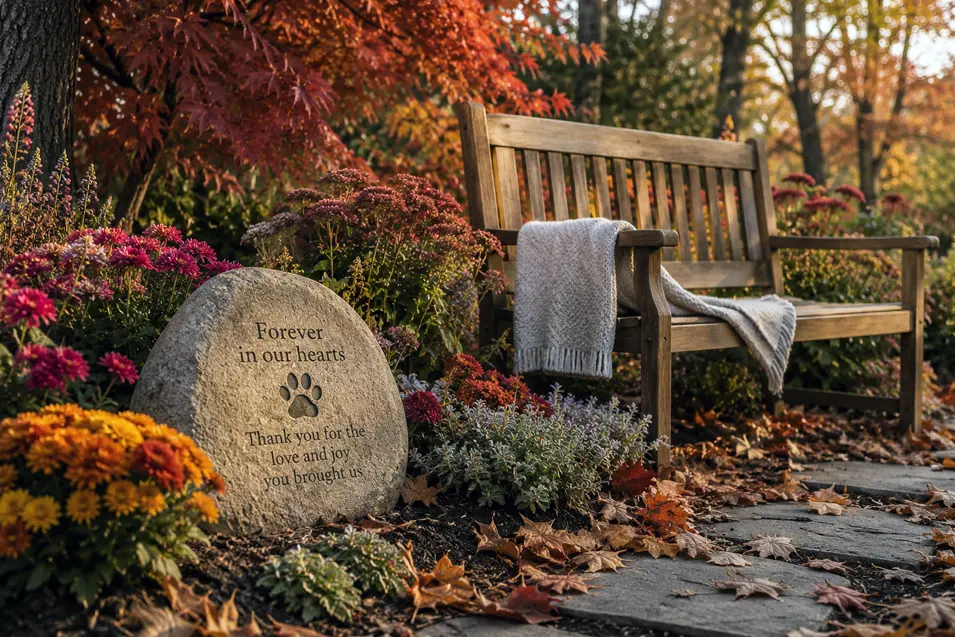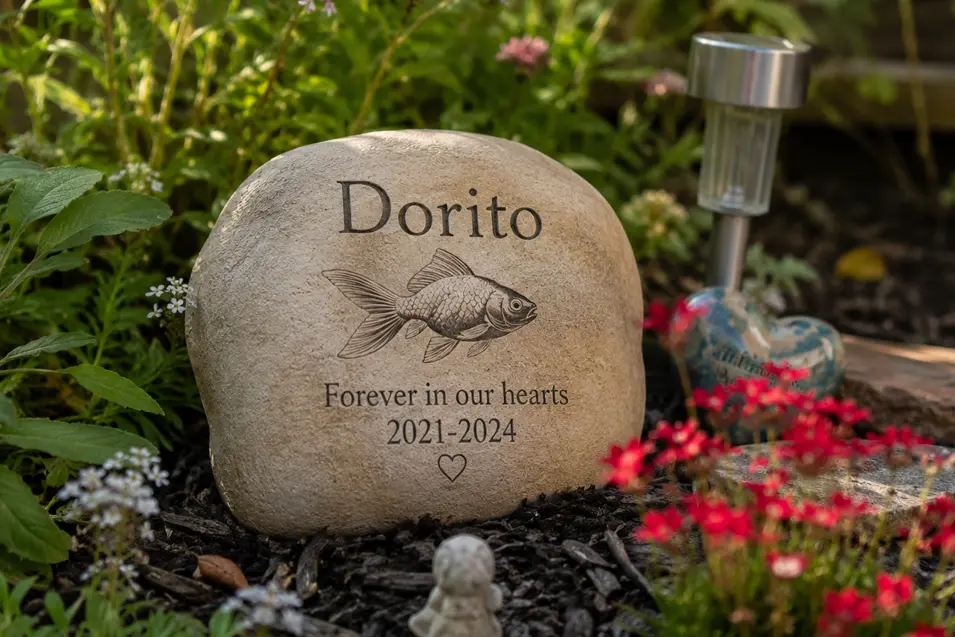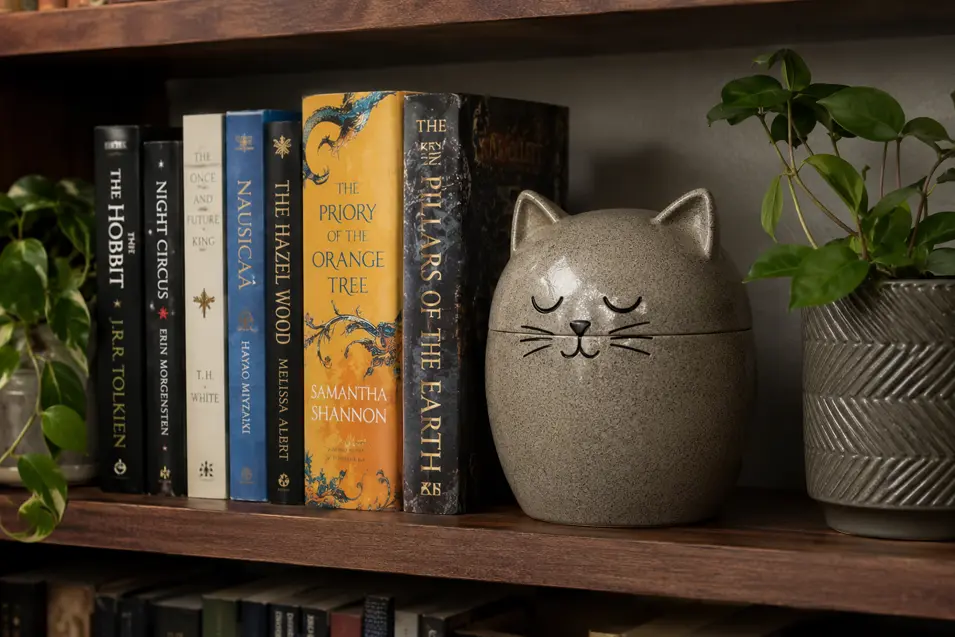

Saying goodbye to a beloved pet is one of the most difficult experiences a pet owner can face. In addition to coping with grief, families are often required to make important decisions about how they wish to honor their pet’s memory.
Two of the most common options are cremation and burial. While neither choice is inherently better than the other, each offers unique benefits, challenges, and memorial opportunities. The right decision ultimately depends on your family’s preferences, circumstances, budget, and emotional needs.
Understanding the differences between pet cremation and burial can help you make a thoughtful choice during an emotionally difficult time.
Understanding Pet Cremation
Pet cremation involves reducing a pet’s remains to ashes through a carefully controlled cremation process.
After cremation, the ashes are typically returned to the family in a container or urn, allowing owners to choose how they would like to memorialize their pet.
Types of Pet Cremation
Private Cremation
With private cremation, a single pet is cremated alone, and the ashes returned belong exclusively to that pet.
This option is often chosen by families who wish to keep their pet’s ashes.
Partitioned Cremation
Multiple pets are cremated at the same time, but separate chambers are used to reduce mixing of remains.
Communal Cremation
Several pets are cremated together, and ashes are not returned to individual owners.
This is often the most affordable cremation option.
Understanding Pet Burial
Pet burial involves laying a pet to rest in a designated location, either on private property where permitted or within a pet cemetery.
Many families find comfort in having a physical location they can visit and maintain over time.
Burial can be a deeply personal and meaningful way to honor a pet’s life.
Benefits of Pet Cremation
Flexibility
One of the greatest advantages of cremation is flexibility.
Families can:
- Keep ashes at home
- Place ashes in an urn
- Scatter ashes in a meaningful location where permitted
- Incorporate ashes into memorial jewelry
- Include ashes in a memorial garden
Space Requirements
Cremation does not require access to land or a burial site.
This can be particularly beneficial for:
- Apartment dwellers
- Renters
- Families who move frequently
Portability
Many pet owners appreciate being able to keep their pet’s ashes with them if they relocate.
A cherished memorial can move with the family rather than remaining tied to a specific location.
Memorial Options
Cremation offers a wide variety of memorial possibilities, including:
- Decorative urns
- Personalized keepsakes
- Memorial boxes
- Framed displays
- Ash-infused memorial items
Benefits of Pet Burial
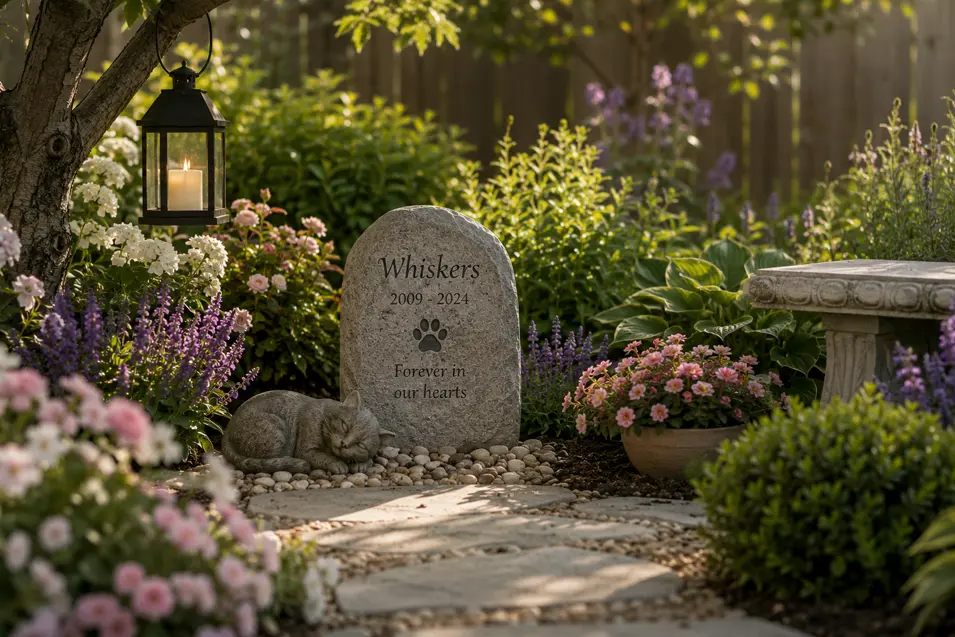
Permanent Resting Place
Burial provides a dedicated location where family members can visit, reflect, and remember their pet.
Many owners find comfort in having a physical gravesite.
Traditional Experience
For some families, burial feels more familiar and aligns with personal, cultural, or religious traditions.
Memorial Garden Opportunities
A burial site can become part of a larger memorial garden featuring:
- Flowers
- Trees
- Statues
- Memorial stones
- Personalized markers
These spaces often evolve into beautiful tributes over time.
Sense of Closure
For some individuals, participating in a burial ceremony can provide a meaningful sense of closure and healing.
Legal Considerations
Before choosing burial, it’s important to understand local regulations.
Some municipalities permit backyard pet burial, while others prohibit it or impose specific requirements.
Factors may include:
- Property ownership
- Distance from water sources
- Burial depth requirements
- Local zoning regulations
Always verify local laws before proceeding with a home burial.
Cremation facilities and veterinary clinics can often provide guidance regarding local regulations and available services.
Cost Comparison
Costs vary depending on location, pet size, and selected services.
Typical Burial Expenses
Potential costs may include:
- Pet cemetery fees
- Grave markers
- Burial containers
- Memorial landscaping
Home burial may be less expensive where permitted.
Typical Cremation Expenses
Potential costs may include:
- Cremation service fees
- Private or communal cremation options
- Urns or memorial containers
- Personalized keepsakes
Communal cremation is generally the most affordable option, while private cremation tends to cost more.
Emotional Considerations
There is no universally correct choice when deciding between cremation and burial.
Ask yourself:
- Do you want a physical place to visit?
- Would you like to keep your pet’s ashes nearby?
- Are you likely to move in the future?
- Do local regulations affect your options?
- What feels most comforting to your family?
The answers to these questions often help clarify which option feels right.
Memorializing Your Pet After Cremation or Burial
Regardless of the option you choose, there are many meaningful ways to honor your pet’s memory.
Popular memorial ideas include:
- Creating a memorial garden
- Displaying photographs
- Keeping a personalized urn
- Planting a tree in their memory
- Creating a memorial space at home
- Donating to an animal charity
- Creating a scrapbook or memory box
Many families find comfort in combining several memorial approaches.
Which Option Is Best?
The best choice is the one that brings the greatest sense of peace and comfort to your family.
Cremation offers flexibility, portability, and a wide variety of memorial options. Burial provides a permanent resting place and may feel more traditional for some families.
Both options allow pet owners to honor a beloved companion with dignity, respect, and love.
What matters most is choosing a path that reflects the bond you shared and helps support your healing process.
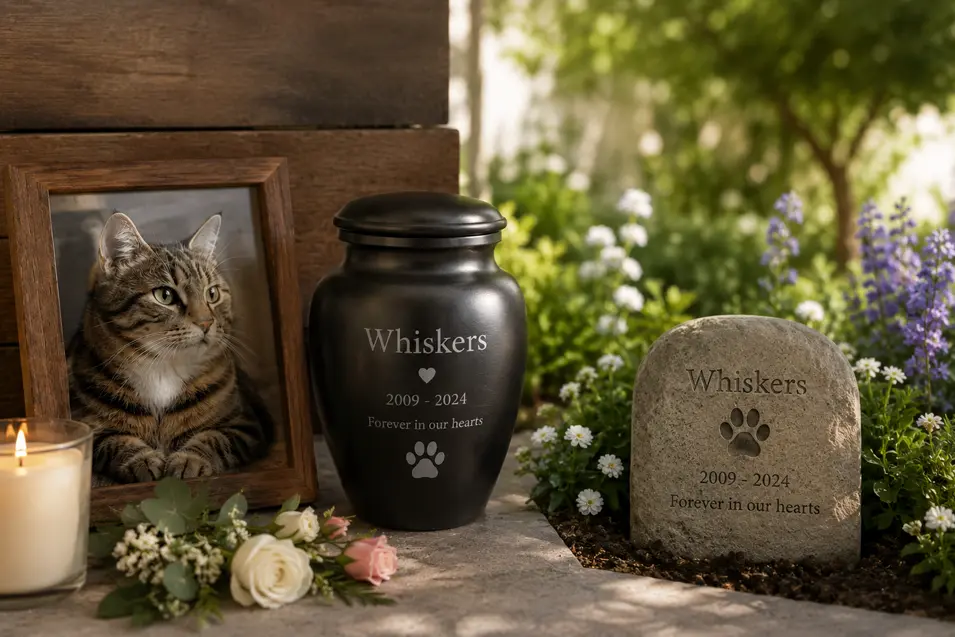
Related Reading
If you’re exploring ways to honor your pet’s memory, these resources may help:
- Meaningful Ways to Honor a Pet’s Memory
- Choosing an Urn for Your Dog or Cat’s Ashes: What to Consider
- Can You Bury a Pet in Your Backyard? What to Know Before You Decide
- Creating a Memorial Garden for a Beloved Pet: Ideas and Inspiration
- Creating a Pet Memorial Space in Your Home: Ideas for Remembering a Beloved Pet
These guides offer practical advice and inspiration for creating lasting tributes to a cherished companion.