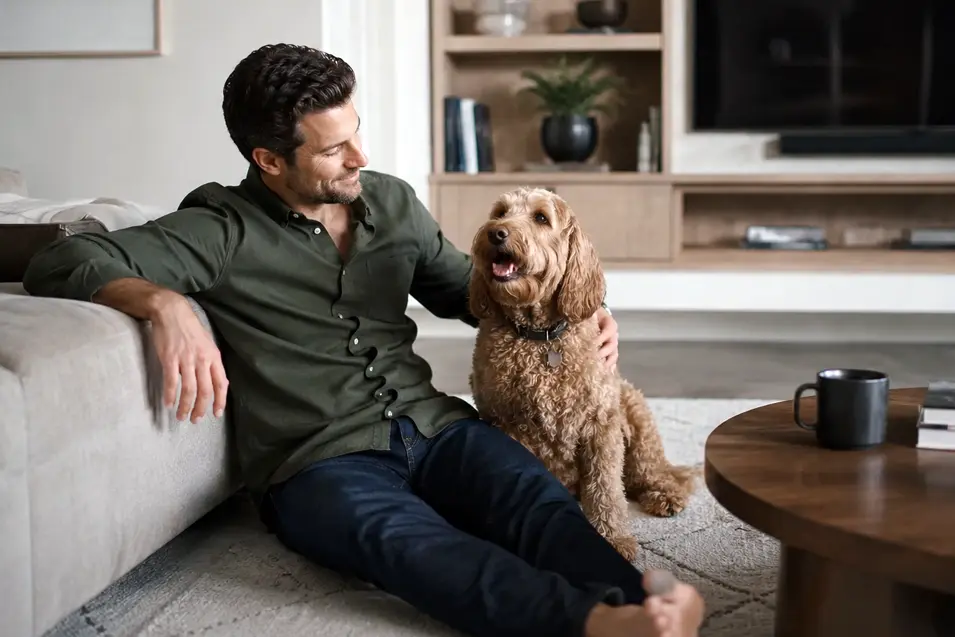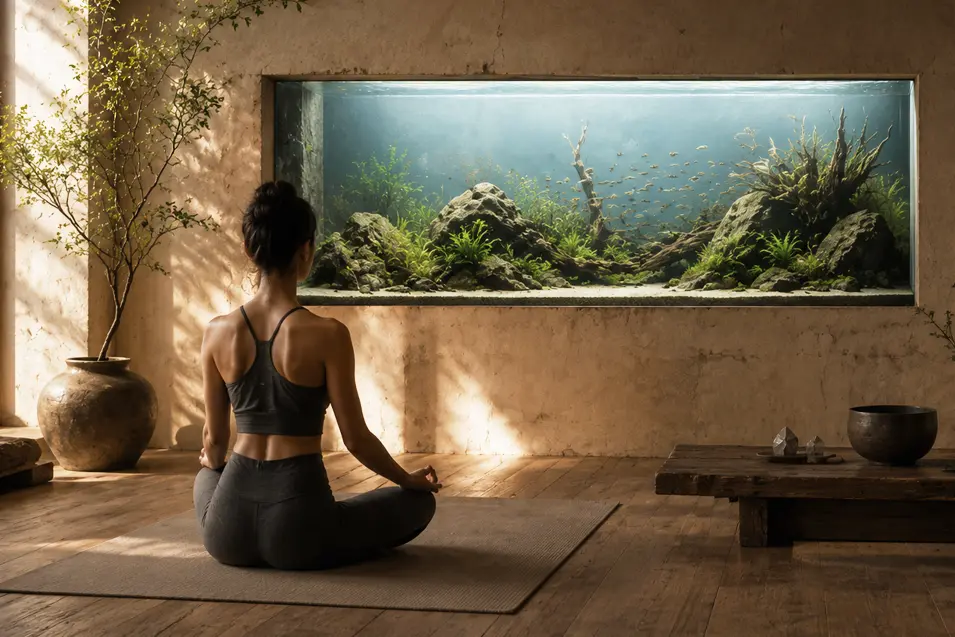
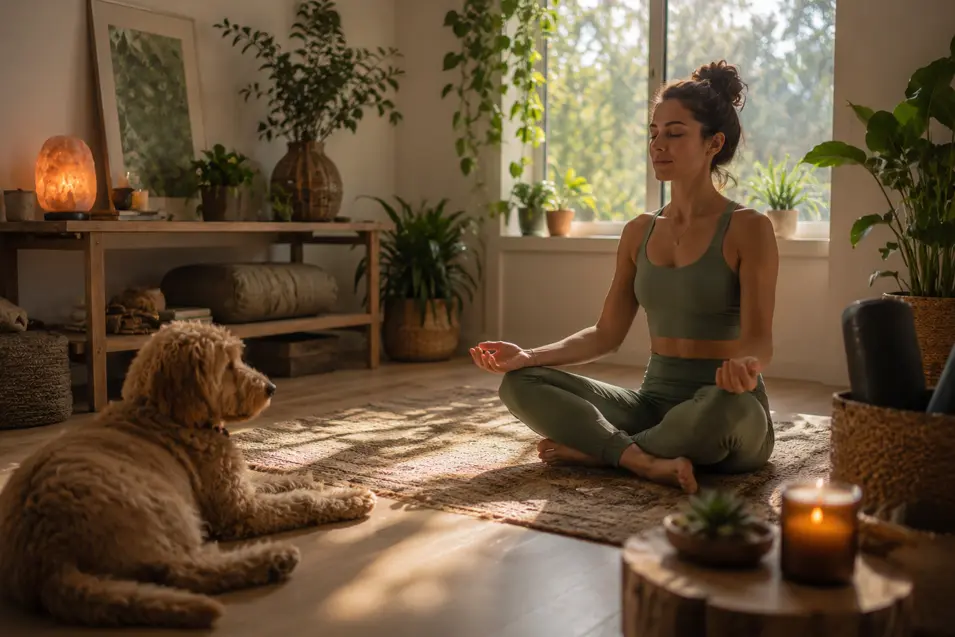
If you’ve ever sat quietly with a sleeping cat curled beside you or watched your dog peacefully rest at your feet, you’ve probably experienced the calming effect pets can have on our lives. While meditation is often viewed as a solitary practice, many pet owners find that their animals naturally become part of their mindfulness routines.
Pets live in the present moment. They don’t worry about tomorrow’s meeting, yesterday’s mistakes, or the endless notifications that demand our attention. Their ability to simply exist in the here and now is one of the reasons so many people find comfort in their companionship.
But can meditating with pets actually help reduce stress? For many people, the answer appears to be yes.
The Connection Between Pets and Stress Relief
Research has consistently shown that spending time with animals can have a positive effect on emotional well-being. Interacting with pets may help lower stress levels, reduce feelings of loneliness, and promote relaxation.
Many pet owners report feeling calmer after petting a cat, walking a dog, or simply spending quiet time together. The rhythmic sound of a cat’s purr or the steady breathing of a relaxed dog can create a naturally soothing environment that complements meditation practices.
While pets don’t meditate in the traditional sense, their presence can help create conditions that make mindfulness easier to achieve.
Why Pets Make Great Meditation Partners
One of the biggest challenges people face during meditation is quieting a busy mind. Pets often provide a gentle reminder to slow down and focus on the present.
Animals naturally encourage mindfulness because they:
- Live in the moment
- Respond to their environment without overthinking
- Appreciate simple experiences
- Offer non-judgmental companionship
- Create a sense of comfort and security
Watching your pet relax can serve as a reminder that it’s okay to pause and simply be present.
The Benefits of Meditating With Pets
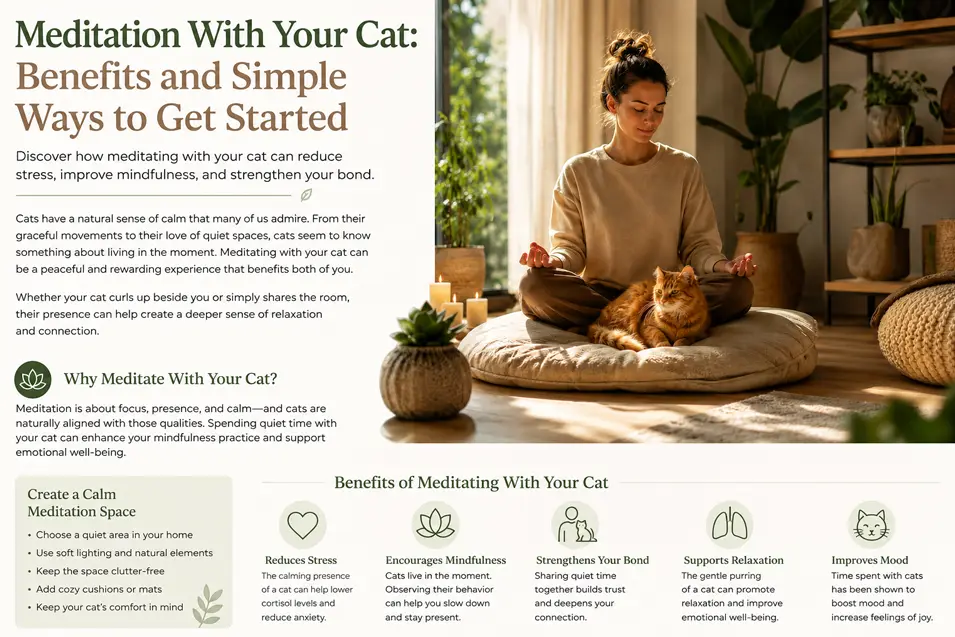
Reduced Stress and Anxiety
Many people find that having a pet nearby during meditation helps them feel more relaxed. Physical contact with a trusted animal can create a sense of comfort that makes it easier to let go of tension and focus on the present moment.
Improved Mindfulness
Pets naturally draw our attention to what’s happening right now. Observing their behavior, breathing, and relaxed body language can help reinforce mindfulness practices.
Stronger Human-Animal Bond
Shared quiet time creates opportunities for connection. Even if your pet is simply resting nearby, regular mindfulness sessions can strengthen your relationship and increase feelings of companionship.
Greater Consistency
Establishing a meditation habit can be difficult. Pets often thrive on routine, and incorporating them into your practice may make it easier to maintain a consistent schedule.
Enhanced Emotional Well-Being
Meditation and pet companionship both contribute to relaxation and emotional balance. Combining the two can create a positive wellness ritual that benefits both mind and body.
Cats and Meditation
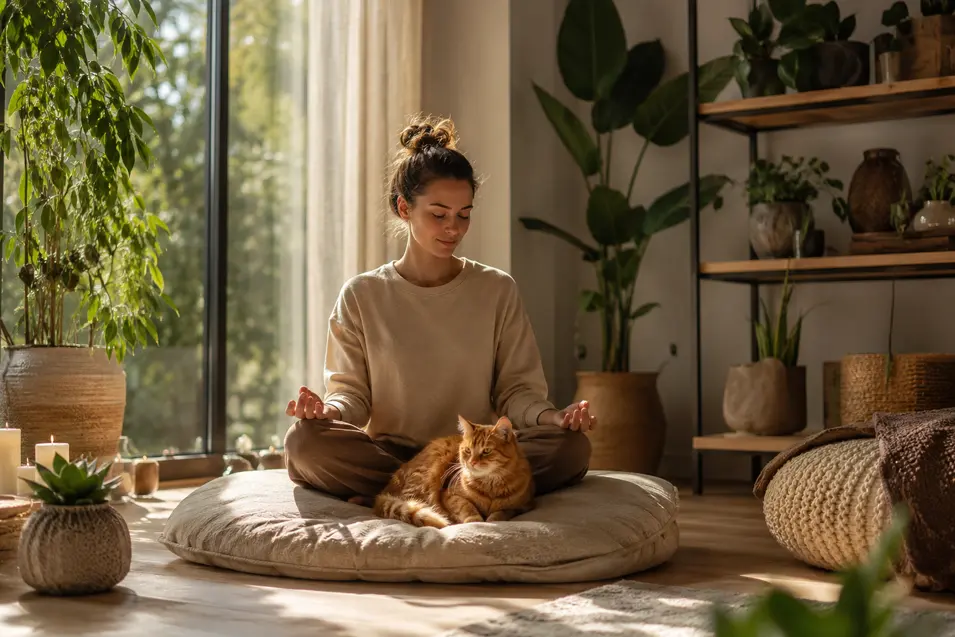
Cats seem particularly well-suited to meditation environments. They often seek out quiet spaces, enjoy calm routines, and naturally gravitate toward comfortable resting areas.
Many cat owners discover that their cats will:
- Sit nearby during meditation
- Curl up on cushions or blankets
- Purr while resting close by
- Remain calm in quiet environments
The gentle presence of a cat can help transform a meditation session into a peaceful shared experience.
Dogs and Meditation
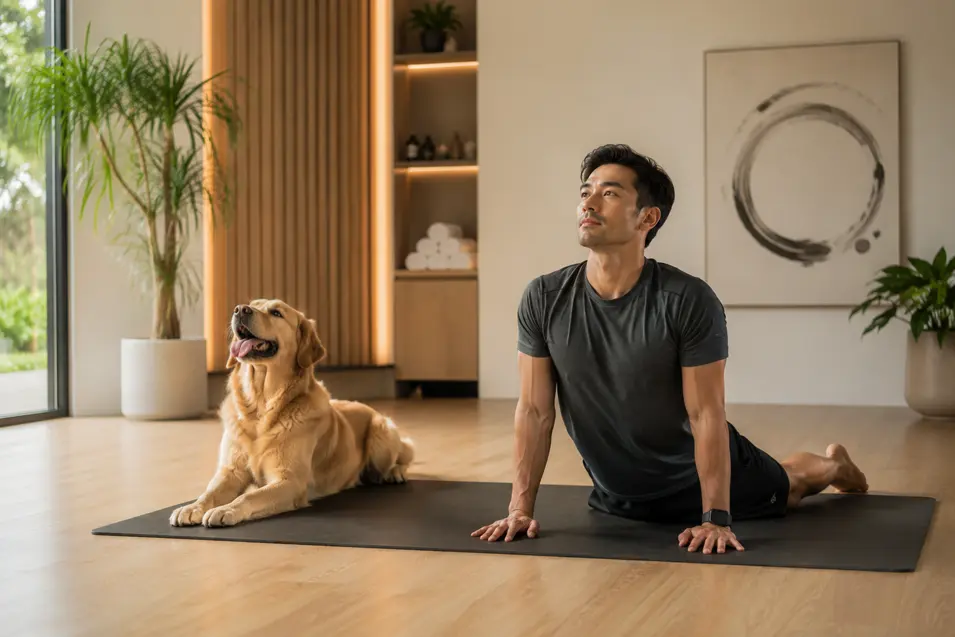
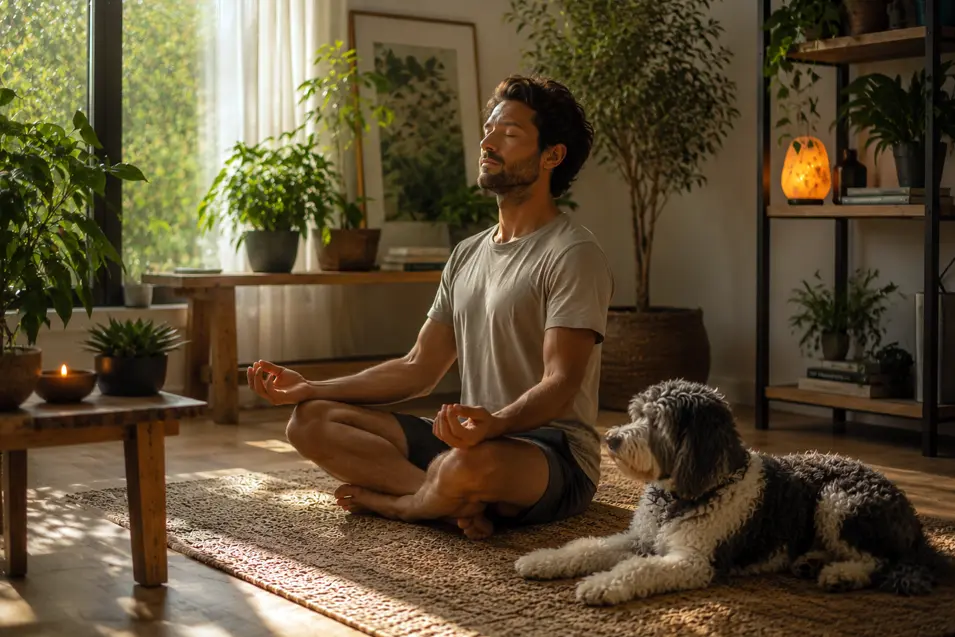
Dogs can also make excellent meditation companions, although their participation may look a little different.
Some dogs enjoy:
- Resting beside their owners
- Participating in breathing exercises through calm observation
- Relaxing after a walk
- Lying quietly during guided meditation sessions
For high-energy dogs, a short walk beforehand may help them settle into a calmer state.
Creating a Pet-Friendly Meditation Space
The environment you choose can significantly impact your meditation experience. Creating a comfortable, welcoming space for both you and your pet can encourage relaxation and consistency.
Consider including:
- Comfortable floor cushions or mats
- Soft natural lighting
- Indoor plants
- Cozy blankets
- Calming colors
- Minimal distractions
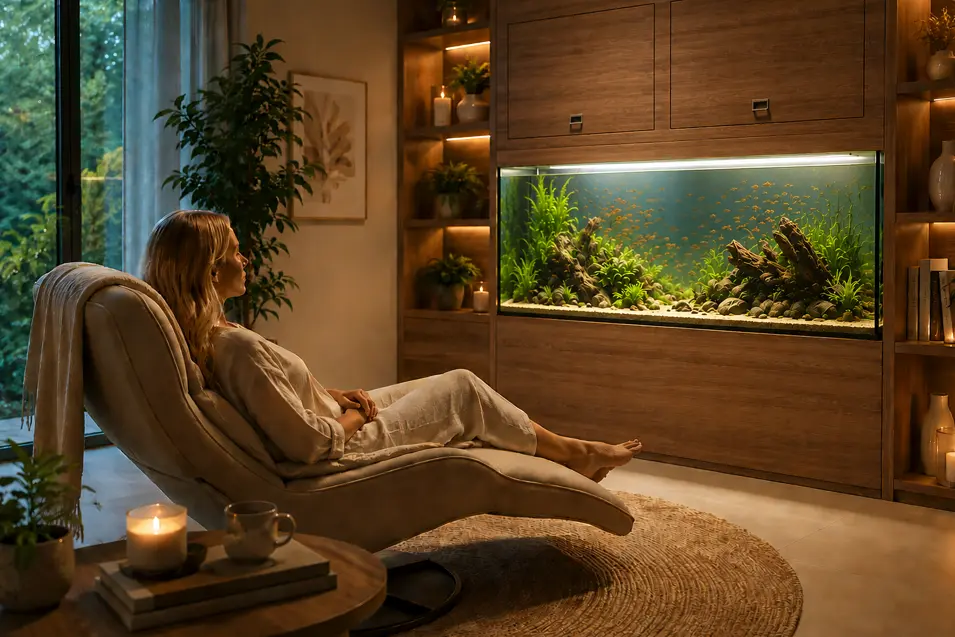
If you’ve recently created a dedicated wellness room in your home, it can serve as the perfect location for meditation sessions with your pet. A quiet wellness space provides an environment specifically designed for relaxation, mindfulness, and stress reduction while giving your pet a calm place to share the experience.
Simple Ways to Meditate With Your Pet
You don’t need special training or advanced meditation skills to begin.
Practice Quiet Breathing
Sit comfortably and focus on your breathing while your pet rests nearby. Notice the rhythm of your breath and the calm presence of your animal companion.
Observe Without Judgment
Spend a few minutes simply observing your pet’s behavior. Notice how they move, rest, and interact with their environment without rushing or overanalyzing.
Use Gentle Touch
If your pet enjoys affection, slowly petting them can become part of your mindfulness practice. Focus on the sensation and remain fully present.
Listen to the Sounds Around You
Pay attention to your pet’s breathing, purring, or gentle movements. These sounds can become natural anchors for mindfulness.
Respect Your Pet’s Preferences
Not every pet will want to participate in meditation sessions, and that’s perfectly normal.
Some animals may:
- Prefer to sleep elsewhere
- Become curious and wander away
- Lose interest after a few minutes
Allow your pet to engage on their own terms. The goal is to create a positive experience rather than force participation.
A Simple Path to Greater Calm
Meditation doesn’t require a silent mountaintop or a perfectly designed studio. Sometimes all it takes is a comfortable space, a few quiet moments, and the companionship of a beloved pet.
Whether you’re sitting with a purring cat, relaxing beside a sleeping dog, or simply sharing a peaceful room together, pets have a remarkable ability to help us slow down and appreciate the present moment.
In a world filled with constant distractions, that may be one of the greatest wellness benefits they provide.