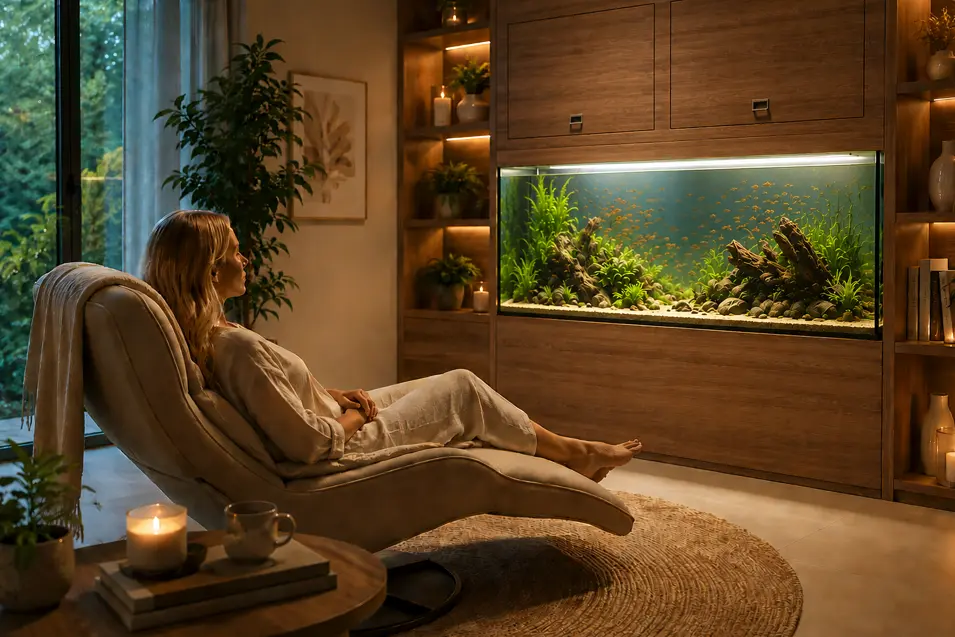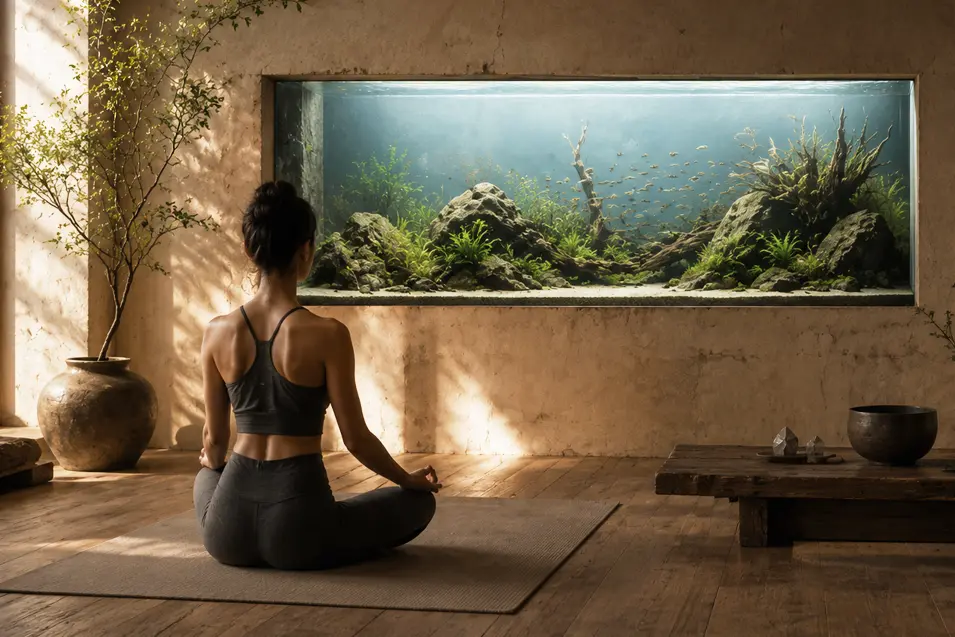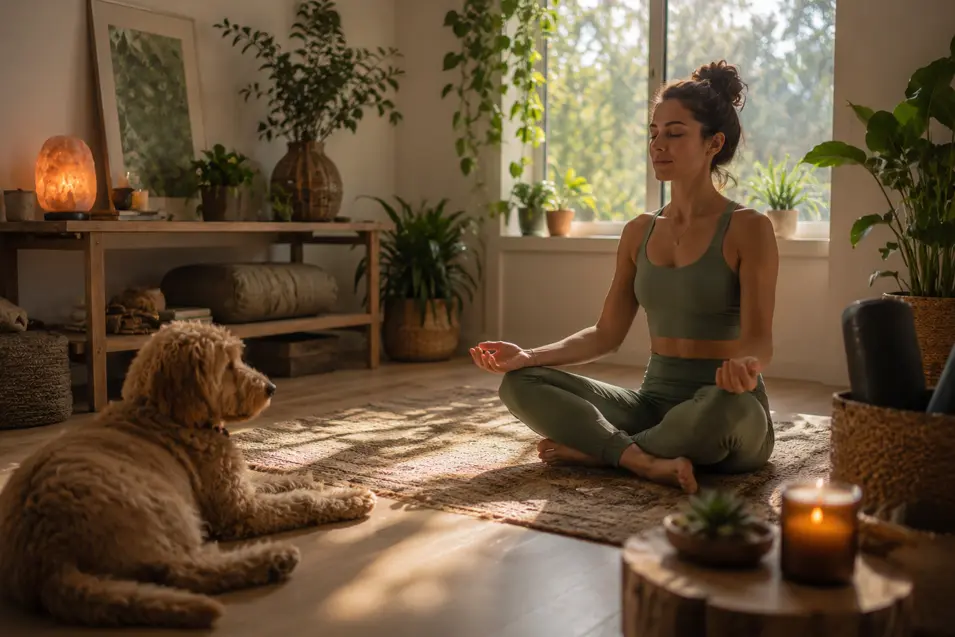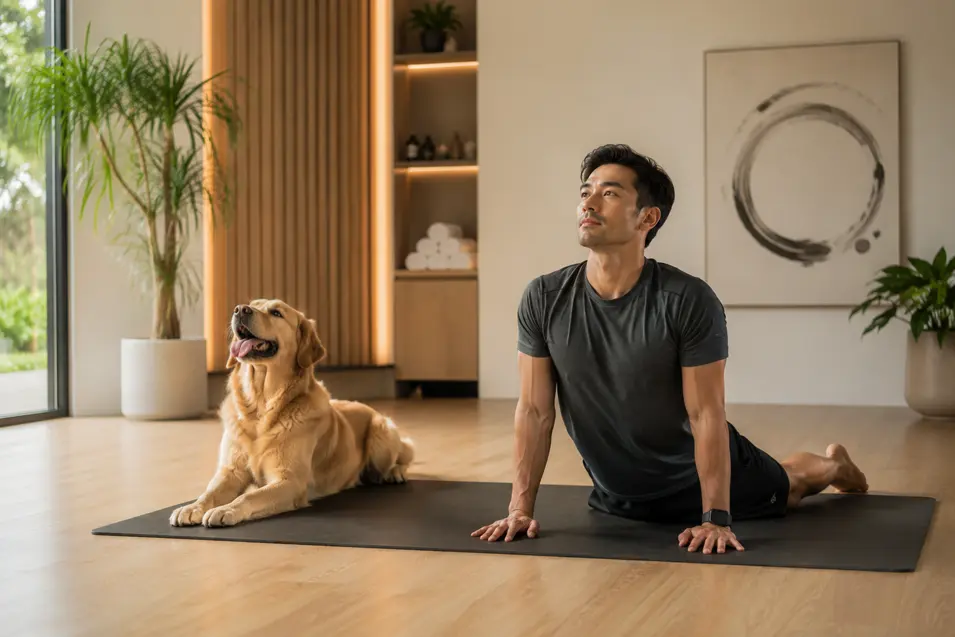
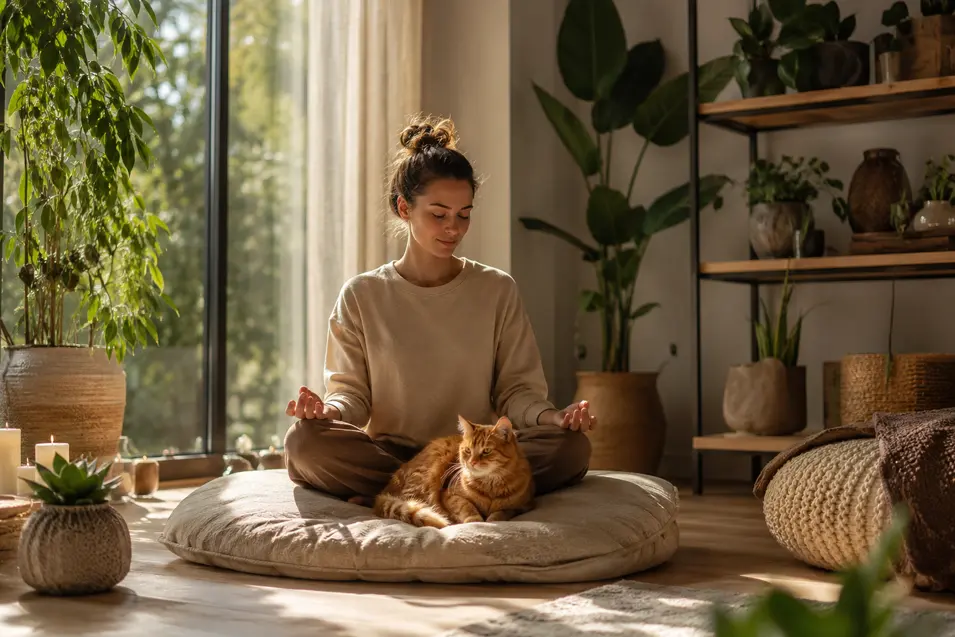
In today’s busy world, finding time to relax and recharge can feel like a luxury. Between work responsibilities, family obligations, technology, and endless to-do lists, many people struggle to prioritize their mental and physical well-being. Creating a wellness room at home can help. Whether you have an entire spare room or just a quiet corner, a dedicated wellness space can provide a peaceful retreat where you can focus on self-care, mindfulness, and relaxation.
A wellness room is designed to support your overall health by providing a calming environment free from distractions. From meditation and yoga to reading, journaling, and stress relief, a wellness room can become one of the most valuable spaces in your home.
What Is a Wellness Room?
A wellness room is a dedicated space designed to promote relaxation, physical health, emotional balance, and mental clarity. Unlike a traditional living room or home office, a wellness room is intentionally created to help you disconnect from daily stress and reconnect with yourself.
The room can be customized to fit your personal goals and lifestyle. Some people use wellness rooms for meditation and mindfulness, while others focus on fitness, creative hobbies, or simply having a quiet place to unwind.
Common wellness room activities include:
- Meditation
- Yoga and stretching
- Reading
- Journaling
- Breathwork exercises
- Massage and self-care routines
- Light workouts
- Creative activities
- Relaxation and reflection
Choose a Quiet Location
The first step is selecting the right space. Ideally, your wellness room should be located away from the busiest areas of the home. A spare bedroom, finished basement, sunroom, or unused office can work well.
If space is limited, consider converting part of a bedroom, living room, or even a large closet into a wellness corner. The goal is to create a dedicated area where you can relax without frequent interruptions.
Natural light is a major advantage. Rooms with large windows often feel more peaceful and inviting, helping improve mood and reduce stress.
Use Calming Colors
Color has a powerful effect on mood. Wellness spaces typically feature soft, neutral, and nature-inspired tones that encourage relaxation.
Popular wellness room colors include:
- Warm white
- Beige
- Taupe
- Sage green
- Soft blue
- Light gray
- Earthy brown tones
These colors create a soothing atmosphere that feels welcoming and restful. Bright, highly saturated colors can sometimes feel stimulating and may be better suited for active spaces elsewhere in the home.
Bring Nature Indoors
One of the easiest ways to create a calming environment is by incorporating natural elements. Many wellness-focused interiors use biophilic design principles, which emphasize a connection to nature.
Consider adding:
- Houseplants
- Natural wood furniture
- Stone accents
- Bamboo accessories
- Fresh flowers
- Water features
Plants not only enhance the appearance of a room but can also improve air quality and create a greater sense of tranquility.
Invest in Comfortable Seating
Your wellness room should encourage relaxation and comfort. Depending on how you plan to use the space, consider adding seating options such as:
- Meditation cushions
- Floor pillows
- Lounge chairs
- Recliners
- Daybeds
- Bean bags
- Window benches
Choose furniture that feels inviting and supports the activities you enjoy most.
Create a Technology-Free Environment
One of the greatest benefits of a wellness room is having a space where you can disconnect from constant digital distractions.
Consider limiting:
- Televisions
- Computers
- Work devices
- Social media notifications
- Excessive screen time
While some people may use guided meditation apps or calming music, the room should primarily encourage mindfulness rather than digital engagement.
Focus on Lighting
Lighting plays a critical role in creating a relaxing atmosphere. Whenever possible, maximize natural daylight during the day and use soft lighting in the evening.
Popular wellness room lighting options include:
- Dimmable fixtures
- Warm LED bulbs
- Table lamps
- Floor lamps
- Salt lamps
- Candles
- Accent lighting
Avoid harsh overhead lighting that can feel overly bright or clinical.
Add Wellness Tools and Accessories
Personalize your wellness room based on your interests and wellness goals. Helpful additions may include:
- Yoga mats
- Resistance bands
- Foam rollers
- Meditation cushions
- Essential oil diffusers
- Journals
- Inspirational books
- Sound machines
- Weighted blankets
Keeping these items organized and easily accessible makes it more likely that you’ll use the room regularly.
Reduce Clutter
A cluttered environment can make it difficult to relax and focus. Wellness rooms should feel organized, simple, and intentional.
Storage solutions may include:
- Baskets
- Floating shelves
- Storage benches
- Built-in cabinetry
- Decorative containers
Only keep items that serve a purpose or contribute to the calming atmosphere.
Incorporate Relaxing Scents
Aromatherapy can help enhance the wellness experience by creating a soothing sensory environment.
Popular scents include:
- Lavender
- Eucalyptus
- Chamomile
- Sandalwood
- Peppermint
- Citrus blends
Essential oil diffusers, candles, and natural room sprays can all help create a relaxing atmosphere.
Create a Space That Reflects You
There is no single formula for designing the perfect wellness room. The most effective wellness spaces are personalized to the people who use them.
You might include:
- Family photographs
- Meaningful artwork
- Inspirational quotes
- Favorite books
- Travel mementos
- Personal achievements
The room should feel like a sanctuary where you enjoy spending time and caring for your well-being.
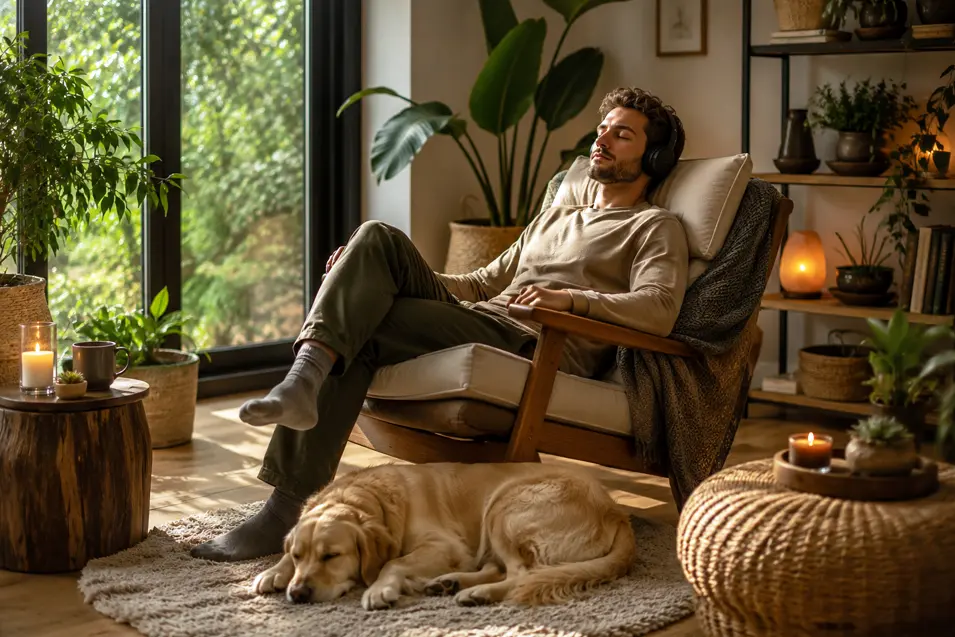
The Benefits of a Home Wellness Room
A thoughtfully designed wellness room can support healthier habits and improve overall quality of life. Regular use may help reduce stress, improve focus, encourage relaxation, and create opportunities for mindfulness throughout the day.
As more people prioritize self-care and work-life balance, wellness rooms are becoming an increasingly popular addition to modern homes. Whether your space is large or small, creating a dedicated retreat can provide lasting benefits for both your physical and mental health.
By combining calming colors, natural materials, comfortable furnishings, and purposeful design, you can create a wellness room that helps you recharge, refocus, and feel your best every day.