Choosing an interior design style can feel overwhelming. With countless trends, colors, furniture options, and decorating ideas available, many homeowners struggle to define the look they want. Whether you’re redecorating a single room or planning a complete home makeover, understanding the most popular interior design styles can help you create a cohesive and inviting space.
From sleek modern interiors to cozy farmhouse charm, these are the most popular interior design styles ranked based on their widespread appeal, versatility, and staying power.
Industrial design emerged from converted warehouses and urban lofts. It embraces raw materials, exposed structural elements, and a rugged aesthetic.
Key Features
- Exposed brick walls
- Metal fixtures
- Concrete surfaces
- Open floor plans
- Neutral color palettes
Pros
- Unique and distinctive appearance
- Durable materials
- Easy to maintain
Cons
- Can feel cold or unfinished
- Not ideal for those seeking warmth and softness
Best For
Urban lofts, apartments, and homeowners who appreciate a modern, edgy look.
Inspired by seaside living, coastal design creates bright, airy spaces that feel relaxed and welcoming.
Key Features
- White and soft blue color palettes
- Natural fibers and textures
- Plenty of natural light
- Casual, comfortable furnishings
Pros
- Creates a calming atmosphere
- Makes spaces feel larger and brighter
Cons
- Can become overly themed if not executed carefully
Best For
Beach homes, vacation properties, and anyone who loves a relaxed lifestyle.
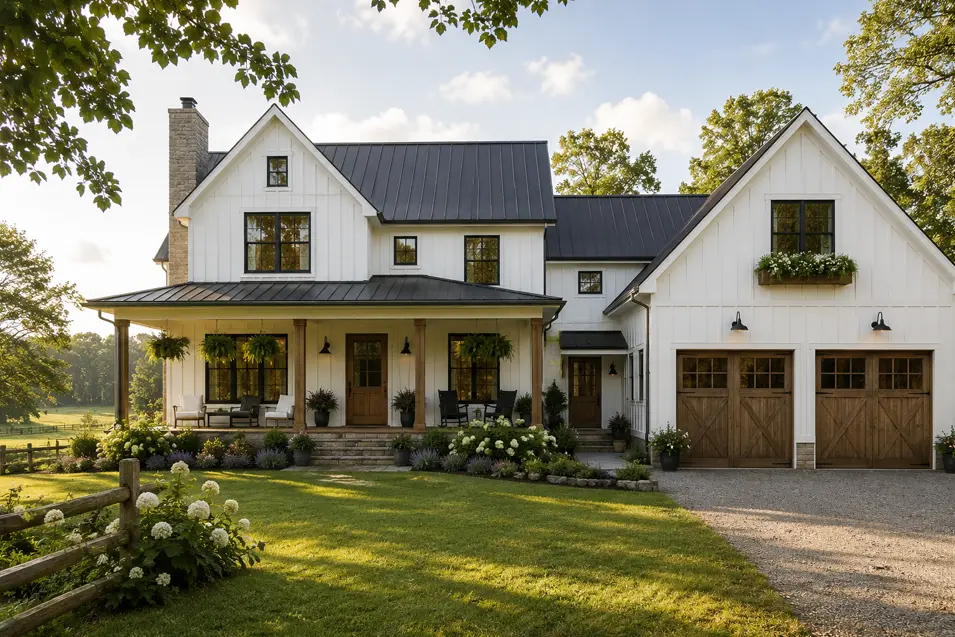
Farmhouse design remains one of the most recognizable decorating trends thanks to its warmth and comfort.
Key Features
- Rustic wood finishes
- Shiplap walls
- Vintage-inspired decor
- Neutral colors
- Comfortable furniture
Pros
- Cozy and inviting
- Family-friendly
Cons
- Some farmhouse trends may feel dated over time
Best For
Families and homeowners seeking a welcoming, lived-in feel.
Traditional design draws inspiration from classic European decor and timeless furnishings.
Key Features
- Rich wood tones
- Symmetrical layouts
- Elegant furniture
- Detailed moldings
- Classic patterns
Pros
- Timeless appearance
- Sophisticated and refined
Cons
- Can feel formal or outdated if overdone
Best For
Those who appreciate classic elegance and enduring style.
Bohemian, or “Boho,” style celebrates creativity, individuality, and personal expression.
Key Features
- Layered textiles
- Eclectic furnishings
- Vibrant colors
- Global influences
- Mixed patterns
Pros
- Highly personalized
- Warm and inviting
Cons
- Can appear cluttered without careful planning
Best For
Creative individuals who enjoy collecting meaningful pieces and showcasing their personality.
Mid-century modern design continues to be one of the most sought-after decorating styles decades after its introduction.
Key Features
- Clean lines
- Organic shapes
- Functional furniture
- Warm wood tones
- Minimal ornamentation
Pros
- Timeless appeal
- Works well in both large and small spaces
Cons
- Authentic vintage pieces can be expensive
Best For
Homeowners who appreciate simplicity, functionality, and iconic design.
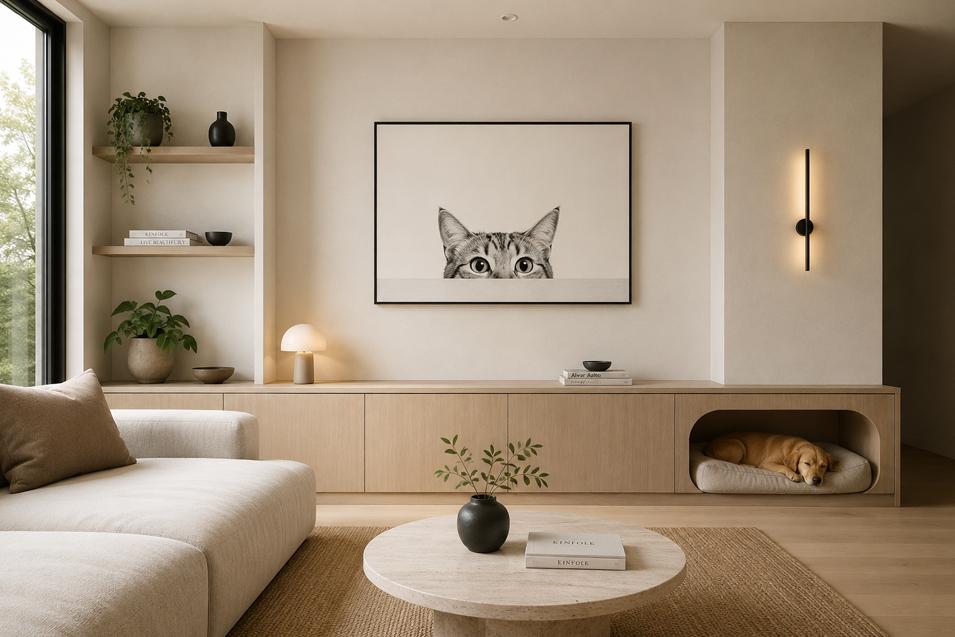
Scandinavian design focuses on simplicity, comfort, and functionality.
Key Features
- Light color palettes
- Minimalist furniture
- Natural materials
- Clean lines
- Functional layouts
Pros
- Makes rooms feel spacious
- Easy to maintain
Cons
- May feel too minimal for some tastes
Best For
People who value simplicity, organization, and a clutter-free environment.
Contemporary design reflects current trends while maintaining a sophisticated and streamlined appearance.
Key Features
- Open spaces
- Neutral colors
- Mixed materials
- Sleek furnishings
- Minimal clutter
Pros
- Stylish and adaptable
- Evolves with changing trends
Cons
- Trends can become outdated more quickly
Best For
Homeowners who enjoy modern aesthetics and current design trends.
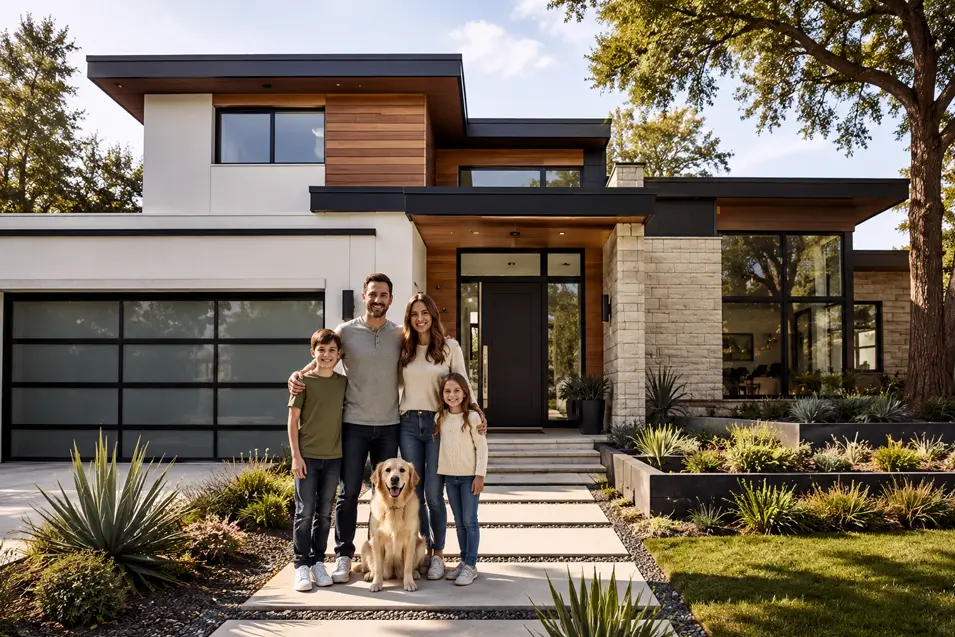
Modern design prioritizes simplicity, clean lines, and functional living spaces.
Key Features
- Neutral color schemes
- Minimal decor
- Open floor plans
- Large windows
- Streamlined furniture
Pros
- Clean and uncluttered appearance
- Easy to maintain
Cons
- Can feel sterile if not balanced with texture and warmth
Best For
Those who prefer simplicity and a polished, contemporary look.
Transitional design has become the most popular interior design style because it blends the best elements of traditional and modern decorating.
Key Features
- Neutral color palettes
- Mix of classic and contemporary furnishings
- Clean lines with comfortable details
- Layered textures
- Timeless appeal
Pros
- Extremely versatile
- Appeals to a wide range of tastes
- Excellent for resale value
Cons
- Requires balance to avoid looking generic
Best For
Homeowners who want a timeless, elegant space that won’t feel dated in a few years.
How to Identify Your Personal Design Style
If you’re unsure which style fits you best, ask yourself these questions:
What Rooms Do You Save Most Often?
Browse Pinterest, Instagram, or home design websites and look for recurring themes in the rooms you save.
What Furniture Are You Naturally Drawn To?
Your furniture preferences often reveal your underlying design style.
How Do You Live?
Families with children may prioritize comfort and durability, while empty nesters may prefer a more refined aesthetic.
What Atmosphere Do You Want to Create?
Consider whether you want your home to feel cozy, sophisticated, relaxed, energetic, or minimalist.
Final Thoughts
The best interior design style is ultimately the one that reflects your personality and lifestyle. While trends come and go, choosing a style that makes you feel comfortable and happy in your space will always be the right decision.
For many homeowners, transitional design offers the ideal balance of timeless elegance and modern simplicity. However, whether you’re drawn to the relaxed feel of coastal design, the warmth of farmhouse decor, or the clean lines of Scandinavian interiors, understanding these popular styles can help you create a home you’ll love for years to come.
Which Interior Design Style Is Most Popular Right Now?
Transitional design remains one of the most popular interior design styles in 2026 because it blends the warmth of traditional decor with the clean lines of modern design. Many homeowners are also incorporating Scandinavian influences, natural materials, and minimalist elements to create comfortable, timeless spaces that feel both stylish and functional.