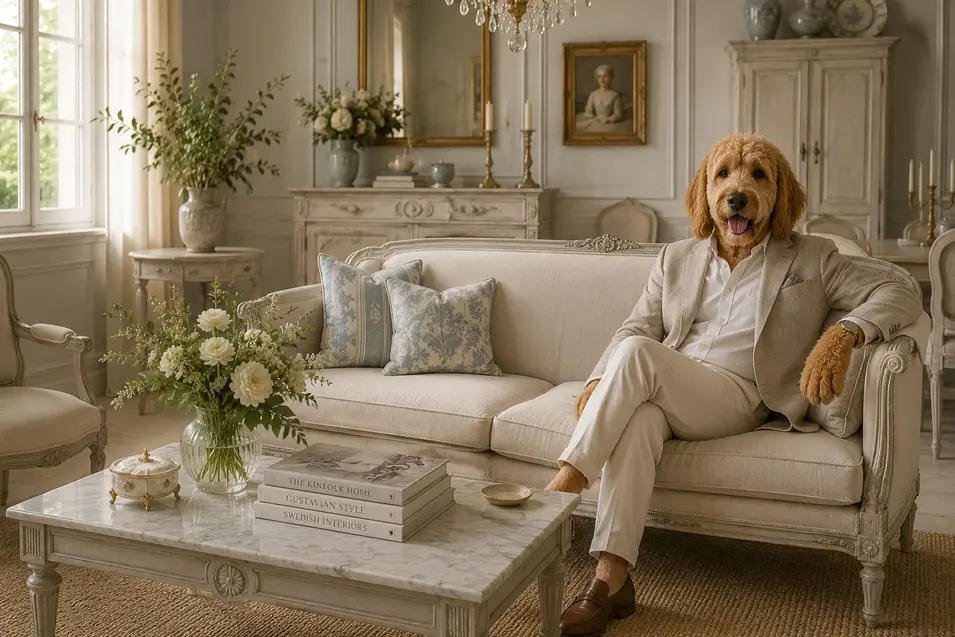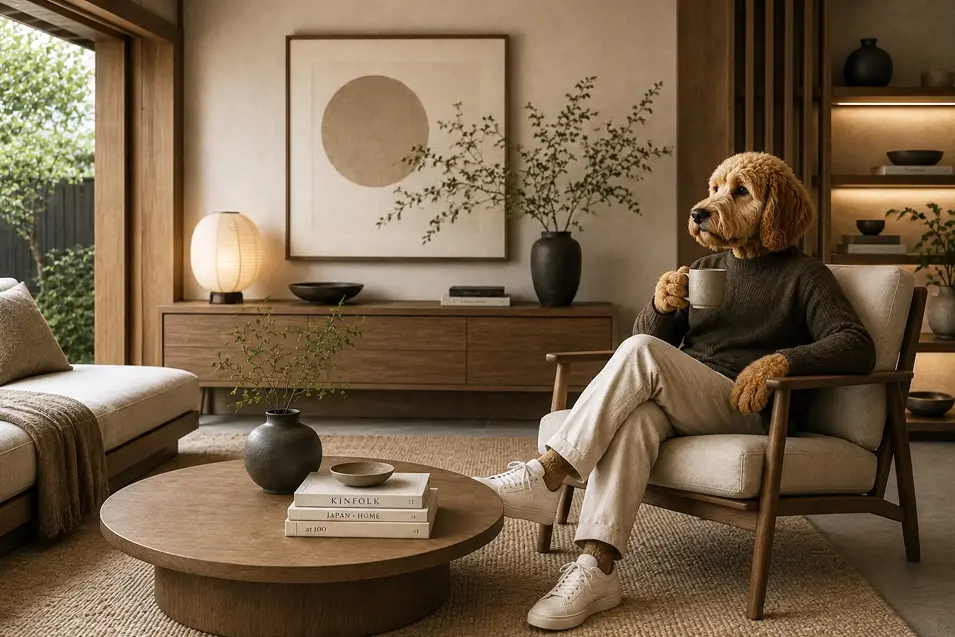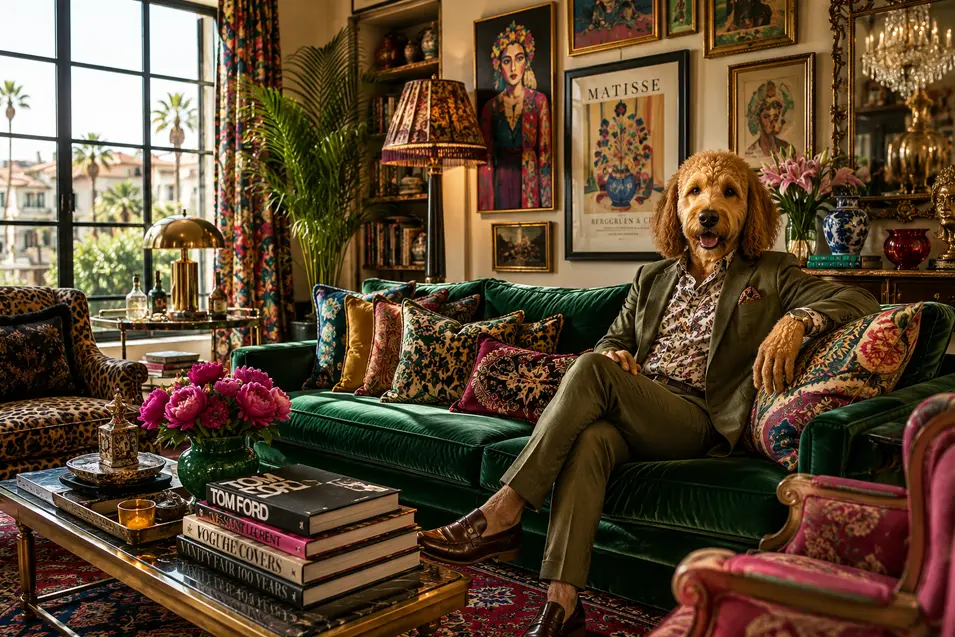
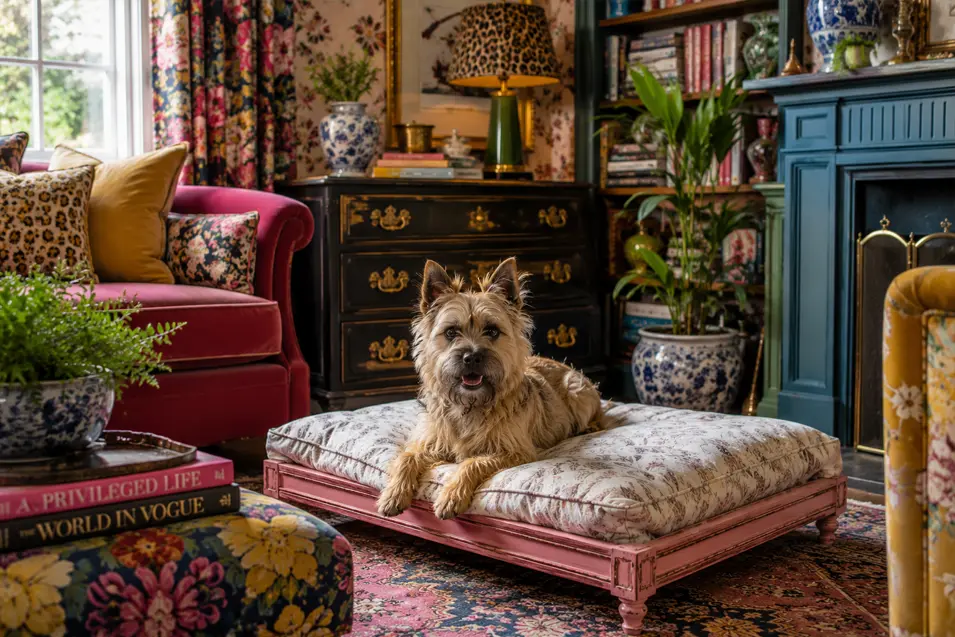
Choosing an interior design style can be challenging, especially when many popular decorating styles share similar colors, materials, and design principles. Scandinavian and Japandi interiors both embrace simplicity. Traditional and Transitional spaces often appear similar at first glance. Even experienced design enthusiasts can struggle to distinguish between styles like Bohemian and Eclectic or Farmhouse and Modern Farmhouse.
That’s where side-by-side comparisons can help.
This guide brings together our collection of interior design style comparisons, helping you understand the defining characteristics, similarities, and differences between popular decorating styles. Whether you’re furnishing a new home, renovating a room, or simply exploring design inspiration, these comparisons can help you identify the style that best reflects your personality and lifestyle.
Scandinavian & Nordic Style Comparisons
Japandi vs. Scandinavian Design: What’s the Difference?
Both styles embrace simplicity, natural materials, and uncluttered spaces, but Japandi incorporates Japanese influences while Scandinavian design emphasizes Nordic comfort and hygge.
Gustavian vs. Scandinavian Design: What’s the Difference?
While both styles originate from Nordic traditions, Gustavian interiors feature classical European influences and elegant detailing, whereas Scandinavian design favors modern simplicity.
Scandinavian vs. Minimalist Design: What’s the Difference?
Scandinavian design balances simplicity with warmth and comfort, while Minimalist interiors focus on reducing visual clutter and embracing only essential elements.
Japandi vs. Minimalist Design: What’s the Difference?
Both styles celebrate simplicity, but Japandi introduces warmth, craftsmanship, and natural textures that create a softer, more welcoming atmosphere.
Gustavian vs. Japandi Design: What’s the Difference?
Gustavian interiors draw inspiration from 18th-century European elegance, while Japandi combines Japanese and Scandinavian influences for a modern, minimalist aesthetic.
Gustavian vs. Traditional Design: What’s the Difference?
Both styles value timeless furnishings and craftsmanship, but Gustavian design features lighter palettes and Scandinavian restraint compared to Traditional interiors.
Traditional & Classic Style Comparisons
Traditional vs. Transitional Design: What’s the Difference?
Traditional design celebrates classic furnishings and decorative details, while Transitional interiors blend traditional comfort with contemporary simplicity.
French Country vs. English Cottage Design: What’s the Difference?
Both styles create inviting homes filled with character, but French Country leans toward rustic elegance while English Cottage embraces cozy, collected charm.
Art Deco vs. Regency Design: What’s the Difference?
Art Deco emphasizes bold geometry and glamour, while Regency interiors draw inspiration from classical architecture and refined historical elegance.
Traditional vs. French Country Design: What’s the Difference?
Traditional interiors prioritize symmetry and formality, while French Country introduces rustic textures, softer lines, and provincial charm.
Traditional vs. Southern Traditional Design: What’s the Difference?
Southern Traditional builds upon classic Traditional design with a greater emphasis on hospitality, comfort, and regional influences.
Regency vs. Traditional Design: What’s the Difference?
Both styles value elegance and craftsmanship, but Regency interiors feature more classical influences and decorative sophistication.
English Cottage vs. Southern Traditional Design: What’s the Difference?
English Cottage interiors feel intimate and layered, while Southern Traditional spaces emphasize gracious entertaining and timeless refinement.
Coastal & Lifestyle Style Comparisons
Coastal vs. California Coastal Design: What’s the Difference?
Coastal design embraces classic beach-inspired décor, while California Coastal combines seaside influences with a more modern and sophisticated aesthetic.
Coastal vs. Mediterranean Design: What’s the Difference?
Both styles promote relaxed living, but Mediterranean interiors feature warmer colors, textured finishes, and Old World influences.
California Coastal vs. Palm Beach Design: What’s the Difference?
California Coastal favors understated elegance and natural materials, while Palm Beach interiors embrace tropical luxury and vibrant color.
Coastal vs. Palm Beach Design: What’s the Difference?
Coastal style is relaxed and breezy, while Palm Beach adds a layer of sophistication through bold patterns, tropical accents, and upscale finishes.
Mediterranean vs. Palm Beach Design: What’s the Difference?
Mediterranean design draws inspiration from European coastal regions, while Palm Beach style reflects the glamour and energy of tropical resort living.
California Coastal vs. Mediterranean Design: What’s the Difference?
California Coastal emphasizes light-filled minimalism, while Mediterranean interiors focus on warmth, texture, and traditional architectural details.
Farmhouse & Rustic Style Comparisons
Farmhouse vs. Modern Farmhouse Design: What’s the Difference?
Modern Farmhouse updates traditional farmhouse elements with cleaner lines and contemporary finishes while preserving warmth and comfort.
Rustic vs. Alpine Chic Design: What’s the Difference?
Rustic design celebrates rugged natural materials, while Alpine Chic combines mountain-lodge comfort with elevated luxury.
Rustic vs. Farmhouse Design: What’s the Difference?
Both styles embrace natural materials, but Rustic interiors feel more rugged and organic while Farmhouse spaces prioritize practicality and charm.
Modern Farmhouse vs. Rustic Design: What’s the Difference?
Modern Farmhouse balances rustic influences with contemporary design, while Rustic interiors maintain a stronger connection to raw natural elements.
Farmhouse vs. English Cottage Design: What’s the Difference?
Farmhouse design emphasizes simplicity and function, while English Cottage interiors feature layered décor and storybook charm.
Alpine Chic vs. Modern Farmhouse Design: What’s the Difference?
Alpine Chic focuses on luxury mountain living, while Modern Farmhouse combines country-inspired comfort with contemporary sophistication.
Industrial & Urban Style Comparisons
Industrial vs. Neo-Industrial Design: What’s the Difference?
Neo-Industrial refines traditional industrial design with elevated finishes and contemporary furnishings while retaining urban character.
Industrial vs. Contemporary Design: What’s the Difference?
Industrial interiors highlight raw architectural elements, while Contemporary design reflects current trends and polished sophistication.
Neo-Industrial vs. Contemporary Design: What’s the Difference?
Both styles feel modern, but Neo-Industrial incorporates exposed materials and urban influences that Contemporary spaces may not.
Industrial vs. Modern Design: What’s the Difference?
Industrial design embraces warehouse-inspired materials, while Modern design focuses on clean lines and functional simplicity.
Neo-Industrial vs. Minimalist Design: What’s the Difference?
Neo-Industrial interiors add texture and urban character, while Minimalist spaces prioritize simplicity and visual restraint.
Modern Style Comparisons
Contemporary vs. Minimalist Design: What’s the Difference?
Contemporary design evolves with current trends, while Minimalism focuses on simplicity, function, and reducing excess.
Contemporary vs. Modern Design: What’s the Difference?
Modern design refers to a specific design movement, while Contemporary design continuously evolves to reflect current styles.
Mid-Century Modern vs. Scandinavian Design: What’s the Difference?
Both styles value functionality and simplicity, but Mid-Century Modern features iconic furniture silhouettes and stronger geometric influences.
Mid-Century Modern vs. Contemporary Design: What’s the Difference?
Mid-Century Modern reflects a distinct historical design era, while Contemporary interiors are shaped by today’s evolving trends.
Minimalist vs. Japandi Design: What’s the Difference?
Minimalism prioritizes simplicity above all else, while Japandi incorporates warmth, texture, and handcrafted elements.
Contemporary vs. Transitional Design: What’s the Difference?
Contemporary design embraces current trends, while Transitional interiors balance traditional and modern influences.
Scandinavian vs. Contemporary Design: What’s the Difference?
Scandinavian design follows Nordic principles of comfort and simplicity, while Contemporary spaces evolve with changing design preferences.
Mid-Century Modern vs. Minimalist Design: What’s the Difference?
Both styles embrace clean lines, but Mid-Century Modern introduces warmer materials and iconic furniture forms.
Contemporary vs. California Coastal Design: What’s the Difference?
Contemporary interiors prioritize modern sophistication, while California Coastal spaces blend elegance with relaxed beach-inspired living.
Creative & Expressive Style Comparisons
Bohemian vs. Eclectic Design: What’s the Difference?
Bohemian interiors embrace free-spirited layering and global influences, while Eclectic design intentionally combines multiple styles into a cohesive whole.
Maximalist vs. Minimalist Design: What’s the Difference?
Minimalism celebrates simplicity and restraint, while Maximalism embraces bold color, layered décor, and visual abundance.
Eclectic vs. Maximalist Design: What’s the Difference?
Both styles encourage self-expression, but Eclectic interiors rely on balance while Maximalist spaces celebrate excess.
Bohemian vs. Maximalist Design: What’s the Difference?
Bohemian style emphasizes relaxed, collected living, while Maximalism embraces bold statements and dramatic visual impact.
Memphis vs. Maximalist Design: What’s the Difference?
Both styles embrace bold color and personality, but Memphis design incorporates distinctive geometric forms and playful patterns.
Eclectic vs. Memphis Design: What’s the Difference?
Eclectic interiors blend diverse influences, while Memphis style follows a recognizable design movement known for vibrant graphics and bold shapes.
Bohemian vs. Memphis Design: What’s the Difference?
Bohemian design favors organic textures and global influences, while Memphis interiors embrace bold geometry and vibrant color.
Art Deco vs. Maximalist Design: What’s the Difference?
Art Deco celebrates luxury through symmetry and glamour, while Maximalism encourages expressive layering and creative abundance.
Nature-Inspired Style Comparisons
Biophilic vs. Scandinavian Design: What’s the Difference?
Both styles embrace natural materials, but Biophilic design focuses specifically on strengthening the connection between people and nature.
Biophilic vs. Japandi Design: What’s the Difference?
Biophilic interiors prioritize natural elements and greenery, while Japandi focuses on simplicity, balance, and craftsmanship.
Biophilic vs. Minimalist Design: What’s the Difference?
Minimalist spaces reduce visual clutter, while Biophilic design introduces natural forms, textures, and living elements.
Biophilic vs. California Coastal Design: What’s the Difference?
Both styles create calming environments, but Biophilic design centers on nature integration while California Coastal draws inspiration from seaside living.
Specialty Style Comparisons
Americana vs. Farmhouse Design: What’s the Difference?
Both styles celebrate comfort and tradition, but Americana incorporates patriotic influences and heritage-inspired details.
Americana vs. Traditional Design: What’s the Difference?
Americana reflects classic American design traditions, while Traditional interiors draw from broader European influences.
Palm Beach vs. Art Deco Design: What’s the Difference?
Palm Beach combines tropical luxury with vibrant color, while Art Deco emphasizes geometric glamour and sophistication.
Southern Traditional vs. Traditional Design: What’s the Difference?
Southern Traditional adds warmth, hospitality, and regional charm to the classic principles of Traditional design.
California Coastal vs. Modern Farmhouse Design: What’s the Difference?
California Coastal emphasizes breezy elegance and natural textures, while Modern Farmhouse blends rustic charm with contemporary comfort.
Mid-Century Modern vs. Art Deco Design: What’s the Difference?
Art Deco celebrates glamour and ornamentation, while Mid-Century Modern prioritizes function, simplicity, and organic forms.
Gustavian vs. French Country Design: What’s the Difference?
Both styles feel timeless and elegant, but Gustavian interiors are lighter and more restrained while French Country spaces embrace rustic warmth.
Why Compare Interior Design Styles?
Many homeowners discover their preferred design style by comparing similar aesthetics side by side. Understanding the subtle differences between styles can help you make more confident decorating decisions, choose furnishings that align with your vision, and create a home that feels authentic to your personality.
These comparisons are designed to simplify the decision-making process by highlighting key characteristics, common misconceptions, and practical decorating considerations. They can also help you identify opportunities to blend styles in a way that feels intentional and cohesive.
Explore More Interior Design Inspiration
Ready to dive deeper? Visit our complete Interior Design Styles A–Z Guide to explore individual style guides, decorating inspiration, pet-friendly design ideas, and room-by-room examples for every design style featured in this collection.