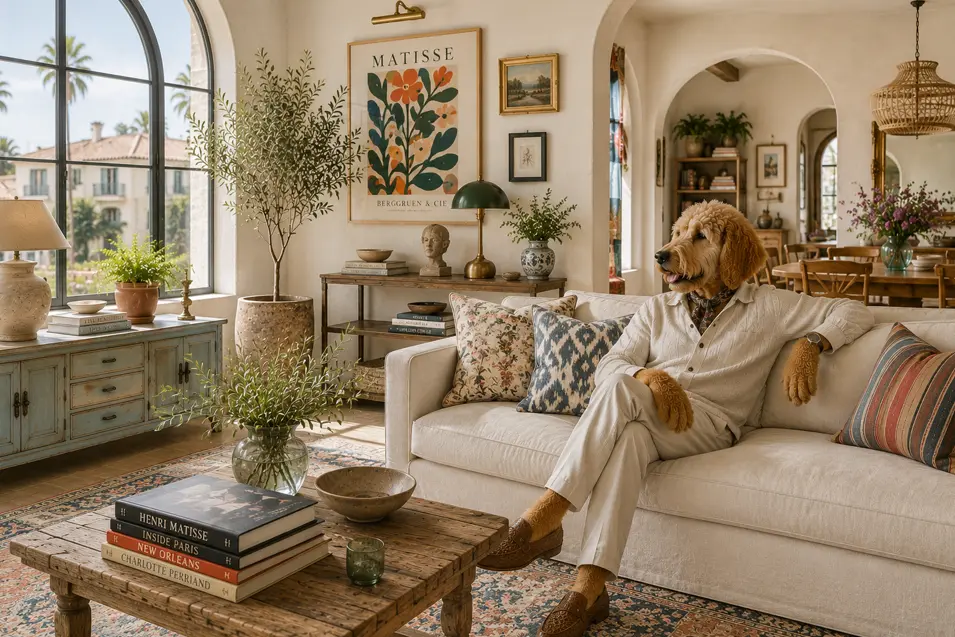
French Country style combines the warmth of rural living with the elegance of classic European design. Inspired by the countryside of Provence and other regions of France, this timeless aesthetic blends rustic materials, graceful furnishings, soft colors, and refined details to create homes that feel both sophisticated and welcoming.
Unlike highly formal traditional interiors, French Country design embraces comfort and lived-in beauty. Distressed wood, natural stone, antique-inspired furnishings, and soft textiles create spaces that feel collected over time rather than carefully staged.
The result is a home filled with charm, character, and a sense of effortless elegance that never goes out of style.
The Origins of French Country Design
French Country style traces its roots to the rural homes and estates of the French countryside, particularly in Provence. Wealthy landowners often drew inspiration from the grand furnishings and architecture of Paris while adapting those influences to a more relaxed country lifestyle.
This combination of rustic practicality and refined elegance became the hallmark of French Country interiors. Homes featured handcrafted furniture, natural materials, warm color palettes, and decorative details inspired by the surrounding landscape.
Over centuries, the style evolved into one of the most beloved decorating traditions in the world, admired for its ability to feel both luxurious and comfortable.
Key Characteristics of French Country Style
Several defining features help distinguish French Country interiors from other traditional decorating styles.
Warm and Inviting Color Palettes
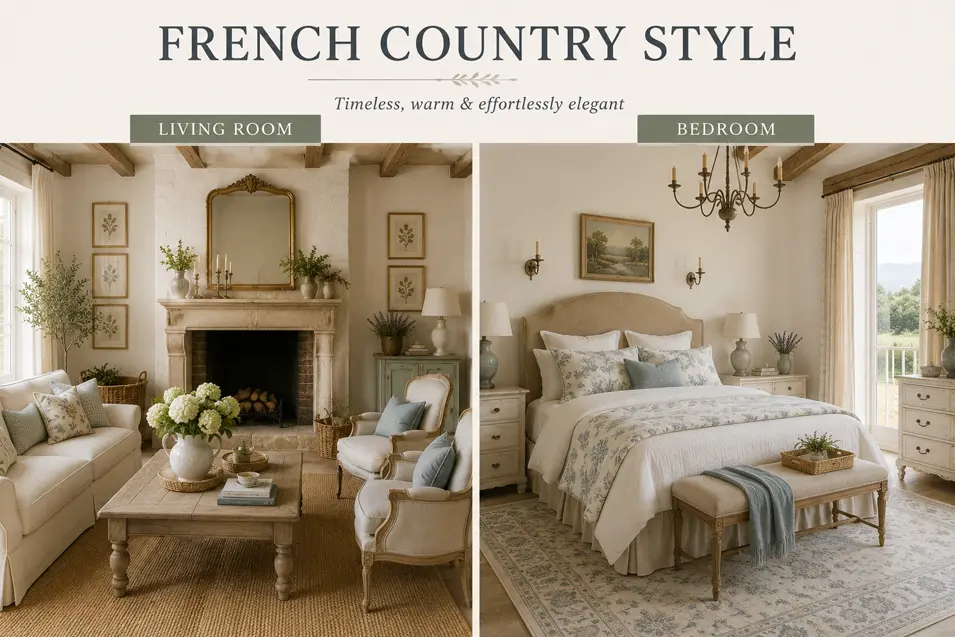
French Country homes often feature colors inspired by nature and the countryside.
Popular shades include:
- Cream
- Warm white
- Soft yellow
- Sage green
- Lavender
- Dusty blue
- Terracotta
These colors create interiors that feel bright, welcoming, and relaxed.
Natural Materials
French Country design relies heavily on natural materials.
Common elements include:
- Weathered wood
- Natural stone
- Wrought iron
- Linen
- Cotton
- Ceramic accents
These materials add authenticity and timeless appeal throughout the home.
Elegant Yet Comfortable Furnishings
Furniture often combines graceful curves with practical comfort.
Common features include:
- Carved wood details
- Cabriole legs
- Upholstered seating
- Antique-inspired finishes
- Distressed paint treatments
The goal is elegance without formality.
Rustic Architectural Details
French Country homes frequently showcase:
- Exposed wood beams
- Stone fireplaces
- Arched doorways
- Decorative moldings
- Plaster walls
These features contribute to the style’s old-world charm and character.
Floral and Nature-Inspired Accents
Botanical prints, fresh flowers, landscape artwork, and nature-inspired décor often appear throughout French Country interiors.
These elements reinforce the connection between the home and the surrounding countryside.
Why Homeowners Love French Country Design
One reason French Country style remains so popular is its ability to feel both refined and approachable.
The style creates spaces that look elegant without becoming overly formal or intimidating. Homeowners appreciate the balance between sophistication and comfort, making French Country ideal for everyday living as well as entertaining.
Many people are also drawn to the timeless quality of the design. Antique-inspired furnishings, natural materials, and soft color palettes tend to remain attractive regardless of changing trends.
How to Bring French Country Style Into Your Home
Creating a French Country-inspired interior begins with choosing warm colors and natural materials.
Incorporate wood furniture with distressed finishes, comfortable upholstered seating, and decorative details that feel collected over time. Layer linen textiles, woven baskets, ceramic accents, and fresh flowers throughout the home.
Look for opportunities to introduce rustic architectural elements such as exposed beams, stone accents, or antique-inspired lighting fixtures.
The goal is to create spaces that feel relaxed, elegant, and welcoming.
French Country vs. English Cottage
Although both styles emphasize comfort and charm, French Country generally feels more refined and sophisticated.
English Cottage interiors often feature floral patterns, cozy layering, and a slightly more casual appearance. French Country introduces greater symmetry, architectural elegance, and European refinement.
Think of English Cottage as countryside comfort and French Country as countryside elegance.
French Country vs. Farmhouse Design
Farmhouse style emphasizes practicality, simplicity, and rustic functionality.
French Country shares many rustic elements but incorporates more decorative details, curved furniture, and refined finishes. The style often feels more romantic and European in character.
Farmhouse is rustic and straightforward, while French Country is rustic and elegant.
Is French Country Style Right for You?
French Country design is ideal for homeowners who appreciate timeless beauty, natural materials, and interiors that balance elegance with comfort. Its combination of rustic charm and refined details creates spaces that feel inviting, sophisticated, and effortlessly livable.
Whether incorporated through antique furnishings, soft color palettes, or architectural details, French Country style offers a proven formula for creating a home filled with warmth and character.
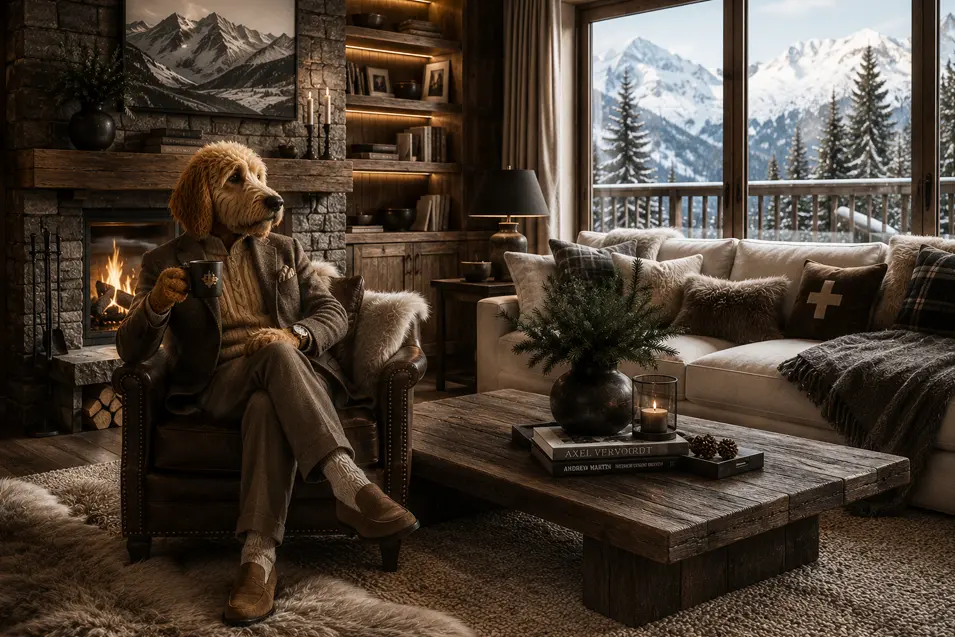
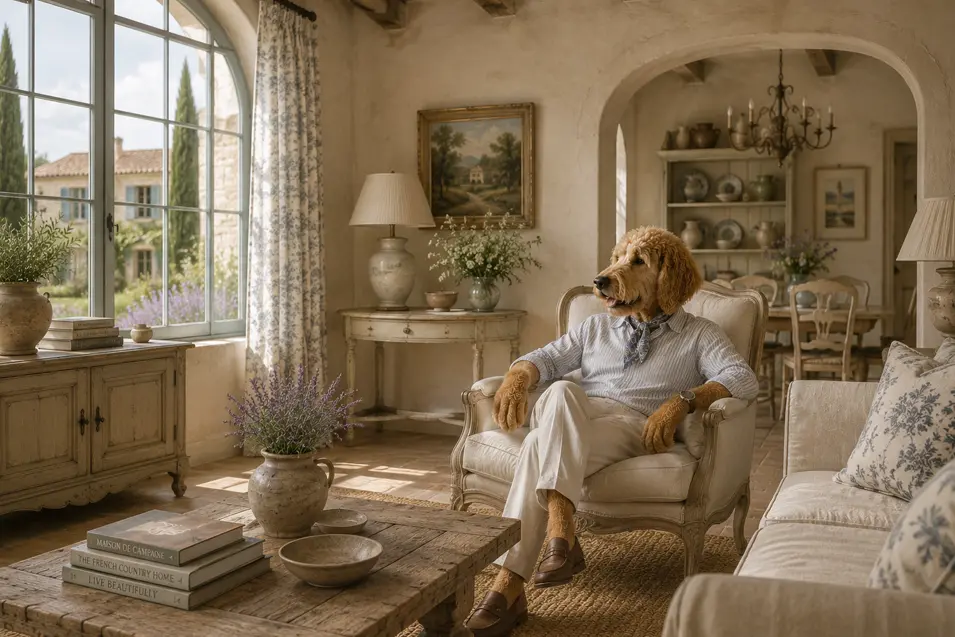
As Scout discovered while relaxing beside a stone fireplace surrounded by weathered wood, soft linens, and countryside charm, French Country design proves that true elegance often feels most at home in relaxed and welcoming spaces.