Mediterranean style captures the beauty, warmth, and relaxed sophistication of homes found along the coastlines of Spain, Italy, Greece, and Southern France. Inspired by sun-drenched landscapes, historic architecture, and an indoor-outdoor way of life, Mediterranean interiors combine natural materials, earthy colors, and timeless craftsmanship to create spaces that feel both elegant and welcoming.
Unlike highly modern or trend-driven styles, Mediterranean design embraces tradition while maintaining a casual sense of comfort. Arched doorways, textured walls, terracotta accents, and handcrafted details help create interiors that feel rich in character and connected to their surroundings.
The result is a home that feels warm, inviting, and designed for enjoying life’s simple pleasures.
The Origins of Mediterranean Design
Mediterranean style draws its inspiration from the countries surrounding the Mediterranean Sea, particularly Spain, Italy, Greece, and parts of Southern France.
The region’s climate played a significant role in shaping its architecture and interiors. Thick walls helped keep homes cool, while courtyards, terraces, and large windows encouraged airflow and a strong connection to outdoor living.
Over time, these practical design solutions evolved into a distinctive aesthetic known for its natural beauty, handcrafted materials, and relaxed elegance. Today, Mediterranean design remains popular worldwide because of its timeless appeal and emphasis on comfortable living.
Key Characteristics of Mediterranean Style
Several defining features help distinguish Mediterranean interiors from other design styles.
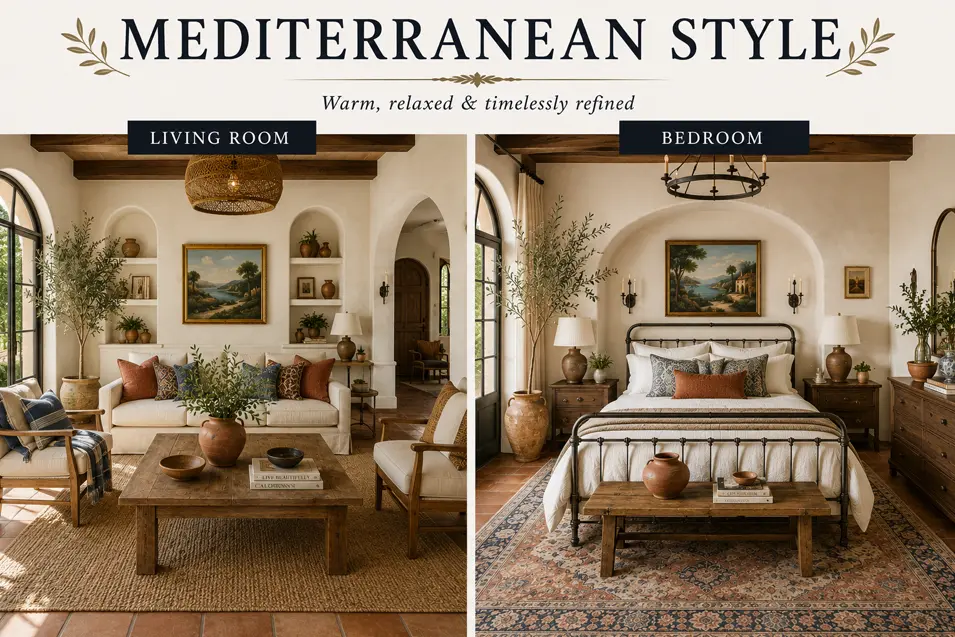
Warm, Earthy Color Palettes
Mediterranean homes often feature colors inspired by the surrounding landscape.
Popular shades include:
- Terracotta
- Sand
- Cream
- Warm white
- Olive green
- Deep blue
- Sun-baked gold
These colors help create interiors that feel bright, welcoming, and naturally connected to the outdoors.
Natural Materials
Authentic materials play a central role in Mediterranean design.
Common elements include:
- Natural stone
- Terracotta tile
- Wrought iron
- Wood beams
- Ceramic accents
- Linen fabrics
These materials add texture, warmth, and a sense of history throughout the home.
Arches and Architectural Details
Mediterranean homes are known for distinctive architectural features such as:
- Arched doorways
- Curved windows
- Exposed wood beams
- Decorative ironwork
- Stucco walls
These details contribute to the style’s timeless character and old-world charm.
Indoor-Outdoor Living
Connection to the outdoors is one of the hallmarks of Mediterranean design.
Patios, courtyards, terraces, and large windows help blur the line between indoor and outdoor spaces. Homes are often designed to maximize natural light and encourage outdoor entertaining.
Handcrafted Décor
Mediterranean interiors celebrate craftsmanship through handmade pottery, woven baskets, decorative tiles, carved wood furnishings, and artisan-made accessories.
These details help create spaces that feel authentic and personal.
Why Homeowners Love Mediterranean Design
One reason Mediterranean style remains so popular is its ability to feel both elegant and comfortable.
The style combines timeless architectural features with relaxed living, creating spaces that feel sophisticated without becoming formal. Many homeowners are drawn to its warm color palettes, natural materials, and welcoming atmosphere.
Mediterranean design also ages beautifully. Stone, wood, iron, and handcrafted materials tend to develop even more character over time, reinforcing the style’s enduring appeal.
How to Bring Mediterranean Style Into Your Home
Creating a Mediterranean-inspired interior begins with embracing natural materials and warm colors.
Incorporate terracotta accents, wood furniture, linen textiles, and decorative ceramics throughout the home. Use a color palette inspired by sun, sand, sea, and earth, and look for opportunities to maximize natural light.
Architectural details such as arches, exposed beams, and wrought iron accents can help reinforce the style when available. If structural changes aren’t possible, artwork, textiles, and handcrafted décor can introduce Mediterranean character in smaller ways.
The goal is to create spaces that feel relaxed, inviting, and connected to nature.
Mediterranean vs. Coastal Design
Although both styles embrace a connection to the sea, they differ significantly in appearance.
Coastal interiors tend to feature lighter color palettes, casual furnishings, and beach-inspired influences. Mediterranean design incorporates richer earth tones, historic architectural elements, and a stronger emphasis on old-world craftsmanship.
Think of Coastal as beach-house comfort and Mediterranean as European seaside elegance.
Mediterranean vs. California Coastal
California Coastal focuses on light, airy interiors and modern simplicity.
Mediterranean style feels warmer, more traditional, and more architectural. While both celebrate indoor-outdoor living, Mediterranean homes often feature terracotta, stone, arches, and handcrafted details that reflect centuries of design tradition.
Is Mediterranean Style Right for You?
Mediterranean design is ideal for homeowners who appreciate natural materials, timeless architecture, and relaxed elegance. Its combination of warmth, craftsmanship, and indoor-outdoor living creates spaces that feel welcoming and enduring.
Whether incorporated through architectural features, natural textures, or carefully selected furnishings, Mediterranean style offers a timeless approach to creating a home inspired by some of the world’s most beautiful coastal regions.
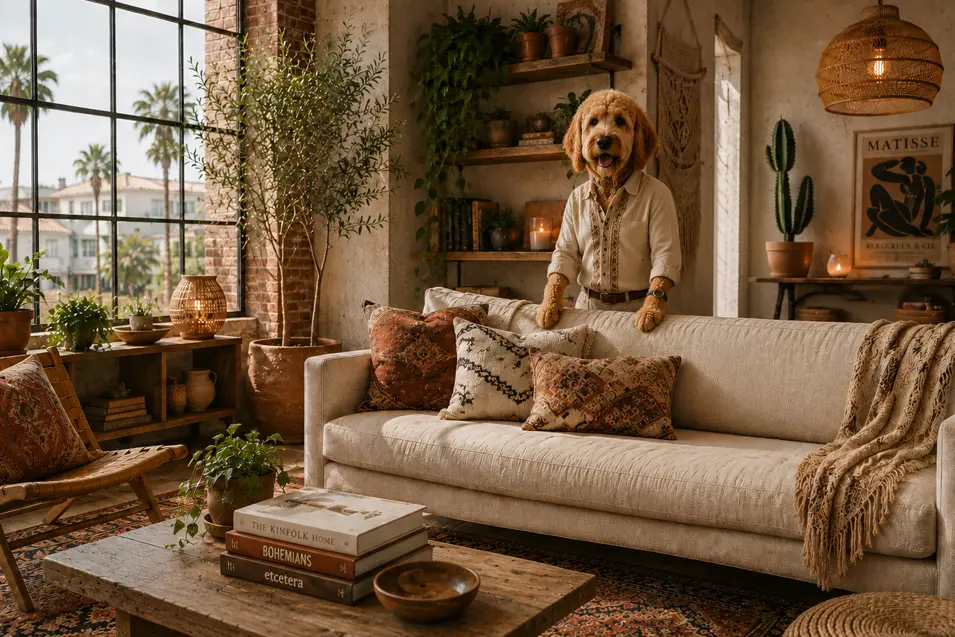
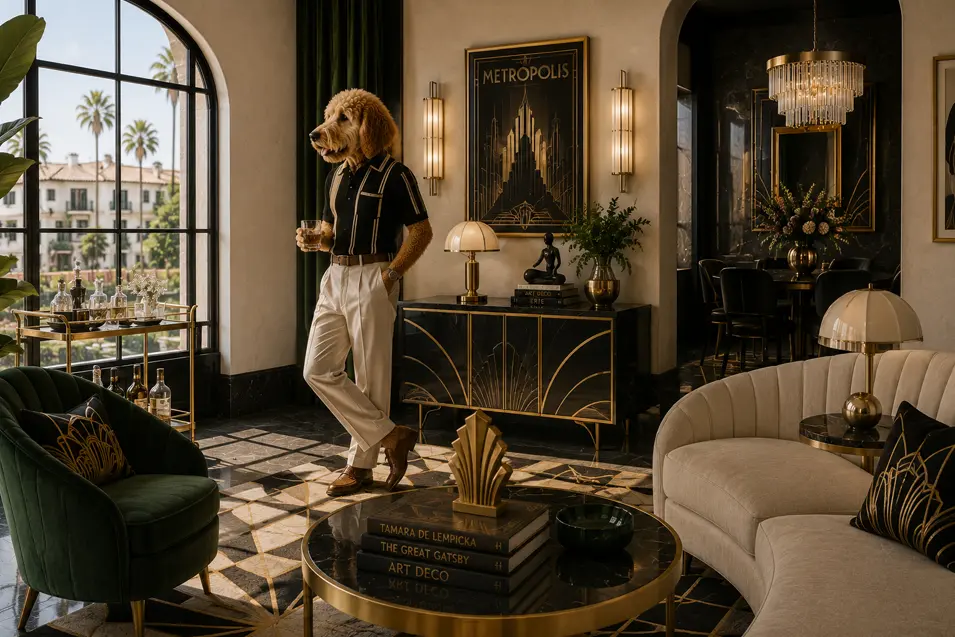
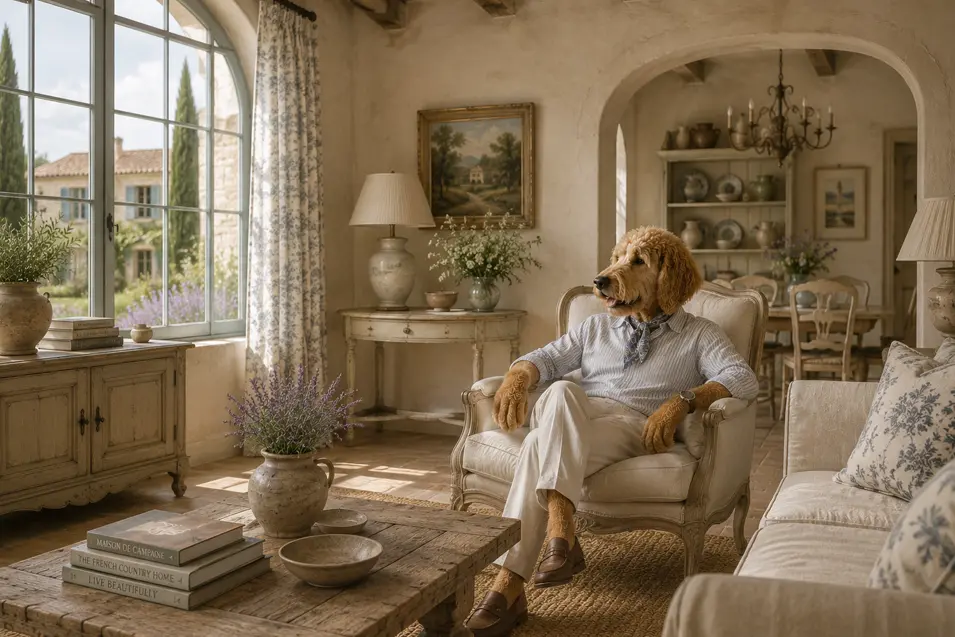
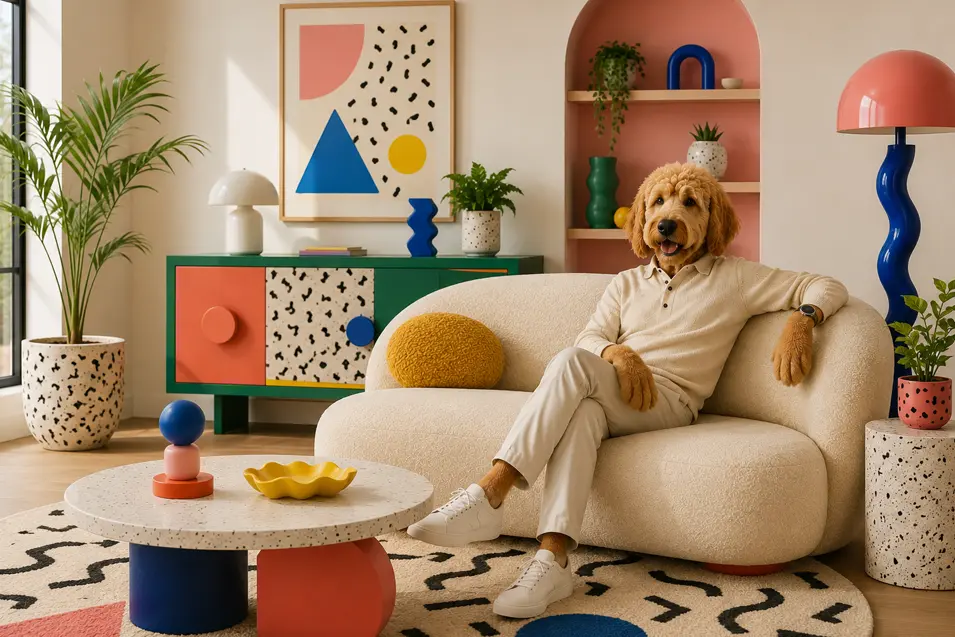
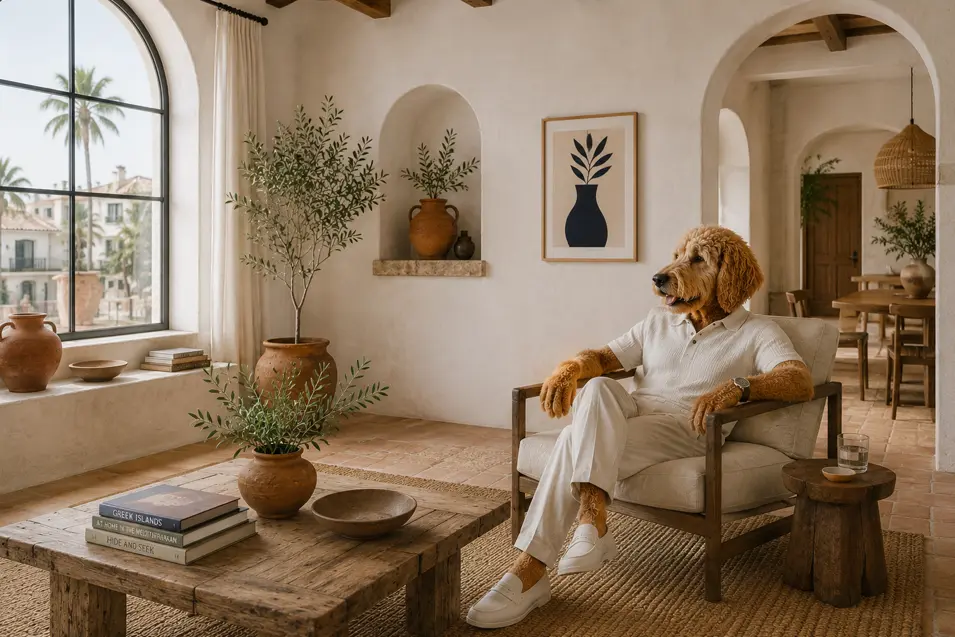
As Scout discovered while basking in the sunlight of a terracotta-tiled villa surrounded by natural textures and warm colors, Mediterranean design proves that true beauty often comes from embracing simplicity, craftsmanship, and a connection to the outdoors.