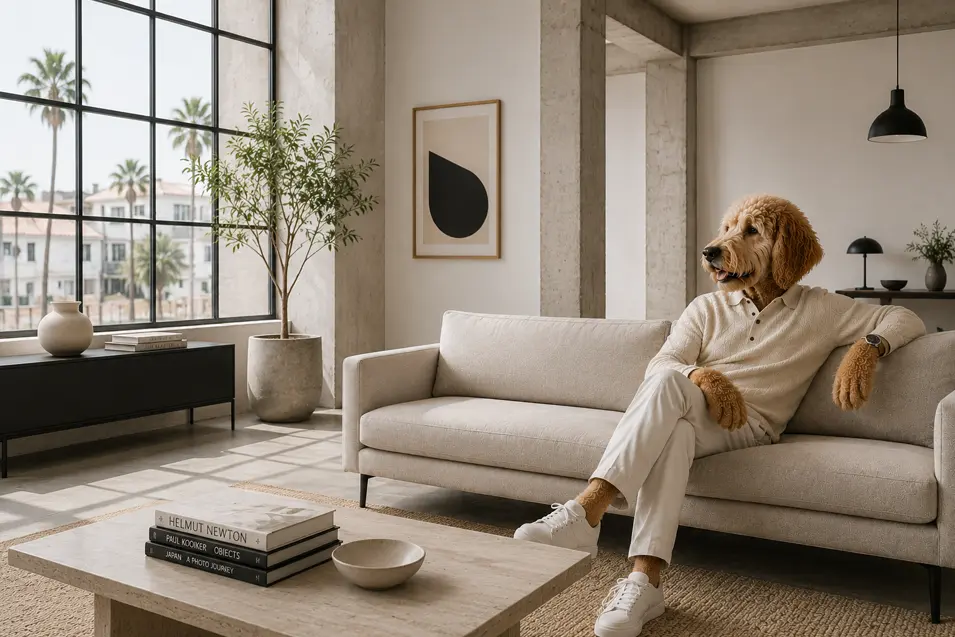
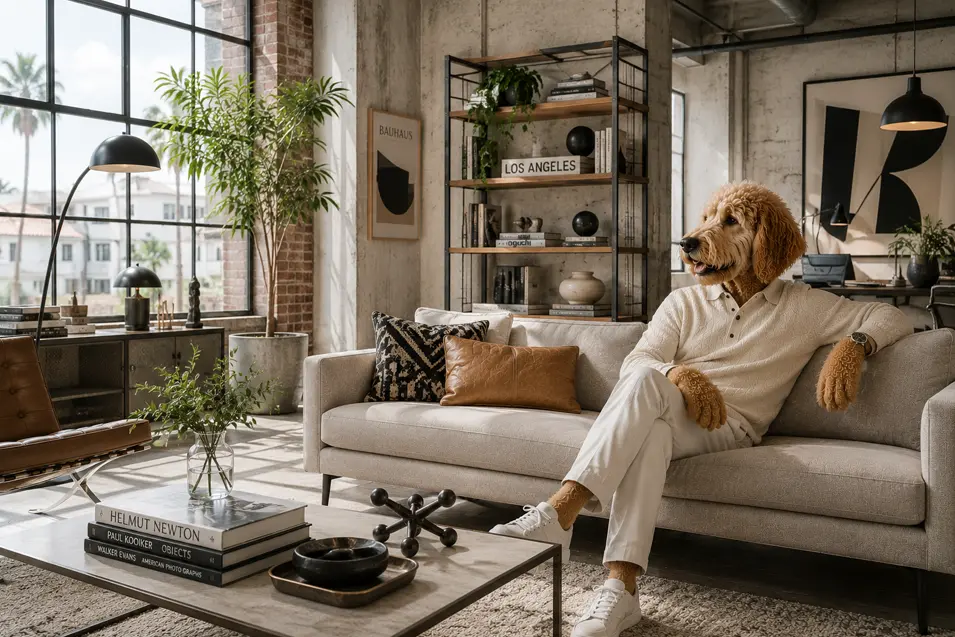
Neo-Industrial design takes the rugged character of traditional Industrial style and reimagines it for contemporary living. While classic Industrial interiors celebrate raw architecture, exposed materials, and warehouse-inspired spaces, Neo-Industrial softens these elements with modern comforts, refined furnishings, and a greater emphasis on livability.
The result is a style that retains the authenticity and urban appeal of Industrial design while feeling warmer, more sophisticated, and better suited to today’s homes. Exposed brick, steel accents, and concrete surfaces remain important features, but they are balanced by comfortable furniture, layered textures, and thoughtfully curated décor.
For homeowners who love the character of loft living but want a more polished aesthetic, Neo-Industrial offers the perfect balance.
The Origins of Neo-Industrial Design
Neo-Industrial design evolved from the popularity of Industrial-style lofts and converted warehouses that emerged in major cities during the late twentieth century.
As Industrial design gained mainstream appeal, homeowners began adapting its signature elements for more traditional residential settings. Designers softened the look by introducing warmer materials, improved lighting, richer textures, and furnishings that prioritized comfort alongside style.
Over time, this evolution became known as Neo-Industrial—a modern interpretation that preserves the spirit of Industrial design while embracing contemporary lifestyles and expectations.
Today, Neo-Industrial interiors can be found everywhere from urban apartments and luxury condos to suburban homes seeking a modern edge.
Key Characteristics of Neo-Industrial Style
Several defining features help distinguish Neo-Industrial interiors from traditional Industrial spaces.
Refined Industrial Materials
Neo-Industrial design still celebrates materials such as steel, iron, concrete, brick, and glass. However, these elements are often incorporated more selectively and polished than in classic Industrial interiors.
The emphasis is on creating visual character without making the space feel cold or unfinished.
Warm Wood Finishes
Natural wood helps balance the harder materials commonly found in Neo-Industrial homes.
Walnut, oak, reclaimed wood, and other warm finishes add depth and warmth while softening the overall aesthetic.
Comfortable Furnishings
Unlike some Industrial spaces that prioritize appearance over comfort, Neo-Industrial interiors embrace livability.
Plush sofas, upholstered seating, textured fabrics, and inviting layouts create spaces designed for everyday enjoyment.
Neutral Color Palettes
Neo-Industrial homes typically feature sophisticated color schemes built around shades of gray, black, white, charcoal, brown, and warm earth tones.
Accent colors may be introduced through artwork, textiles, or statement furniture, but the overall palette remains restrained and cohesive.
Contemporary Lighting
Lighting plays a significant role in Neo-Industrial design.
Metal pendants, sculptural fixtures, exposed bulbs, and oversized statement lights help reinforce the industrial aesthetic while adding warmth and atmosphere to the space.
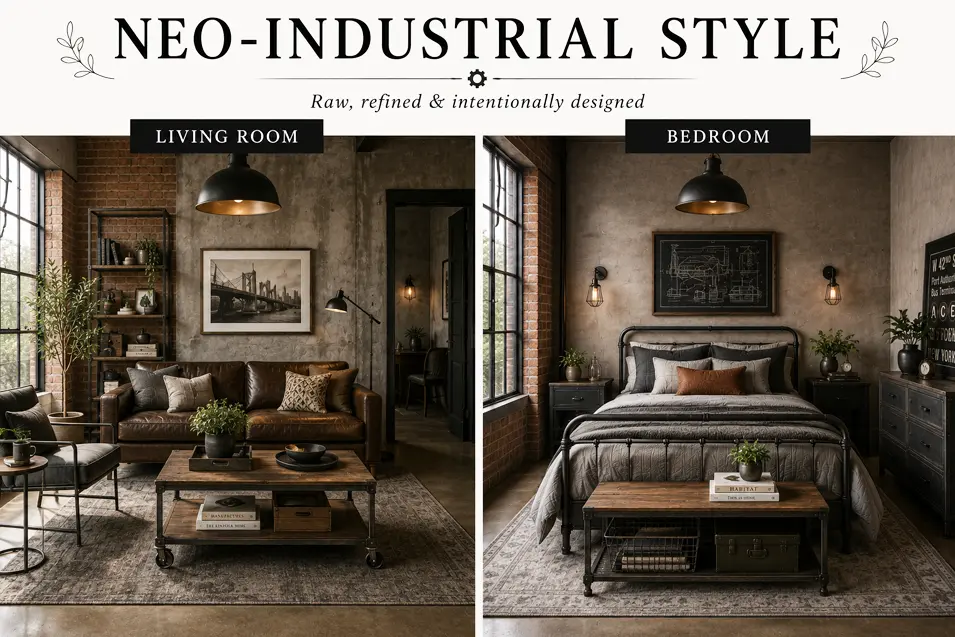
Why Homeowners Love Neo-Industrial Design
One reason Neo-Industrial has become increasingly popular is that it offers the character of Industrial design without some of its harsher qualities.
Many homeowners appreciate the visual interest created by exposed materials and architectural details, but they also want spaces that feel comfortable and welcoming. Neo-Industrial successfully bridges that gap.
The style is also highly adaptable. It works well in modern homes, loft apartments, renovated historic properties, and even new construction projects seeking an urban-inspired look.
How to Bring Neo-Industrial Style Into Your Home
Creating a Neo-Industrial interior starts with incorporating a mix of raw and refined materials.
Introduce metal accents through furniture, shelving, lighting, or architectural details. Balance those elements with warm wood finishes, comfortable upholstery, and layered textiles to create a welcoming atmosphere.
Open shelving, exposed brick, concrete-inspired surfaces, and black-framed windows can help establish the industrial aesthetic without overwhelming the space.
Artwork, plants, and decorative accessories should be thoughtfully selected to add personality while maintaining the clean, curated appearance that defines the style.
Neo-Industrial vs. Industrial Design
Although the two styles share many similarities, Neo-Industrial is generally more polished and residential.
Traditional Industrial interiors often embrace exposed infrastructure, rugged finishes, and a warehouse-like atmosphere. Neo-Industrial softens those elements through warmer materials, improved comfort, and more refined design choices.
Think of Industrial as a converted factory loft and Neo-Industrial as a luxury urban residence inspired by industrial architecture.
Neo-Industrial vs. Contemporary Design
Contemporary design focuses on current trends, clean lines, and modern simplicity.
Neo-Industrial incorporates many contemporary principles while maintaining a strong connection to industrial materials and urban architecture. The style tends to have more texture, character, and visual contrast than a typical Contemporary interior.
Is Neo-Industrial Style Right for You?
Neo-Industrial design is ideal for homeowners who appreciate modern aesthetics, architectural character, and a balance between raw materials and comfortable living. Its combination of urban sophistication and practical functionality creates spaces that feel both stylish and welcoming.
Whether incorporated through a few industrial-inspired accents or embraced throughout an entire home, Neo-Industrial offers a contemporary approach to one of today’s most enduring design styles.
As Scout discovered while exploring steel-framed windows, warm wood accents, and modern loft-inspired interiors, Neo-Industrial design proves that industrial character and everyday comfort can coexist beautifully.