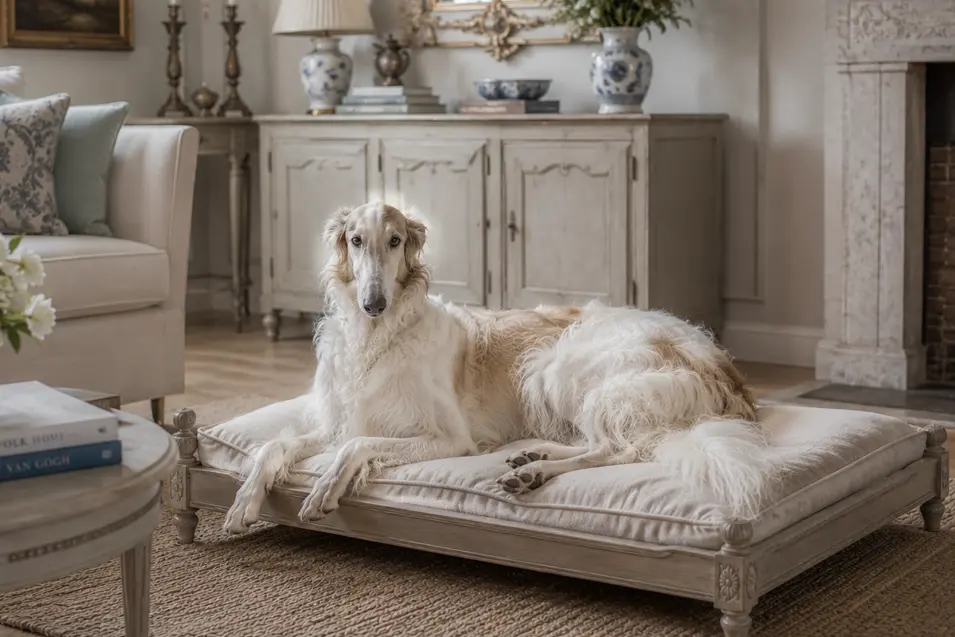
Traditional style is one of the most enduring and recognizable approaches to interior design. Rooted in centuries of European influence, Traditional interiors emphasize elegance, comfort, symmetry, and timeless beauty. Rather than following short-lived trends, this style relies on classic furnishings, refined details, and proven design principles that have stood the test of time.
Traditional homes feel warm, welcoming, and established. Rich wood finishes, comfortable seating, sophisticated fabrics, and carefully curated décor create spaces that are both beautiful and functional. The result is an interior that feels polished without being overly formal and inviting without sacrificing elegance.
For homeowners who appreciate history, craftsmanship, and classic design, Traditional style remains a timeless choice.
The Origins of Traditional Design
Traditional interior design draws inspiration from eighteenth- and nineteenth-century European decorating styles, particularly those found in England and France. These influences were adapted over time into a more comfortable and accessible approach suited to modern living.
Many of the furnishings, architectural details, and decorating principles associated with Traditional design evolved from classical European homes, where balance, proportion, and symmetry played important roles.
Although the style has evolved over the years, its core principles remain remarkably consistent: create beautiful, comfortable spaces that feel timeless rather than trendy.
Key Characteristics of Traditional Style
Several defining features help distinguish Traditional interiors from other design styles.
Classic Furniture Designs
Traditional furniture often features graceful curves, carved details, turned legs, and rich wood finishes.
Common examples include:
- Wingback chairs
- Roll-arm sofas
- Pedestal tables
- Wood buffets and sideboards
- Upholstered armchairs
The emphasis is on quality craftsmanship and enduring design.
Symmetry and Balance
Traditional rooms are often arranged with symmetry in mind.
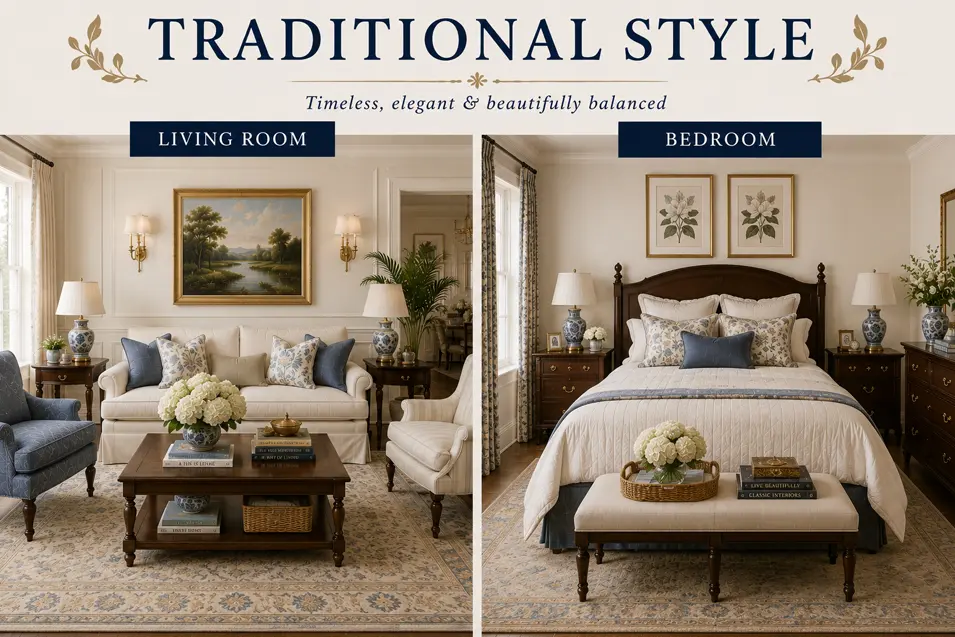
Matching lamps, coordinated seating arrangements, paired artwork, and balanced furniture layouts create a sense of order and harmony throughout the space.
This attention to balance contributes to the style’s timeless appeal.
Warm and Sophisticated Color Palettes
Traditional interiors frequently incorporate warm neutrals, creams, soft greens, blues, burgundy tones, and rich wood colors.
The palette tends to feel comfortable and refined rather than bold or dramatic.
Rich Materials and Textures
Wood, stone, leather, cotton, wool, velvet, silk, and linen are commonly found throughout Traditional homes.
Layering these materials helps create depth, warmth, and visual interest while reinforcing the style’s sense of quality and permanence.
Decorative Details
Traditional interiors often feature:
- Crown molding
- Wainscoting
- Built-in cabinetry
- Framed artwork
- Decorative lamps
- Classic mirrors
- Elegant accessories
These details add character without overwhelming the room.
Why Homeowners Love Traditional Design
Traditional style continues to appeal to homeowners because it creates spaces that feel comfortable, familiar, and timeless.
Unlike highly trend-driven aesthetics, Traditional interiors rarely go out of style. Quality furnishings and classic design choices can remain attractive for decades, making the style a practical long-term investment.
Many homeowners also appreciate the warmth and hospitality associated with Traditional design. Rooms are designed to encourage conversation, relaxation, and everyday living rather than simply serving as showpieces.
How to Bring Traditional Style Into Your Home
Creating a Traditional interior begins with selecting quality furnishings that feature classic shapes and proportions.
Focus on creating balanced room layouts with comfortable seating, coordinated lighting, and timeless accessories. Incorporate warm wood finishes, layered textiles, and elegant architectural details whenever possible.
Choose artwork, rugs, and decorative accents that complement the overall design without competing for attention.
Traditional interiors are often curated rather than minimal. The goal is to create a space that feels collected, comfortable, and thoughtfully designed.
Traditional vs. Transitional Design
Traditional and Transitional styles share many similarities, but they differ in their approach to ornamentation and simplicity.
Traditional interiors embrace:
- Rich wood finishes
- Decorative details
- Classic furnishings
- Formal symmetry
Transitional design simplifies many of these elements by incorporating cleaner lines, lighter palettes, and contemporary influences.
Think of Traditional as timeless elegance and Transitional as timeless elegance with a modern refresh.
Traditional vs. Contemporary Design
Contemporary design tends to prioritize simplicity, clean lines, and modern materials.
Traditional interiors place greater emphasis on history, craftsmanship, decorative details, and classic furnishings.
While Contemporary spaces often feel sleek and minimalist, Traditional homes typically feel warmer, more layered, and more established.
Is Traditional Style Right for You?
Traditional design is ideal for homeowners who appreciate classic beauty, quality craftsmanship, and timeless interiors. Its emphasis on comfort, balance, and enduring design principles creates spaces that remain welcoming and attractive year after year.
Whether incorporated throughout an entire home or blended with more modern influences, Traditional style offers a proven formula for creating elegant and livable spaces.
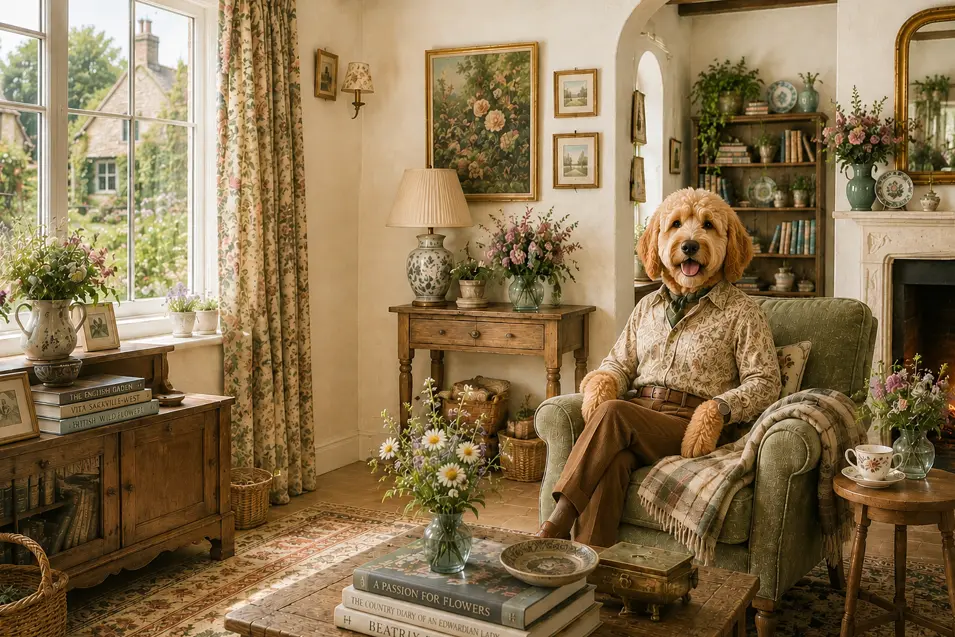
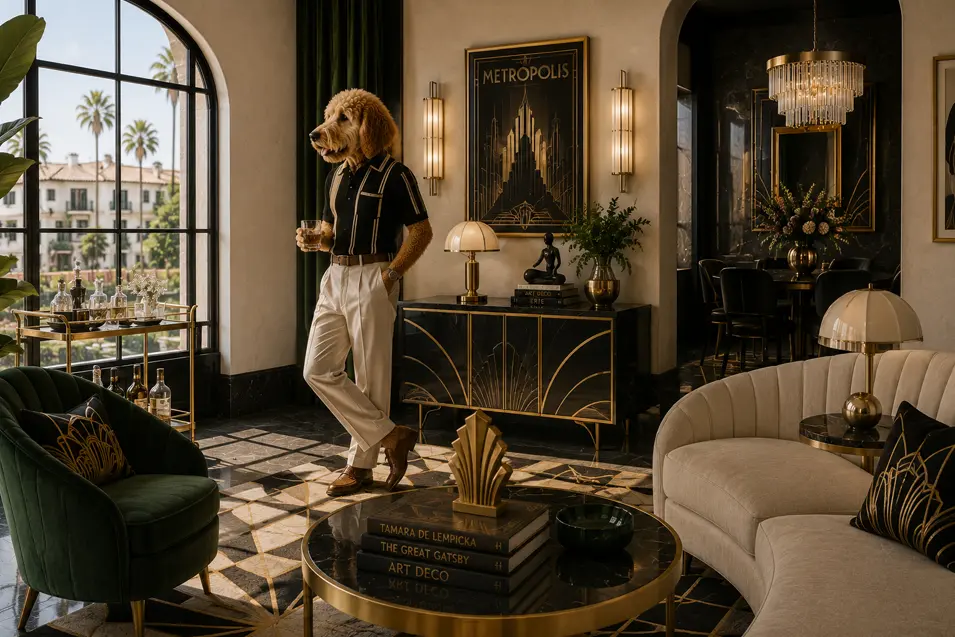
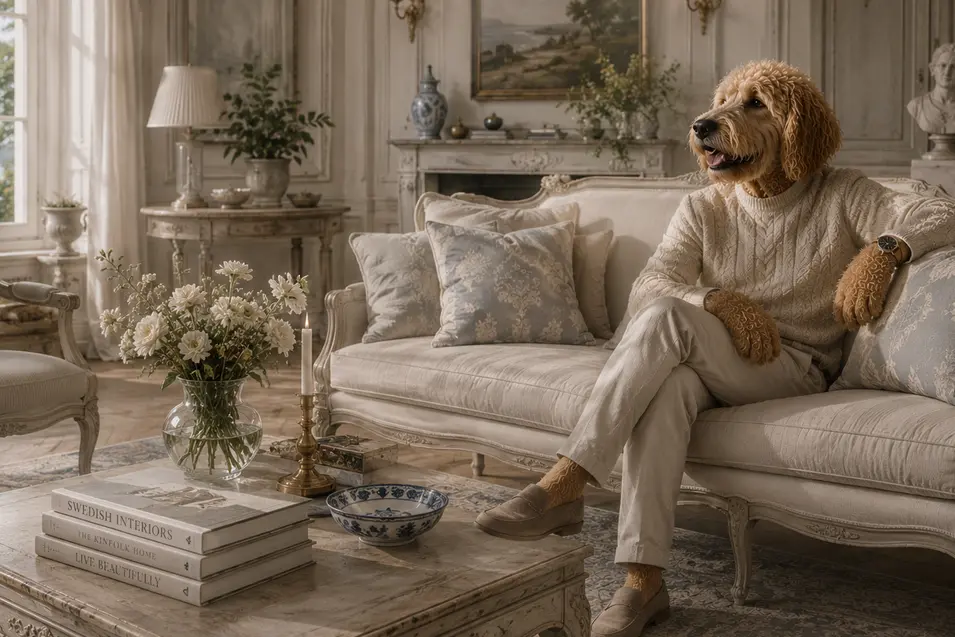
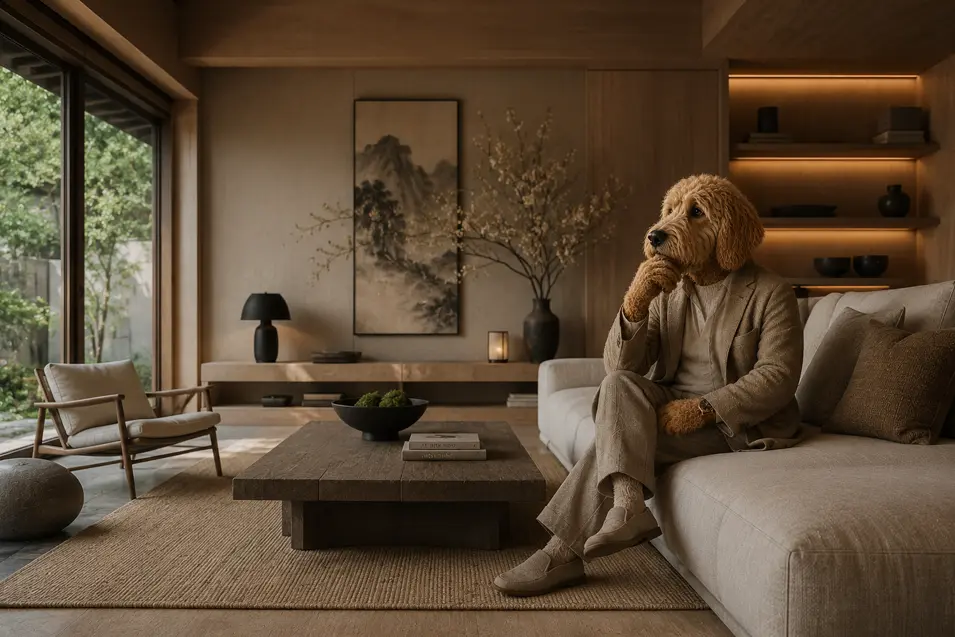
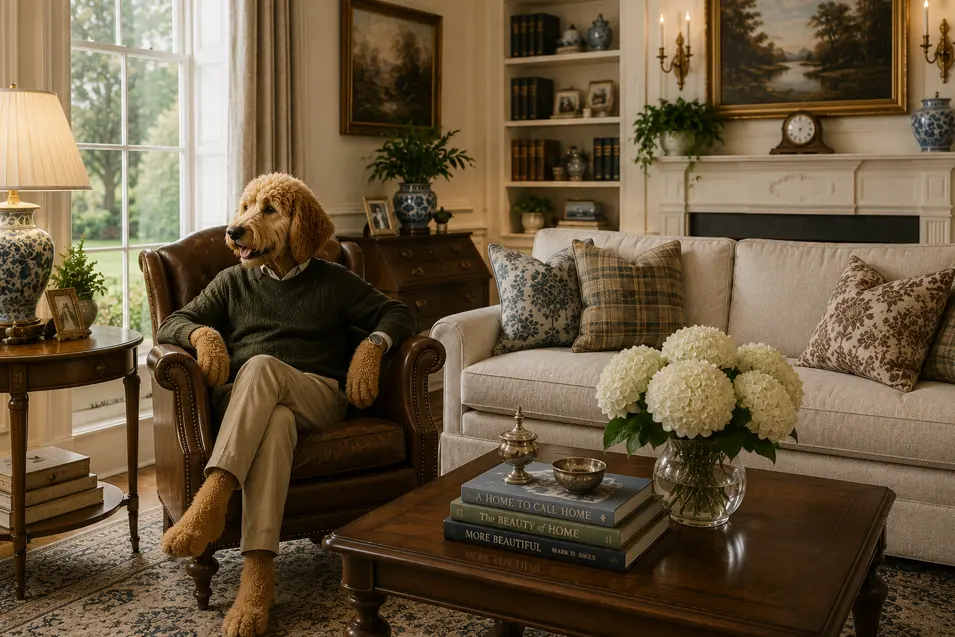
As Scout discovered while relaxing among rich wood furnishings, tailored upholstery, and timeless décor, Traditional design proves that some styles never lose their appeal because they were built on lasting principles rather than passing trends.