Transitional style is one of the most popular interior design approaches today because it offers the best of both worlds. By blending the warmth and sophistication of traditional design with the clean lines and simplicity of contemporary interiors, Transitional spaces feel timeless, comfortable, and effortlessly elegant.
Unlike styles that lean heavily toward either classic or modern aesthetics, Transitional design creates balance. It avoids excessive ornamentation while steering clear of the stark minimalism that some homeowners find uninviting. The result is a refined yet approachable home that feels current without chasing trends.
For homeowners who appreciate both classic beauty and modern comfort, Transitional design provides an ideal middle ground.
The Origins of Transitional Design
Transitional style emerged as homeowners began moving away from heavily decorated traditional interiors while still wanting spaces that felt warm and welcoming. Designers responded by combining elements from both traditional and contemporary design philosophies.
Rather than replacing one style with another, Transitional design sought harmony between the two. Traditional furnishings were simplified, contemporary elements were softened, and rooms became more focused on comfort and livability.
Today, Transitional design remains one of the most requested styles because of its versatility and broad appeal.
Key Characteristics of Transitional Style
Several defining features help distinguish Transitional interiors from other design styles.
Neutral and Sophisticated Color Palettes
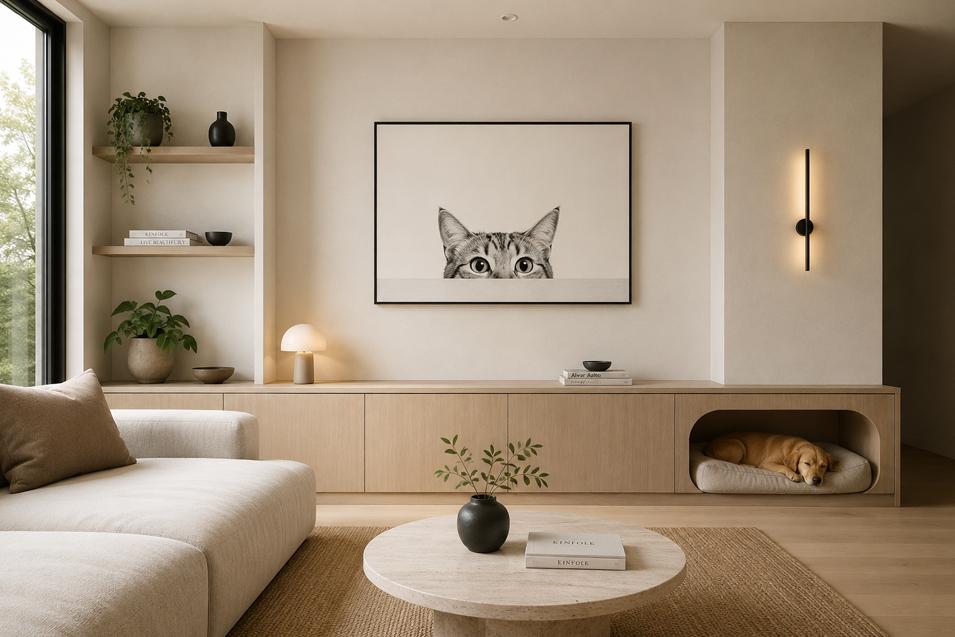
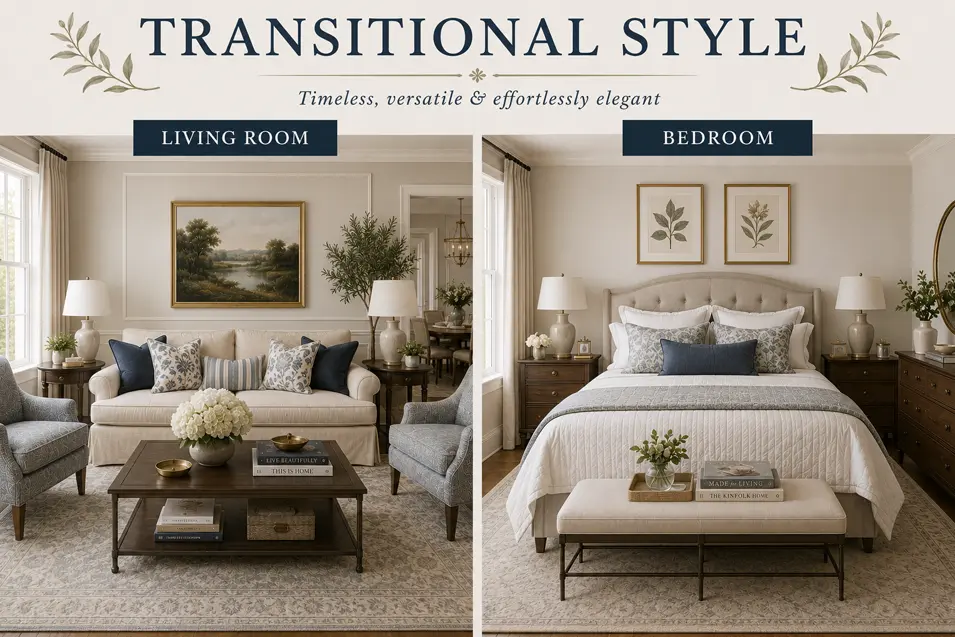
Transitional spaces typically feature calming neutral tones such as ivory, cream, beige, taupe, soft gray, and warm white.
These understated colors create a timeless backdrop while allowing textures, furnishings, and architectural details to take center stage.
A Mix of Traditional and Contemporary Furniture
Furniture in Transitional homes often combines classic silhouettes with modern simplicity.
You might find:
- A traditional sofa with streamlined upholstery
- Contemporary lighting paired with classic wood furniture
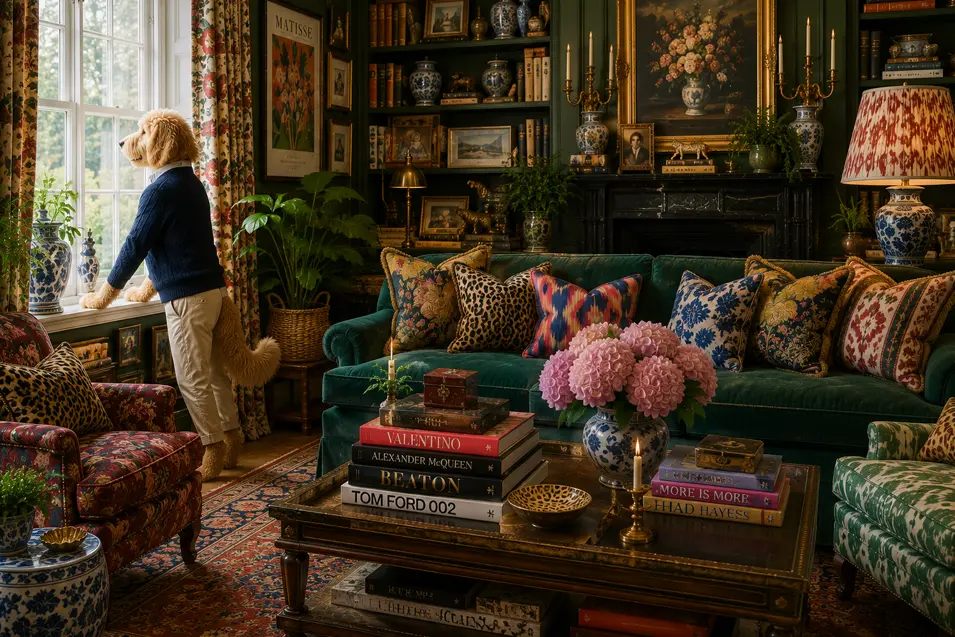
- Modern artwork displayed within a more traditional setting
The goal is balance rather than contrast.
Clean Lines with Soft Details
Unlike ornate traditional interiors, Transitional spaces favor cleaner lines and restrained detailing.
Curved armchairs, upholstered seating, and elegant furnishings maintain a sense of comfort while avoiding unnecessary decoration.
Layered Textures
Because the color palette is often neutral, texture plays a critical role in adding warmth and visual interest.
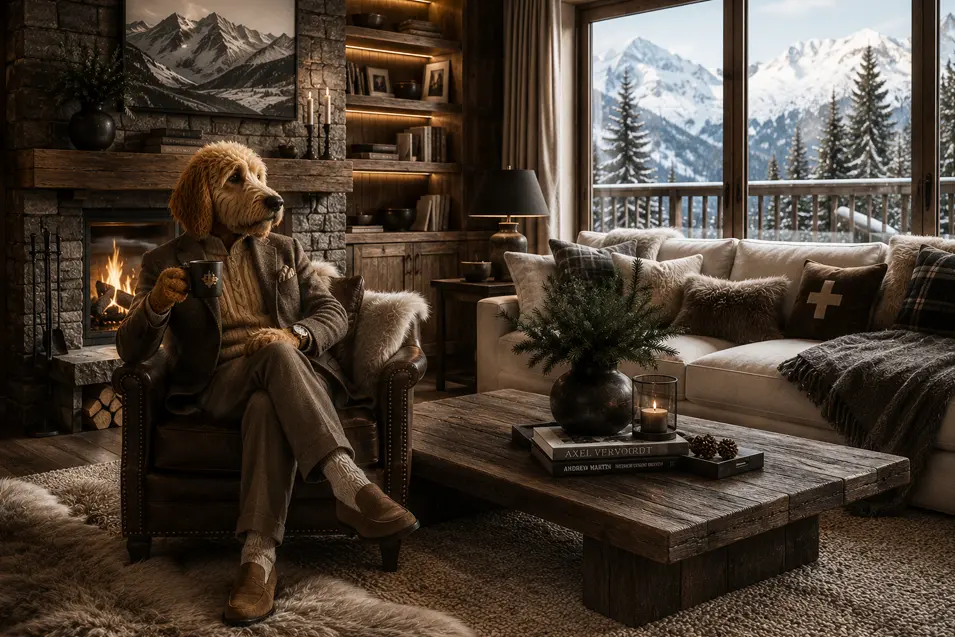
Linen, wool, velvet, leather, wood, natural stone, and woven fabrics help create depth while maintaining the style’s refined appearance.
Comfortable and Functional Spaces
Transitional design prioritizes livability. Rooms are designed to feel inviting and practical rather than formal or overly styled.
Comfort is every bit as important as aesthetics.
Why Homeowners Love Transitional Design
One of the biggest reasons homeowners gravitate toward Transitional style is its flexibility.
The style works equally well in:
- New construction homes
- Traditional architecture
- Contemporary residences
- Renovated older properties
Its balanced aesthetic also tends to age gracefully. While highly trendy interiors can quickly feel dated, Transitional spaces often remain attractive for years because they draw from timeless design principles.
Many homeowners also appreciate how easy it is to update Transitional interiors with new accessories, artwork, or accent colors without needing a complete redesign.
How to Bring Transitional Style Into Your Home
Creating a Transitional interior starts with a neutral foundation.
Choose furnishings with clean, elegant lines and focus on quality over quantity. Avoid excessive ornamentation while incorporating enough texture and warmth to prevent the space from feeling sterile.
Layersoft textiles, incorporate natural materials, and select lighting that feels refined yet understated.
When decorating, remember that Transitional design thrives on restraint. Every piece should contribute to the overall sense of balance and harmony.
The goal is not to impress through extravagance but to create a home that feels comfortable, sophisticated, and timeless.
Transitional vs. Traditional Design
Although the two styles share many similarities, Transitional design is generally simpler and more streamlined.
Traditional interiors often feature:
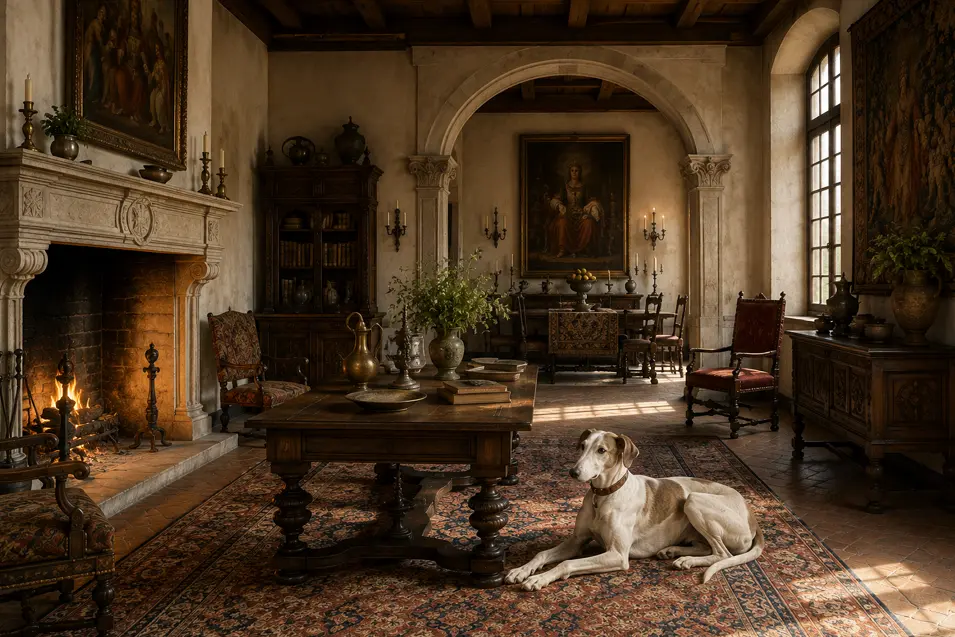
- Rich wood finishes
- Ornate details
- Decorative moldings
- Formal furnishings
Transitional design softens these elements by introducing cleaner lines, lighter color palettes, and contemporary influences.
Think of Traditional as classic elegance and Transitional as classic elegance with a modern update.
Transitional vs. Contemporary Design
Contemporary interiors often embrace stronger contrasts, minimalist forms, and trend-driven influences.
Transitional design, by comparison, places greater emphasis on comfort and timelessness. While contemporary spaces may feel sleek and dramatic, Transitional rooms tend to feel warmer and more inviting.
The style occupies a comfortable middle ground between the two approaches.
Is Transitional Style Right for You?
Transitional design is ideal for homeowners who appreciate both traditional charm and modern simplicity. Its balanced approach creates spaces that feel elegant without being formal and contemporary without feeling cold.
The style’s versatility, comfort, and timeless appeal explain why it continues to be one of the most enduring and widely embraced design aesthetics.
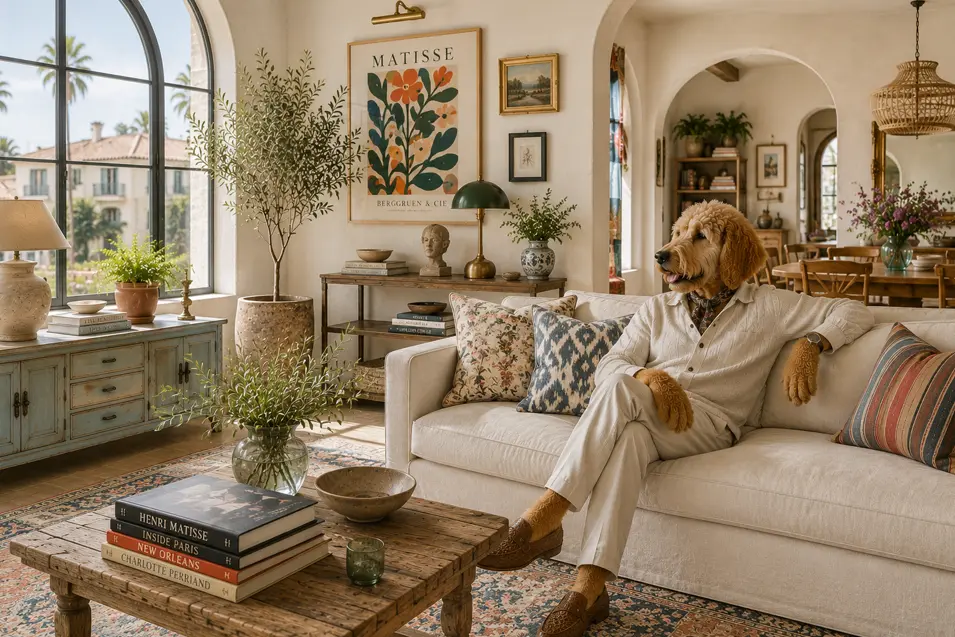
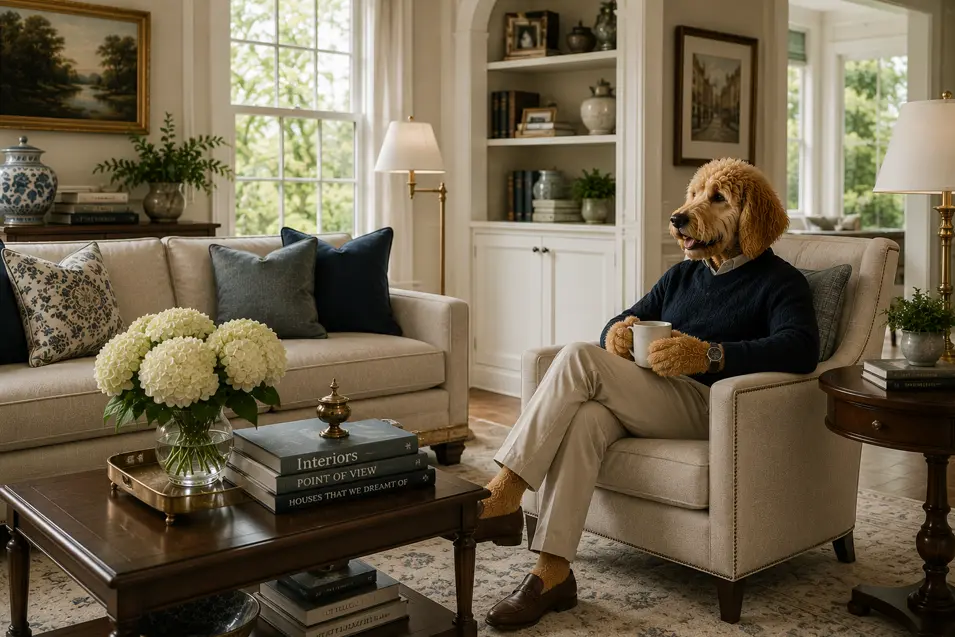
As Scout discovered while relaxing among soft neutrals, classic furnishings, and modern accents, Transitional design proves that sometimes the most beautiful spaces are the ones that achieve perfect balance.