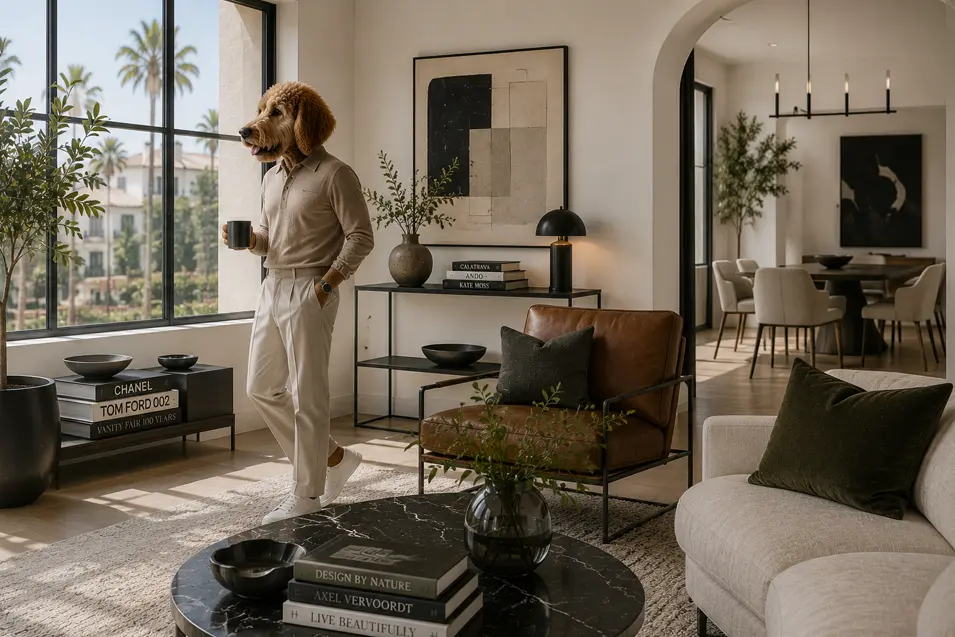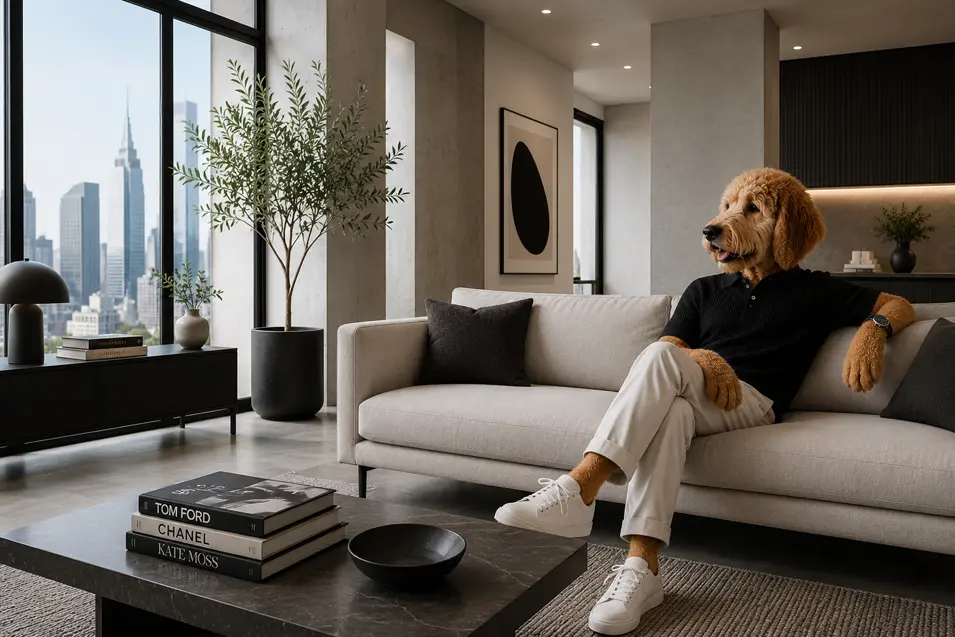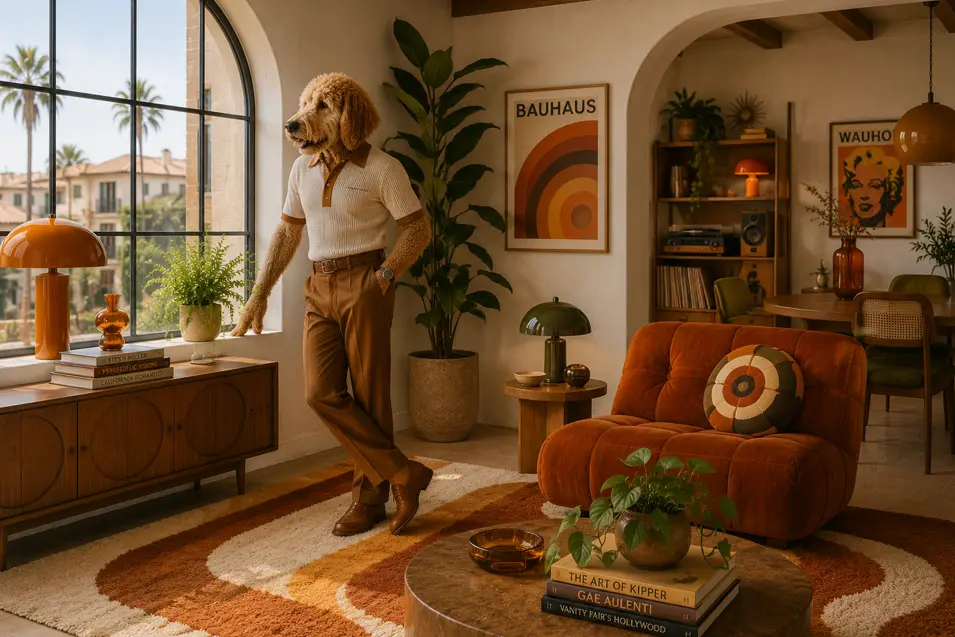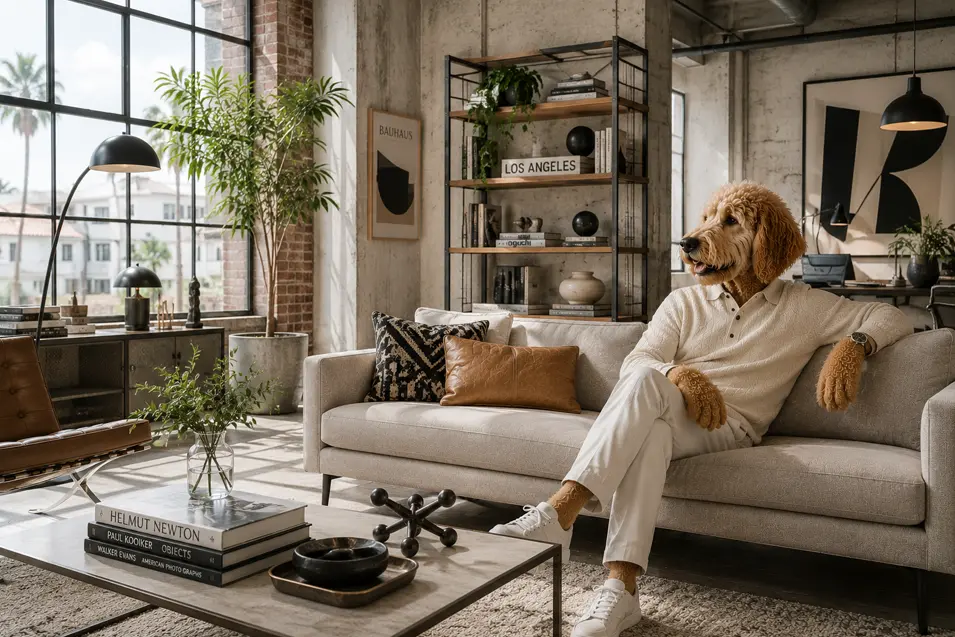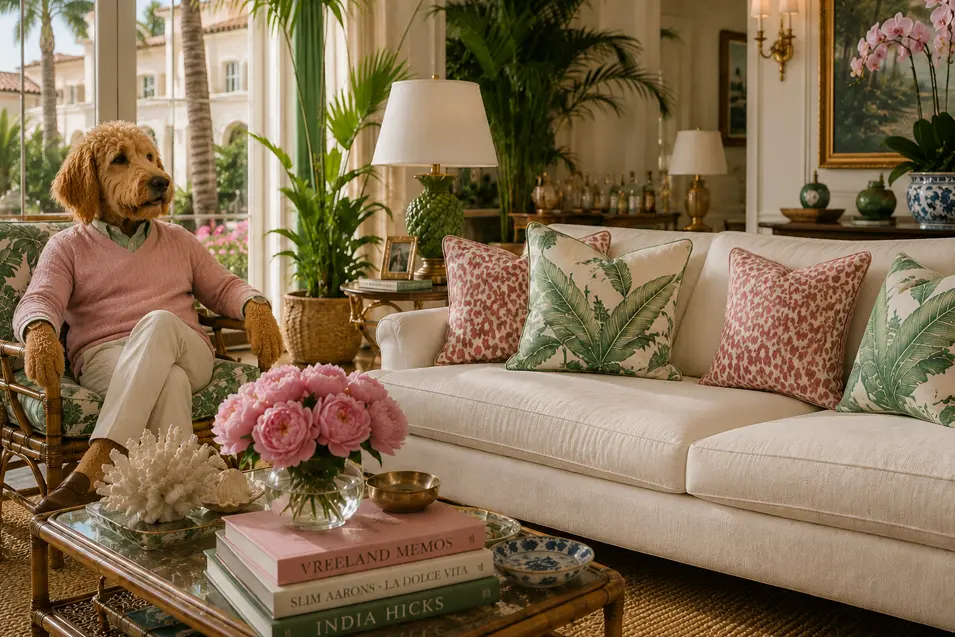

Coastal design captures the easygoing spirit of life by the water, creating interiors that feel bright, breezy, and welcoming. Inspired by beaches, shorelines, and seaside living, Coastal style emphasizes comfort, natural light, and a connection to the outdoors. The result is a home that feels relaxed and refreshing, much like a permanent vacation retreat.
While many people associate Coastal design with seashells and nautical decorations, modern Coastal interiors take a more sophisticated approach. Instead of relying on themed décor, the style focuses on natural materials, soft color palettes, and comfortable furnishings that evoke the feeling of the coast without overwhelming the space.
Whether you live near the ocean or hundreds of miles inland, Coastal design offers a timeless way to bring the calm and beauty of the shoreline into your home.
The Origins of Coastal Design
Coastal style evolved from traditional beach cottages and waterfront homes designed to maximize natural light, ocean breezes, and scenic views. These homes often featured simple furnishings, practical layouts, and materials that could withstand humid coastal environments.
Over time, designers refined the look, blending the casual atmosphere of beach living with more polished furnishings and architectural details. The result was a design style that retained its relaxed character while becoming suitable for a wide variety of homes.
Today, Coastal design remains one of the most popular decorating styles because it creates spaces that feel comfortable, inviting, and effortlessly timeless.
Key Characteristics of Coastal Style
Several defining elements help distinguish Coastal interiors from other design styles.
Light and Airy Color Palettes
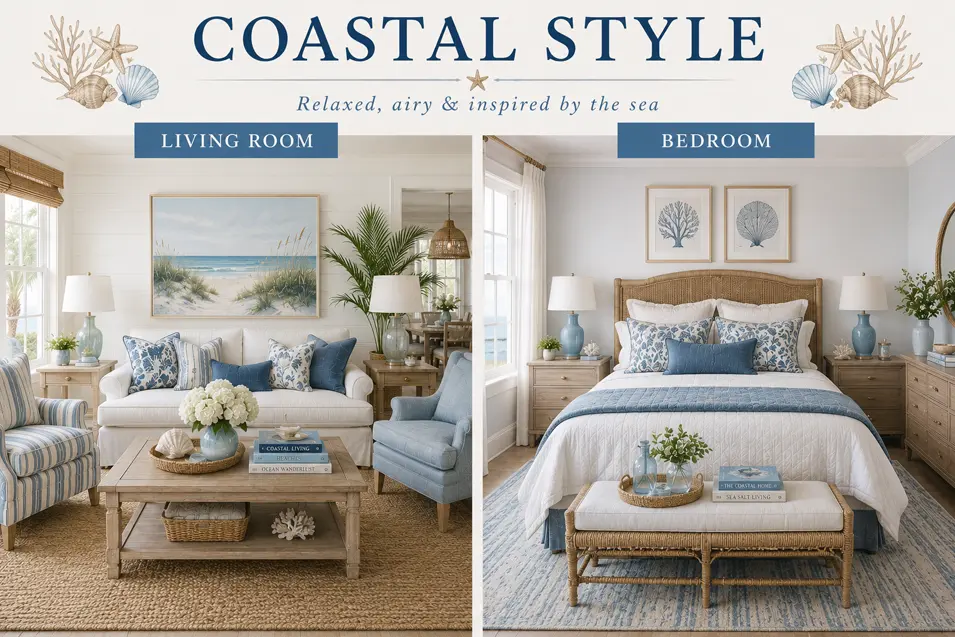
Coastal homes often feature colors inspired by the natural shoreline. Soft whites, sandy beiges, pale blues, seafoam greens, and weathered grays create a bright and tranquil atmosphere.
These colors reflect natural light and help reinforce the relaxed feeling associated with coastal living.
Natural Materials and Textures
Organic materials play an important role in Coastal design. Wicker, rattan, driftwood, jute, linen, cotton, and natural wood finishes help add warmth and texture throughout the space.
These elements create a casual, lived-in aesthetic that feels connected to nature.
Comfortable Furnishings
Coastal interiors prioritize comfort above all else. Plush sofas, slipcovered seating, oversized chairs, and inviting gathering spaces encourage relaxation and everyday living.
The goal is to create a home where family and guests immediately feel at ease.
Abundant Natural Light
Large windows, glass doors, and open floor plans help maximize sunlight and create a seamless connection between indoor and outdoor spaces.
Natural light is considered one of the most important design elements in Coastal homes.
Subtle Coastal Influences
Rather than relying heavily on themed decorations, modern Coastal design often incorporates subtle references to the sea through artwork, textures, colors, and materials.
The style evokes the coast without feeling overly literal.
Why Homeowners Love Coastal Design
One reason Coastal design remains so popular is its universal appeal. The style feels welcoming, comfortable, and easy to live with, making it suitable for families, vacation homes, and primary residences alike.
Many homeowners also appreciate the sense of calm that Coastal interiors provide. The soft colors, natural materials, and uncluttered layouts help create spaces that feel peaceful and restorative.
Its timeless nature also allows homeowners to update their décor without completely reinventing the style.
How to Bring Coastal Style Into Your Home
Creating a Coastal-inspired interior begins with a light and neutral foundation.
Use soft colors inspired by the beach and ocean, and incorporate natural textures through rugs, baskets, furniture, and textiles. Choose comfortable seating and avoid overcrowding rooms with excessive décor.
Maximize natural light whenever possible and incorporate materials such as weathered wood, linen, wicker, and rattan to enhance the relaxed atmosphere.
Simple artwork featuring coastal landscapes, ocean scenes, or natural elements can help reinforce the aesthetic without making the space feel overly themed.
Coastal vs. California Coastal Design
Although the two styles share many similarities, California Coastal tends to be more contemporary and refined.
Traditional Coastal design embraces the relaxed charm of beach-house living and may incorporate more classic seaside influences. California Coastal builds upon those foundations while introducing cleaner lines, modern furnishings, and a stronger emphasis on luxury and indoor-outdoor living.
Think of Coastal as timeless seaside comfort and California Coastal as an elevated interpretation of coastal living.
Is Coastal Style Right for You?
Coastal design is ideal for homeowners who appreciate bright spaces, natural materials, and a relaxed approach to decorating. Its emphasis on comfort, light, and connection to nature creates interiors that feel welcoming year-round.
Whether you’re decorating a waterfront property or simply looking to bring a sense of calm into your home, Coastal design offers a timeless and highly adaptable aesthetic.
As Scout discovered while enjoying ocean-inspired colors and sun-filled living spaces, Coastal design proves that some of the most inviting homes are the ones that capture the effortless beauty of life by the water.