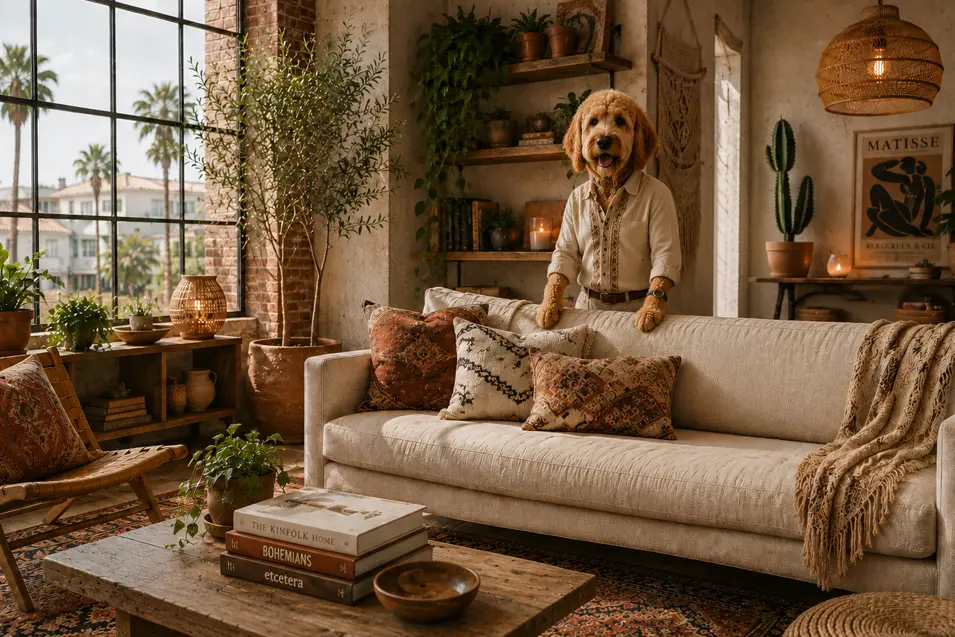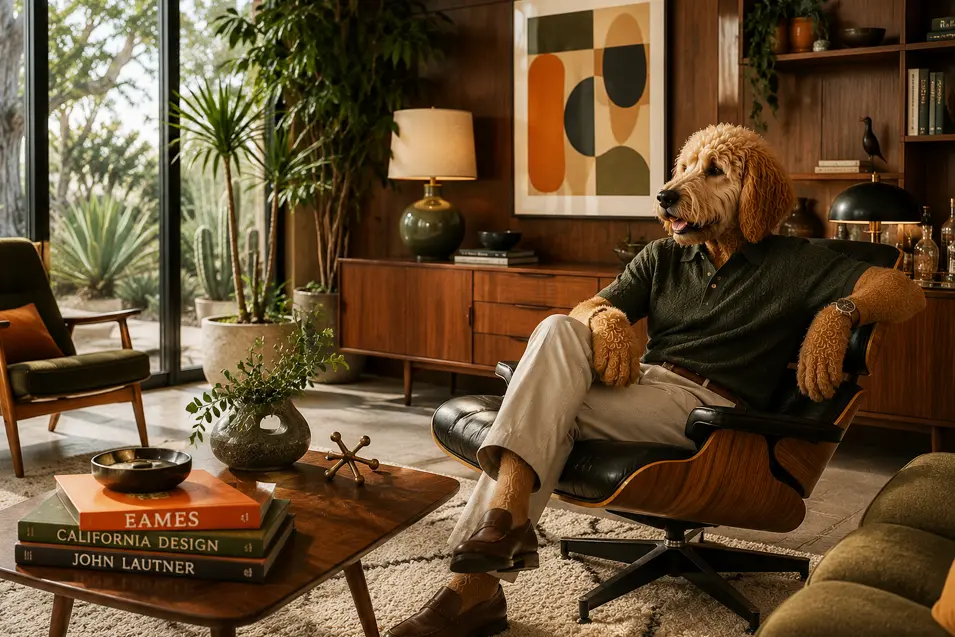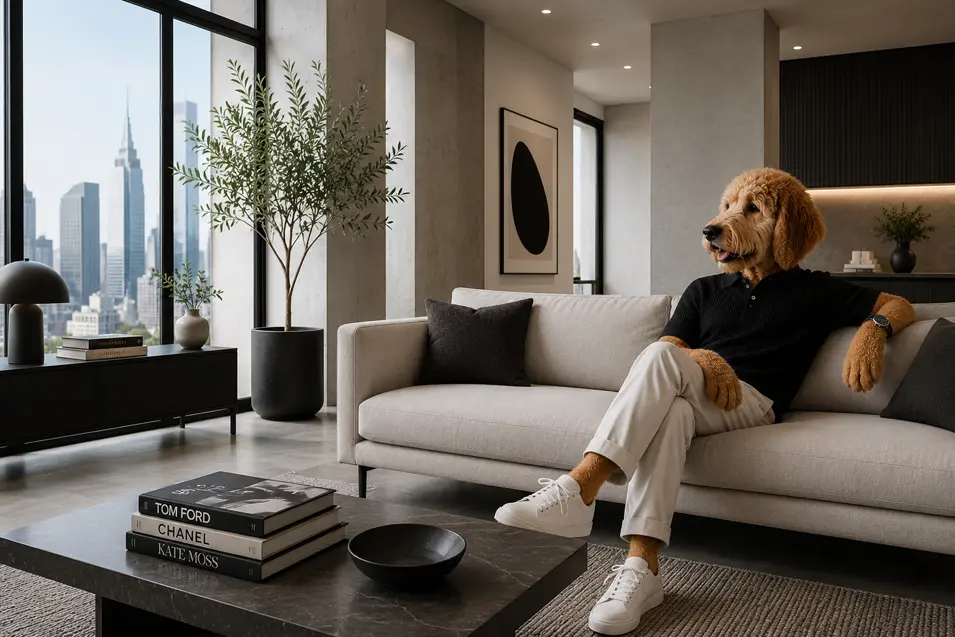
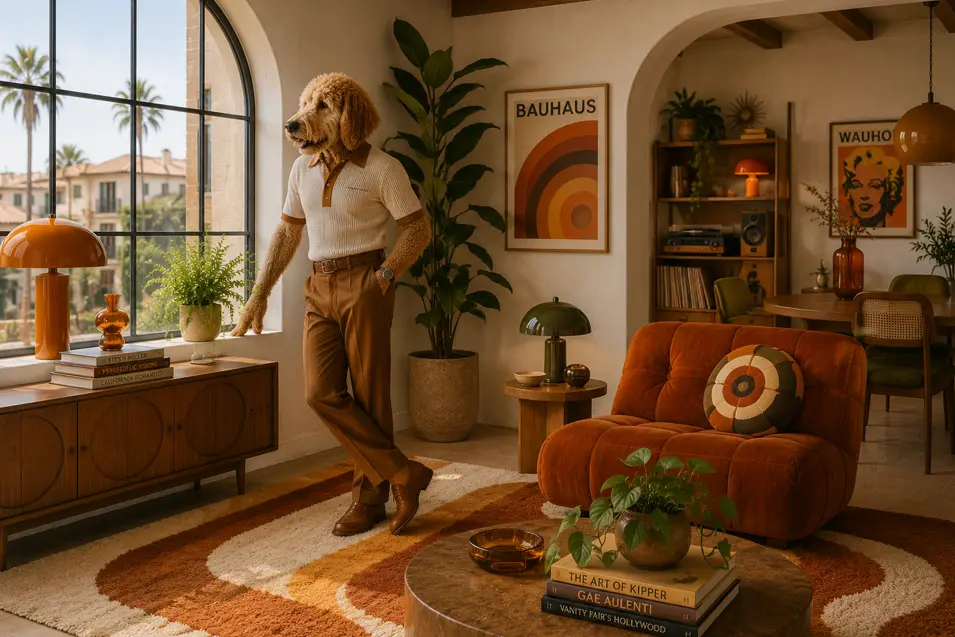
Few design trends have made a comeback quite like 70s Revival. Once dismissed as outdated, many of the defining elements of 1970s interiors have returned to modern homes, bringing with them a sense of warmth, personality, and nostalgia. Characterized by earthy colors, curved furniture, natural materials, and bold design choices, 70s Revival blends vintage charm with contemporary comfort.
Today’s interpretation of the style doesn’t attempt to recreate the decade exactly. Instead, it borrows the best aspects of 1970s design while updating them for modern lifestyles. The result is an aesthetic that feels familiar yet fresh, playful yet sophisticated.
For homeowners looking to move beyond neutral interiors and embrace spaces with character, 70s Revival offers a unique and highly expressive design approach.
The Origins of 70s Revival
The original interiors of the 1970s reflected a period of cultural change, experimentation, and individuality. Designers embraced bold colors, unconventional furniture shapes, and a stronger connection to nature than previous decades.
Earthy palettes, natural wood finishes, textured fabrics, and organic forms became defining characteristics of the era. Homes often featured conversation pits, oversized seating, statement lighting, and vibrant décor that encouraged self-expression.
As trends shifted toward minimalism and modern simplicity, many of these design elements faded from popularity. However, a growing appreciation for vintage aesthetics and nostalgic design has helped bring many of them back into contemporary interiors.
Key Characteristics of 70s Revival Style
Several distinctive features define the modern interpretation of 70s-inspired interiors.
Earth-Toned Color Palettes
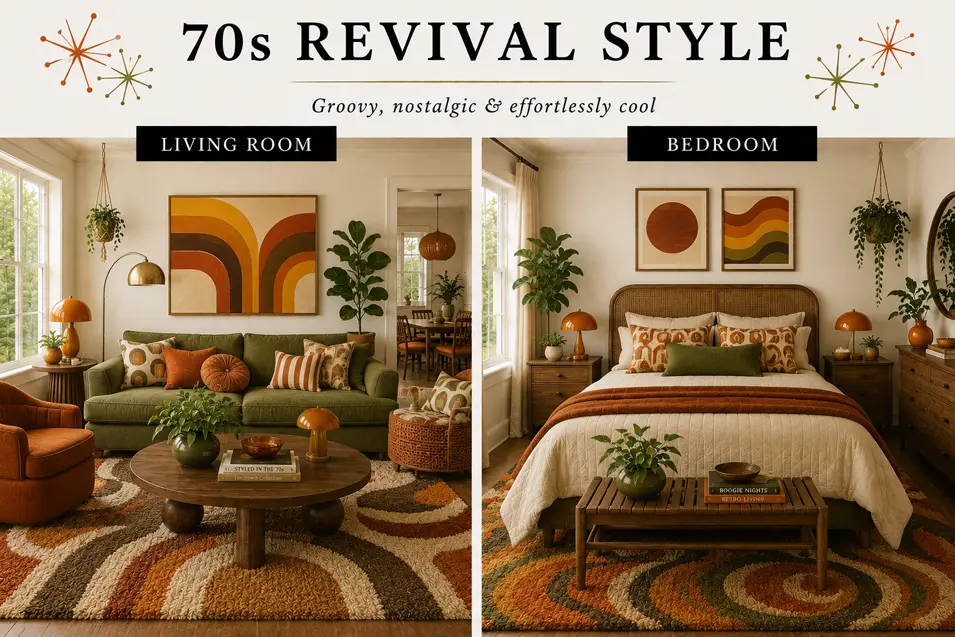
One of the most recognizable aspects of 70s design is its use of warm, earthy colors. Shades such as rust, terracotta, mustard yellow, olive green, chocolate brown, and burnt orange help create a cozy and inviting atmosphere.
These colors are often paired with warm neutrals to balance the overall look.
Curved and Organic Furniture
The 1970s embraced softer shapes and more relaxed forms. Rounded sofas, curved chairs, circular tables, and sculptural furniture help create interiors that feel comfortable and approachable.
These organic silhouettes remain one of the most popular elements of today’s revival.
Rich Texture
Texture plays a major role in 70s-inspired spaces. Velvet upholstery, woven materials, shag rugs, boucle fabrics, wood paneling, and natural fibers help create visual depth and warmth.
Layering textures is essential to achieving the style’s inviting feel.
Natural Materials
Wood, rattan, wicker, stone, and ceramics are commonly used throughout 70s Revival interiors. These materials reinforce the decade’s appreciation for nature and help create a grounded, authentic aesthetic.
Plants also play a prominent role, adding life and color to the space.
Statement Lighting and Décor
The 1970s were not known for subtlety. Oversized pendant lights, sculptural lamps, geometric artwork, and bold decorative accessories often serve as focal points within the room.
These elements help inject personality and visual interest into the design.
Why Homeowners Love 70s Revival
One reason 70s Revival continues to gain popularity is that it offers an alternative to highly restrained design styles.
Many homeowners appreciate the warmth and individuality that retro-inspired interiors provide. Rather than striving for perfection, the style encourages creativity and self-expression.
The emphasis on comfort also appeals to modern lifestyles. Deep seating, cozy textures, and welcoming spaces create environments designed for relaxation and connection.
How to Bring 70s Revival Into Your Home
You don’t need a complete retro makeover to embrace the spirit of the 1970s.
Start by introducing warm earth tones through textiles, artwork, or accent furniture. Consider adding a curved sofa, vintage-inspired lighting fixture, or natural wood furniture piece to establish the aesthetic.
Layer different textures throughout the room using rugs, throws, upholstery, and decorative accessories. Houseplants can further enhance the connection to nature that defines the style.
Most importantly, don’t be afraid to show personality. 70s Revival thrives on individuality and spaces that feel collected rather than perfectly coordinated.
70s Revival vs. Mid-Century Modern
Although the two styles are often grouped together, they have distinct characteristics.
Mid-Century Modern emphasizes clean lines, simplicity, and functional design. 70s Revival builds on those foundations but introduces richer colors, softer shapes, bolder patterns, and a greater sense of visual warmth.
In many ways, 70s Revival feels more relaxed and expressive than its Mid-Century predecessor.
Is 70s Revival Right for You?
If you love warm colors, comfortable furnishings, vintage influences, and interiors filled with personality, 70s Revival may be an ideal fit. The style encourages creativity while maintaining a welcoming and livable atmosphere.
Its combination of nostalgia and modern comfort makes it appealing to homeowners seeking spaces that feel distinctive, authentic, and full of character.
As Scout discovered while lounging among rich textures, earthy colors, and retro-inspired furnishings, 70s Revival proves that some design trends deserve a second chance—and sometimes they come back better than ever.