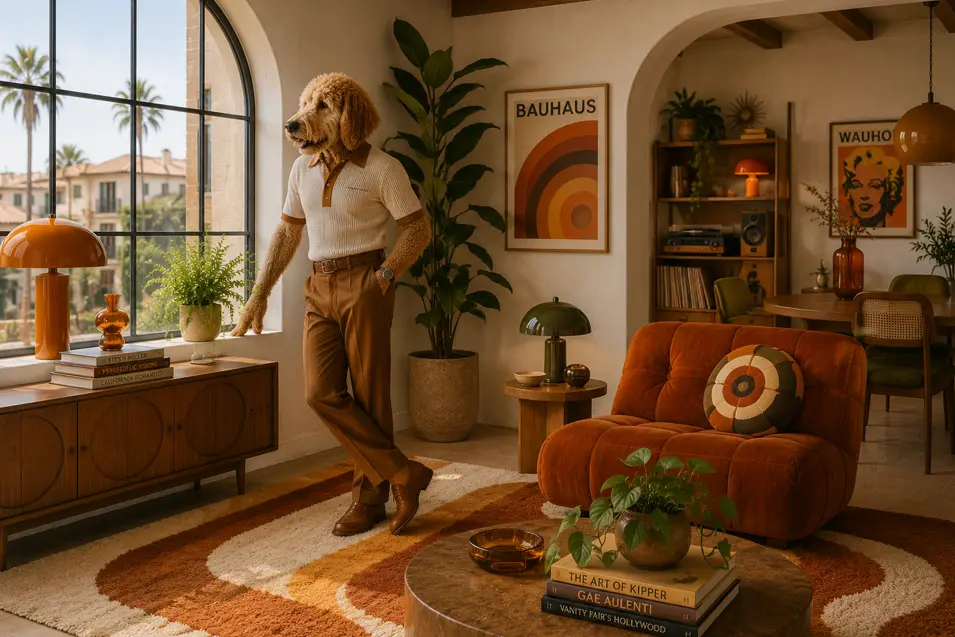
Few interior design styles have enjoyed the lasting popularity of Mid-Century Modern. Originally developed during the mid-20th century, this influential design movement continues to shape homes, furniture, and architecture around the world. Known for its clean lines, organic forms, and emphasis on functionality, Mid-Century Modern remains one of the most recognizable and sought-after styles in contemporary interior design.
What makes the style so enduring is its ability to feel both nostalgic and current. While its roots can be traced back to the 1940s, 1950s, and 1960s, Mid-Century Modern interiors still feel remarkably fresh and relevant today. Its focus on simplicity, practicality, and timeless design has helped it transcend trends and generations.
For homeowners seeking a balance between beauty and functionality, Mid-Century Modern offers a design philosophy that continues to stand the test of time.
The Origins of Mid-Century Modern Design
Mid-Century Modern emerged following World War II, a period marked by optimism, innovation, and rapid social change. Designers and architects sought to create homes and furnishings that reflected a modern way of living while remaining accessible and practical.
Influential designers such as Charles and Ray Eames, George Nelson, Eero Saarinen, and Arne Jacobsen helped define the movement through furniture and architecture that emphasized clean forms, comfort, and efficient use of materials.
The style gained popularity throughout North America and Europe, particularly in suburban developments where open floor plans and large windows reflected a growing desire for casual, family-oriented living.
Today, many of the furniture pieces introduced during this era remain among the most iconic designs ever created.
Key Characteristics of Mid-Century Modern Style
Several defining features help distinguish Mid-Century Modern interiors from other design styles.
Clean Lines and Simple Forms
Mid-Century Modern design favors uncluttered silhouettes and straightforward geometry. Furniture typically features sleek profiles, gentle curves, and minimal ornamentation.
This simplicity allows the quality of the design itself to take center stage.
Organic Shapes
Unlike purely geometric styles, Mid-Century Modern often incorporates soft, organic forms inspired by nature. Curved chairs, sculptural tables, and flowing lines create a sense of movement and visual interest.
The balance between structure and softness is one of the style’s most appealing qualities.
Functional Design
Functionality is a cornerstone of Mid-Century Modern design. Furniture is designed to be comfortable, practical, and efficient without sacrificing aesthetics.
The philosophy of “form follows function” remains evident throughout the style.
Warm Wood Tones
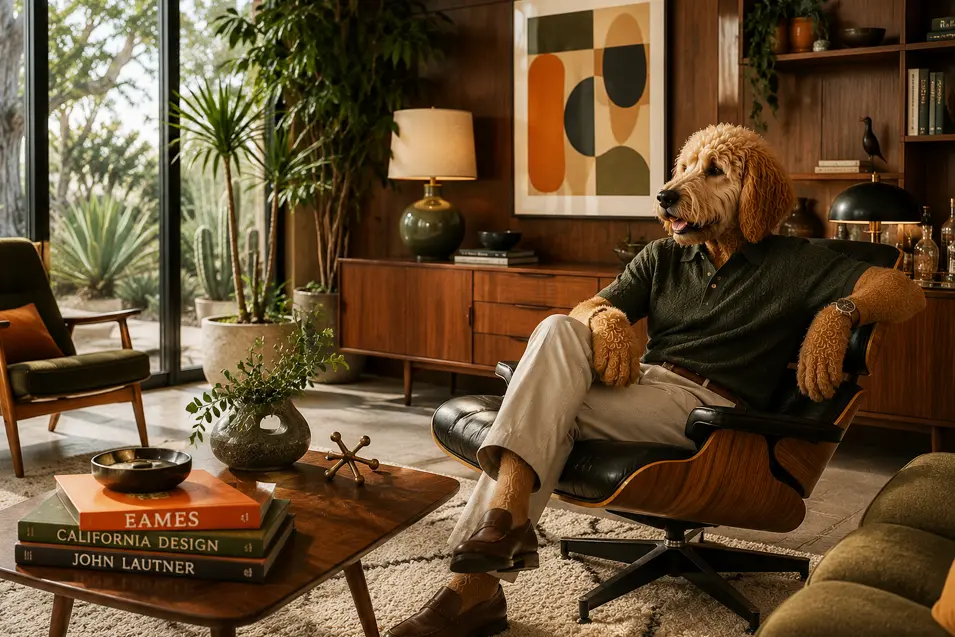
Natural wood plays a central role in Mid-Century Modern interiors. Walnut, teak, oak, and rosewood are commonly used for furniture, cabinetry, and architectural details.
These rich wood tones add warmth while complementing the style’s clean lines.
Connection to the Outdoors
Large windows, sliding glass doors, and open floor plans help blur the line between indoor and outdoor living. Mid-Century Modern homes often emphasize natural light and views of the surrounding landscape.
This relationship with nature contributes to the style’s enduring sense of openness and comfort.
Why Homeowners Love Mid-Century Modern
One of the reasons Mid-Century Modern remains so popular is its remarkable versatility.
The style feels sophisticated without being formal, making it suitable for a wide range of homes and lifestyles. Its clean aesthetic pairs easily with contemporary interiors while retaining enough character to stand on its own.
Many homeowners are also drawn to the quality and craftsmanship associated with Mid-Century furniture. Well-designed pieces from this era often remain functional and beautiful decades after they were first created.
The style’s emphasis on simplicity also makes it easy to maintain and adapt over time.
How to Incorporate Mid-Century Modern Design
Bringing Mid-Century Modern elements into your home doesn’t require a complete renovation.
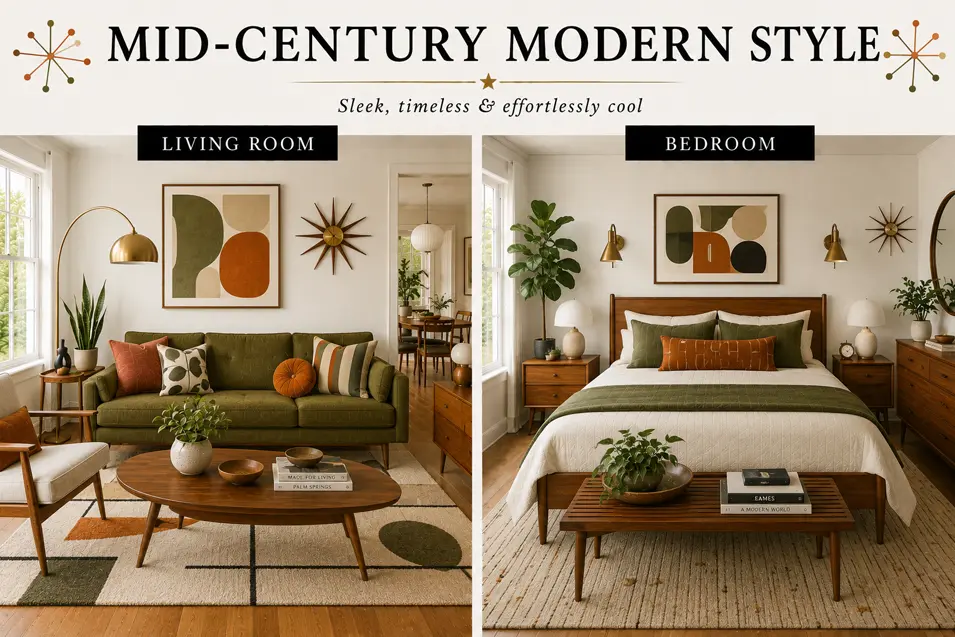
Start by introducing furniture with clean lines and tapered legs. Look for pieces made from natural wood, particularly walnut or teak, and incorporate organic shapes through seating, lighting, and decorative accents.
Color palettes can range from warm neutrals to bold retro-inspired hues such as mustard yellow, olive green, burnt orange, and deep teal.
Lighting is another defining feature. Sculptural floor lamps, pendant lights, and statement fixtures can help capture the style’s distinctive character.
When decorating, focus on quality rather than quantity. Mid-Century Modern spaces feel curated and intentional rather than crowded.
Mid-Century Modern vs. Contemporary Design
Although the two styles share some similarities, they are not the same.
Mid-Century Modern refers to a specific design movement that emerged during the mid-20th century. Its furniture, architecture, and design principles are rooted in that historical period.
Contemporary design reflects current trends and continues to evolve over time. While Contemporary interiors may borrow elements from Mid-Century Modern design, they are not limited to its aesthetic or historical context.
In many homes today, the two styles are successfully blended to create spaces that feel both timeless and current.
Is Mid-Century Modern Right for You?
Mid-Century Modern is an excellent choice for homeowners who appreciate thoughtful design, practical functionality, and timeless aesthetics. Its clean lines, natural materials, and emphasis on comfort create spaces that remain appealing year after year.
Whether you’re furnishing an entire home or simply introducing a few iconic pieces, Mid-Century Modern offers a versatile design approach that continues to influence the way we live today.
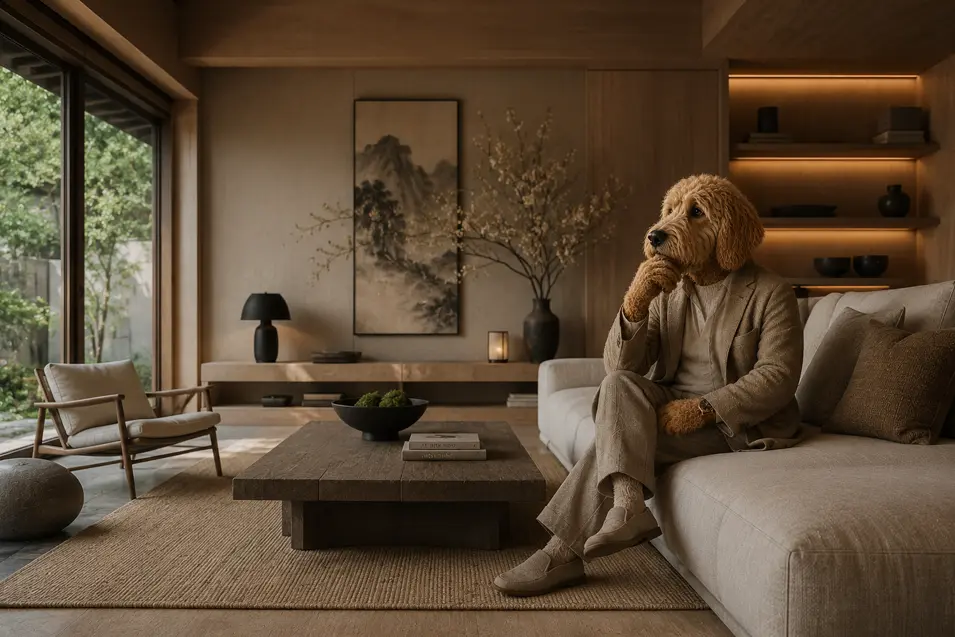
As Scout discovered while relaxing in an iconic lounge chair surrounded by warm wood tones and abundant natural light, Mid-Century Modern proves that great design never goes out of style.